


Why Photos Fail for Beanie Sampling
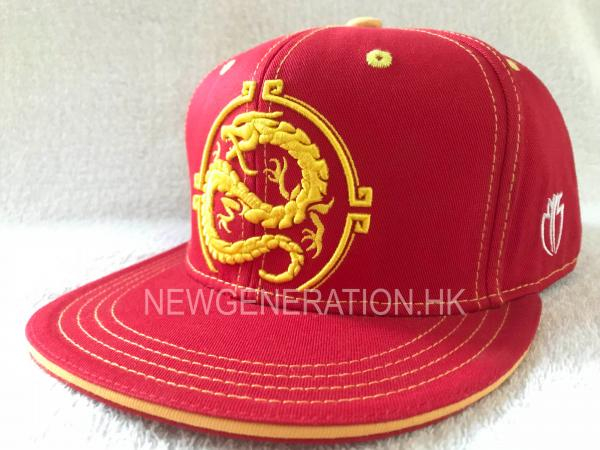
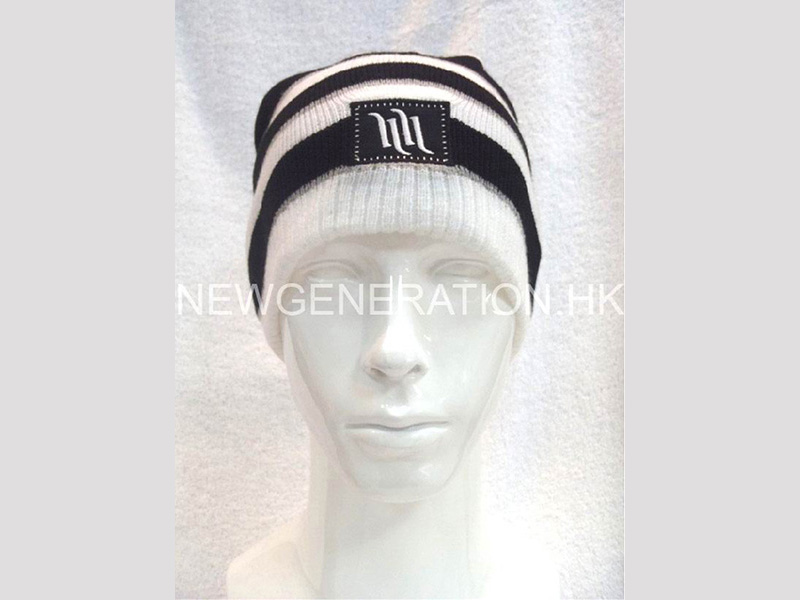
Photos look like instructions but aren’t. They show a finished beanie, but hide the details that make it work—like stitch density, yarn count, or seam type. When a U.S. streetwear brand sent the same photo to three cap manufacturers, they got three different samples: wrong ribbing, mismatched yarn, off-center logos. That’s because each factory interpreted the image differently.
A photo means nothing without context. It doesn’t say whether the brim should fold at 1.75 inches or if the crown needs a 12-gauge knit. Without those specs, factories default to local standards. One uses 2x2 ribbing; another picks 1x1 because it’s faster. These aren’t defects—they’re logical guesses. And when you're working across Vietnam, Bangladesh, and Indonesia, those small differences become big problems.
Structured specifications fix this. A Beanie Tech Pack replaces ambiguity with exact values: fiber type (e.g., 100% mercerized cotton), stitch count (8 stitches per inch), seam method (flatlock), and thread color (Pantone 19-4052). That means every cap manufacturer reads the same blueprint. No interpretation needed. This shift—from visual suggestion to technical command—cuts miscommunication at the source.
How Tech Packs Prevent Factory Misalignment
When brands use tech packs, they stop reacting to errors and start preventing them. One mid-sized activewear label used to average four sample rounds per beanie. After switching to full tech packs, they cut that to two—and achieved first-sample acceptance in 68% of cases. That’s a 30% faster time-to-market, which let them launch winter styles six weeks ahead of competitors still using photo reviews.
The real power shows up at scale. A European streetwear brand added three new cap factories for holiday production. Normally, that would mean travel, training, and weeks of revisions. But with a shared Beanie Tech Pack as the single source of truth, all three sites delivered aligned initial samples—no designer visits required. The tech pack became their universal language, bridging gaps in location, language, and process.
Specifying exact tolerances makes this possible. Saying ‘the pom-pom must be 5mm ±0.5mm’ turns quality control into a design rule, not a post-production audit. That clarity means manufacturers execute instead of interpret. And when every detail is documented, digital tools can validate prototypes before cutting fabric—compressing development even further.
From Blame Games to Clear Accountability
In traditional workflows, sampling errors lead to finger-pointing. Was it the designer’s vague brief? The factory’s material swap? The embroiderer’s alignment? Without clear specs, no one owns the mistake. A Beanie Tech Pack ends that. If a sample uses a 3mm pom-pom instead of 5mm, the deviation is objective—not up for debate.
This shifts the relationship from adversarial to collaborative. Both brand and custom cap manufacturer work from the same standard. One factory in Ho Chi Minh City reported a 41% drop in internal correction hours after clients started sending full tech packs. Their teams spent less time guessing intent and more time optimizing production.
Even small details prevent big issues. Specifying that the folded brim must measure exactly 1.75 inches when relaxed stops last-minute QC surprises. And with pre-defined stitch counts and tension settings, automation tools can flag conflicts early—like recommending a stronger seam for high-stress zones. That’s not just efficiency—it’s built-in intelligence.
Cut Costs and Delays in Global Production
Each physical sample shipped internationally costs $80–$150 and takes 5–10 days. Run four rounds across three factories, and you’re looking at nearly $2,000 and two months lost per style. Tech packs eliminate up to 60% of these shipments by enabling virtual alignment and first-time-right sampling.
That’s not just savings—it’s resilience. When air freight disruptions hit in early 2025, brands using robust technical documentation kept moving. Others stalled, waiting for physical approvals. With a Beanie Tech Pack, you don’t need boots on the ground to ensure consistency. Your spec becomes your representative—available instantly, unchanged across locations.
And as AI tools emerge that scan tech packs for risks—like ‘high shrinkage with this wool blend in humid conditions’—the ROI grows. Early adopters adjust materials before sampling, avoiding rework entirely. This isn’t digitization. It’s intelligence layered onto craftsmanship.
Tech Packs Are Your Most Powerful Product Asset
Mastering beanie sampling isn’t about better photos. It’s about replacing uncertainty with data. Brands that adopt Beanie Tech Packs build systems where excellence is repeatable, scalable, and independent of geography.
Every defined spec—yarn twist, needle gauge, embroidery offset—means fewer errors, faster approvals, and tighter margins. For managers, that’s lower revision costs. For executives, it’s faster time-to-market and stronger brand control. For engineers, it’s clearer build rules and fewer fire drills.
Technical documentation isn’t overhead. It’s your most powerful product asset. Whether you work with one baseball cap factory or five, a well-built Beanie Tech Pack ensures consistency, cuts risk, and turns global complexity into competitive advantage.
#cap manufacturers china, #headwear manufacturers china, #cap factory