

Why tech packs stop rework before it starts
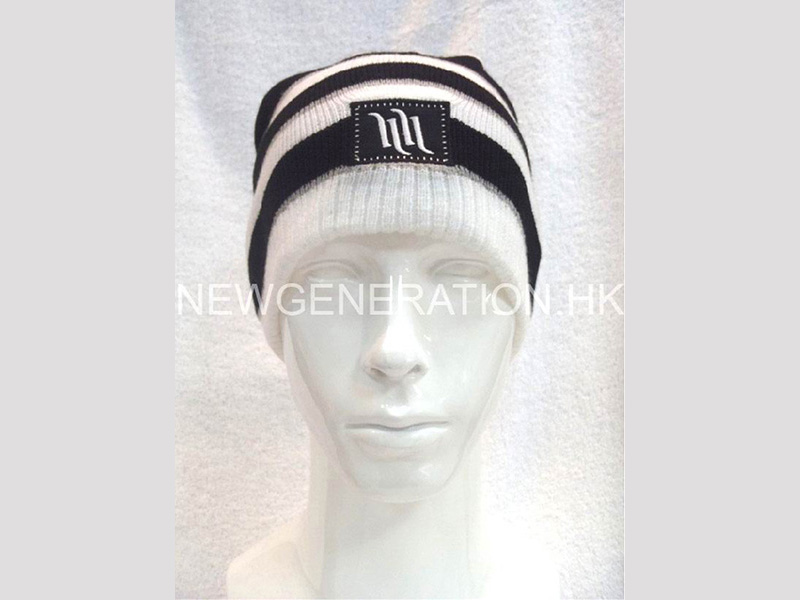
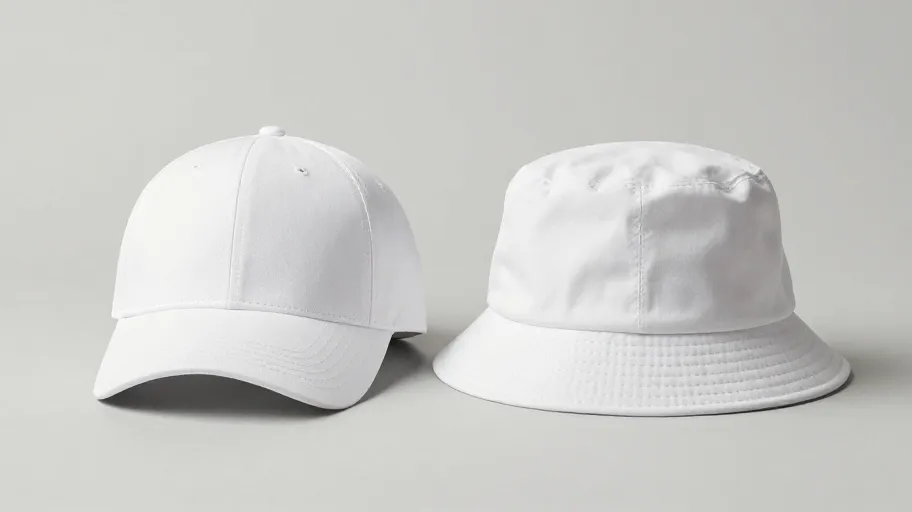
A complete Beanie Tech Pack means fewer production surprises because it turns creative ideas into exact manufacturing instructions. When a U.S. outdoor brand launched a new bucket hat line, their first factory run came back with crooked crown seams—18% of 10,000 units were unusable. That’s $180,000 down the drain. But after switching to a cap factory that required full tech pack compliance, they reduced defects to under 3%. The difference? Clear stitch density rules (8–10 SPI), precise seam allowances (±1mm tolerance), and CAD-based brim curvature specs (175mm arc). These aren’t suggestions—they’re enforceable standards.
This level of detail matters because global supply chains don’t share context. A designer in Portland sees 'structured crown' as stiff and sharp. A patternmaker in Ho Chi Minh City might interpret it as slightly reinforced. Without a shared technical reference, those differences become costly mistakes. A proper tech pack eliminates guesswork by specifying thread type (spun polyester 40/3), panel symmetry rules, and grading logic across sizes. It means faster approvals, fewer revisions, and consistent quality—even when production spans multiple subcontractors.
For managers, this translates to shorter lead times and tighter budgets. For executives, it’s about brand integrity and margin protection. And for factory teams, it’s clarity: no more debating what “clean finish” means. The document becomes the single source of truth, reducing disputes and accelerating decision-making across time zones.
The real cost of skipping physical samples
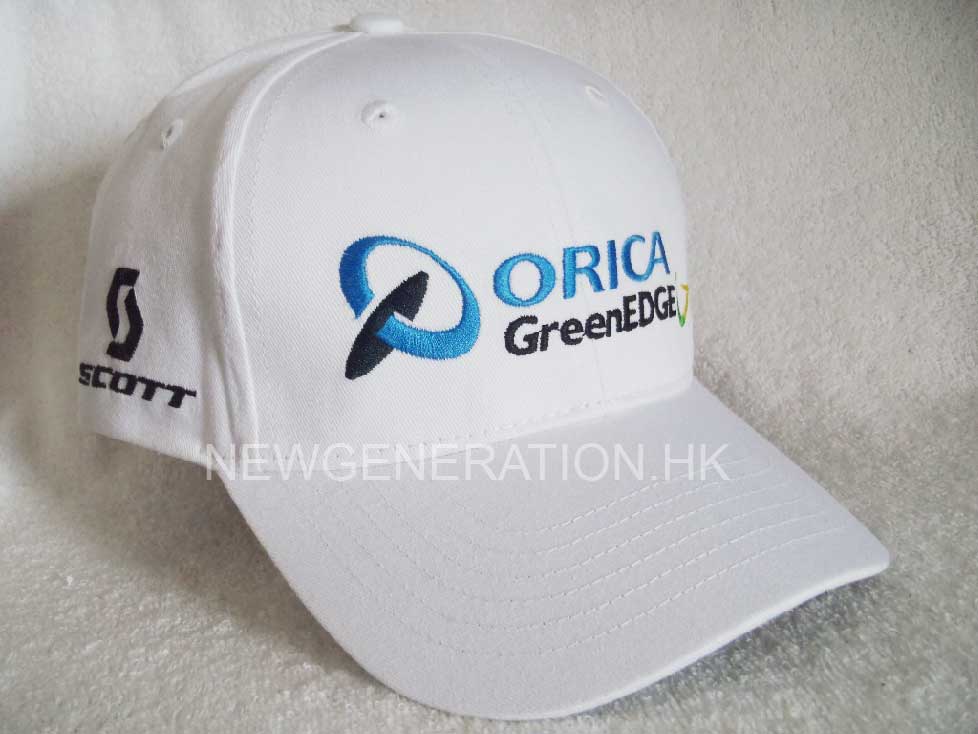
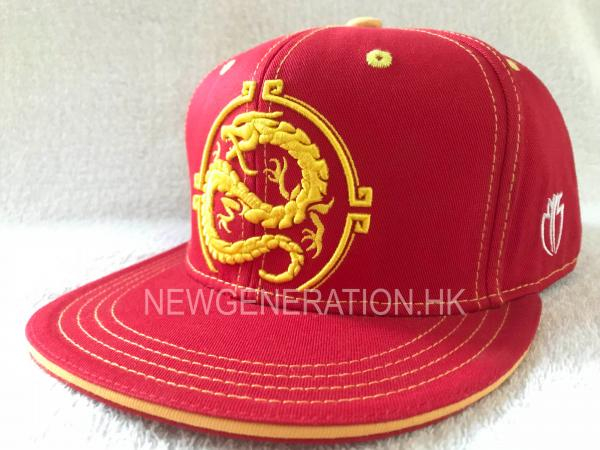
Designers often rely on renders or sketches, assuming digital visuals are enough. But a 3D render can’t show how a cotton canvas crown drapes under tension—or how a slight twist in the rear seam catches light. That’s why free physical hat samples are non-negotiable. They mean brands can catch structural flaws early because they provide tactile, real-world validation.
One children’s apparel brand learned this the hard way. Their first bulk shipment arrived with brims that curled upward instead of lying flat. The root cause? A misinterpretation of stiffness requirements in the absence of a sample. After that loss, they partnered with a manufacturer offering free samples within seven days. Now, when they receive a prototype, they test fit on mannequins, rotate it under studio lights, and verify panel alignment by hand. Any deviation gets flagged immediately—before mass production begins.
This approach means faster iteration cycles because feedback is based on a shared physical object, not subjective descriptions. Teams across design, sourcing, and QA all hold the same reference point. A photo dispute vanishes when everyone can see—and feel—the issue. For operations leaders, that reduces approval timelines from weeks to days. For finance teams, it slashes rework costs by up to 70%, according to a 2025 survey of North American apparel firms.
How tech packs and samples work together
A Beanie Tech Pack defines the rules. Free hat samples prove them. Together, they mean fewer errors and faster time-to-market because one documents the standard and the other validates it in reality.
Take the case of a Denver-based lifestyle brand launching a premium bucket hat. Their tech pack specified an 8 SPI stitch count and a 175mm brim radius. The factory produced a free sample based on those specs. During review, the team noticed subtle shadow distortion along the rear seam—indicating uneven gathering. No measurement sheet would’ve caught that. But holding the actual hat, they confirmed a 1.5mm misalignment. The factory adjusted the panel symmetry rule in the tech pack and sent a revised sample. Two weeks later, full production began—with zero major defects.
This synergy means brands build quality into the process, not inspect it afterward. Engineers get clear construction logic. Designers preserve creative intent. Buyers gain confidence in delivery dates. And factories avoid costly do-overs. According to the Apparel Intelligence Group, 68% of headwear production delays stem from incomplete technical data. By combining detailed documentation with physical verification, brands close those gaps systematically—turning speculation into certainty.
The business impact is measurable
The value isn’t just theoretical. Brands using full tech packs and free sample iterations report 40% fewer rework incidents and 30% faster time-to-market, based on a 2025 operational efficiency study of 63 apparel companies. That speed means capturing seasonal demand—like when a social media trend boosted orders for wide-brimmed hats in May. One brand updated their tech pack, requested a new sample, and confirmed production in 12 days—fast enough to meet retailer deadlines.
For finance teams, every avoided rework cycle saves thousands. For supply chain managers, predictable timelines reduce air freight emergencies. For executives, this shift represents a move from reactive fixes to proactive quality engineering. When your tech pack serves as a binding production contract and your sample acts as proof of intent, accountability becomes clear across partners.
Ultimately, accurate specs don’t just prevent waste—they accelerate trust, streamline approvals, and turn production timelines from liabilities into advantages. The question isn’t whether you can afford to adopt these tools. It’s whether you can afford not to.
#cap manufacturers china, #headwear manufacturers china, #cap factory