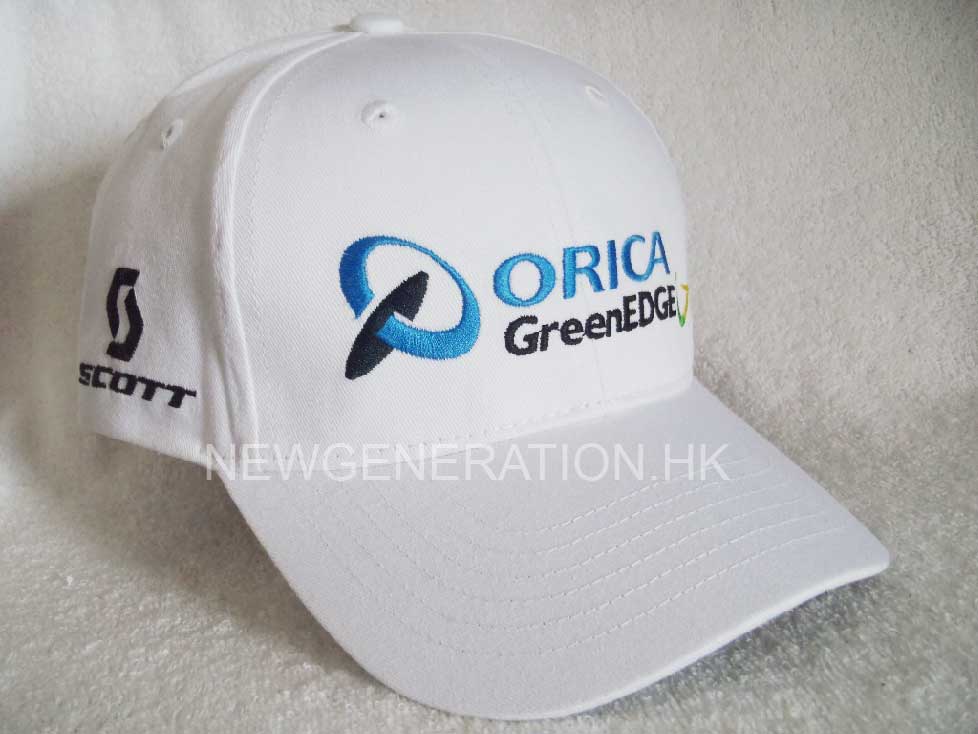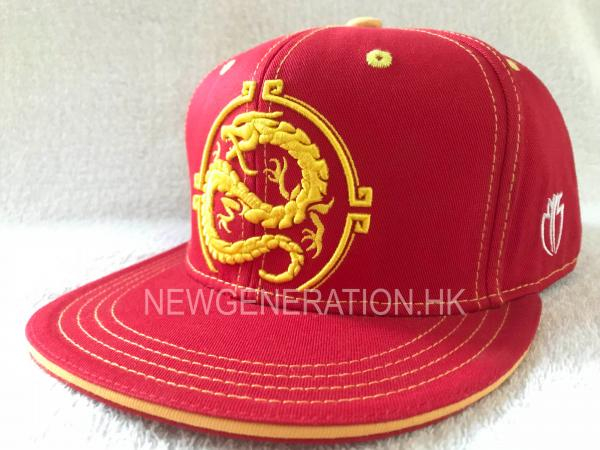


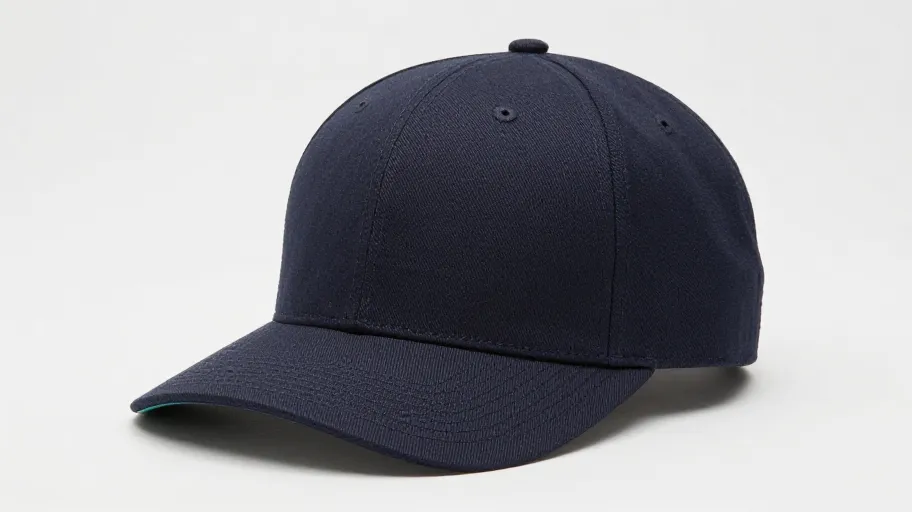
Missing key specs in your Baseball Cap Tech Pack leads to rejected shipments and 70% longer sampling cycles. We break down the three measurements buyers commonly miss—and how top brands fix this before cutting fabric.
Why factories can’t guess what fits
When a U.S. lifestyle brand labeled head circumference as “standard medium,” their Shenzhen factory delivered 5,000 caps too tight for Western wearers. That mistake cost $28,000 in wasted materials and air freight. The problem wasn’t the factory—it was the assumption that ‘medium’ means the same thing globally. Cap manufacturers china-wide rely on exact numbers because Asian head shapes average a narrower front-to-back diameter and higher crown than North American heads. A vague spec forces them to default to local standards, which creates fit mismatches at scale.
Precise head circumference (e.g., 22.5" ± 0.25") means consistent fit across production runs because it directly controls panel width, seam allowance, and liner size. Without it, even minor deviations—just 0.5 inches—mean discomfort, returns, and lost repeat customers. This isn’t just about comfort; it’s about protecting your brand’s reputation with every unit shipped.
The hidden impact of crown height
One European streetwear label skipped crown height in their tech pack, relying only on mood boards. The factory used its standard 4.75", but the resulting silhouette looked bulky instead of sleek. Two extra sampling rounds added $9,000 and 19 days to their timeline. Crown height—measured from eyelet to front panel base—means accurate branding visibility and desired aesthetic because it determines how low or high the cap sits on the head. A 1/8-inch difference changes logo placement, side profile, and consumer perception.
Top brands now specify exact values like 4.5" or 4.625" based on target demographics. That precision means faster approval cycles because factories can align embroidery templates and buckram stiffness upfront. It also reduces revision costs by up to 40%, according to the 2025 Pre-Production Efficiency Report from Textile Intelligence Unit.
How closure type affects fit range
A snapback set to 21–23" may exclude larger heads if the base circumference is miscalculated. Closure type & adjustability range means reliable one-size-fits-most performance because it must match the intended head circumference spec. If the base panel is cut too small, even full extension won’t compensate—leading to poor fit and negative reviews.
Cap manufacturers use this data to validate tooling compatibility early. For example, a buckle system might require custom jigs, while an elastic band needs stretch-retention testing. When specs are clear, factories flag mismatches before sampling. Brands that include closure mechanics in their initial brief see 55% faster bulk approval, avoiding last-minute redesigns and production stoppages.
Why free hat samples prevent bigger losses
Sending free hats samples to your design team means catching fit issues before mass production because real-world wear tests reveal problems no spec sheet can predict. One direct-to-consumer brand reduced time-to-market from 14 weeks to 8.2 weeks by using physical samples to validate crown height and closure function alongside technical data.
These samples act as a feedback loop between factory expertise and brand vision. Engineers often request early access to suggest material substitutions or identify stress points in curved front panels. This collaboration means fewer surprises and stronger partnerships because both sides co-develop the product, not just exchange files. Over 63% of sampling delays stem from incomplete measurement data—free physical samples close that gap fast.
Building a better tech pack
Treating your Baseball Cap Tech Pack as a living contract means faster iterations and scalable quality because it becomes a shared language between brand and factory. Leading teams embed regional fit matrices—like “Target HC: 22.8” for North American males”—based on SizeUSA’s 2023 anthropometric data. That specificity means factories can begin procurement and tooling prep before the first sample is stitched.
The result? Up to 70% fewer revisions, lower per-unit costs, and alignment with actual end-user anatomy. As AI-powered fit prediction tools emerge using 3D head scans, forward-thinking brands are already integrating dynamic ranges into their specs. The future of cap sourcing isn’t guesswork—it’s data-driven precision from day one.
What to do next
If your last cap order had fit issues or delays, start by auditing your current tech pack. Are head circumference, crown height, and closure type clearly defined with tolerances? Request free hats samples from your cap factory to test against real users. Then, share draft specs early with your manufacturing partner to leverage their engineering input.
Done right, this process means shorter lead times, fewer reworks, and confident scaling because you’re building on shared clarity, not assumptions. See how much time and cost you could save—download a proven tech pack template used by fast-moving labels to cut sampling rounds by nearly half.
#cap manufacturers china, #headwear manufacturers china, #cap factory