

Why most sustainable cap orders fail before sewing begins
Miscommunication kills sustainability more often than bad materials do. A 2024 Sustainable Apparel Coalition report found that 70% of sample delays in headwear stem from incomplete technical specs—not ethical lapses or material flaws. That means brands spend thousands on organic cotton and recycled trims, only to waste 30% of fabric during rework cycles caused by unclear embroidery placement or brim curvature.
This isn’t just inefficient—it’s environmentally damaging. Each unnecessary air-shipped sample revision generates about 4.3 kg CO₂e. For a typical 20-style collection, avoidable errors can exceed one ton of CO₂e before launch. Clear specs mean fewer mistakes, which means lower emissions and faster time to market. Precision documentation doesn’t replace sustainable sourcing; it protects your investment in it.
One activewear brand learned this the hard way when a logo stitched 12mm too high triggered three rounds of samples, $18,000 in unplanned costs, and a six-week delay. The culprit? A two-page spec sheet missing thread blend ratios and digital file integration notes. What looked like a factory error was actually a planning failure—one that precise communication could have prevented.
How tech packs cut approval time and carbon footprint
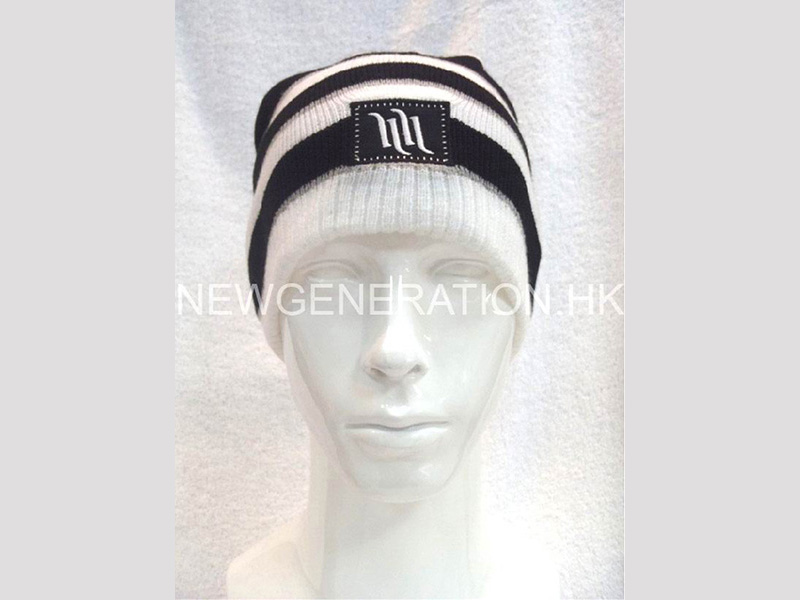
A full beanie tech pack includes every measurable detail: stitch density, seam allowance, crown shaping curves, and even recommended needle type for specific yarn blends. This level of detail means factories don’t rely on assumptions or past setups. Instead, they audit their tooling against documented specs before cutting fabric.
One North Carolina-based manufacturer saw first-submission approval rates jump from 41% to 89% after requiring complete tech packs from overseas partners. That shift reduced average lead times by 22 days and cut sample freight by nearly half. Faster approvals also allowed use of ocean shipping instead of air cargo—slashing transport emissions across the board.
For buyers, this means predictable timelines and consistent quality. For decision-makers, it translates to capturing early-season margins, which are typically 18–22% higher than end-of-season revenue. For the planet, it means avoiding thousands of pounds of unnecessary CO₂. Detailed tech packs aren’t overhead—they’re leverage.
What goes into a factory-ready beanie tech pack
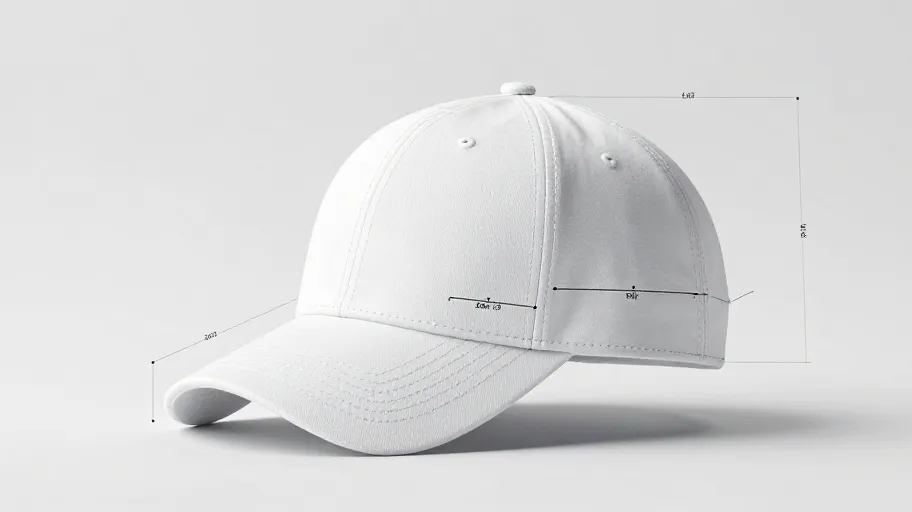
A strong tech pack does more than list measurements. It aligns design intent with machine capability. Start with flat sketches showing front, side, and top views, annotated with exact dimensions for panel joins, visor curve, and crown height. Include material callouts: not just “organic cotton twill,” but GSM weight, weave type, and shrinkage tolerance.
Add construction details like stitch type (e.g., 401 chainstitch), SPI (stitches per inch), and thread composition. Specify embroidery parameters: density, underlay pattern, and file format. Embed digital pattern files and require factory sign-off before sampling begins.
Brands that train designers to build these packs see 30% faster time-to-market on average. One outdoor label reduced defect-related losses by 40% simply by standardizing labeling instructions in their templates. When everyone works from the same blueprint, variation drops—and so do costs and waste.
Choosing a cap factory that values precision
Not all cap manufacturers prioritize technical rigor. Some still operate on email threads and hand-drawn notes. The best partners treat tech packs as contracts, not suggestions. Ask potential factories: Do you require full spec packages before sampling? Can you validate tooling setup against provided specs? How do you track revision cycles?
Factories equipped for structured five-panel caps, foam inserts, and curved visors often excel at volume—but struggle with consistency without clear guidance. Those that adopt standardized documentation become scalable, compliant, and faster. They’re also more likely to meet evolving regulatory demands around supply chain transparency.
We’ve seen brands shift from reactive firefighting to proactive planning simply by switching to partners who enforce tech pack discipline. The result? Fewer last-minute surprises, stronger compliance, and collections that ship on time, on budget, and with a lighter environmental load.
The real ROI of getting it right the first time
Better documentation doesn’t just prevent errors—it unlocks strategic advantages. Faster approvals mean earlier production starts, which open access to slower, lower-emission shipping methods. Digital pattern integration ensures consistency across multiple locations, supporting growth without sacrificing control.
Internally, eight U.S. apparel companies reported a 30% reduction in time-to-market after adopting full-spec workflows. Externally, customers notice fewer defects and more reliable fit. Margin improves not because costs dropped overnight, but because less value was lost to rework, delays, and returns.
The most sustainable part of your next cap might not be the fabric—it’s the blueprint used to make it. If you’re serious about reducing waste, emissions, and headaches, start with the document that shapes everything else.
#cap manufacturers china, #headwear manufacturers china, #cap factory