
A "free hat sample" generally allows you to evaluate material quality and base construction without paying for the product itself, though you remain responsible for shipping costs and any specific custom modifications. To protect your budget and ensure bulk consistency, you must verify if the sample is stock inventory or a custom prototype and confirm all logistics terms before placing the request.
Decoding the "Free" Offer: Stock vs. Custom
For new brands and price-sensitive buyers, the term "free sample" can be ambiguous. In the OEM/ODM landscape, it typically refers to two distinct scenarios. Understanding the difference is the first step in effective procurement preparation.
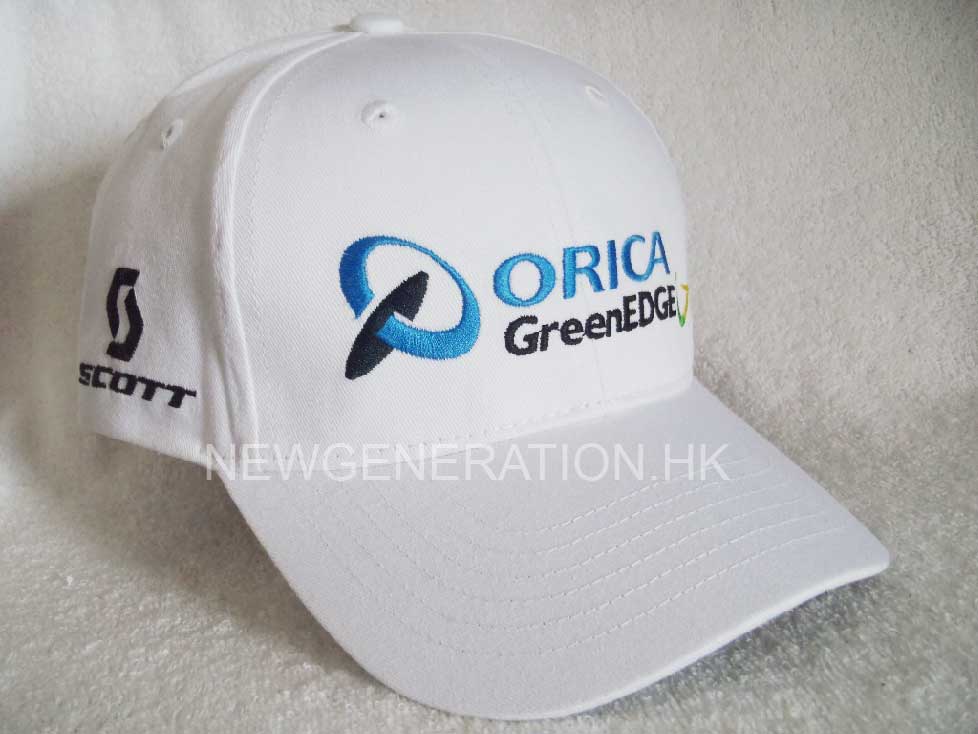
1. Stock Samples (Physical Inventory) These are pre-manufactured hats the supplier already has in their warehouse. They usually feature the supplier’s own logo or are blank. These are effective for assessing the feel of the fabric, the weight of the brim, and the general stitching quality of the factory. However, they do not demonstrate your specific custom artwork or dimensions.
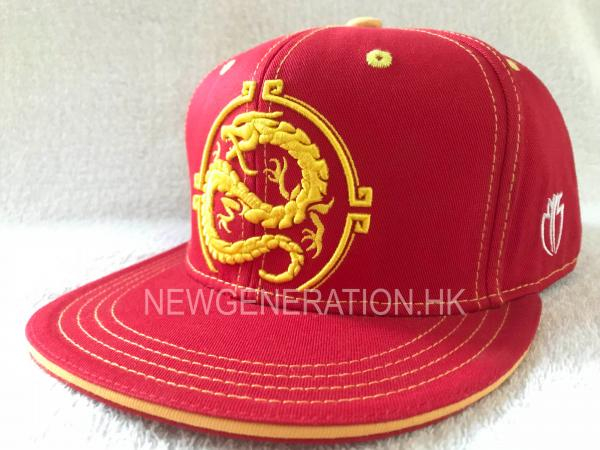
2. Custom Pre-Production Samples (PPS) These are prototypes made specifically for your project, incorporating your logo, colors, and design tweaks. While a supplier might absorb the sample cost as a gesture of goodwill for a large order, the "free" label rarely applies here. These items consume raw materials and labor time distinct from stock inventory.
The 3-Stage Sample Validation Protocol
To move from a simple request to a confident sourcing decision, use this three-stage framework. It shifts the focus from the price of the sample (zero) to the value of the information it provides.
Stage 1: Scope Definition
Before you email the supplier, define what you need the sample to prove. Are you checking if the factory can match a specific Pantone color? Or are you verifying the durability of the fabric? If you need to see your logo embroidered, a stock sample will not suffice. You must request a custom mock-up or a digitized proof first.
Stage 2: Specification Verification
Once the sample arrives, your inspection must be rigorous. Do not simply look at the hat; test it. Check the density of the embroidery stitches—loose threads in a sample often predict loose threads in bulk production. Examine the fabric’s grain and the closure mechanism (snapback, buckle, or strap). Ask the supplier: "Does this sample use the exact same fabric batch and machinery that will be used for mass production?"
Stage 3: Commercial Terms
A sample is a commercial contract as much as it is a physical product. You must document the terms associated with it. If the sample is free, is the shipping freight collect or prepaid? Does the supplier require a refundable deposit for the sample? Clarify if the sample cost is deducted from the final bulk invoice.
Evaluating the Physical Sample
When you receive the package, your goal is to predict the long-term performance of the product. Focus your attention on three areas:
- Material Consistency: Rub the fabric between your fingers to check for stiffness or pilling. Ask the supplier for the fabric weight (usually measured in GSM) and compare it to industry standards for your target market.
- Construction Quality: Turn the hat inside out. Look for trimmed threads and clean seams. The interior finishing is often a better indicator of OEM quality than the exterior.
- Decoration Accuracy: If the sample includes your logo, measure the placement. Is it centered? Is the font sharp? If the sample is a "similar style" rather than your exact design, ask explicitly how the final production will differ.
Decision Matrix: Choosing the Right Sample Path
Your choice of sample type impacts your timeline and budget. Use this table to align your sourcing strategy with your current phase of development.
| Feature | Stock Sample (Blank/Logo'd) | Custom Pre-Production Sample |
|---|---|---|
| Cost | Typically Free (Product cost only) | Often Free (conditional on order) or Paid |
| Lead Time | Fast (Ships from existing inventory) | Longer (Requires raw material sourcing and setup) |
| Purpose | Verify factory quality, fabric hand-feel, fit. | Verify artwork accuracy, color matching, custom construction. |
| Risk | Low risk. May not reflect final custom look. | Medium risk. Errors here replicate in bulk orders. |
| Best For | Early-stage vendor selection and general quality screening. | Final approval before mass production deposit. |
Critical Questions to Ask Before Ordering
To avoid surprises, incorporate these questions into your communication with the manufacturer. Do not assume the answer is "yes" because the sample is "free."
- Scope of Customization: "Does this free sample include my specific logo, or is it a blank stock item used for material reference only?"
- Production Alignment: "Will the mass production units use the exact same fabric supplier and manufacturing line as this sample?"
- Logistics and Responsibility: "Are the shipping costs included, or will I be billed separately for freight? Which carrier do you use for international samples?"
- Modification Limits: "If I approve the sample but require minor adjustments to the brim curvature or strap length in bulk, is there an additional cost?"
- Sample Retention: "If I decide not to proceed with the order, is there a return requirement or a restocking fee for the sample?"
Addressing Logistics and "Hidden" Costs
Price-sensitive buyers must pay close attention to the term "FOB" (Free on Board) or "EXW" (Ex Works). A sample is often provided EXW, meaning the factory gives it to you for free, but you pay the courier pickup fee. International shipping for a single hat can be disproportionately high compared to the unit cost.
Always ask the supplier to declare the sample as a "Commercial Sample" with no commercial value on the shipping waybill to minimize potential import duties or tax hurdles in your country. Verify if they have a preferred courier account (DHL, UPS, FedEx) that offers discounted rates for sample shipments.
FAQ
Does a free sample usually include my custom logo? Typically, no. "Free samples" are usually existing stock items used to verify general quality. Samples featuring your custom logo and dimensions are considered pre-production prototypes and may incur a setup fee, which is often refunded upon placing a bulk order.
Who pays for the shipping of a free sample? In most B2B sourcing contexts, the supplier provides the product for free, but the buyer is responsible for the shipping freight. You should clarify whether the shipping is "prepaid" (added to your invoice) or "collect" (you pay the courier upon delivery).
How can I ensure the sample matches the bulk production? You must request a "Golden Sample" approval before mass production begins. Ask the supplier to confirm in writing that the bulk order will adhere to this approved standard. Conduct a third-party inspection during production if the order volume is significant.
Can I order multiple free samples? Suppliers generally limit free samples to 1-2 pieces per style to manage costs. If you need samples for a board meeting or retail testing, ask about a "paid sample" rate or a "sample set" discount for larger quantities.
What happens if the free sample is different from the description? If the material or construction differs significantly from the agreement, document the discrepancies with photos immediately. A reputable supplier will either pay for the return shipping or rush-produce a corrected sample to secure your business.
Download the Sample Confirmation Checklist Ensure you cover every critical detail before approving your headwear project. Use our comprehensive checklist to standardize your quality control and vendor communication.
[Download the Sample Confirmation Checklist]
Need a quick reference for your next sourcing meeting? Print this decision table and approval questions to keep your project on track. ```