

A useful hat tech pack gives the buyer and factory one shared record for construction, materials, measurements, artwork and approval notes. It should make a sample easier to quote, build and review. The checklist below focuses on information a buyer can verify; any tolerance, test or production requirement that matters to your project should be confirmed in writing before sampling.
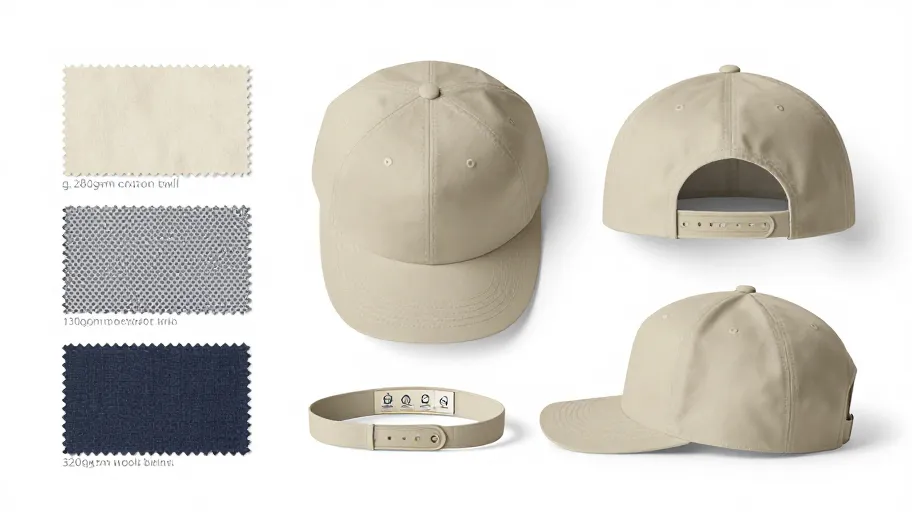
A hat tech pack is your comprehensive blueprint detailing every construction, material, and measurement specification for custom headwear. To prepare for procurement, you must document exact fabric weights, panel counts, closure types, and finishing techniques. Use the Spec-Verify-Approve framework to compel your supplier to confirm production limits before you commit to an order. This document mitigates miscommunication risks across international borders.

Why Headwear Supplier Pages Are Difficult to Compare
The phrase headwear manufacturers china can surface suppliers that make baseball caps, bucket hats, beanies, visors, promotional hats, and mixed private-label programs. That sounds convenient, but it creates a comparison problem. One supplier may be strongest on structured baseball caps, another on soft fashion hats, and a third may mainly act as a sourcing coordinator. A website category list does not tell you which one is the best fit for your current project.
That is why a buyer should compare the response to a defined brief, not the size of the product menu. If your current need is a six-panel cap with embroidered front branding and a specific closure style, a supplier's ability to discuss that project clearly matters more than whether it also lists beanies, straw hats, and rainwear accessories.
The Scope-Score-Sample Method
The easiest way to compare headwear suppliers fairly is to separate the decision into three stages.
1. Scope
Define the live project
Record product type, branding, and sample questions
2. Score
Compare written evidence
Score responses against the same criteria
3. Sample
Compare the proof
Use the same review structure for every supplier
1. Scope: Define the Live Project Before You Compare the Supplier
Start with one program. Record the product type, the intended wearer, the branding method, the reference images, and the questions the sample must answer. This turns a loose sourcing search into a comparable enquiry.
For example, the brief should make clear:
- whether the current project is a baseball cap, bucket hat, beanie, or another headwear type;
- whether the logo treatment is embroidery, patch, print, woven label, or still open;
- whether the sample is expected to confirm silhouette, branding, materials, or all three;
- who approves the sample internally and what record will become the bulk reference.
The point is not to over-engineer the first enquiry. The point is to stop one supplier from quoting a generic cap while another prices a more structured interpretation of the same mood board.
2. Score: Compare Written Evidence, Not Slogans
Once the same brief has been sent to each supplier, score their responses against the same criteria.
Decision Table for Supplier Screening
| Comparison area | What to review | Buyer question |
|---|---|---|
| Brief comprehension | Does the supplier identify open decisions rather than pretending everything is fixed? | Did they distinguish confirmed requirements from points needing recommendation? |
| Product-fit response | Does the reply stay on the requested headwear type and construction? | Did they answer this project, or only describe the company? |
| Sampling process | Is there a written explanation of what the sample is meant to prove? | What sample stage comes first: reference, customized, or pre-production? |
| Branding review | Are artwork placement and treatment discussed against the product shape? | How will logo placement be checked on the actual sample? |
| Documentation | Are open questions on materials, labels, packaging, and review steps captured? | What record will be used for approval before bulk is discussed? |
| Communication quality | Are answers specific, traceable, and easy to compare? | Can the buyer forward this reply internally without rewriting it? |
This scorecard does not prove a supplier's capability by itself. It gives the buyer a way to see who is making the project clearer and who is still speaking in generalities.
3. Sample: Compare the Proof of Understanding
A strong supplier reply matters because it shapes the sample. The sample is where interpretation becomes visible. Use the same sample-review structure for every supplier.
Sample Comparison Checklist
| Sample review field | What to confirm |
|---|---|
| Silhouette | Does the overall shape match the intended category and wearer use? |
| Branding | Does the logo treatment look resolved on the actual construction? |
| Material direction | Is the surface, hand feel, and visual direction aligned with the brief? |
| Key details | Are seams, labels, closures, and interior points clean and reviewable? |
| Open questions | What still needs confirmation before any bulk discussion? |
The supplier that gives you the clearest sample review route is often easier to work with than the supplier with the longest website catalogue.
Compare Headwear Manufacturers in China by Project Fit, Not by Category Count
When a supplier says it manufactures many headwear types, treat that as a starting point, not a conclusion. A wide category range may be useful later, but the current sourcing decision should still be narrowed to one buyer problem:
- Can this supplier interpret the present project accurately?
- Can it turn that interpretation into a reviewable sample?
- Can your team compare its response against another supplier's response without guesswork?
That is the real value of a shortlist. It is not a popularity list. It is a documented comparison process.
Approval Questions Before You Shortlist
Use these questions in the first round of outreach:
- Which headwear type do you understand from this brief, and which visible features are still open?
- What would your first sample be intended to confirm?
- Which artwork, material, or construction points need clarification before a sample starts?
- How would you record sample feedback and revisions?
- What document would become the reference if the sample is approved?
- Which parts of the project are fixed now, and which parts need recommendation?
- If the logo treatment or silhouette changes, how would that be reflected in the next review?
- What additional information would help you quote the same project more accurately?
These questions help a buyer compare suppliers on process quality before any commercial detail is treated as final.
Frequently Asked Questions
Should I search for headwear manufacturers or for a specific cap type?
If you already know the product category, search and brief at that level. Headwear manufacturers china is useful for discovery, but the enquiry should move quickly into the current project type so responses stay comparable.
How do I compare suppliers if one offers many more product types?
Do not reward category breadth by default. Score each supplier on how clearly it responds to the live brief, how it handles sample review, and whether its answers are easy to document internally.
Is a bigger product menu a sign of a better supplier?
Not necessarily. A broad menu may indicate flexibility, but it does not prove fit for your current program. Buyers should compare project understanding and sample discipline before treating catalogue breadth as an advantage.
What should I send in the first enquiry?
Send the best available reference images, the intended use case, branding files if available, and a short list of questions the sample must answer. Mark what is fixed and what is still open.
Can I use one shortlist process for caps, bucket hats, and beanies?
Yes, if the process focuses on project understanding, sample intent, branding review, and documented approval. The product fields will change, but the comparison logic can stay consistent.
Download the Headwear Supplier Shortlist Scorecard
Compare supplier replies, sample intent, and approval records against the same criteria before you ask for a commercial commitment.
Download the Shortlist Scorecard →Not ready to download? Save the 8-question supplier screen and use it in your next outreach email.
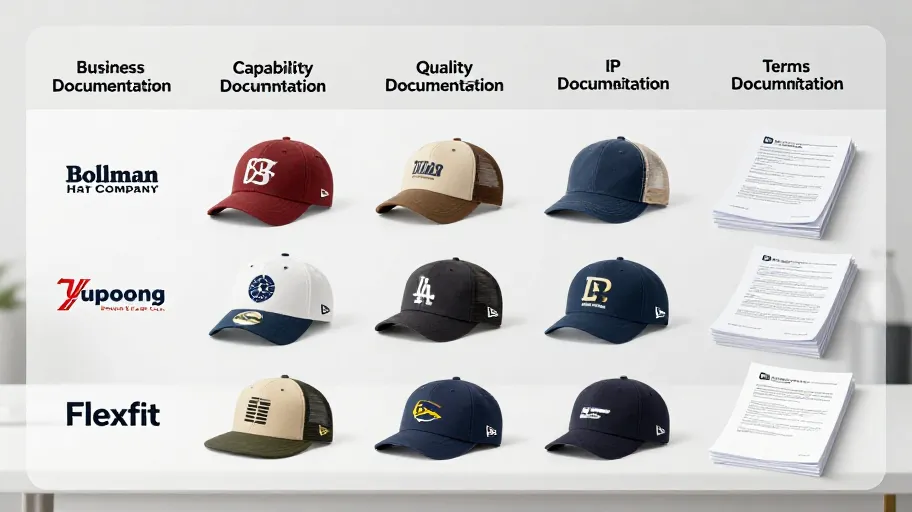
Comparing headwear manufacturers is less about who quotes the lowest number and more about whose claims you can verify in writing. A documentation-first comparison scores every candidate OEM/ODM supplier on the completeness of their business, capability, quality, IP and terms documentation before you weigh price or speed. This article gives you the framework, a decision table and the exact approval questions to send.
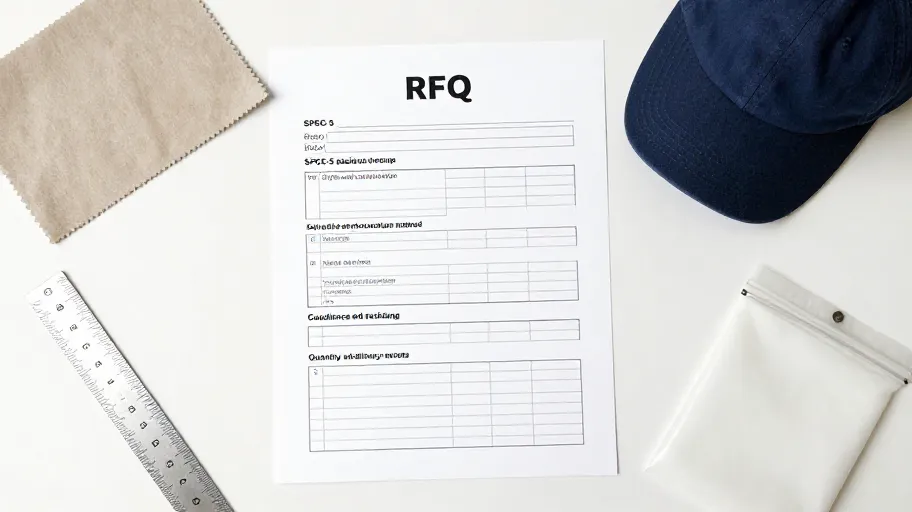
Before issuing an RFQ for custom headwear, settle five specification groups in writing: style and construction, embellishment method, materials, compliance and packaging, and quantity and delivery terms. The SPEC-5 Framework turns each group into a fixed input plus an approval question. Doing this before first contact makes quotations comparable and reduces costly clarification loops.

Are you looking for a reliable cap manufacturer that offers top-quality caps to enhance your style? Look no further! At newgeneration.hk, we are dedicated to providing the latest trends and designs in the world of caps. Whether you want a classic baseball cap or a stylish snapback, we have you covered.
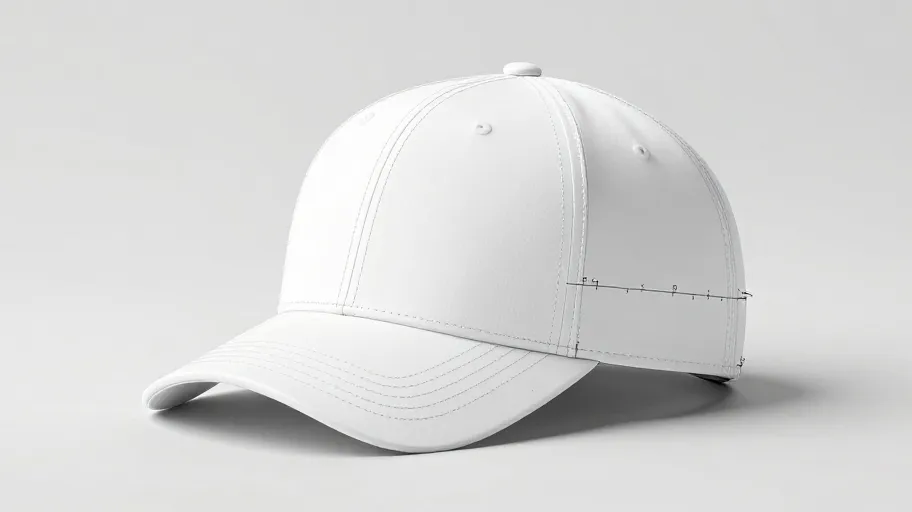
Launching headwear from overseas? A Beanie Tech Pack turns vague ideas into precise manufacturing instructions. Skip the guesswork, avoid remakes, and get it right the first time—especially when working with cap manufacturers in China.
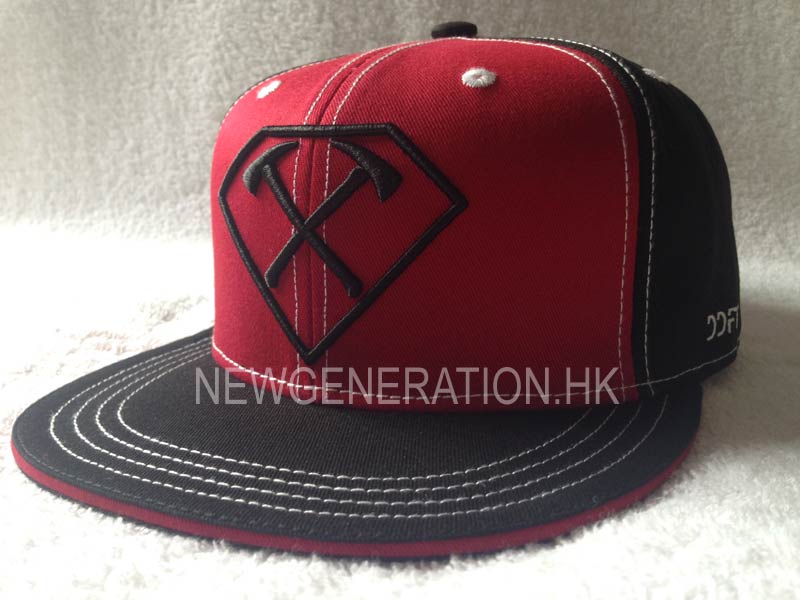
It starts earlier every year. By mid-November, Various regions are engulfed by dazzling lights, Mariah Carey on repeat, and a collective, slightly panicked realization: it’s time to source corporate gifts. For B2B buyers, this annual ritual is fraught with pressure. You need something that expresses genuine appreciation, reinforces your brand, and—crucially—doesn’t end up in a landfill or a thrift store by January.
Enter the humble yet mighty personalized hat. When done right, it’s a home run. It’s useful, wearable, and acts as a year-round brand ambassador. When done wrong (think: itchy fabric, sloppy embroidery, one-size-fits-none), it becomes the physical embodiment of a missed opportunity—a gift that whispers, “We didn’t put much thought into this.” In the season of giving, a poorly executed gift can subtly communicate the wrong message. This year, let’s explore how partnering with an expert cap manufacturer can transform your holiday customized hats from a procurement checkbox into a celebrated brand moment.
The Festive Pitfall: Why Most Corporate Gifts Get Regifted
Before solving the problem, we must diagnose it. Why do so many well-intentioned gifts miss the mark? The issues typically aren’t about budget, but about process and partnership.
The Last-Minute Scramble: Sourcing in December means competing with every other business, leading to rushed production, limited options, and premium rush fees.
The Generic Approach: A generic gift (a standard logo on a standard cap) feels impersonal. In an era where consumers expect personalization, a one-size-fits-all gift feels transactional, not thoughtful.
The Quality Compromise: To meet tight deadlines and budgets, quality is often the first casualty. Flimsy materials and hasty embroidery create a gift that feels cheap, inadvertently reflecting poorly on your brand’s perceived value.
A true cap factory partner helps you avoid these pitfalls by bringing strategy and foresight to what is often a reactive process.
Section 1: Designing a Gift That’s Actually Wanted (Beyond the Logo)
The magic of a great personalized hat lies in the details that transcend the corporate logo. This is where hat design shifts from simple branding to emotional connection.
Elevating Personalized Beyond a Name: Consider subtle personalization that adds value. This could be an embroidered initial on the side, the recipient’s start year stitched inside the brim, or choosing a hat style (like a classic baseball cap or a trendy customize buckets hat) that suits your company’s culture and demographic.
The "Unboxing Experience" Matters: The presentation is part of the gift. A cap manufacturer focused on gifting can advise on branded packaging—a reusable tin, a drawstring bag, or a box that makes the gift feel special from the first glance.
Fabric as a Feature: For a winter holiday gift, the tactile experience is key. Suggesting premium materials like brushed cotton, merino wool blends for fisherman beanies, or soft brushed twill elevates the gift from promotional item to premium apparel.
Section 2: The Logistics of Holiday Cheer: Timing is Everything
If your gifts arrive on December 26th, the sentiment is lost. Reliability is the cornerstone of a successful holiday program.
The Q4 Realities: A professional cap manufacturer knows that the holiday production calendar starts in early fall. They will provide you with firm, realistic cut-off dates for guaranteed pre-Christmas delivery and advocate for planning ahead. The best time to plan your 2025 holiday gifts? January 2025. The next best time? Now.
Transparent Tracking & Staggered Delivery: For large orders destined for multiple offices or client locations, your partner should manage complex logistics seamlessly, providing tracking and ensuring all gifts arrive within a tight, coordinated window.
Section 3: The ROI of Thoughtful Gifting (It’s Not Just Goodwill)
While sentiment is primary, the strategic business value of high-quality corporate gifting is measurable.
Employee Morale & Retention: A thoughtful, high-quality gift shows employees they are valued. It’s a tangible piece of company culture they can wear, fostering pride and belonging.
Client Loyalty & Brand Reinforcement: For clients, a useful, well-made gift keeps your brand top-of-mind in a positive way. Every time they wear your customized hat to the gym or on the weekend, it’s a passive, authentic endorsement.
Marketing Amplification: In the social media age, people share what they love. A unique, stylish personalized hat has a high chance of appearing in personal photos, extending your brand reach organically.
Make Your Brand the Gift They Remember
This holiday season, move beyond the stress of last-minute sourcing and the disappointment of generic presents. By partnering with a cap manufacturer that understands the nuances of B2B gifting—the need for strategic hat design, impeccable quality, and flawless logistics—you do more than check a box.
You create a memorable brand experience. You give a gift that is kept, worn, and appreciated long after the holidays have passed. You demonstrate a level of care that resonates deeply with employees and clients alike, strengthening those crucial relationships for the year ahead.
Ready to Be the Hero of This Holiday Season?
Don’t let another year end with a last-minute gift scramble. Partner with New Generation, the cap factory that brings foresight, quality, and strategic creativity to your corporate gifting program.
It’s Tuesday. The Monday momentum has settled, the week's to-do list is fully revealed, and the real work begins. In offices, warehouses, and retail floors across the country, teams are digging in. This is where culture is built—not in mission statements, but in the day-to-day. And right now, one of your most powerful culture-building tools might be sitting, forgotten, on a shelf: your customized hats program.
Forget the generic giveaway. In 2026, a strategic partnership with the right cap manufacturer is about engineering team identity and operational cohesion. It’s a tangible solution to the silent Tuesday challenges of belonging, alignment, and pride. A well-executed hat design isn't an apparel choice; it's a leadership tool.

Published: 08 May 2026 — I've been sourcing headwear and cut-and-sew accessories from China for 14 years. So trust me when I say this: sourcing caps without a tight spec is the fastest way to burn $15,000 and four weeks of your launch window. I've seen it happen twice this year alone. The cap manufacturers china ecosystem is massive—some factories are world-class, others will substitute your twill the moment you stop watching. The difference between a flawless 5,000-unit drop and a warehouse of regrets isn't luck. It's a properly built hat tech pack and the stubbornness to ask every stupid question before the machines start running.
For B2B buyers, the process of sourcing customized hats is fraught with unseen pitfalls. What begins as a simple procurement task—creating branded apparel for corporate events, sales incentives, or retail merchandise—can quickly devolve into a cycle of disappointing samples, miscommunication, and delayed timelines. The core issue often lies not in the idea, but in the partnership. Choosing the wrong cap manufacturer can turn a strategic brand investment into a logistical headache, where the final product fails to reflect your company's quality and vision.
This article cuts through the common frustrations of B2B headwear sourcing. We'll explore the critical challenges in hat design and production, and outline how a specialized cap factory partnership transforms this process from a cost center into a reliable brand amplifier.
A complete tech pack slashes miscommunication between designers and cap manufacturers by over 65%. Learn how exact specs prevent costly errors in headwear production—before you order your next batch.
In today’s global marketplace, businesses are constantly seeking high-quality, customizable products that can elevate their brand identity and help them stand out from the competition. For many B2B buyers, customized hats and unique hat designs are not only a means of personalizing merchandise but also an essential part of marketing and brand recognition. However, navigating the complexities of sourcing, manufacturing, and customizing hats at scale can present significant challenges. In this article, we’ll explore how a reliable cap manufacturer and cap factory can address these challenges, offering tailored solutions for businesses worldwide.

Cap factories are cutting errors by up to 70%—not with new machines, but with better blueprints. Hat tech packs are redefining how snapbacks get made, one stitch at a time.
In today's fast-paced market, standing out is crucial for any business. As a leading cap manufacturer, New Generation understands the importance of unique branding. One of the most effective ways to achieve this is through creativity customized hats and custom sports caps. But how exactly can these personalized products elevate your brand? Let’s explore the transformative power of custom headwear in enhancing brand visibility and customer loyalty.

In today’s fast-paced B2B world, businesses are continuously looking for new ways to stand out from the competition and connect with their target audience. One powerful way to do this is by offering customized products that reflect the uniqueness of your brand. Custom sports caps and personalized hats are some of the most effective promotional tools that can help elevate your brand identity. But how exactly can these products help transform your brand’s visibility?

In an increasingly competitive marketplace, differentiating your brand and capturing attention can be a daunting task. One powerful strategy for enhancing brand visibility is leveraging custom sports caps. But how exactly can custom sports caps from a leading cap manufacturer make a significant difference for your brand? At New Generation, we specialize in creating high-quality, customized hats that not only meet but exceed your branding expectations. Here’s how our expertise can elevate your brand and make a lasting impression.
A leak-proof package results when a cap manufacturer converts application torque into sustained liner compression that exceeds the product’s internal pressure and remains stable through filling,…
A Portland, Oregon headwear brand cut average order-to-receipt lead time from 112 days to 65 days between November 2022 and April 2023, a 42% reduction, after replacing four vendors with one…
For cap manufacturers, recording the right fit data isn’t just about QA—it’s about survival. Get it right, and you slash returns, win retailer trust, and boost margins. Miss a detail, and a single batch can cost hundreds of thousands. Here’s what actually matters.
Top cap manufacturers in China don’t just make hats—they engineer reliability. From fiber to finished product, precision cuts lead times by up to 40% and slashes defect risks for global brands.

Chinese GRS-certified cap manufacturers are quietly rewriting the metrics of eco-friendly procurement. By linking verifiable post-consumer recycled plastic with highly integrated automated production, they are no longer just helping global clothing brands tick an ESG box—they are systematically reducing landed costs, short-circuiting heavy customs audits, and driving real information gain for retail portfolios.
Published: May 18, 2026 | Sourcing & Compliance Insights | 8 min read
Why sustainable headwear manufacturing is now a business requirement
Sustainable headwear manufacturing isn't a marketing trend. It's an survival requirement for apparel brands entering the EU and North American retail spaces this year.
If your brand is still sourcing hats via unverified middlemen or uncertified cut-and-sew workshops, you are actively accumulating supply chain liability. Trim and bill accessory waste accounts for up to 60% of total textile discards during traditional headwear production. When regulatory bodies crack down on greenwashing, raw paperwork failures can halt an entire seasonal product drop at the port of entry.
The Global Recycled Standard (GRS) acts as an audit-ready shield. It tracks the exact lifecycle of a plastic bottle from a sorting facility right into the high-tenacity yarn running through a computerized embroidery machine. This degree of tracking is mandatory now that the EU’s Ecodesign for Sustainable Products Regulation (ESPR) is moving into its enforcement phase, requiring a digital product passport for consumer goods by 2030.
What "GRS-certified" actually means for your cap supply chain
A genuine GRS certification is a rigorous, node-by-node chain of custody verification. It means every vendor in your billing loop—from the re-granulation facility to the final cap factory—undergoes unannounced third-party inspections regarding water treatment, social working conditions, and strict chemical restrictions (zoning out harmful phthalates and heavy metals).
Using premium recycled polyester filament directly influences the structural integrity of your headwear line. This material profile reduces microplastic shedding during manufacturing by up to 30%, while requiring roughly 59% less processing energy during the critical jet-dyeing stage compared to virgin petroleum-based polyester fabrics.
A specialized outdoor technical brand based in Gothenburg, Sweden, learned this lesson the hard way when trying to scale their five-panel running cap line. Lars, the lead apparel developer at that Gothenburg outfit, told me over WhatsApp: "We wasted weeks and over €12,000 on compliance re-tests because the fluorescent dye bled into the sweatband under simulated weather exposure with our old supplier. Your Dongguan team locked down the rPET polymer formulation and high-temperature dye-fixing cycle on the very first sample strike-off." The final technical sheet showed a 22% drop in per-unit dyeing energy surcharges and a flawless grade-4 color fastness rating under independent lab testing, saving their entire summer margin.
Real case: How an Antwerp fashion brand handled an aggressive customs audit
I remember accompanying Marc Vandenberg, the sourcing manager for a premium Antwerp streetwear label, during a frantic late-night factory walkthrough in Dongguan back in November. He was staring at 35,000 structured snapbacks stacked on our shipping pallets, completely pale-faced, and told me flat out: "If these boxes don't clear Belgian customs by next Tuesday, our entire winter retail drop is completely dead and my shelf space is gone." To be completely honest, that batch of cargo almost went down the drain. Their previous European trading broker had handed them incredibly sloppy, fragmented paperwork, and Antwerp port authorities caught a major sustainability tracking discrepancy in the internal panel stiffeners. I spent three hours with our factory director pulling up the raw chemical logs, the original re-granulation batches, and historical yarn invoices right there on his laptop to build a bulletproof documentation package from scratch. We mapped out the GRS certificates for every single component down to the sewing threads. You can read the step-by-step breakdown of how we bypassed this crisis in our full customs mitigation strategy. The factory director's original words to Marc that night stayed with me: "If we build the cloth here, we own the data. If you buy from a middleman, you buy a ghost." That is the cold reality of modern supply chain security.
At the end of the day, you simply cannot move fast enough to protect your retail contracts during a customs dispute if your supplier continues to rely on scattered trading brokers and dynamic spreadsheets.
What separates the best Chinese cap factories from the rest
Many workshops claim GRS compliance, but few possess the industrial infrastructure to maximize its cost benefits. The critical differentiator is vertical integration.
The vast majority of small-scale cap factories sub-contract out their panel cutting, high-density embroidery, eyelet punching, and final block-shaping to different workshops spread across a province. This fragmented structure creates extended lead times, introduces compounding transit emissions, and completely destroys quality control consistency.
The top tier of cap manufacturers eliminate this structural fragmentation by keeping yarn-weaving, computerized laser-cutting, multi-head embroidery machines, and specialized steam-blocking shapes inside a single integrated facility. By controlling the entire manufacturing loop under one roof, these producers eliminate secondary logistics markups and slash standard production lead times from 55 days down to 35 days.
A major corporate apparel buyer out of Rotterdam utilized this exact integrated framework last season to secure 120,000 custom unstructured dad hats. Because the entire manufacturing process was fully contained within a single Dongguan factory floor, they managed to implement a mid-run design alteration to their hat tech pack without halting the main assembly line, receiving the complete volume three weeks ahead of schedule.
| Operational Metrics | Sub-Contracted Workshop | Integrated GRS Cap Factory |
|---|---|---|
| Standard Turnaround (10k units) | 45-60 Days | 30-40 Days |
| Water Usage Matrix | Standard Baseline | 40% Circular Savings |
| Data Ledger Type | Paper Records / Static PDFs | Blockchain-Verified Ledger |
| In-House Embroidery Cap | None (Outsourced) | Full Multi-Head Array |
| TC Generation Lead Time | 3-4 Weeks | Under 72 Hours |
How to audit an eco-headwear partner: Five technical questions
Look, forget the glossy slide decks and the fancy showroom tea. When you are on a cross-border screening call, you need to corner prospective Chinese cap manufacturers with these exact technical questions to separate real operators from basic trading companies:
- "Does your GRS scope certificate explicitly cover the specific process needed for our hat style?" A factory might hold a certificate for fabric weaving but lack the specific certification for final garment assembly or commercial screen-printing. Request the complete document, not just the cover page.
- "Can you provide the raw material Transaction Certificates (TCs) for your last three production runs?" If they delay or make excuses, they are likely sourcing unverified stock fabrics from the open market and wrapping them in generic eco-labels.
- "What is your factory’s policy on mono-material construction for circular design?" True high-performance partners can produce a cap where the main fabric, sewing threads, sweatband, and closure buckle are constructed from 100% recycled polyester. Reviewing our technical mono-material design framework will show you how this specific alignment simplifies end-of-life recycling and lowers your brand’s future Extended Producer Responsibility (EPR) tax liabilities in Europe.
- "Do you operate an in-house laboratory for testing color fastness and physical deformation?" Factories that rely on external testing facilities slow down your sample iterations and increase the risk of batch variance during mass production.
- "Can we conduct an unannounced virtual factory floor walkthrough via live video within the next two hours?" A genuine, high-volume production facility will gladly show you their assembly lines, while middleman brokers will constantly try to reschedule to hide their lack of infrastructure.
Your concrete supply chain checklist for this week
Skip the broad strategic meetings. If you want to protect your Q3 drops, have your sourcing team complete these three specific actions before Friday closes:
- Execute a Document Stress-Test before 3 PM today — Send an urgent email to your active cap suppliers. Demand the official GRS Scope Certificate (SC) and the Transaction Certificates (TC) for your highest-volume SKU. If they cannot produce these documents within 3 business days, immediately hold further purchase orders and freeze balance releases.
- Redesign for Mono-Material Prototyping by this Thursday — Pull one upcoming cap design from your development pipeline. Adjust your tech specifications to eliminate mixed materials. Replace standard nylon snap closures with 100% rPET buckles, and submit the file to an integrated cap factory to benchmark sample quality against your current baseline.
- Submit Your Pilot Request before getting off work on Friday — Drop our engineering team a line with your current landed cost sheets. Identify how much you are spending on secondary shipping fees, customs delays, and sample iterations, and we will map out a precise compliance comparison for your procurement team.
FAQ: GRS-Certified Cap Manufacturers
What is the realistic minimum order quantity (MOQ) for custom GRS-certified headwear?
While basic trading companies mandate massive minimums to justify fabric sourcing, a vertically integrated cap factory in Dongguan can frequently handle custom rPET styles at an MOQ of 300 to 500 units per colorway. This is achieved by maintaining rolling stocks of certified raw materials in-house.
How can my compliance officer verify if a supplier’s GRS certificate is authentic?
Take the unique license number listed on the document and input it directly into the official Textile Exchange centralized registry. If the factory name, geographic location, or process capabilities do not match the database exactly, the certificate has been modified or falsified.
Does GRS tracking cover packaging materials and internal cap labeling?
Standard GRS certifications apply specifically to the textile elements of the cap. For complete sustainable compliance, you must explicitly instruct the manufacturer to utilize FSC-certified hangtags and biodegradable rPET polybags for unit packaging, ensuring the complete presentation satisfies regional anti-waste laws.
Is there an immediate premium on rPET cap production compared to virgin polyester?
On a raw material basis, GRS-certified yarn carries a minor 8% to 12% upcharge. However, when you consolidate production within a fully integrated facility, the efficiency gains—such as 22% lower dyeing costs and the complete removal of middleman markup—frequently bring the final unit cost down to parity with traditional, non-sustainable options.
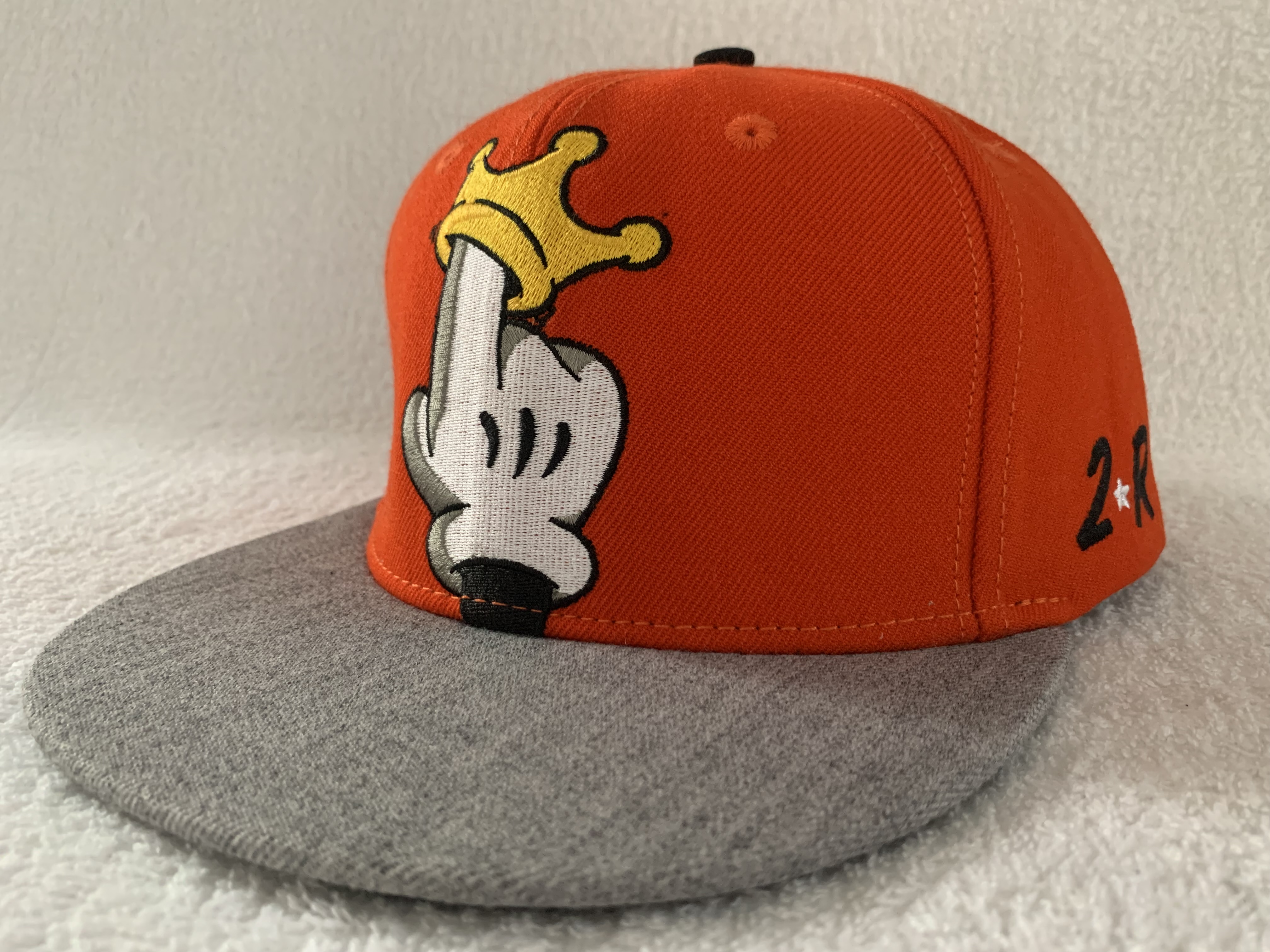
UK streetwear brands are ditching risky bulk orders and turning to low MOQ custom snapback factories in China to launch faster, cheaper, and smarter. Here’s how they’re rewriting the rules.
UK streetwear brands are now launching custom snapbacks with MOQs as low as 50 units—thanks to agile factories in China. No more inventory overload. No six-month waits. Just fast, affordable headwear that sells.
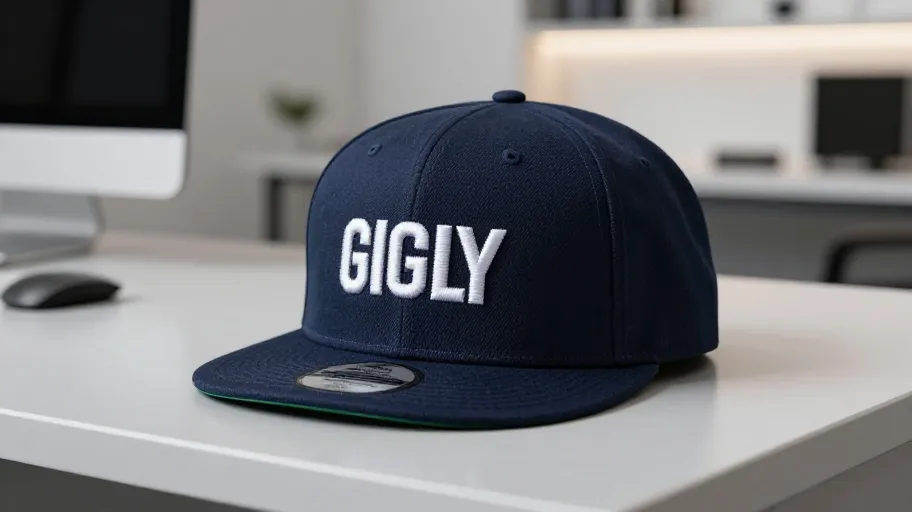
UK brands are ditching bulk orders and embracing agile production. MOQs as low as 50 units mean less risk, faster launches, and smarter growth—all powered by a new wave of specialized cap manufacturers china partners.

UK streetwear brands are launching custom snapbacks with just 50 units—thanks to agile cap manufacturers. This shift minimizes capital tied up in deadstock, mitigates upfront financial risk, and translates micro-trends into retail-ready products in weeks, not months.
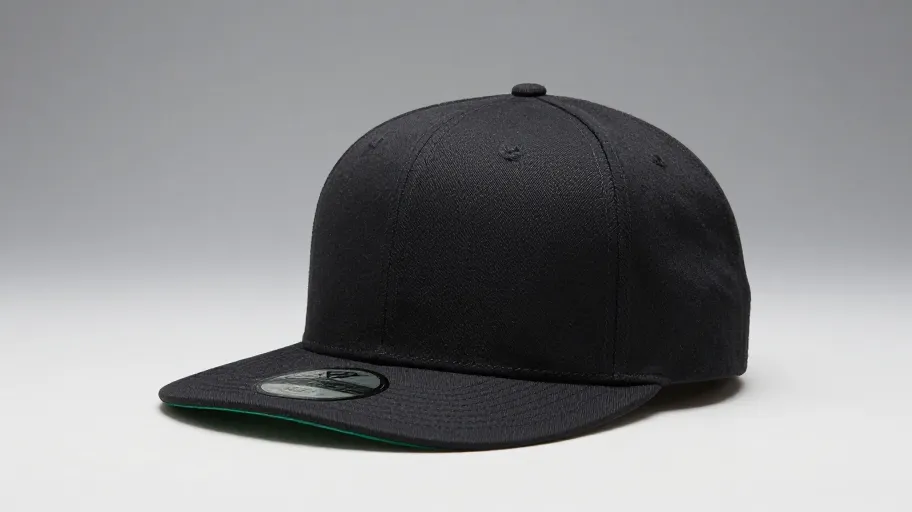
UK streetwear brands are ditching bulk orders and betting on agility. Chinese cap manufacturers with low MOQs now let designers launch custom snapbacks with just 50 units—cutting startup costs by up to 70% and slashing time-to-market from months to weeks.

Last Updated: May 14, 2026 | First published: March 2024
Low MOQ Custom Snapbacks from China: A UK Streetwear Guide (2026)
UK streetwear labels are ditching bulk orders and embracing custom snapback production from China with MOQs as low as 50 units. This shift slashes upfront costs by up to 70% and turns headwear into a test-and-learn growth tool—no more deadstock, no more guesswork.
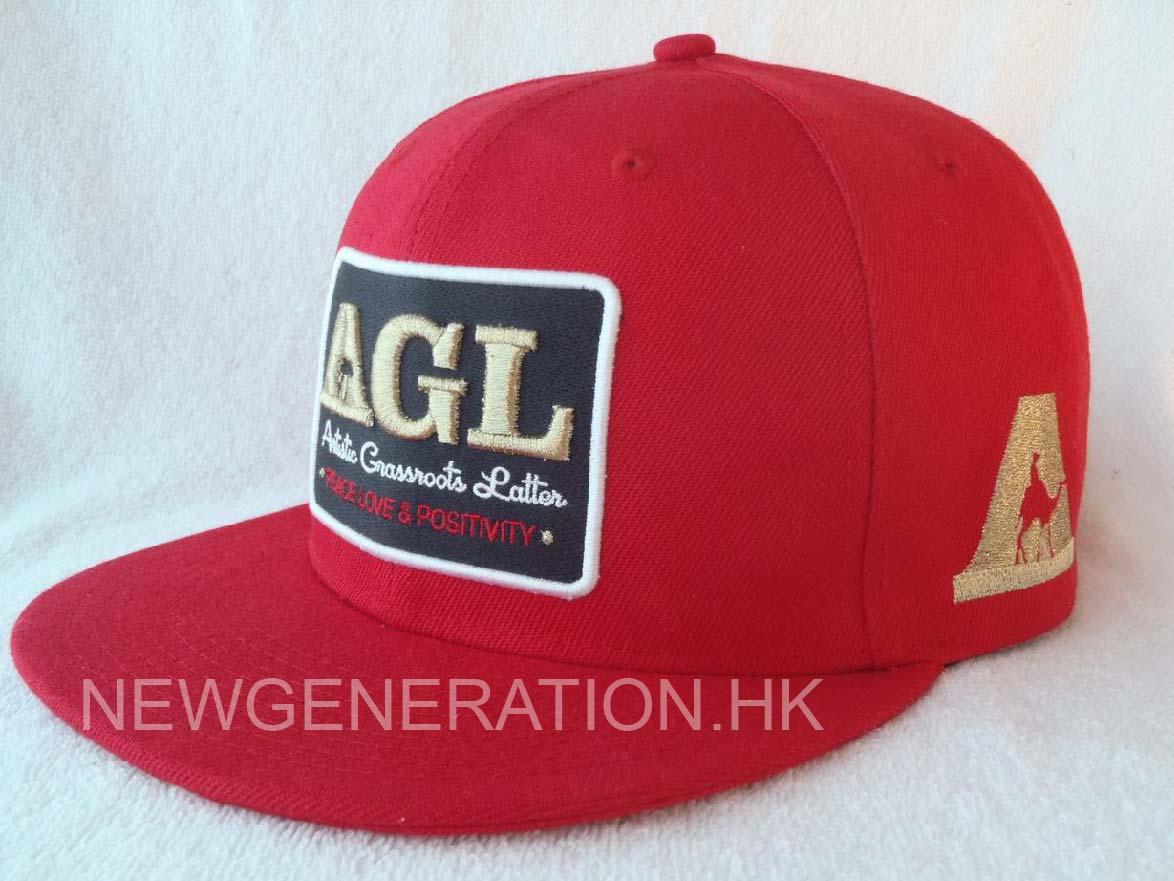
UK streetwear labels are launching bold new caps faster and cheaper by partnering with Chinese factories that accept orders as small as 50 units. No more warehouse full of unsold hats. Just real sales, real data, and real margins.

UK streetwear labels are ditching inventory bloat and launching faster than ever. MOQs as low as 50 units from agile Chinese factories mean less risk, sharper drops, and real-time response to culture—not just fashion cycles.
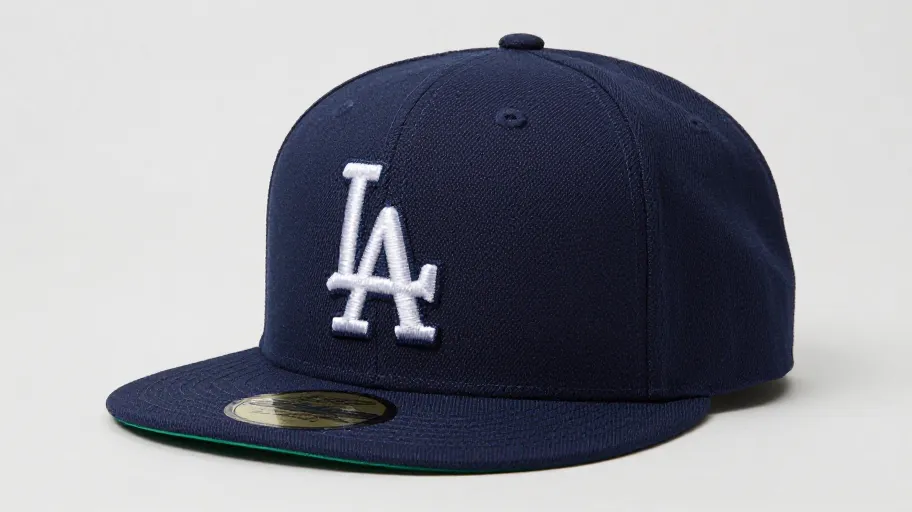
UK brands now access custom snapbacks from China with MOQs as low as 50 units. This shift cuts costs, slashes inventory risk, and accelerates launches—turning headwear into a strategic brand tool.

In 2024, Swedish outdoor brand Vind was gearing up to launch a UV-protective cap line across Southeast Asia. They had the design, the distribution, and the retail slots booked. What they didn't have was a fabric that could pass EN 13758 certification without looking like a swimming cap. Three European textile mills told them it would take 14 weeks and cost €6.80 per meter. Their custom cap manufacturers in Dongguan didn't source a fabric. They developed one.
Within four weeks, the factory's in-house textile lab had prototyped a polyester-cotton-modal blend that passed EN 13758, wicked moisture at 4.2 seconds on the AATCC TM135 test, and cost €3.40 per meter. Vind launched on time. The fabric is now in its third season. That's not "cheap labor." That's engineering infrastructure that most brands never bother to access—because they never send a proper hat tech pack that signals they're serious.
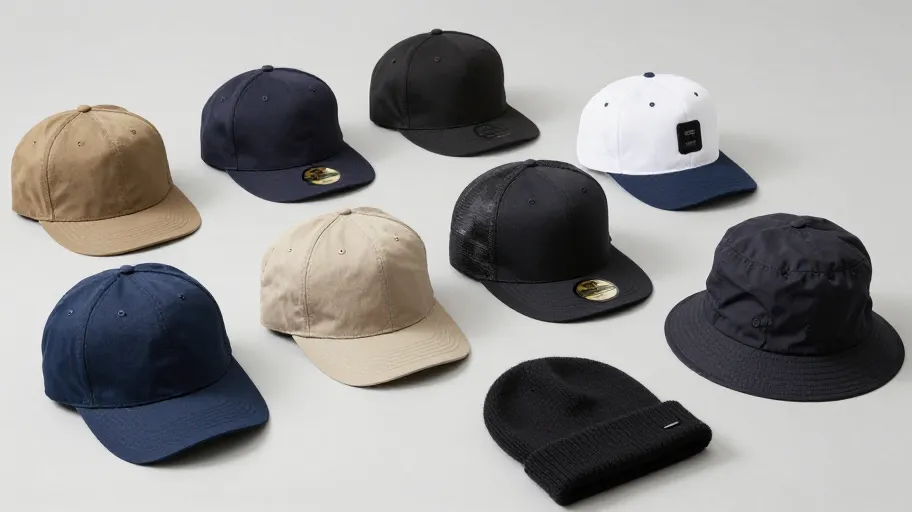
Top hat manufacturers in China aren’t just stitching caps—they’re engineering compliance. Fabric stability and classification precision now drive global headwear supply, cutting delays and protecting brand image. Here’s how.

Choosing between 5-panel vs 6-panel caps isn’t just about style—it’s a sourcing superpower. Get it right, and you’ll slash sampling waste by up to 40%, align faster with cap manufacturers, and hit retail shelves weeks earlier.
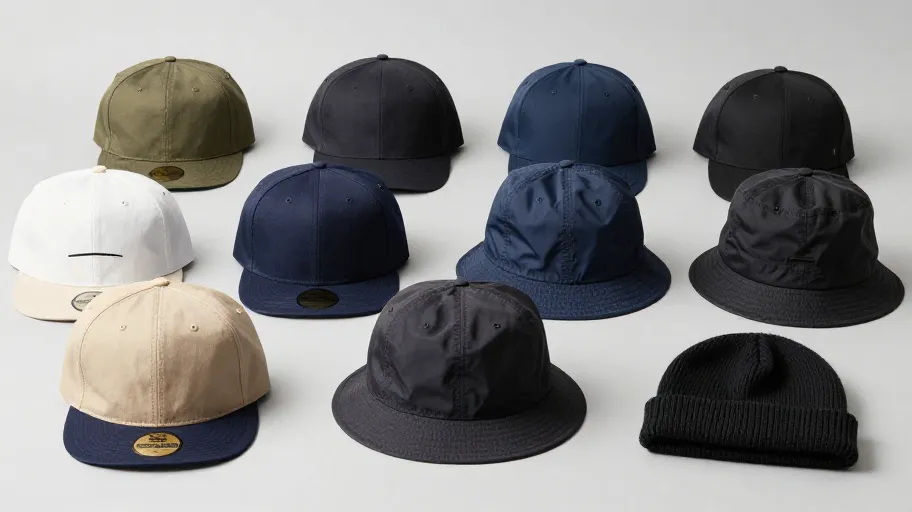
Misaligned brims, inconsistent stitching, late deliveries—sound familiar? Hat tech packs fix the root cause: unclear communication. See how structured specs boost precision, cut costs, and scale brands predictably.
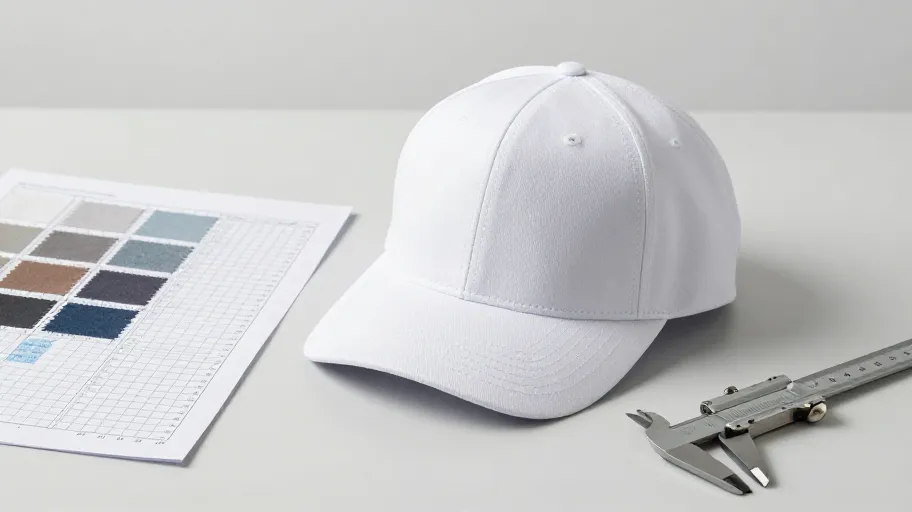
A complete, standardized tech pack cuts production errors by up to 70% when handing off approved samples to cap manufacturers. This reduces rework costs, accelerates time-to-market, and ensures brand consistency across global factories.
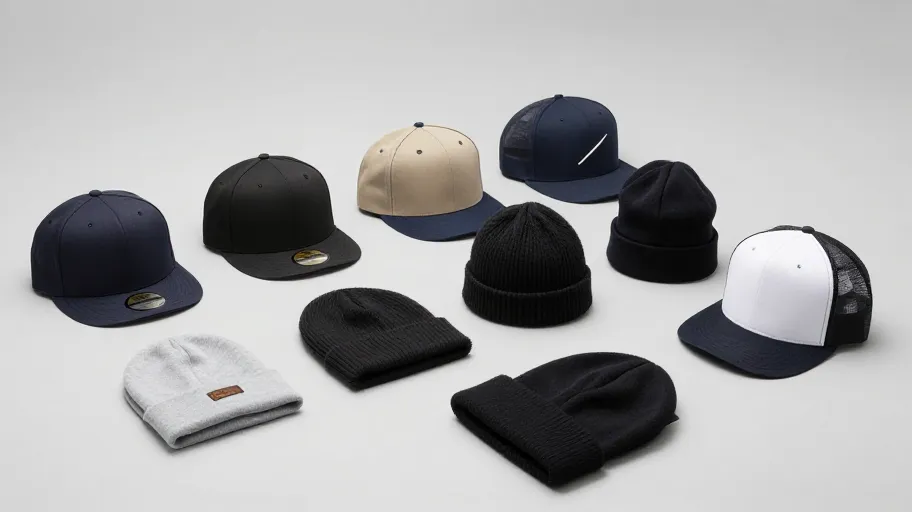
A clear baseball cap tech pack slashes sampling rounds and speeds time-to-market. We’ve seen brands cut rework costs by up to 50%—just by sending the right specs upfront. Here’s how to get it right.
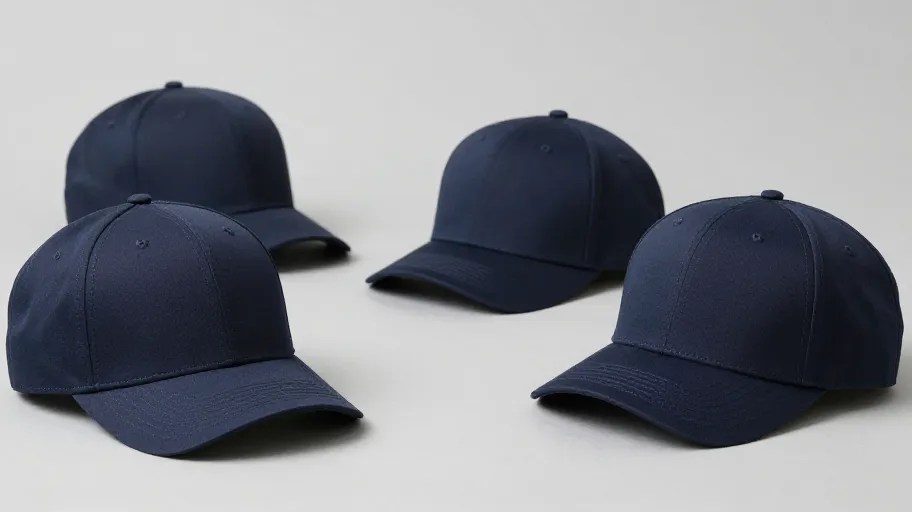
A complete tech pack means fewer reworks, faster sampling, and better margins. Missing details? That’s how brands lose weeks and tens of thousands. Here’s what actually works when sourcing caps from China.

A precise hat tech pack is the single most effective tool to ensure production accuracy and speed when working with headwear manufacturers in China. Brands that standardize their documentation cut sampling time by up to 50% and reduce rework costs significantly.

The Definitive Hat Tech Pack Guide for Professional Brands
Published: May 28, 2026 — by New Generation Production Team
A hat tech pack is a production blueprint that tells cap manufacturers every detail of how to build your design — stitch sequence, panel order, brim flex tolerance, crown height, bill of materials, everything. Without one, you're not outsourcing production. You're outsourcing interpretation.
Most brands find this out the hard way. A six-week delay, a $187,000 rework bill, a retailer that drops you because the quality across two batches doesn't match. The fix isn't more CAD files or longer email chains. It's a tech pack that actually explains how to build what you designed.