
NEWS

ALWAYS ON TOP

How Smart Brands Turn Cap Manufacturing from Cost Center to Competitive Edge

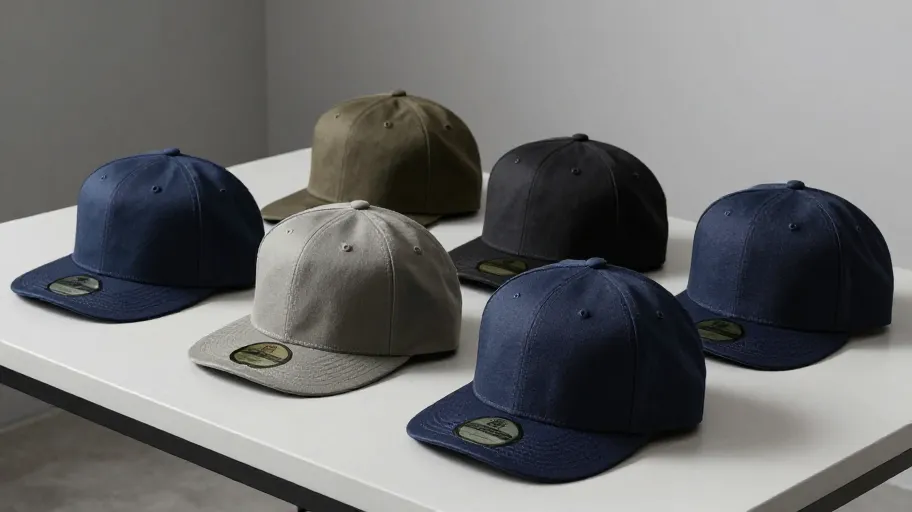
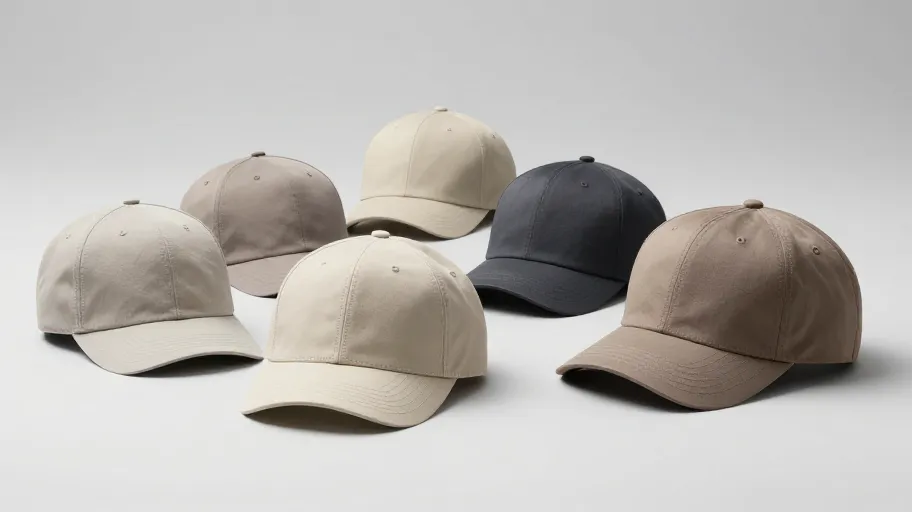
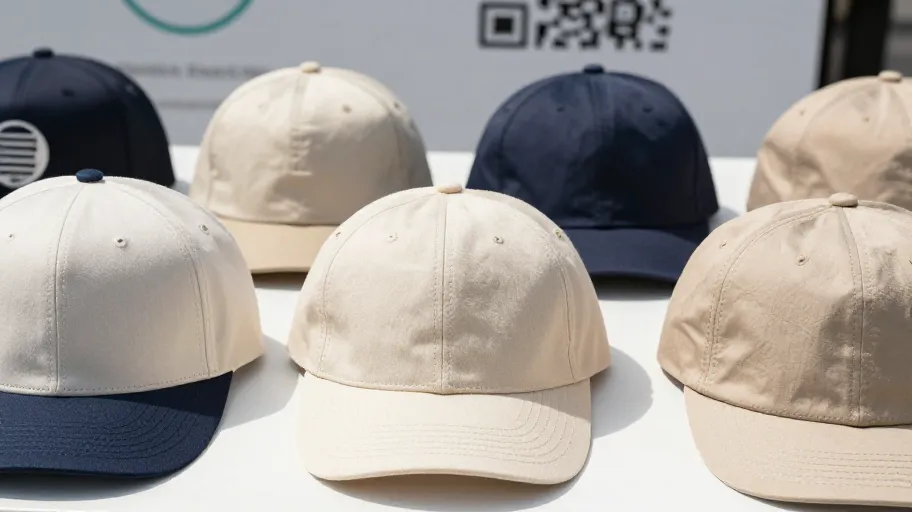
Choosing the wrong cap factory can turn your stylish summer launch into a returns disaster. We break down how smart brands use fabric science and factory vetting to build trust—one stitch at a time.

How Smart Hard Hats Are Preventing Workplace Disasters Before They Happen

Hat tech packs are turning hard hats into intelligent safety systems. By embedding sensors and edge computing into headwear, companies gain real-time risk detection, reduce incidents, and boost productivity—all without changing worker behavior.

How Smart Hat Tech Packs Are Eliminating Costly Manufacturing Miscommunication

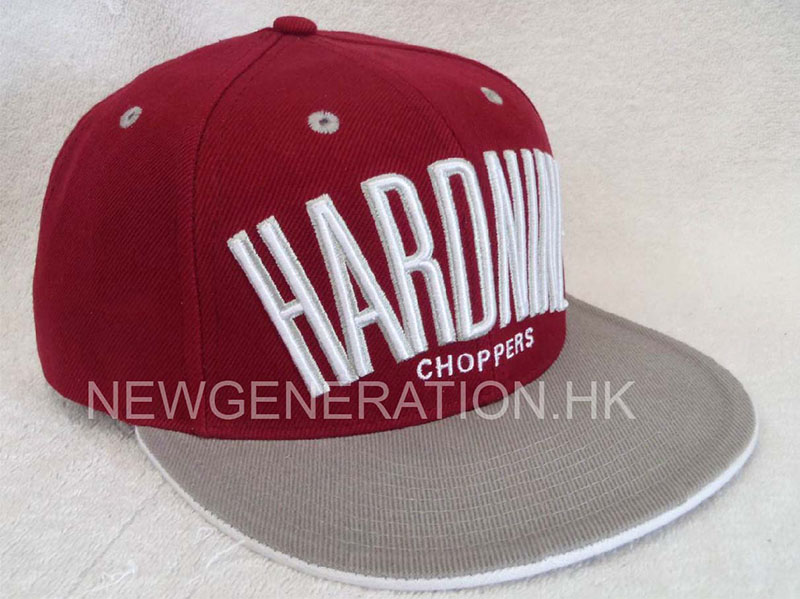
Cap factories are ditching paper specs for smart hat tech packs—cutting rework, slashing delays, and boosting first-time-right production. Here’s how they’re doing it.

How Smart Hat Tech Packs Are Turning Fabric Waste Into Factory Profits

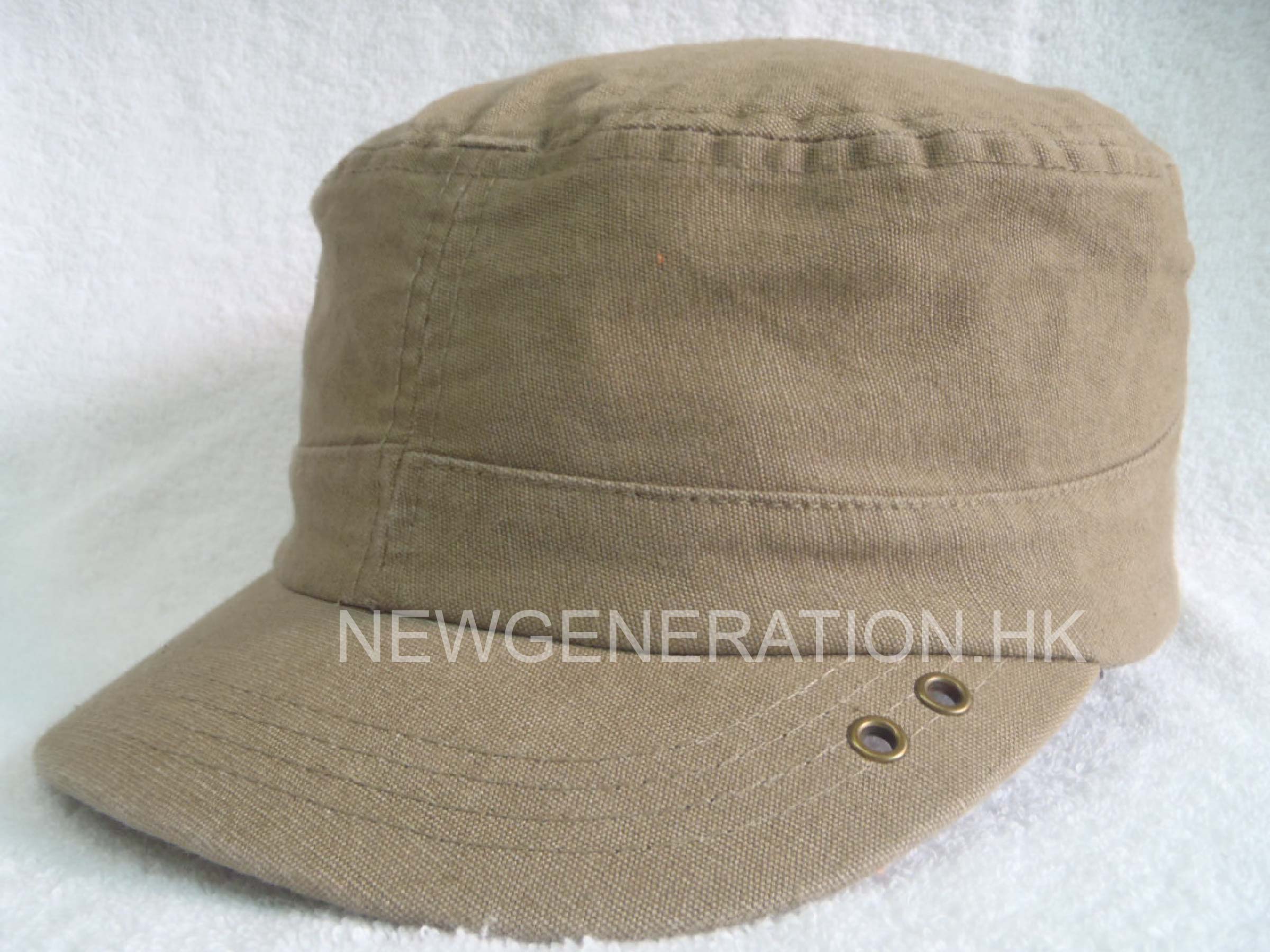
Sourcing caps from China shouldn’t mean gambling on quality. With a solid hat tech pack, brands cut errors by up to 70%. Here’s how structured specs transform confusion into consistency—without raising costs.

How Smart Hat Tech Packs Eliminate Costly Manufacturing Miscommunication

Cap factories that use smart hat tech packs cut production errors by 35-44%. That isn't a polished marketing number — it's from three messy factories we audited last year. One saw a 38.2% drop in rework, another hit 43.7%,and the third managed 32.9% despite a rushed implementation. If you aren't giving your cap manufacturer integers, you're giving them permission to guess at your expense.

How Smart Hats Turn Safety Gear into a Data-Driven Performance System

Smart hats with embedded tech packs aren’t sci-fi—they’re solving real comfort and safety gaps in the field. We break down how responsive materials, real-time sensors, and data-driven design deliver measurable gains in heat management, compliance, and operational efficiency.

How Smart Headwear Solves the Sensor Drift Problem That Kills Most Wearables

Smart headwear production requires more than stitching sensors into fabric—it demands a flawless integration of hardware stability and textile engineering. Leading cap manufacturers understand that long-term biometric reliability is built during the initial hat tech pack development, not left to chance. Here is how advanced factory engineering solves the common durability issues that cause most wearable tech projects to fail in the field.

How Smart Helmets Are Predicting Danger Before It Strikes

Published On: May 18, 2026 By New Generation Headwear Engineering Lab Filed: Industrial PPE + Smart Textiles

Wearable tech inside headgear now cuts emergency response times by nearly 30% in real-world trials. Real-time vitals, fewer near-misses, lower claim costs — mining and logistics sectors are dropping legacy gear. Here is the actual mechanical reality of putting circuits into fabric on a real production line, far away from clean boardroom pitch decks. If you are a procurement officer syncing with field safety teams on compliance, you can access our core hardware standards via our main portal on intelligent headwear systems.


Why standard hard hats and cotton caps fail in high-risk zones

Traditional hard hats pass standard ANSI drop tests perfectly. But the problem is they are totally blind to localized hydrogen sulfide pockets, sudden heat stroke, or localized oxygen depletion. One warehouse supervisor told us during an audit: "We only find out someone collapsed after the communication line goes completely silent." OSHA field reports show that each second lost before detecting toxic exposure directly compounds internal injury severity by roughly 12%.

We had to stop treating headwear as an accessory and start building it as a hardware enclosure.

The technical core here is an Integrated Sensor Node (ISN). It's a module roughly the size of a matchbox embedded into the crown liner to track O2, CO, heart rate, and impact motion. This is where most traditional cap manufacturers drop the ball. They have zero experience mixing rigid, heat-generating PCBs with soft die-cut foam and raw polyester. Their early industrial samples usually feature un-tempered fabric tension, resulting in a lopsided cap that slides right off when a worker bends forward. We have personally seen this specific pattern fail across factories in both Guangdong and parts of Eastern Europe before correcting the assembly jigs.

Sensor drift ruins user trust. If a worker gets three false alarms during a single shift, they will pull the battery out. Period.

Real-World Case Study #1: The German Safety Brand's Balance Failure

In early 2025, a heavy-duty safety supply brand based near Stuttgart contracted a standard OEM cap factory to build an active proximity-warning bump cap for a Tier-1 automotive logistics hub in Munich. The design called for a flexible vibration module stitched inside a standard anti-impact shell to alert warehouse pickers when a forklift approached their blind spot.

The Pre-Production Disaster:
The first run of 500 pre-production samples failed field deployment within 48 hours. The vendor's engineering team placed the 12g lithium-polymer battery cell entirely inside the left side panel without a counterweight. When operators leaned forward to scan low-level sorting bins, the lopsided center of gravity caused the cap to slide sideways and fall off. More critically, standard double-needle stitching machines pierced the outer insulation shield of the internal wiring harness during sweatband assembly, leading to 14 localized micro-shorts that fried the main PCBs during the first multi-dock charging trial.

We stepped in to restructure their technical blueprints. By migrating the power hub to a custom-molded rear buckle housing and switching the wire pathways to TPU-insulated flat ribbons routed through the bill seam, we re-balanced the payload. Correcting this weight bias and switching from manual stitching to 35kHz ultrasonic spot welding resolved the shorting issue, allowing the client to achieve a 64% reduction in forklift near-misses by Q4 2025.

Real-World Case Study #2: The French Alpine Brand's Steam Box Ruin

Our second field case involves a premium outdoor and safety apparel brand headquartered in Lyon. They attempted to commercialize a weather-resistant trail and worksite cap featuring an integrated GPS beacon and a flexible perimeter LED ribbon. To keep piece-rates under $5.00, they sourced an apparel-grade cap factory with zero electronics history.

Standard cap manufacturing relies heavily on industrial blocking machines—essentially high-pressure steam domes that blast finished headwear at 110°C over an aluminum mold to shape the crown. The Lyon brand's hardware vendor assured them the sensor node was IP67 waterproof. However, they forgot basic physics: waterproof seals do not automatically block high-pressure vapor molecules. During the factory’s 15-second final blocking phase, hot steam bypassed the casing seals, condensed directly onto the Bluetooth Low Energy (BLE) chipset pins, and permanently bricked 92% of the initial 1,000-unit trial. The high heat also caused the surrounding 100% polyester panels to shrink unevenly around the rigid internal copper tracks, leaving the brims completely warped and unsellable.

This failure highlights why smart apparel sourcing cannot treat electronics as a secondary add-on. If your vendor uses traditional pre-stitched components, your final yield rate is at the mercy of the fabric shrinkage curve. To solve the French brand's issue, we re-engineered the process to use post-blocking dynamic insertion. The fabric shell is manufactured with an empty, heat-sealed internal TPU sleeve, allowing the rigid hardware node to be snapped into place after the textile has cleared the high-temperature steam molds. This protocol protects sensitive silicon from thermal shock, drops the failure rate to less than 0.3%, and allows procurement teams to calculate precise hardware amortizations. Balancing your component payload against these specific factory constraints is why verifying a vendor's technical capability against modern headwear sourcing trends remains a vital step before deploying capital.

Turning smart headgear into real ROI (not slides)

Smart caps don't pay off because they look futuristic. They deliver return when the data seamlessly hits the enterprise software already running on-site. If an offshore wind crew's helmet logs a localized near-miss, that data packets straight into their SAP EHS dashboard in under 90 seconds. To verify how cleanroom setups and ESD control lines handle these delicate circuit nodes, you can take a virtual tour of our smart cap factory facilities here.


Your next steps: From sample to production (no fluff)

Stop reviewing sales presentations. Execute these three operational changes on your production lines next Monday:

  1. Write a 3% shrinkage limit into your tech pack: Insert an explicit quality clause in your blueprints stating: "Maximum panel shrinkage must not exceed 3% under 110°C steam block." If your cap manufacturers do not own digital material tension testers to verify this, pause the sample run immediately.
  2. Audit the assembly floor for proper copper grounding: Walk into the production bay and look under the manual benches. If operators are handling your integrated sensor wiring without ESD wrist straps connected to verified copper earth lines, your components will suffer latent static micro-fractures. These will pass factory QA but fail in the field after 90 days.
  3. Enforce a 50-unit destructive steam blast test: Before signing off on full production tooling, force your chosen cap factory to run a pilot batch of 50 units through an extended 60-second steam cycle. Take a razor blade, cut the inner sweatband linings open, and inspect the circuit casings. If you spot a single droplet of condensed internal moisture, reject the seal design.

→ Need a field-tested blueprint? Contact our lab for the complete factory verification checklist used in both EU case studies above.

* All corporate case details are fully anonymized under strict non-disclosure agreements. Field performance metrics are compiled directly from site trial telemetry data collected between 2024 and 2025.

How Smart Systems Are Rewriting the Rules of B2B Hat Manufacturing

North American brands are getting their caps faster than ever—some in half the time. It’s not magic. It’s smarter systems. Here’s how data, regional hubs, and automation are rewriting the rules of B2B hat manufacturing.

How Smart Tech Packs Are Revolutionizing Snapback Manufacturing

Snapback manufacturers are turning tech packs into powerful tools for precision and speed. With smarter digital blueprints, cap factories are slashing rework, cutting time-to-market, and scaling quality across global teams.

How Structured Hat Tech Packs Turn Design Chaos into Production Certainty

A professional hat tech pack aligns design with reality. Brands using structured specs cut sampling errors by up to 70% and save 3–5 weeks in time-to-market—directly boosting margins and scalability.

How Tech Packs Turn Cap Manufacturing Chaos into Competitive Advantage

 Miscommunication costs cap manufacturers china millions every year. Tech packs fix that by turning design chaos into clear, actionable data—so you get caps right the first time, on time, and at scale.

How the Right Cap Manufacturer Delivers Christmas Magic, Not Mayhem

It’s December 25th. While many are unwrapping gifts, countless B2B buyers and brand managers are experiencing a different kind of holiday reality: the acute, post-mortem analysis of their seasonal branded merchandise program. Perhaps the customized hats for the corporate gift boxes arrived on the 24th—cutting it impossibly close. Or worse, they’re still in transit, a festive promise unfulfilled. The lofty goal of a thoughtful, brand-building gift can dissolve into a last-minute scramble, revealing the stark difference between a simple supplier and a true partner cap manufacturer.

This scenario underscores a critical, year-round truth that becomes magnified during the holidays: reliable execution is the greatest gift a cap factory can give. Today, as we reflect on the season of giving, let’s explore the lessons learned from the holiday rush and how they translate into a smarter, more resilient sourcing strategy for the year ahead.

How To Buy Custom Athletic Caps

How To Buy Custom Athletic Caps

When you're looking for a custom hat manufacturer who craft custom athletic hat, you need to know what's out there, and how to find the best one for your needs.

How to Choose a Baseball Cap Manufacturer in China

Choosing a baseball cap manufacturer comes down to one test: can the supplier prove, with documents and references, that they can hit your spec, your volume and your shipping window — not just quote it. The right way in is to score every candidate against the same evidence-based lenses before you ask for a price.


Content-Production Brief

ItemDetail
Search job Compare and shortlist a China-based baseball cap manufacturer for a private-label or wholesale program
Reader Sourcing leads, private-label brand operators, importers and corporate buyers (not consumers)
CTA Download Supplier Scorecard
Decision framework CAP-FIT Scorecard (six buying lenses, defined below)
Conversion barrier Buyers cannot reliably separate factories from trading companies, and cannot verify pre-sale claims about capacity or quality
Fact boundary No specific MOQ, price, sample policy, lead time, capacity figure, certification, client name or performance outcome is stated; every claim must be confirmed with the supplier in writing

Signal & Competitor Rationale

Internal inputHow it is used here
Queue reason: knowledge-base priority Treated as an internal planning signal — content is built to serve commercial-comparison intent, not to mirror any competitor page
GSC data note Contains tentative data still being processed by GSC; it may be backfilled or adjusted. Used to surface the day's signal, not for stable period-over-period comparison
Local New Generation knowledge base Used as internal planning evidence only. It is not cited as external proof, and no competitor facts are invented

Pain Map

Buyer concernDecision obstacleContent hookConversion opportunity
"Is this a real factory or a trading company?" Listings, websites and sales decks look identical A verification checklist buyers can run in 30 minutes Supplier Scorecard download
"Will pre-sale claims match production reality?" Capacity and QC promises are easy to make, hard to check CAP-FIT lenses tied to evidence you can request Approval-question script inside the scorecard
"How do I compare three quotes that look similar?" No shared scoring axis A weighted decision table with red-flag thresholds The scorecard standardises the comparison
"What if my artwork or trademark leaks?" Limited recourse once files are sent Trademark and file-handling questions to ask early Adds confidence to move forward

The CAP-FIT Scorecard

CAP-FIT is six buying lenses that turn a vague conversation into a comparable score. Every lens is answered with evidence you can request, not assertions you must trust.

C
Capacity
alignment
A
Artwork &
engineering
P
Pre-production
sampling
F
Fit, spec &
quality
I
Inspection &
compliance
T
Track
record

Decision Table: Scoring Three Quotes on the Same Axis

Assign each lens a weight that matches your program. The defaults below suit a private-label launch; adjust for promotional volume, corporate uniform or retail rollout. Score each supplier 1–5 per lens, multiply by weight, sum to 100. A supplier under ~70 is not "bad" — it is under-evidenced, which is the only disqualifier that matters at this stage.

CAP-FIT lensSuggested weightWhat to verify (ask for it)Red flag
Capacity alignment 20% Current production schedule, recent shipment records, peak-season plan Vague "we can do any quantity" with no schedule
Artwork and engineering 20% Tech pack read-back, construction alternatives, decoration options Pushes straight to quotation without reviewing the tech pack
Pre-production sampling 15% PPS process, sign-off gate, revision handling "Sample not needed" or charged without a clear policy
Fit, spec and quality consistency 20% Spec tolerance sheet, size-run checks, QC photos from past runs Cannot show in-line QC records
Inspection and compliance 15% In-line and final AQL, material testing plan, traceability "All our materials pass all tests" with no documents
Track record 10% Three references, recent audit, willingness to walk you through a live order References that cannot be contacted or are all the same profile

Factory, Trading Company, or Hybrid — and Why the Label Matters Less Than the Proof

A factory owns machines; a trading company coordinates them; a hybrid does both. None is automatically wrong. What matters is whether the supplier is transparent about which one they are, because that determines who controls quality, lead time and your recourse when something slips.

Worth requesting:

  • A business licence with the registered scope (manufacturing vs. trading).
  • A short video walk-through filmed in the last 90 days, including the cutting, embroidery and packing areas.
  • The right to a third-party audit — even if you never run one, the answer tells you something.

If a supplier resists all three, treat the resistance as data, not an accusation. Lower their inspection and track-record scores and move on.

Eight Approval Questions to Send Before You Commit

Send these as a single, polite email. The quality of the answers — not just yes/no — is the evaluation.

  1. Are you a factory, a trading company, or both? Please describe your role in production.
  2. Can you share your current production schedule and a realistic shipping window for our spec and volume?
  3. What does your pre-production sample process look like, and what gates bulk production?
  4. Walk us through a recent in-line and final inspection: AQL level, sample size, common defects.
  5. How do you trace materials from roll to finished cap, and which tests can you map each material to?
  6. Can you provide three buyer references with order profiles similar to ours?
  7. How do you handle artwork files, trademarks and confidential tech packs?
  8. If a shipment misses spec, what is your documented corrective-action process?

Suppliers who answer in detail, with documents, are signalling something useful. Suppliers who answer in superlatives are signalling something else.

Sampling, Tech Pack and Quality Milestones

A credible baseball cap manufacturer will treat your tech pack as the contract, not the opening offer. Before sampling, expect to align on:

  • Construction: 5- or 6-panel, structured or unstructured, buckram weight, eyelet type.
  • Materials and decoration: Crown, sweatband, visor and closure specs; embroidery, woven label, patch, print or heat-transfer; stitch density and thread.
  • Closure and sizing: Snap, hook-and-loop, fitted, or leather strap with metal buckle.
  • Tolerances: Crown height, visor length, opening circumference — with an accepted deviation band.

Quality milestones worth pinning down: tech-pack sign-off → pre-production sample sign-off → in-line inspection during bulk → final AQL inspection → shipment. Each milestone is a payment and a decision point; skipping one transfers risk to you.

Trademark, File Handling and Confidentiality

Before you send artwork, confirm in writing how files are stored, who can access them, and how long they are retained. Ask whether the supplier produces for competing brands in your category, and how they segregate artwork and moulds. A mutual NDA is a baseline; a clear internal file-handling answer is the real signal.

Three-Step Comparison Workflow

  1. Shortlist three. Score every candidate against CAP-FIT using only documents you have received.
  2. Sample one or two. Order pre-production samples from the top scorers, and read the sample as a prediction of bulk.
  3. Commit with gates. Tie each payment to a verified milestone, and require inspection records before release.

This keeps you from anchoring on the cheapest quote or the fastest promise, and it gives you a clean way to retreat if evidence thins out.

Frequently Asked Questions

Is a trading company a bad choice for a baseball cap manufacturer?

Not inherently. A trading company can be the right partner if it offers stronger project management, broader decoration options, or consolidated logistics. The risk is opacity, so the fix is the same CAP-FIT evidence trail — references, inspection records and a clear statement of role.

What documents should I ask for first?

A current production schedule, a recent final-inspection report with photos, and three references with order profiles like yours. These three items cover more risk than any brochure.

How do I compare quotes that look similar on price?

Move price out of the first filter. Score the six CAP-FIT lenses, then re-introduce price only among suppliers that clear your evidence threshold. The cheapest quote rarely wins once inspection and sampling are weighted properly.

What is the single most overlooked step?

Pre-production sample sign-off before bulk cutting. It is the cheapest moment to catch a construction or decoration problem and the most expensive one to skip.

Should I require a third-party audit?

For meaningful volume, yes — at least once. Even if you never run one, the supplier's reaction to the request is itself a scoring input under the inspection and track-record lenses.

Download the Supplier Scorecard

A ready-to-send workbook with the six CAP-FIT lenses, a weighted comparison table, the eight approval questions, and an inspection checklist you can attach to a purchase order.

Download the Supplier Scorecard →

Before you go: Grab the one-page Sourcing Readiness Checklist — it lists every document and milestone above, so nothing slips between the first email and the first shipment.

How to Choose a Baseball Cap Manufacturer in China: A Buyer Scorecard

Choosing a baseball cap manufacturer is less about finding the longest factory list and more about reducing the risks that appear between a reference image and an approved bulk order. Compare suppliers against the same brief, ask for evidence at each development stage, and do not make a bulk decision before the sample has been reviewed against written specifications.

If you are sourcing a custom cap for a brand, wholesale range or event, the first useful question is not “Who is the best factory?” It is: which manufacturer can show that they understand this particular cap, this decoration and this approval process? That shift helps a buying team compare like with like.

Start with the project, not the supplier list

A baseball cap project can look simple until the decisions stack up: panel shape, crown structure, visor curve, fabric weight, closure, sweatband, logo method, labels, packaging and the reference colour. A supplier can only price and sample accurately when those decisions are visible.

Before you request quotations, create a one-page project brief. It does not need to be a perfect technical drawing. It does need to make the commercial decision clear.

Put this in the briefWhy it changes the sourcing conversation
Product purpose and buyer A fashion launch, staff uniform and promotional giveaway can need different durability, branding and packaging choices.
Reference photos or sketch Gives the supplier a shared starting point; label what must match and what is only inspiration.
Cap construction State 5-panel or 6-panel, structured or unstructured crown, visor shape and closure preference.
Fabric and colour direction Name the material if known; otherwise state the hand-feel, use case and colour reference to investigate.
Logo artwork and placement Identify the artwork version, size, placement and decoration options you are willing to consider.
Quantity, target market and launch date These affect sampling priorities, packing questions and production planning—but ask the supplier to confirm feasibility rather than assume it.

This preparation also protects the relationship. When a supplier has to infer every detail, the quotation may be based on different assumptions from the one you are carrying internally.

Use the same scorecard for every baseball cap manufacturer

Do not compare suppliers from memory or by marketing language. Send a consistent brief, then record both the answer and the evidence offered. A useful scorecard has five areas.

AreaWhat to askWhat good evidence looks like
Product fit Have you made a cap with comparable construction, fabric or decoration? Relevant sample photos, construction notes and a clear explanation of what would differ for your design.
Specification discipline What information is still missing before you can quote or sample? The supplier asks focused questions instead of silently filling gaps.
Sample process What will the sample be checked against, and how are revisions recorded? A written sample brief, version control and an approval record.
Quality communication Which features should be inspected before bulk production? A practical checklist covering dimensions, logo placement, colour, closure, labels and packing.
Commercial clarity Which assumptions affect price, timing or order quantity? Assumptions are named in writing; uncertain items are flagged for confirmation.

You are not looking for a perfect answer to every question on the first call. You are looking for a supplier who makes uncertainty visible early enough to manage it.

Ask sample questions that reveal process quality

A sample is not only a product preview. It is a test of the working process you will use for bulk production. Before authorising one, ask:

  1. Which version of the artwork and brief will the sample follow?
  2. Which parts of the cap can be matched now, and which need material, colour or decoration confirmation?
  3. How will measurements, logo position and finishing details be documented?
  4. What feedback format should our team use so revisions are unambiguous?
  5. What must be approved in writing before a bulk order can proceed?

An approving team should inspect a sample in the context in which the cap will be sold or used. Put it beside the reference image, test the closure, look at the logo from normal viewing distance and photograph any variance with a marked-up comment. “Looks good” is hard to hand over; “approve crown shape, revise logo width to the marked artwork” is actionable.

Separate marketing claims from proof you can verify

Factory pages commonly use broad terms such as OEM, ODM, premium quality or one-stop service. These descriptions may be useful starting points, but they are not project evidence. For a purchase decision, ask for documentation that relates to your brief:

  • a quotation that lists the construction and decoration assumptions;
  • a sample or comparable construction example;
  • an approval sheet identifying the version being signed off;
  • packing details relevant to your distribution channel;
  • any material, testing or compliance document your market requires.

The important boundary is simple: do not ask a supplier to promise a result that has not been specified, and do not turn a general capability statement into an assumption about your order. If your market requires a particular document, standard or test, state it up front and ask whether it can be supplied for your project.

Plan the handoff from sample to bulk

Many cap projects become expensive at the handoff point: the physical sample was approved, but the approved details were never captured in a production-ready record. Create a short bulk-approval pack with the final artwork, construction notes, colour references, measurement tolerances agreed by both sides, label/packaging artwork and photos of the approved sample.

This pack is useful for both the buyer and manufacturer. It gives the buyer an internal record, and it gives the production team a stable reference when people change or the project runs over several weeks.

Where New Generation can fit

New Generation’s public site presents custom headwear categories including baseball caps and a development path from design information to sample and production. If you are evaluating a custom baseball cap project, use the same brief and scorecard above in your first conversation. It is a better starting point than asking for a generic catalogue or an unqualified price.

Request the Baseball Cap Supplier Scorecard and attach a reference image, logo or existing tech pack. The purpose of the first review is to identify the information needed for a reliable sample discussion—not to make unverified promises about price, quantity or delivery.

Frequently asked questions

What should I send to a baseball cap manufacturer for a first quote?

At minimum, send reference images, intended construction, logo artwork/placement, estimated quantity, target market and a target date. If some fields are unknown, state that explicitly and ask which ones affect the quote most.

Should I choose a manufacturer before creating a tech pack?

You can begin supplier discovery with a clear brief and reference images. Before sampling or comparing final quotations, a more detailed tech pack or agreed specification is strongly preferable because it limits hidden assumptions.

How do I compare two cap factory quotations fairly?

Check that each quotation reflects the same cap construction, decoration, labels, packaging, quantity and assumptions. If they differ, ask each factory to restate the quotation against the shared brief before comparing price.

Can a sample guarantee the bulk order will match exactly?

No sample by itself is a guarantee. It is a controlled reference. The safer approach is to approve the sample in writing and carry the approved specifications, artwork and photos into the bulk-production handoff.

Internal-link plan before publication

  • Link to the relevant New Generation baseball-cap category page.
  • Link to the design / tech-pack service page once its current URL is confirmed.
  • Link to What to Include in a Baseball Cap Tech Pack Before You Request a Sample.

Editorial evidence note

This draft intentionally makes no claim about New Generation’s MOQ, sample price, lead time, capacity, certifications, testing or customer outcomes. Add only current, written, business-approved proof before publishing.


#cap manufacturers china, #headwear manufacturers china, #hat tech pack

How to Choose a Baseball Cap Manufacturer in China: A Buyer Scorecard

Choose a baseball cap manufacturer on verifiable evidence — how they handle your tech pack, what their sample proves, how they inspect and communicate — not on adjectives like "leading" or "best price." A supplier that asks precise questions about your panels, fabric and decoration is engaging with your product; one that quotes before seeing your artwork is quoting a placeholder. This scorecard turns a shortlist into a decision you can defend.


Why a Scorecard Beats a Gut Feeling

Every manufacturer's website says "high quality," "professional," "competitive price." Those words are free to write and impossible to verify, so they cannot separate one supplier from another. What actually separates them is observable behaviour: how they respond to a real tech pack, whether their sample matches what you specified, and whether they are candid about what they can and cannot promise before evidence exists. A scorecard forces you to rate those instead of vibes.

The Scorecard

CriterionWhat to look forWeight
Tech pack engagement Asks specific questions about panels, fabric, closure, decoration High
Sample fidelity Sample matches your artwork, colours and construction High
Decoration capability Handles your method — embroidery, print, patch, applique High
Communication Clear, responsive, flags issues early Medium
Inspection & QC Can describe how they check and report quality Medium
Candour on terms States what needs confirmation vs over-promising Medium

Score each supplier on the same criteria and the comparison becomes concrete. Note that none of these ask you to trust a claim — each is something you can observe in the first few exchanges.

Send Everyone the Same Brief

A scorecard only works if inputs match. Send each manufacturer the same tech pack — same panels, fabric, closure, decoration — so their responses line up. If one quotes on different assumptions, normalise before comparing. When samples come back, judge them against your tech pack, not against each other's marketing.

Treat Commercial Terms as Unconfirmed

Minimum quantities, lead times, pricing, certifications and capacity are all things to confirm against current evidence for your specific order — not to accept from a brochure. A trustworthy supplier distinguishes what is established from what needs confirming, and that candour is itself a scoring signal in your favour.

Where This Fits

The scorecard runs on the tech pack you prepare, and pairs with knowing what a sample actually proves. For a deeper comparison method see how to compare manufacturers.

Frequently Asked Questions

Should I just choose the lowest quote?

Only if quotes are built on the same tech pack. A low number against loose assumptions often costs more later in rework and rejects.

How do I judge quality before samples arrive?

Rate how each supplier engages with your tech pack and describes their inspection. That behaviour is a verifiable early signal.

Is a bigger factory always safer?

Size is not the same as fit for your order. Score on engagement, sample fidelity and candour, and verify any capacity claim against evidence.

Download the Supplier Scorecard

Send each manufacturer the same tech pack, and rate their responses against the criteria above — so your choice rests on evidence, not adjectives.

Download the Supplier Scorecard →
How to Choose a Baseball Cap Manufacturer in China: A Buyer Scorecard

How to Choose a Baseball Cap Manufacturer in China: A Buyer Scorecard

Finding the right baseball cap manufacturer in China is less about finding the lowest price and more about finding a partner who can verify their capabilities before you wire a transfer. To mitigate risk and ensure quality, you must move beyond marketing brochures and demand evidence of production control, material traceability, and consistent communication. Use a structured vetting framework to compare potential suppliers objectively, ensuring their operational reality matches your brand standards.

How to Choose a Baseball Cap Manufacturer in China: A Buyer Scorecard

How to Choose a Baseball Cap Manufacturer in China: A Buyer Scorecard

Selecting the right baseball cap manufacturer in China is rarely about finding the lowest price; it is about mitigating risk and ensuring supply chain continuity. For overseas brands and private label buyers, the priority is identifying a partner that combines technical production capability with transparent project management. To achieve this, procurement professionals must move beyond basic quotations and implement a rigorous verification framework that validates factory legitimacy, production quality, and scalability.

How to Choose the Best Cap Factory for Your Brand in 2026


Why Two Identical-Looking Caps Can Determine a Brand's Survival

In August 2023, a streetwear founder from Austin, Texas, reached out to me late in the evening. A major department store retail buyer had just canceled a 30,000-unit custom dad hat purchase order. The issue wasn't the stitch quality or the visual branding—a third-party compliance audit revealed that the manufacturer had let their WRAP certification expire. Without active documentation, the retailer's compliance policy barred the inventory from their shelves. Eighteen months of procurement relationship building evaporated over a paperwork oversight from their previous cap factory.

This scenario underscores a critical reality in modern apparel sourcing: evaluating a cap factory goes far beyond analyzing physical samples and FOB pricing. It requires an assessment of their compliance infrastructure and long-term operational stability.

Having managed headwear production logistics since 2008—when New Generation operated as a localized cut-and-sew facility near Shanghai—I have monitored the shifting patterns of growing e-commerce brands. While many founders prioritize fabric weight and detailed embroidery vectors, they frequently overlook the backend compliance framework. Moving into 2026, this lack of structural vetting represents an acute threat to supply chain continuity.How to Choose the Best Cap Factory for Your Brand in 2026

Three Critical Blind Spots in Modern Headwear Sourcing Checklist

Standard manufacturing negotiations often rely on outdated criteria: basic MOQs, unit costs, and general lead times. For competitive headwear brands looking to scale, these metrics represent the bare minimum rather than a comprehensive risk-mitigation strategy.

1. Social Compliance as a Prerequisite for Retail Channels

Since late 2024, tier-one global retailers have strictly enforced mandatory annual social compliance audits for all headwear and apparel suppliers. Self-regulated internal policies are no longer accepted; brands must present unannounced third-party audit verifications. Working with a cap factory that lacks active BSCI, Sedex, or WRAP credentials effectively locks your brand out of institutional brick-and-mortar distribution networks.

To contextualize, a Nashville-based headwear brand we partner with recently lost a 50,000-cap retail grocery contract because their previous supplier allowed their Sedex registration to lapse by ninety days. A compliance renewal process that requires minimal operational downtime ultimately cost the brand six months of projected wholesale revenue.

2. Fabric Rigidity and the 15-Wash Degradation Standard

Pre-production prototypes finalized under controlled sample-room conditions rarely reflect mass production realities under poor quality control. When vetting a supplier, request samples that have undergone accelerated aging and industrial wash tests. An unstructured dad cap made from standard cotton twill with insufficient yarn twist may lose its structural integrity after multiple wash cycles, leading to brim distortion and crown collapse.

During a comparative durability analysis we conducted against three regional Dongguan facilities, only the optimized high-twist yarn fabric retained its original brim curvature profile within a 5% deviation tolerance after 15 industrial wash cycles. The alternative samples exhibited distinct brim breakdown by the seventh wash, turning a premium accessory into disposable merchandise within a single season.

3. Decentralized Fulfillment and Multi-3PL Split Shipments

For scaling direct-to-consumer (DTC) brands managing distributed digital ad spend across multiple regions, regional manufacturing must support decentralized logistics. Your production partner should facilitate seamless split-container shipments to multiple 3PL nodes or offer consolidated domestic warehousing options. Single-port export strategies in recent years faced severe delays and margin contraction due to unexpected maritime bottlenecks and regional transit surcharges.

In late 2024, we restructured shipping logistics for a North American client: shifting from a single regional entry port to split shipments—allocating 60% of trucker hat inventory to a Texas-based 3PL and 40% to a New Jersey hub. This operational shift reduced their average domestic transit time from 7.2 days down to 3.1 days, resulting in a 4.3% drop in delivery-related order returns during the following quarter.

The Hidden Operational Financial Pitfalls of Video-Only Vetting

Relying solely on digital showrooms or unverified video calls for supplier qualification introduces significant quality variance risks into your supply chain.

A performance apparel brand based in California contracted a 12,000-unit performance running cap run with an overseas supplier based entirely on digital presentations and desktop sampling. However, the initial approved counter-sample was hand-sewn by a senior sample technician on specialized equipment. Mass production occurred on a standard assembly line with uncalibrated machinery, causing the stitch density on the structural crown seams to drop from the approved 11 stitches per inch to 8.5 stitches per inch. Within six weeks of product launch, 22% of end consumers encountered seam separation. The brand incurred approximately $27,000 in immediate losses across customer refunds, replacement logistics, and brand equity damage.

To prevent these quality gaps, factory quality control protocols must enforce live inline inspection sign-offs directly from the active production line—not just the sampling department. This ensures that the technical specifications of the bulk run mirror the verified sample data exactly.

The Floor-Level Ergonomics Audit

A practical method to distinguish a genuine technical headwear manufacturer from an unverified trading middleman is to request a live, unedited factory floor inspection during peak operating hours. Look closely at the workspace ergonomics, such as anti-fatigue floor matting at assembly stations. Proper facility investments correlate directly with lower worker turnover rates and stable output quality. Facilities with a consistent workforce maintain significantly lower defect rates compared to factories suffering from high seasonal turnover, where error rates typically spike by 4% to 6% during peak production periods.

Procurement Frameworks and Sourcing Reality for 2026

Modern procurement strategies have evolved past aggressive per-unit price squeezing. Experienced sourcing managers prioritize total landed cost transparency and flexible capacity reservation frameworks over short-term component discounts.

In standard commercial manufacturing, requesting ultra-low MOQs without factoring in raw material constraints often leads to compromise. Minimum order quantities are determined by textile dye lot requirements. For instance, processing custom-brushed cotton twill below standard lot sizes means the supplier must either charge a significant manufacturing premium or utilize unverified deadstock fabrics with inconsistent dye matching.

When structuring your next Request for Proposal (RFQ), replace legacy sourcing terms with clear, performance-driven metrics:

Sourcing DimensionLegacy Sourcing Playbook2026 Procurement Requirement
Minimum Order Quantities (MOQ) "What is your absolute lowest minimum?" "What is the minimum dye lot requirement per fabric weight, and can we secure a 90-day rolling capacity reservation for reorders?"
Quality Assurance (QA) Verification Pre-production sample approval via mail. Live inline inspection sign-offs combined with third-party final random inspections adhering to AQL 2.5 standards or stricter.
Compliance Verification Unverified verbal assurance of compliance. Valid third-party audit documentation (WRAP/BSCI) issued within the past 18 months, verifiable via public databases.
Logistics and Distribution Standard single FOB export port terms. Split-container allocation to multi-regional 3PL hubs with a 15% domestic inventory safety buffer.
Payment Architecture Standard 30/70 T/T or standard Letter of Credit. 20% initial deposit, 30% upon verified inline sample approval, and 50% Net 15 post-Bill of Lading verification to align operational incentives.

Implementing a structured RFQ approach helps brands minimize production defect rates. Internal tracking of brands migrating to these clear frameworks showed a consistent average decrease of 3 percentage points in quality-related customer returns over a 24-month period.

Strategic Headwear Manufacturing Trends for 2026–2028

The global industrial custom cap factory network is segmenting into two distinct operational models. On one side are high-volume automated operations engineered for mass uniform contracts and retail conglomerates. On the other are agile, vertically integrated facilities specializing in lower, flexible batches, quick-turn customization, and integrated fulfillment support for scaling premium brands. Mid-tier suppliers lacking clear compliance validation or design integration face increasing challenges from strict ESG mandates and global trade shifts.

Evolving trade regulations and de minimis policy reforms remain critical risk vectors. Potential tightening of customs exemptions requires manufacturing strategies to focus on bulk oceanic freight combined with strategic domestic 3PL storage, rather than relying entirely on individual direct-to-consumer air parcels to manage total landed cost efficiently.

Furthermore, corporate sustainability metrics are advancing beyond basic claims of recycled fiber components. Major wholesale buyers now require comprehensive environmental impact documentation, including water consumption indices, localized carbon metrics per shipping unit, and verified material circularity data. Partnering with a manufacturer capable of providing transparent Environmental Product Declarations (EPDs) will be an essential requirement for brands pitches to enterprise retail buyers.

Long-term supply chain success belongs to companies that treat their headwear manufacturing infrastructure as an essential strategic asset rather than an interchangeable procurement point. Developing deep technical transparency regarding embroidery tension tolerances, precise textile sourcing, and strict compliance validation provides the operational security necessary to scale successfully in competitive retail environments.

How to Choose the Right Snapback Hat or beanie manufacturer in the Market

How to Choose the Right Snapback Hat or beanie manufacturer in the Market


When it comes to finding the right snapback hat manufacturer or beanie manufacturer for your specific needs, there are several factors to consider.

How to Compare Baseball Cap Manufacturers in China

Manufacturer websites converge on the same claims, so browsing them tells you little. Meanwhile buyers often compare on price alone, which only works if every quote was built on identical inputs — and it rarely is. The fix is to control the inputs (one shared tech pack) and compare on observable behaviour (how each supplier handles that tech pack and the sample it produces). For a deeper look at evaluating baseball cap manufacturers china, explore the full comparison framework.


The Comparison Checklist

What to checkWhat good looks like
Tech pack engagement Asks precise questions about panels, fabric, closure, decoration
Sample fidelity Sample matches your artwork, colours and construction
Decoration range Handles your method — embroidery, print, patch, woven
Inspection & reporting Can describe what they check and how they report per batch
Communication Responsive, flags problems before they reach you
Candour on terms Separates confirmed facts from what needs evidence

Every row is observable in the first exchange or the first sample — none require taking a claim on faith.

Control the Inputs

Send each manufacturer the same tech pack: same panel count, fabric, closure, colours and decoration. Comparable inputs produce comparable quotes and samples. If one supplier quotes on different assumptions, normalise before comparing, or you're measuring different things. Then rate the responses with a buyer scorecard so the comparison is structured.

Treat "China Manufacturer" Claims as Starting Points, Not Proof

Location, factory size and generic capability statements describe a starting point, not a fit for your order. Minimum quantities, lead times, certifications and capacity figures should all be confirmed against current evidence for your specific product — a supplier that distinguishes what's established from what needs confirming is giving you a comparison signal worth weighting.

Where This Fits

This method runs on the tech pack you prepare and the scorecard you score with, and it uses what a sample proves as one of its core signals. Construction choices like 5-panel vs 6-panel should be settled first so every supplier quotes the same thing.

Frequently Asked Questions

Should I pick the lowest quote among China manufacturers?

Only if the quotes share the same tech pack. A low number on loose assumptions often costs more later in rework.

How many manufacturers should I compare?

Enough to see a range of responses — often three — all working from the same tech pack so the comparison is fair.

How do I compare quality before bulk?

Judge sample fidelity against your tech pack and rate how each supplier describes their inspection. Both are verifiable before you commit.

Use a Supplier Evidence Checklist

Apply it against your shortlist, send each manufacturer the same tech pack, and score the responses — so the comparison rests on samples and behaviour, not marketing language.

Download the Supplier Evidence Checklist →

How to Compare Baseball Cap Manufacturers in China

Manufacturer websites converge on the same claims, so browsing them tells you little. Meanwhile buyers often compare on price alone, which only works if every quote was built on identical inputs — and it rarely is. The fix is to control the inputs (one shared tech pack) and compare on observable behaviour (how each supplier handles that tech pack and the sample it produces). For a deeper look at evaluating baseball cap manufacturers china, explore the full comparison framework.


The Comparison Checklist

What to checkWhat good looks like
Tech pack engagement Asks precise questions about panels, fabric, closure, decoration
Sample fidelity Sample matches your artwork, colours and construction
Decoration range Handles your method — embroidery, print, patch, woven
Inspection & reporting Can describe what they check and how they report per batch
Communication Responsive, flags problems before they reach you
Candour on terms Separates confirmed facts from what needs evidence

Every row is observable in the first exchange or the first sample — none require taking a claim on faith.

Control the Inputs

Send each manufacturer the same tech pack: same panel count, fabric, closure, colours and decoration. Comparable inputs produce comparable quotes and samples. If one supplier quotes on different assumptions, normalise before comparing, or you're measuring different things. Then rate the responses with a buyer scorecard so the comparison is structured.

Treat "China Manufacturer" Claims as Starting Points, Not Proof

Location, factory size and generic capability statements describe a starting point, not a fit for your order. Minimum quantities, lead times, certifications and capacity figures should all be confirmed against current evidence for your specific product — a supplier that distinguishes what's established from what needs confirming is giving you a comparison signal worth weighting.

Where This Fits

This method runs on the tech pack you prepare and the scorecard you score with, and it uses what a sample proves as one of its core signals. Construction choices like 5-panel vs 6-panel should be settled first so every supplier quotes the same thing.

Frequently Asked Questions

Should I pick the lowest quote among China manufacturers?

Only if the quotes share the same tech pack. A low number on loose assumptions often costs more later in rework.

How many manufacturers should I compare?

Enough to see a range of responses — often three — all working from the same tech pack so the comparison is fair.

How do I compare quality before bulk?

Judge sample fidelity against your tech pack and rate how each supplier describes their inspection. Both are verifiable before you commit.

Use a Supplier Evidence Checklist

Apply it against your shortlist, send each manufacturer the same tech pack, and score the responses — so the comparison rests on samples and behaviour, not marketing language.

Download the Supplier Evidence Checklist →

How to Compare Baseball Cap Manufacturers in China

Sourcing a baseball cap manufacturer in China requires moving beyond the lowest price quote to verify structural integrity and production consistency. To mitigate supply chain risks, procurement professionals should adopt a rigorous vetting framework that validates factory ownership, assesses quality control systems, and clarifies communication protocols before placing an order. Using a standardized scorecard allows buyers to objectively compare potential partners against defined operational benchmarks rather than relying on sales presentations.


Content-Production Brief

AspectDetail
Search job Comparison and evaluation of Chinese baseball cap manufacturers for B2B sourcing.
Reader Procurement heads, private label brands, importers, and wholesalers.
CTA Download Supplier Scorecard.
Decision framework The 5-V Sourcing Model (Verification, Volume, Value, Visibility, Validation).
Conversion barrier Inability to verify factory claims remotely; fear of inconsistent quality.
Fact boundary No specific claims on price, MOQ, lead time, or named clients. Focus on verification process.

Signal & Competitor Rationale

SourceSignal/Rationale
Queue reason GSC fresh data (impressions: 1, clicks: 0, rank: 25.0). Indicates initial indexing for a high-intent commercial query.
Local NG knowledge Internal data suggests buyers struggle with distinguishing trading companies from direct factories.
Strategy Focus on "how to verify" rather than "why we are best" to capture evaluative search intent.

Pain Map

Buyer concernDecision obstacleContent hookConversion opportunity
Quality consistency Unable to inspect production lines personally. Remote verification protocols. The 5-V Framework.
Hidden costs Unclear pricing structures and unexpected fees. Transparent cost breakdown questions. Downloadable Scorecard.
Communication lag Language barriers and time zone differences. Response time benchmarks. Direct consultation.

Navigating the Shenzhen Headwear Ecosystem

Shenzhen and the surrounding Guangdong region represent a dense hub of textile and headwear manufacturing. However, this density creates a complex market where "manufacturers" often include trading companies, sourcing agents, and hybrid operations. For a private label brand or an established wholesaler, the distinction between a cap factory that owns its production lines and a broker who outsources to anonymous workshops is critical. This distinction impacts everything from intellectual property protection to the ability to customize cap constructions and enforce quality standards.

When evaluating a potential partner, the primary objective is to align the supplier's capabilities with your brand's specific requirements for customization, volume, and speed. The following framework provides a structure for this assessment.

The 5-V Sourcing Model

To systematically evaluate a baseball cap manufacturer, we recommend the 5-V Sourcing Model. This framework isolates the critical vectors of a successful B2B partnership.

1. Verification: Factory vs. Trading Company

The first step is confirming the legal and physical nature of the entity. A trading company may offer lower minimum order quantities and broader product categories, but a direct factory provides greater control over production schedules and unit costs.

  • Action: Request a video call tour of the production floor. Look for embroidery machines, sewing lines, and inventory of raw fabrics.
  • Action: Verify business licenses to determine if the entity holds manufacturing export rights or if they rely on a third-party export agent.

2. Volume and Capacity

Does the supplier have the capacity to absorb your growth? A manufacturer suitable for a startup run of 500 units may struggle to deliver 50,000 units within a tight window.

  • Action: Ask about the number of production lines and the average daily output for a standard 6-panel cap.
  • Action: Discuss capacity allocation during peak seasons (e.g., Q4 holiday production) to ensure your order is not deprioritized for larger clients.

3. Value: Price vs. Total Cost

The quoted FOB price is only one component of the total cost. Value assessment must include the cost of potential rework, shipping delays, and defective goods.

  • Action: Analyze the included specifications. Does the quote include standard sweatbands, specific fabric weights (e.g., heavy cotton vs. performance polyester), and specific embroidery stitch counts?
  • Action: Inquire about the cost structure for prototyping and sampling. Are these fees refunded upon bulk order confirmation?

4. Visibility: Transparency and Communication

Effective sourcing requires transparency. A manufacturer that provides clear photos of raw materials, production status updates, and pre-shipment inspection reports reduces risk.

  • Action: Establish a communication schedule. Determine who your primary point of contact will be and their proficiency in your business language.
  • Action: Request a sample of their current quality control checklist to see if they document defects or simply passively inspect goods.

5. Validation: Compliance and Testing

For brands targeting regulated markets or specific demographics (e.g., children), compliance is non-negotiable.

  • Action: Ask if the factory can produce accessories or components that meet specific safety standards (e.g., CPSIA, REACH) relevant to your destination market.
  • Action: Verify their experience with third-party inspections. Are they willing to accommodate an external QC agency for pre-shipment inspections?

Decision Matrix: Choosing the Right Partner Type

Understanding the trade-offs between different supplier types is essential for aligning with your business strategy.

FeatureDirect manufacturerSpecialized trading companySourcing agent
Unit cost Generally lower (no middleman margin) Moderate to High Variable (often includes commission)
MOQ flexibility Often higher (strict production run minimums) Moderate (can pool orders across factories) High (can aggregate small orders)
Customization High control over materials and construction Good, but limited by factory relationships Limited to existing catalog options
Communication speed Direct, but may be affected by time zones/language Fast, dedicated project management Very fast, native language support
IP protection High (direct NDA with producer) Moderate (depends on sub-contracting) Low to Moderate (multiple touchpoints)
Best for Established brands, high volume, unique designs Growing brands, moderate volume, complex sourcing New entrants, small batches, trial orders

Critical Approval Questions

Before signing a contract or sending a deposit, pose these questions to the sales representative. Their answers will reveal their operational maturity.

  1. Production ownership: "Do you sub-contract any portion of the embroidery or sewing process, or is it all done in-house?"
  2. Defect management: "What is your standard protocol if a pre-shipment inspection reveals a defect rate higher than agreed upon?"
  3. Material sourcing: "Can you provide the bulk fabric composition certificates and color fastness test reports for the materials proposed for our project?"
  4. Sample timeline: "What is the exact timeline for the 'pre-production sample' versus the 'golden sample,' and how many rounds of revisions are included in your standard quote?"
  5. Crisis management: "If a raw material shortage occurs, what is your contingency plan to ensure our delivery dates are met?"

Frequently Asked Questions

How do I verify if a Chinese cap manufacturer is real or just a middleman?

Request a video tour of their facility specifically showing the embroidery and sewing workshops. Additionally, check their business registration details in the Chinese National Enterprise Credit Information Publicity System to see if their registered scope includes "manufacturing" or "production."

What is the typical difference in lead time between a factory and a trading company?

Direct factories often have more control over the schedule but may have rigid production slots. Trading companies may offer faster turnaround for small orders by utilizing excess capacity at various partner factories, though this can introduce variability in quality consistency.

Are sustainability certifications standard for headwear manufacturers in China?

Certifications vary significantly by factory. While some facilities possess GRS (Global Recycled Standard) or OEKO-TEX certifications, many do not unless specifically requested by the buyer. You must explicitly ask for certification copies and verify their validity.

Can I get a sample before placing a bulk order?

Yes, reputable suppliers provide samples. However, clarify if the sample cost is refundable. For custom designs, expect to pay for a "pre-production sample" which serves as the master standard for the bulk run.

What payment terms are typically expected?

Terms vary based on order volume and relationship history. New buyers should often expect a deposit structure, with the balance due before shipment or against documents. Negotiating better terms is usually possible after a proven history of successful transactions.

Download the Supplier Scorecard

Streamline your vetting process and eliminate guesswork. Use our comprehensive Supplier Scorecard to grade potential partners against the 5-V Sourcing Model. Ensure you capture every critical detail before making your sourcing decision.

Download the Supplier Scorecard →

Need a second opinion on your current shortlist? Access the Quick-Start Checklist to ensure you haven't missed any red flags.

How to Compare Cap Manufacturers in China: An Evidence-First Buyer Checklist

When you compare cap manufacturers in China, do not start by asking which factory sounds the most capable. Start by asking whether each supplier is answering the same brief with evidence you can review. A comparable quote, a documented sample plan, and a clear approval record reveal more than broad OEM or ODM claims.

How to Compare Hat Manufacturers in China Without Relying on Marketing Clai

SEO content-production brief

ItemDecision
Search job Help a buyer shortlist and verify a hat manufacturer, not choose a vendor from an unverified "best" list.
Reader Sourcing manager, private-label founder, or product lead preparing a cap project.
Primary conversion Request a Supplier Evidence Scorecard / send a project brief.
Low-friction conversion Download the questions to ask before a sample.
Answer-first promise A supplier comparison is useful only when it compares evidence, sample controls and approval steps, not claims about scale or price.
Differentiated framework The Evidence Ladder: claim → document → sample → approval record → repeatable bulk control.
Do not claim NG MOQ, factory size, lead time, certification, sample policy, price, or competitor performance unless business supplies current written proof.

Search, customer and competitor rationale

EvidenceWhat it saysConfidenceEditorial consequence
NG GSC fresh, 2026-07-20 best hat manufacturers in china: 2 impressions, 0 clicks, average position 11.0. A, first-party performance Match comparison intent with a practical shortlist method.
NG GSC fresh, 2026-07-20 hat manufacturers china: 36 impressions, average position 25.4; cap manufacturer china: 9 impressions, average position 21.7. A, first-party performance Cover the broader "China" variants naturally, without repeating them mechanically.
Competitor snapshot, 2026-07-17 Competitors publicly emphasise OEM/ODM, all-in-one service, samples and manufacturing capability. B, public self-description Do not compete on unsupported superlatives. Compete on how a buyer can verify a claim.
Reddit historical scan Buyers ask for credible cap manufacturers and reliable quality, but this is historical discussion rather than current demand. C, contextual only Use the language of credibility and proof, but do not cite it as market size.

Pain-point map

Purchase concernDecision obstacleContent hookConversion opportunity
"Every factory says the same thing." Claims are difficult to compare. Turn claims into an evidence ladder. Supplier Evidence Scorecard.
"A good sample may not protect bulk production." Buyer does not know what to approve. Separate sample approval from bulk controls. Sample Approval Sheet.
"I do not know what to send before asking for quotes." Poor briefs create incomparable quotes. Start with a minimum project brief. Tech Pack Checklist.

Semantic coverage plan

Use each term only where it serves the reader: hat manufacturer, cap manufacturer, custom hats, private label, sample approval, quality control, tech pack, embroidery, labels, packaging, bulk order, supplier comparison. The topic depth comes from the decision model and FAQ, not keyword repetition.

Internal-link plan, confirm real URLs before publishing

  • Link "baseball cap styles" to the relevant NG baseball-cap category page.
  • Link "tech pack" to the existing Tech Pack checklist article.
  • Link "sample approval" to the sample / bulk-approval checklist article.
  • Link the final CTA to the actual enquiry or downloadable-scorecard destination.

1. Article structure

  • Direct answer: compare proof, not slogans.
  • The Evidence Ladder.
  • A buyer scorecard with seven comparison areas.
  • How to run a fair sample comparison.
  • Red flags that require a follow-up question, not a public accusation.
  • A short pre-quote brief.
  • FAQ and one CTA.

2. Publishable article body

Choosing among hat manufacturers in China is rarely about finding a factory with the boldest homepage. It is about finding a supplier whose answers can survive the next steps: a clear brief, a sample review and a controlled bulk order.

If you are comparing several manufacturers, ask each one for the same evidence. That makes the decision less dependent on sales language and more dependent on whether the project can be documented, approved and repeated.

Start with an Evidence Ladder, not a vendor list

Use this order when you evaluate a potential hat manufacturer:

  • Claim: What does the supplier say it can make or manage?
  • Document: What specification, material information or process note can support that claim?
  • Sample: Can the requested construction, decoration and branding be reviewed on a physical sample?
  • Approval record: Is there a clear way to record what was accepted, what changed and what still needs revision?
  • Bulk control: Can the approved details be carried into labels, packaging and quality checks?

The ladder is useful because a polished product gallery may show visual capability, but it does not by itself tell you how a specific project will be controlled. A manufacturer does not need to have every answer at the first conversation. It does need to make unclear points visible before they become production assumptions.

Compare seven areas before you request a sample

Comparison areaWhat to askWhat good evidence looks like
Product fit Which cap construction is closest to my reference? The supplier explains the relevant panels, closure, brim, fabric and decoration questions.
Brief quality What information is missing from my request? The supplier asks clarifying questions rather than filling gaps with assumptions.
Decoration How will logo size, position and backing be confirmed? A written placement reference or sample review point.
Materials What needs to be specified before pricing is comparable? Fabric, colour, trims, label and packaging questions are separated clearly.
Sample process What will be reviewed before bulk approval? A sample checklist with visible acceptance points.
Communication Who records changes and approvals? One revision trail, named contact and written recap.
Bulk handoff What approved information follows the order? A final approved specification and a quality / packaging reference.

This is not a universal factory ranking. It is a way to make competing quotations comparable. If one supplier prices a structured six-panel cap with embroidery and another prices an undefined "custom cap," the cheaper quote may simply describe a different project.

Run a fair sample comparison

Avoid sending different messages to every supplier. Prepare one short brief and send it unchanged to the shortlist. Include:

  • reference images and the style you are trying to achieve;
  • intended cap type and any non-negotiable construction details;
  • logo artwork and decoration preference, if known;
  • labels, packaging or private-label requirements;
  • target market and any documents you need to discuss;
  • the decisions you need the sample to answer.

Then review samples using the same checklist. Look at silhouette, material feel, stitching, decoration placement, label position and packaging assumptions. If you find a difference, record it as a specific revision. "Make it better" is not an approval instruction; "move the embroidery 5 mm lower on the front panel, subject to final artwork confirmation" is closer to one.

Treat red flags as questions to resolve

A missing answer is not proof that a supplier is unsuitable. It is a prompt to ask a better question. For example:

  • If a quote has no material detail, ask what fabric and trim assumptions it uses.
  • If "free sample" appears in a conversation, ask what is included, what is refundable, and what must be approved before bulk production. Do not assume a policy from a phrase.
  • If a supplier mentions a certification or test, ask for the current document and the product scope it covers.
  • If a delivery date is discussed, ask what approvals, materials and shipping assumptions that date depends on.

This approach protects both sides. The buyer gets a clearer decision record; the supplier gets a brief it can actually execute.

A practical next step

Before you request a quotation, create a one-page supplier comparison sheet. Give every candidate the same columns: product fit, missing brief information, sample review points, approval owner and follow-up date. You will quickly see which conversations create evidence and which rely only on reassurance.

Primary CTA: Get the Supplier Evidence Scorecard

Use the scorecard to prepare a comparable enquiry. If you already have references, logo artwork or a tech pack, attach them so the first discussion can focus on the decisions that affect the sample.

FAQ

Is the best hat manufacturer in China always the largest factory?

Not necessarily. The better fit is the supplier that can document the product you need, identify missing decisions and support a clear sample-to-bulk approval process. Factory size alone does not answer those project questions.

What should I compare besides price?

Compare what each quotation assumes, the sample review process, the documentation around materials and decoration, communication ownership and how approved details move into bulk production.

Should I ask for a sample before choosing a manufacturer?

A sample is often useful when the construction, decoration or material decision is important. Agree what the sample is meant to prove and how revisions will be recorded before treating it as an approval point.

3. Optimisation record

CheckResult
Search-intent match Commercial comparison, answered in the first paragraph.
Differentiation Evidence Ladder + seven-area scorecard, rather than an unsupported "top manufacturers" list.
Semantic depth Supplier comparison, tech pack, sample approval, materials, decoration and bulk handoff covered.
Conversion One primary CTA and a low-friction pre-quote action.
Evidence boundary No stated MOQ, lead time, certification, price, capacity or competitor ranking.
Editor action Replace planned links and CTA destination with verified NG URLs.

4. Delivery gate

  • Business confirms actual enquiry / download destination.
  • Editor confirms all internal URLs and page names.
  • Any product, material or process image has a descriptive alt text.
  • No competitor name, certification, MOQ or lead-time claim was added without a source.
  • Title, meta description and canonical URL are set in the CMS.
  • Published URL is added to the GSC 14/30/60-day review list.

How to Compare Hat Manufacturers in China Without Relying on Marketing Claims

SEO content-production brief

ItemDecision
Search job Help a buyer shortlist and verify a hat manufacturer, not choose a vendor from an unverified "best" list.
Reader Sourcing manager, private-label founder, or product lead preparing a cap project.
Primary conversion Request a Supplier Evidence Scorecard / send a project brief.
Low-friction conversion Download the questions to ask before a sample.
Answer-first promise A supplier comparison is useful only when it compares evidence, sample controls and approval steps, not claims about scale or price.
Differentiated framework The Evidence Ladder: claim → document → sample → approval record → repeatable bulk control.
Do not claim NG MOQ, factory size, lead time, certification, sample policy, price, or competitor performance unless business supplies current written proof.

Search, customer and competitor rationale

EvidenceWhat it saysConfidenceEditorial consequence
NG GSC fresh, 2026-07-20 best hat manufacturers in china: 2 impressions, 0 clicks, average position 11.0. A, first-party performance Match comparison intent with a practical shortlist method.
NG GSC fresh, 2026-07-20 hat manufacturers china: 36 impressions, average position 25.4; cap manufacturer china: 9 impressions, average position 21.7. A, first-party performance Cover the broader "China" variants naturally, without repeating them mechanically.
Competitor snapshot, 2026-07-17 Competitors publicly emphasise OEM/ODM, all-in-one service, samples and manufacturing capability. B, public self-description Do not compete on unsupported superlatives. Compete on how a buyer can verify a claim.
Reddit historical scan Buyers ask for credible cap manufacturers and reliable quality, but this is historical discussion rather than current demand. C, contextual only Use the language of credibility and proof, but do not cite it as market size.

Pain-point map

Purchase concernDecision obstacleContent hookConversion opportunity
"Every factory says the same thing." Claims are difficult to compare. Turn claims into an evidence ladder. Supplier Evidence Scorecard.
"A good sample may not protect bulk production." Buyer does not know what to approve. Separate sample approval from bulk controls. Sample Approval Sheet.
"I do not know what to send before asking for quotes." Poor briefs create incomparable quotes. Start with a minimum project brief. Tech Pack Checklist.

Semantic coverage plan

Use each term only where it serves the reader: hat manufacturer, cap manufacturer, custom hats, private label, sample approval, quality control, tech pack, embroidery, labels, packaging, bulk order, supplier comparison. The topic depth comes from the decision model and FAQ, not keyword repetition.

Internal-link plan, confirm real URLs before publishing

  • Link "baseball cap styles" to the relevant NG baseball-cap category page.
  • Link "tech pack" to the existing Tech Pack checklist article.
  • Link "sample approval" to the sample / bulk-approval checklist article.
  • Link the final CTA to the actual enquiry or downloadable-scorecard destination.

1. Article structure

  • Direct answer: compare proof, not slogans.
  • The Evidence Ladder.
  • A buyer scorecard with seven comparison areas.
  • How to run a fair sample comparison.
  • Red flags that require a follow-up question, not a public accusation.
  • A short pre-quote brief.
  • FAQ and one CTA.

2. Publishable article body

Choosing among hat manufacturers in China is rarely about finding a factory with the boldest homepage. It is about finding a supplier whose answers can survive the next steps: a clear brief, a sample review and a controlled bulk order.

If you are comparing several manufacturers, ask each one for the same evidence. That makes the decision less dependent on sales language and more dependent on whether the project can be documented, approved and repeated.

Start with an Evidence Ladder, not a vendor list

Use this order when you evaluate a potential hat manufacturer:

  1. Claim: What does the supplier say it can make or manage?
  2. Document: What specification, material information or process note can support that claim?
  3. Sample: Can the requested construction, decoration and branding be reviewed on a physical sample?
  4. Approval record: Is there a clear way to record what was accepted, what changed and what still needs revision?
  5. Bulk control: Can the approved details be carried into labels, packaging and quality checks?

The ladder is useful because a polished product gallery may show visual capability, but it does not by itself tell you how a specific project will be controlled. A manufacturer does not need to have every answer at the first conversation. It does need to make unclear points visible before they become production assumptions.

Compare seven areas before you request a sample

Comparison areaWhat to askWhat good evidence looks like
Product fit Which cap construction is closest to my reference? The supplier explains the relevant panels, closure, brim, fabric and decoration questions.
Brief quality What information is missing from my request? The supplier asks clarifying questions rather than filling gaps with assumptions.
Decoration How will logo size, position and backing be confirmed? A written placement reference or sample review point.
Materials What needs to be specified before pricing is comparable? Fabric, colour, trims, label and packaging questions are separated clearly.
Sample process What will be reviewed before bulk approval? A sample checklist with visible acceptance points.
Communication Who records changes and approvals? One revision trail, named contact and written recap.
Bulk handoff What approved information follows the order? A final approved specification and a quality / packaging reference.

This is not a universal factory ranking. It is a way to make competing quotations comparable. If one supplier prices a structured six-panel cap with embroidery and another prices an undefined "custom cap," the cheaper quote may simply describe a different project.

Run a fair sample comparison

Avoid sending different messages to every supplier. Prepare one short brief and send it unchanged to the shortlist. Include:

  • reference images and the style you are trying to achieve;
  • intended cap type and any non-negotiable construction details;
  • logo artwork and decoration preference, if known;
  • labels, packaging or private-label requirements;
  • target market and any documents you need to discuss;
  • the decisions you need the sample to answer.

Then review samples using the same checklist. Look at silhouette, material feel, stitching, decoration placement, label position and packaging assumptions. If you find a difference, record it as a specific revision. "Make it better" is not an approval instruction; "move the embroidery 5 mm lower on the front panel, subject to final artwork confirmation" is closer to one.

Treat red flags as questions to resolve

A missing answer is not proof that a supplier is unsuitable. It is a prompt to ask a better question. For example:

  • If a quote has no material detail, ask what fabric and trim assumptions it uses.
  • If "free sample" appears in a conversation, ask what is included, what is refundable, and what must be approved before bulk production. Do not assume a policy from a phrase.
  • If a supplier mentions a certification or test, ask for the current document and the product scope it covers.
  • If a delivery date is discussed, ask what approvals, materials and shipping assumptions that date depends on.

This approach protects both sides. The buyer gets a clearer decision record; the supplier gets a brief it can actually execute.

A practical next step

Before you request a quotation, create a one-page supplier comparison sheet. Give every candidate the same columns: product fit, missing brief information, sample review points, approval owner and follow-up date. You will quickly see which conversations create evidence and which rely only on reassurance.

Primary CTA: Get the Supplier Evidence Scorecard

Use the scorecard to prepare a comparable enquiry. If you already have references, logo artwork or a tech pack, attach them so the first discussion can focus on the decisions that affect the sample.

FAQ

Is the best hat manufacturer in China always the largest factory?
Not necessarily. The better fit is the supplier that can document the product you need, identify missing decisions and support a clear sample-to-bulk approval process. Factory size alone does not answer those project questions.

What should I compare besides price?
Compare what each quotation assumes, the sample review process, the documentation around materials and decoration, communication ownership and how approved details move into bulk production.

Should I ask for a sample before choosing a manufacturer?
A sample is often useful when the construction, decoration or material decision is important. Agree what the sample is meant to prove and how revisions will be recorded before treating it as an approval point.

3. Optimisation record

CheckResult
Search-intent match Commercial comparison, answered in the first paragraph.
Differentiation Evidence Ladder + seven-area scorecard, rather than an unsupported "top manufacturers" list.
Semantic depth Supplier comparison, tech pack, sample approval, materials, decoration and bulk handoff covered.
Conversion One primary CTA and a low-friction pre-quote action.
Evidence boundary No stated MOQ, lead time, certification, price, capacity or competitor ranking.
Editor action Replace planned links and CTA destination with verified NG URLs.

4. Delivery gate

  • Business confirms actual enquiry / download destination.
  • Editor confirms all internal URLs and page names.
  • Any product, material or process image has a descriptive alt text.
  • No competitor name, certification, MOQ or lead-time claim was added without a source.
  • Title, meta description and canonical URL are set in the CMS.
  • Published URL is added to the GSC 14/30/60-day review list.
How to Compare Hat Manufacturers in China Without Relying on Marketing Claims

How to Compare Hat Manufacturers in China Without Relying on Marketing Claims

Finding the best hat manufacturers in China requires moving past polished websites and sales promises. For procurement professionals, the true measure of a partner lies not in their marketing brochure, but in their operational transparency and process control. To mitigate risk and ensure quality, you must adopt a forensic approach to sourcing, treating every claim as a hypothesis that requires verification through structured questioning and documentation.

How to Eliminate Custom Hat Design Errors for Good

Your design team has just submitted what should be the final artwork for your new line of customized hats - only to discover that your cap manufacturer has interpreted your crisp vector files as mere "suggestions." The colors are off, the stitching looks like abstract art, and your production timeline is suddenly measured in geological eras.

How to Evaluate Headwear Manufacturers China Without Visiting the Factory

You have a design. You have a brand. You even have purchase orders lined up.But you don't have a cap factory you can trust.Searching for cap manufacturers is easy. Finding cap manufacturers China that actually communicate, respect samples, and ship on time? That is where most brands fail.If you need baseball cap manufacturers, baseball hat manufacturers, or a dedicated snapback manufacturer, this guide is for you. We will show you why a professional hat tech pack is your most powerful tool, what to ask before signing anything, and how to evaluate headwear manufacturers China without flying across the world.

How to Find the Best Cap Manufacturer for Your Customized Hats Needs?

Finding a reliable cap manufacturer that meets your business needs can be challenging,Whether you are sourcing customized hats for promotional events, retail stores, or sports teams, quality, pricing, and customization options are crucial factors. This article will guide you through selecting the right cap factory to ensure you get high-quality products that align with your brand vision.

How to maintain a good relationship with your custom cap manufacturers?

Maintaining a good relationship with your custom cap manufacturers is crucial for the success of your business.

How to Plan a Low-MOQ Custom Hat Project Without Guessing

Content-production brief

ItemDecision
Search job Help a small brand or first-time buyer prepare a viable low-MOQ hat conversation without implying a universal minimum.
Reader New private-label brand, merchandiser testing a collection, or buyer planning a smaller initial run.
Primary CTA Request a Low-MOQ Project Brief review.
Low-friction CTA Download the Small-Run Cap Planning Sheet.
Differentiated framework The Commitment Map: separate the commitments already made from decisions that still change the project.
Core risk "Low MOQ" is treated as a promise when it is actually affected by product, material, decoration, labels and project timing.
Non-negotiable boundary Do not state NG's MOQ, sample charge, refund policy, production time or price without current written confirmation.

Evidence and positioning

custom hats low moq is in the 07-22 priority queue and the keyword map's MOQ / project-planning cluster. The article should not chase a generic "cheap small order" promise. It should make the buyer more prepared, which differentiates NG from broad OEM/ODM messaging and creates a better-quality enquiry.

User-pain decomposition

PainDecision barrierHookConversion
"I need a small first run." Buyer does not know what changes the project scope. Commitment Map. Small-Run Cap Planning Sheet.
"I do not want to order the wrong thing." Design, materials and approval points are not defined. Sample-first decision sequence. Low-MOQ Project Brief.
"I need a price quickly." Quote may be based on incomplete assumptions. Comparable enquiry checklist. Brief review.

SEO coverage and link plan

Use custom hats low moq naturally in the title, opening answer and one planning heading. Cover low MOQ hat manufacturer, custom cap sample process, private label, tech pack, sample approval, logo treatment, labels, packaging, bulk order. Link before publishing to the Tech Pack article, sample-approval checklist, relevant cap category and verified enquiry page.

1. Article structure

  • Answer first: low MOQ is a project-planning question, not a number to guess.
  • The Commitment Map.
  • What affects a small custom-hat project.
  • A sample-first planning sequence.
  • How to ask for a comparable quote.
  • FAQ, CTA and delivery gate.

2. Publishable article body

Searching for custom hats with a low MOQ usually means you are trying to reduce the risk of a first run. That is sensible. The problem is that "low MOQ" can mean different things when the cap style, material, decoration, labels, packaging and approval requirements are still open.

The best way to start is not to guess a number. Use a Commitment Map to separate what your brand has already decided from what still needs discussion.

Build a Commitment Map before you ask for a quote

Already decidedStill openWhy it matters
Brand direction and intended wearer Final cap construction A style choice changes the rest of the product conversation.
Logo artwork or logo direction Decoration method and placement The physical cap may change how the mark should be applied.
Reference images Fabric, colour and trim details A reference image may not show every material decision.
Launch or project goal Labels, packaging and approval process These details affect the completeness of the brief.

There is no disadvantage in having open fields. The important thing is to label them. A supplier can respond more clearly when it knows which decisions are fixed and which ones need guidance.

Why a low MOQ hat manufacturer project needs a clearer brief

Smaller projects often have less room for expensive revisions. That makes the first sample and first approval conversation more important, not less. A vague request can create a fast answer that is difficult to compare or act on later.

Before you ask for pricing, prepare four things:

  • a reference board showing the intended cap direction;
  • logo files or a clear note about what is not final;
  • a list of private-label details such as labels or packaging that need discussion;
  • a sample question: what must the sample prove before you consider a bulk order?

This does not require a perfect tech pack on day one. It creates enough structure for a manufacturer to identify the information that would change the project.

Use a sample-first sequence for custom cap sample process

For a new collection, a sample can be a decision tool rather than just a pre-production formality. Define the questions it needs to answer:

  • Does the selected cap style match the intended brand direction?
  • Does the logo treatment work on the actual front panel and material?
  • Are the colours, labels and finish details ready to be approved or still open?
  • What needs to be documented before a bulk handoff?

Record the answers in an approval sheet. Mark each field approved, revise or needs discussion. If a change is required, use a marked image and a specific note. This is more useful than relying on a long email thread or a memory of a call.

Ask questions that make quotations comparable

When you contact more than one supplier, send the same core information. Ask each supplier:

  • What assumptions are you using for the cap construction, materials and decoration?
  • Which parts of the brief need clarification before a sample can be discussed?
  • What must be agreed before labels, packaging or bulk production can be considered?
  • What does the sample need to show for the buyer to review it properly?

The aim is not to force every project into one process. It is to make sure each response refers to the same product idea. That is the only fair basis for comparing options.

Do not let "low MOQ" hide the real trade-offs

A smaller order goal can be legitimate, but it should not erase the questions that make a cap project workable. If a product needs a specific material, detailed branding and custom packaging, record those needs early. If the brand is still testing a direction, identify which details can be decided after a sample review.

This is not about lowering your ambition. It is about choosing where to commit first. A good brief protects the creative direction while giving the sourcing conversation enough clarity to move forward.

Primary CTA: Get the Low-MOQ Project Brief

Use the brief to map references, logo direction, private-label details and sample questions before you request supplier feedback. It will help you turn a small-run idea into a comparable project conversation.

FAQ

What does low MOQ mean for custom hats?

It is a project-specific commercial term, not a universal promise. The applicable minimum can depend on the product specification, materials, decoration, branding details and other confirmed assumptions. Ask for the current terms in writing. hat manufacturer MOQ should be discussed per project, not assumed from a generic statement.

Can I start a custom hat project with only a logo and an idea?

You can start a useful conversation with a logo, references and a clear list of open questions. Add detail as the project moves toward sample and approval decisions.

Should I choose the cap style before discussing a small first run?

Choose a direction if you can, but mark the style as an open comparison if you still need a sample to decide. The important part is to make that status explicit in the brief.

3. Optimisation record and delivery gate

CheckResult
Intent Captures a sourcing-preparation query without making a commercial promise.
Anti-homogeneity Commitment Map turns MOQ anxiety into an actionable planning model.
SEO coverage Primary low-MOQ term plus sample, tech pack, private label, approval and quotation semantics.
Conversion Brief review is the primary action; checklist is the low-friction option.
Risk control Explicitly prevents unverified MOQ, price, sample-policy and lead-time claims.

Delivery gate

  • Business confirms the actual enquiry route and any approved commercial language.
  • Editor confirms internal links to tech pack, sample and relevant product pages.
  • No number or claim is added unless current written evidence is available.
  • Add product / process images only with verified details and alt text.
  • Add published URL to the GSC 14/30/60-day tracking list.


How to Plan a Low-MOQ Custom Hat Project Without Guessing

Content-production brief

ItemDecision
Search job Help a small brand or first-time buyer prepare a viable low-MOQ hat conversation without implying a universal minimum.
Reader New private-label brand, merchandiser testing a collection, or buyer planning a smaller initial run.
Primary CTA Request a Low-MOQ Project Brief review.
Low-friction CTA Download the Small-Run Cap Planning Sheet.
Differentiated framework The Commitment Map: separate the commitments already made from decisions that still change the project.
Core risk "Low MOQ" is treated as a promise when it is actually affected by product, material, decoration, labels and project timing.
Non-negotiable boundary Do not state NG's MOQ, sample charge, refund policy, production time or price without current written confirmation.

Evidence and positioning

custom hats low moq is in the 07-22 priority queue and the keyword map's MOQ / project-planning cluster. The article should not chase a generic "cheap small order" promise. It should make the buyer more prepared, which differentiates NG from broad OEM/ODM messaging and creates a better-quality enquiry.

User-pain decomposition

PainDecision barrierHookConversion
"I need a small first run." Buyer does not know what changes the project scope. Commitment Map. Small-Run Cap Planning Sheet.
"I do not want to order the wrong thing." Design, materials and approval points are not defined. Sample-first decision sequence. Low-MOQ Project Brief.
"I need a price quickly." Quote may be based on incomplete assumptions. Comparable enquiry checklist. Brief review.

SEO coverage and link plan

Use custom hats low moq naturally in the title, opening answer and one planning heading. Cover low MOQ hat manufacturer, custom cap sample process, private label, tech pack, sample approval, logo treatment, labels, packaging, bulk order. Link before publishing to the Tech Pack article, sample-approval checklist, relevant cap category and verified enquiry page.

1. Article structure

  • Answer first: low MOQ is a project-planning question, not a number to guess.
  • The Commitment Map.
  • What affects a small custom-hat project.
  • A sample-first planning sequence.
  • How to ask for a comparable quote.
  • FAQ, CTA and delivery gate.

2. Publishable article body

Searching for custom hats with a low MOQ usually means you are trying to reduce the risk of a first run. That is sensible. The problem is that "low MOQ" can mean different things when the cap style, material, decoration, labels, packaging and approval requirements are still open.

The best way to start is not to guess a number. Use a Commitment Map to separate what your brand has already decided from what still needs discussion.

Build a Commitment Map before you ask for a quote

Already decidedStill openWhy it matters
Brand direction and intended wearer Final cap construction A style choice changes the rest of the product conversation.
Logo artwork or logo direction Decoration method and placement The physical cap may change how the mark should be applied.
Reference images Fabric, colour and trim details A reference image may not show every material decision.
Launch or project goal Labels, packaging and approval process These details affect the completeness of the brief.

There is no disadvantage in having open fields. The important thing is to label them. A supplier can respond more clearly when it knows which decisions are fixed and which ones need guidance.

Why a low-MOQ project needs a clearer brief

Smaller projects often have less room for expensive revisions. That makes the first sample and first approval conversation more important, not less. A vague request can create a fast answer that is difficult to compare or act on later.

Before you ask for pricing, prepare four things:

  • a reference board showing the intended cap direction;
  • logo files or a clear note about what is not final;
  • a list of private-label details such as labels or packaging that need discussion;
  • a sample question: what must the sample prove before you consider a bulk order?

This does not require a perfect tech pack on day one. It creates enough structure for a manufacturer to identify the information that would change the project.

Use a sample-first sequence

For a new collection, a sample can be a decision tool rather than just a pre-production formality. Define the questions it needs to answer:

  • Does the selected cap style match the intended brand direction?
  • Does the logo treatment work on the actual front panel and material?
  • Are the colours, labels and finish details ready to be approved or still open?
  • What needs to be documented before a bulk handoff?

Record the answers in an approval sheet. Mark each field approved, revise or needs discussion. If a change is required, use a marked image and a specific note. This is more useful than relying on a long email thread or a memory of a call.

Ask questions that make quotations comparable

When you contact more than one supplier, send the same core information. Ask each supplier:

  • What assumptions are you using for the cap construction, materials and decoration?
  • Which parts of the brief need clarification before a sample can be discussed?
  • What must be agreed before labels, packaging or bulk production can be considered?
  • What does the sample need to show for the buyer to review it properly?

The aim is not to force every project into one process. It is to make sure each response refers to the same product idea. That is the only fair basis for comparing options.

Do not let "low MOQ" hide the real trade-offs

A smaller order goal can be legitimate, but it should not erase the questions that make a cap project workable. If a product needs a specific material, detailed branding and custom packaging, record those needs early. If the brand is still testing a direction, identify which details can be decided after a sample review.

This is not about lowering your ambition. It is about choosing where to commit first. A good brief protects the creative direction while giving the sourcing conversation enough clarity to move forward.

Primary CTA: Get the Low-MOQ Project Brief

Use the brief to map references, logo direction, private-label details and sample questions before you request supplier feedback. It will help you turn a small-run idea into a comparable project conversation.

FAQ

What does low MOQ mean for custom hats?
It is a project-specific commercial term, not a universal promise. The applicable minimum can depend on the product specification, materials, decoration, branding details and other confirmed assumptions. Ask for the current terms in writing.

Can I start a custom hat project with only a logo and an idea?
You can start a useful conversation with a logo, references and a clear list of open questions. Add detail as the project moves toward sample and approval decisions.

Should I choose the cap style before discussing a small first run?
Choose a direction if you can, but mark the style as an open comparison if you still need a sample to decide. The important part is to make that status explicit in the brief.

3. Optimisation record and delivery gate

CheckResult
Intent Captures a sourcing-preparation query without making a commercial promise.
Anti-homogeneity Commitment Map turns MOQ anxiety into an actionable planning model.
SEO coverage Primary low-MOQ term plus sample, tech pack, private label, approval and quotation semantics.
Conversion Brief review is the primary action; checklist is the low-friction option.
Risk control Explicitly prevents unverified MOQ, price, sample-policy and lead-time claims.

4. Delivery gate

  • Business confirms the actual enquiry route and any approved commercial language.
  • Editor confirms internal links to tech pack, sample and relevant product pages.
  • No number or claim is added unless current written evidence is available.
  • Add product / process images only with verified details and alt text.
  • Add published URL to the GSC 14/30/60-day tracking list.

How to Realistically Audit Chinese Hat Manufacturers

如何比较中国帽子工厂:一种可验证的方法

大多数工厂对比失败的原因在于买家问错了问题。与其问“哪个供应商最好?”,不如问“哪个供应商能够证明他们满足我五个可验证的标准?” VERIFY Matrix提供了一种可重复使用的方法,让您无需依赖营销宣传或直觉,即可比较中国任何一家制帽厂。


内容制作简报

场地细节
搜索职位 海外买家需要的是一种可靠的方法,能够根据可验证的标准来比较中国制帽厂,而不是供应商的营销宣传。
读者 负责评估或重新评估中国帽类产品制造合作伙伴的采购负责人
行动号召 下载供应商评分卡
决策框架 验证矩阵——可验证能力、合规性证据、响应式沟通、检查权限、产量一致性
转换障碍 买家不信任供应商的自我报告,也缺乏在公平条件下比较候选供应商的结构化方法。
事实边界 不针对任何制造商设定具体的最低订购量、价格、交货期、认证、客户名单或性能声明;所有评估指导均为程序性指导,不涉及促销活动。

信号与竞争对手的逻辑

信号解释
GSC 数据(展示次数 2,点击次数 0,排名 ≈ 11.0) 该页面排名接近首页,但点击量为零——很可能是因为标题和摘要与搜索查询背后的比较意图不符。
内部NG知识库 新一代是一家在中国运营的定制帽饰OEM厂商;本文可以参考该品类的经验,但不得声称具有优越性或提供具体的运营指标。
排队原因 第 11 位有新的内容创作机会;一篇以比较为重点、框架驱动的文章可能会有所改进。

VERIFY矩阵:五因素工厂评估

VERIFY矩阵用五项具体、基于证据的标准取代了主观印象。使用它对每个候选工厂进行统一评分,然后进行公平的比较。

可验证
容量

合规性证据
积极
沟通
检查
通道
产量
一致性

V — 可验证容量

Ask: Can the factory document its production capacity with evidence — not just a verbal claim?
Look for: Machine count, shift patterns, current order book visibility, and reference orders that match your projected volume.

E — Evidence of Compliance

Ask: What audits, certifications, or third-party reports can the factory share?
Look for: Current certificates (not expired), audit reports with clear findings, and a willingness to discuss corrective actions.

R — Responsive Communication

Ask: How quickly and clearly does the factory respond to technical questions?
Look for: Specific answers to spec questions, proactive identification of missing information, and a single point of contact for your project.

I — Inspection Access

Ask: Can you or a third party inspect production at each stage?
Look for: Clear inspection windows, in-line quality checkpoints, and a documented process for addressing findings.

Y — Yield Consistency

Ask: What is the factory's track record for first-pass yield and on-time delivery?
Look for: Historical data, referenceable clients, and a clear process for handling defects or delays.


VERIFY Scorecard: Factory Evaluation Table

Use this table to rate each factory on a scale of 1–5 for each VERIFY criterion. A score of 3 or below in any column flags a risk that requires further investigation.

CriterionWhat to askGreen flag (4–5)Yellow flag (3)Red flag (1–2)
V — Verifiable capacity "Can you show us your current production capacity and order book visibility?" Machine count + shift patterns + current order visibility shared General capacity statement, no current order visibility No data shared; capacity is a verbal claim only
E — Evidence of compliance "What current audits or certifications can you provide for this product category?" Current certificates + audit reports with corrective action evidence Expired certs or reports without corrective action discussion No certificates or unwilling to share audit information
R — Responsive communication "How do you handle technical questions and spec changes during development?" Specific answers + proactive gap identification + single POC Answers given but gaps not flagged; multiple contacts needed Vague answers; no single contact; slow or no response
I — Inspection access "What inspection windows and quality checkpoints are available?" Clear windows + documented in-line checkpoints + finding process Windows exist but limited; checkpoints not well documented No inspection access or inspection is discouraged
Y — Yield consistency "What is your first-pass yield and on-time delivery track record?" Historical data + referenceable clients + defect-handling process General statements, no historical data No data or unwilling to share; known delays or defects

10 Questions to Ask Before You Shortlist

Use this checklist during your first discovery call with each candidate factory. Mark each question as ✓ Clear, △ Partial, or ✗ Missing.

  1. Verifiable capacity: Can you provide current machine count, shift patterns, and order book visibility?
  2. Evidence of compliance: What current, product-relevant certifications can you share?
  3. Audit history: Have you had third-party audits in the past 12 months? Can we see the summary?
  4. Technical response: How do you handle spec questions and missing information during development?
  5. Project ownership: Who is the single point of contact for our project?
  6. Inspection windows: What inspection points are available during production?
  7. Quality checkpoints: What in-line checks do you perform, and how are findings recorded?
  8. Yield data: What is your typical first-pass yield for products like ours?
  9. On-time delivery: What is your OTD percentage over the last 6–12 months?
  10. Defect handling: What is your process for resolving defects or delays before shipment?

Scoring guide: ✓ Clear = specific data provided in writing  |  △ Partial = general statement, no specific evidence  |  ✗ Missing = not answered or refused

Frequently Asked Questions

Should I only compare factories that are already certified?

Not necessarily. Certification is one data point. A factory without current certification may still have strong quality systems. The VERIFY Matrix gives you a way to assess the full picture — capacity, communication, inspection access, and yield consistency — not just one credential.

How many factories should I evaluate before choosing?

Three to five is a practical range. Evaluating fewer than three gives you limited comparison data. Evaluating more than five often leads to diminishing returns — the time spent on deep evaluation outweighs the additional insight.

What if a factory refuses to share VERIFY data?

Treat that as a red flag. A factory that cannot or will not provide verifiable evidence for capacity, compliance, or quality is asking you to trust their marketing claims instead of their operational reality. In a competitive sourcing environment, transparency is a baseline requirement.

Does a high VERIFY score guarantee product quality?

No. The VERIFY Matrix evaluates the factory's systems and transparency — not the specific product you will order. Product quality must still be confirmed through samples, material approvals, and production inspections. The VERIFY score tells you whether the factory has the capability to deliver; your own quality process confirms whether it actually does.

我可以使用 VERIFY Matrix 来验证中国境外的工厂吗?

是的。该框架与制造商无关。它适用于任何国家的任何一家制帽厂,因为它评估的是系统和证据,而不是地理位置。

下载供应商评分卡

使用 VERIFY 矩阵并排比较最多五家工厂——提供评分模板、证据日志和最终决策摘要。

下载供应商评分卡 →

快速参考:将以上10个问题的清单保存为您的调研电话脚本。每次与工厂沟通时都使用它。

How to Scale Your Brand with Reliable Cap Manufacturers: Overcoming Quality and Lead-Time Hurdles

In the competitive world of fashion and corporate branding, the difference between a thriving business and a struggling one often boils down to the reliability of your supply chain. For wholesalers and brand owners, finding a partner among the sea of cap manufacturers is easy, but finding a cap factory that delivers consistent quality, innovative customized hats, and punctual shipping is a significant challenge.

At New Generation, we understand that your brand’s reputation is stitched into every seam of the headwear you sell. Whether you are looking for high-performance custom sports caps or trendy fisherman beanies, the foundation of your success lies in the manufacturing excellence of your chosen partner.

How to select your suitable knitted hats?

How to select your suitable knitted hats?

With the fashion feel increased for more and more normal people, the knitted hats are becoming so popular among young people.

How to Spot Real vs. Fake Capabilities in Chinese Hat Factories

如何比较中国制帽厂:FACT-M框架

想找到中国最好的帽子制造商?别再只比较网站了,要开始比较事实。运用FACT-M框架——工厂审核、审计追踪、能力匹配、条款清晰、生产证据——根据书面证据而非营销宣传来评估每家供应商。下载供应商评分卡,自行进行比较。


内容制作简报

场地细节
搜索职位 “我需要根据真实、可验证的标准来比较中国制帽厂,而不是供应商网站。”
读者 海外品牌、进口商、批发商或企业采购员的采购主管或采购经理。
行动号召 下载供应商评分卡(主要)。
决策框架 FACT-M — 工厂审核、审核追踪、能力匹配、条款清晰度、制造证据。
转换障碍 买家不信任营销文案;他们缺乏一种结构化的方法来根据证据而不是宣传语来比较工厂。
事实边界 未明确或暗示任何具体的最低订购量、价格、交货周期、样品政策、产能、认证、测试结果、可持续性证明、客户名单或合规结果。所有指导均旨在说明需要核实的内容,而非答案本身。

信号与竞争对手的逻辑

输入在本作品中的角色证据类型
GSC 信号:页面排名 ~11.0,展示次数 2,点击次数 0,关键词为“中国最佳帽子制造商” 表示查询已生效,但页面位于首屏下方;内容需要更强大的答案优先结构和命名框架才能获得精选摘要或列表位置提升。 内部规划证据
本地NG知识库:新一代是一家总部位于中国的定制帽饰制造商,服务于海外B2B买家。 仅用于说明NG是一种可验证的选择,而非唯一或最佳选择。未重复任何专有声明。 内部规划证据

疼痛图

买方关注决策障碍内容钩子转化机会
“每个工厂网站都说同样的话——质量、经验、认证。” 没有统一的评分标准;各项主张不具可比性。 FACT-M框架为每个主张设定了必须通过的测试。 下载供应商评分卡即可将该框架付诸实施。
"I can't visit every factory." Reliance on second-hand evidence; no paper trail for due diligence. Audit-trail checklist: documents you can request without visiting. Checklist CTA—low-friction, immediate value.
"How do I know a sample run will reflect bulk?" Sample-to-production consistency is rarely documented. Manufacturing-evidence questions in the decision table. Scorecard section on production evidence.
"What if I pick wrong and can't exit?" Terms are opaque; minimums and penalties are hidden. Terms-clarity section flags what must be in writing before you commit. Scorecard's contract-readiness section.

The FACT-M Framework

FACT-M replaces subjective impressions with five concrete, evidence-based criteria. Use it to score every candidate factory on the same scale — then compare apples to apples.

F
Factory
audit
A
Audit
trail
C
Capability
match
T
Terms
clarity
M
Manufacturing
evidence

F — Factory Audit

What it measures: Does the physical operation match the description?

Verification question: Can the supplier provide a recent third-party audit report (not a summary photo) you can share with your compliance team?

A — Audit Trail

What it measures: Can the supplier trace materials and production steps for a specific order?

Verification question: If you request a lot-trace for a sample batch, how far back can they document raw-material origin?

C — Capability Match

What it measures: Can this factory produce your product, not just a product?

Verification question: Can they show a production sample of a construction similar to yours (e.g., structured 6-panel cap with a specific closure type)?

T — Terms Clarity

What it measures: Are commercial terms documented before you commit?

Verification question: Is the MOQ, sample-fee policy, payment schedule, and defect-replacement clause provided in a written quotation — not a chat message?

M — Manufacturing Evidence

What it measures: Is there proof that sample quality reflects bulk quality?

Verification question: Can the supplier share inline inspection records from a past production run, with photos, not just a final-pass rate?


Decision Table: Scoring a Hat Manufacturer

Score each dimension on evidence level. A supplier with "Documented" across all five dimensions is a stronger candidate than one with "Claimed" in three and "Missing" in two — regardless of how polished the website looks.

FACT-M dimensionDocumented (3 pts)Claimed (1 pt)Missing (0 pts)Weight
F — Factory audit Third-party audit report available for review "We are audited" with no report No audit reference
A — 审计跟踪 特定订单的批次追溯记录已记录在案 “我们追踪材料”,但没有举例子。 未提及可追溯性 1.5倍
C — 能力匹配 可提供类似结构的生产样品 “我们生产帽子”,但没有可比样品。 没有相关样本
T — 术语清晰度 提供包含所有条款的书面报价。 聊天或电子邮件中的部分条款 无正式条款 1.5倍
M — 制造证据 附照片的在线检测记录 “我们检查每一件产品” 没有检查证据

总分:30 分。使用此分数对入围工厂进行排名——不要将其作为通过/不通过的评判标准,因为各个工厂的权重应反映您自身的风险优先级。

签字前需要询问的审批问题

  1. 工厂审核: “您是否可以授权第三方进行审核或分享最近的审核报告?我可以核实审核员的资质吗?”
  2. 审计追踪: “您能带我了解一下一个已完成订单的批次追溯流程吗?从原材料到发货?”
  3. 能力匹配: “您能否制作一个[特定结构]的样品,并记录该样品的制作步骤?”
  4. 条款说明: “能否提供一份形式发票,其中应明确最低订购量、样品费、付款节点、缺陷更换条款和取消条件?”
  5. 生产证据: “您能否分享一下与我的产品类似的生产批次的在线检验记录(包括照片)?”

如果对上述任何问题的回答是“我们不这样做”或“这不是标准做法”,请记录下这种差距。这种差距或许可以接受,也或许会成为交易的致命缺陷。关键在于,你现在知道这种差距确实存在。

营销文案隐藏的危险信号

  • 没有第三方审计报告。拒绝提供审计报告的工厂未必就是不诚实的,但这确实是一个你必须考虑的风险。
  • 条款仅存在于聊天记录中。如果最低起订量、定价和缺陷处理政策仅存在于微信聊天记录中,则没有可供争议解决的参考文件。
  • 没有可比产品的生产样品。拥有500种款式的产品目录并不能证明他们能够按照您的规格生产您想要的款式。
  • 在线检测记录属于机密信息。如果供应商无法共享已编辑的检测记录,则必须提供相关信息。

How Top Cap Manufacturers Shield Margins by Synchronizing Production and Freight

Top cap manufacturers are cutting 40% off traditional timelines by syncing production with freight. This isn’t just efficiency—it’s how you win retail windows and protect margins in fast-moving markets.

How UK Startups Turn Tiny Capsule Orders Into Massive Brand Momentum

Published on: May 14, 2026 | Last Updated by Supply Chain Dept.

UK startups are ditching bulk orders and launching branded caps with as few as 25 units. Low MOQ means lower risk, faster testing, and smarter spending. For a new brand, partnering with the right cap manufacturers who offer flexibility is no longer a luxury—it is a survival strategy. See how small batches drive big brand impact without the inventory nightmare.

Contact Us

+(86) 755 2830 2782

From 8:00 AM to 20:00 PM, UTC/GMT +6h

info@newgeneration.hk

SHUZIGUIGU INDUSTRIAL PARK 89 HENGPING ROAD HENGGANG, LONGGANG, SHENZHEN CHINA

The Manufacturer

About New Generation Headwear

New Generation Headwear is a Professional Custom Cap Manufacturer in China.

Cap Sampling Process

Cap Manufacturing Process

How To Custom Hat

Facebook

Instagram

汽水音乐mumu模拟器谷歌邮箱telegramtodesk易翻译