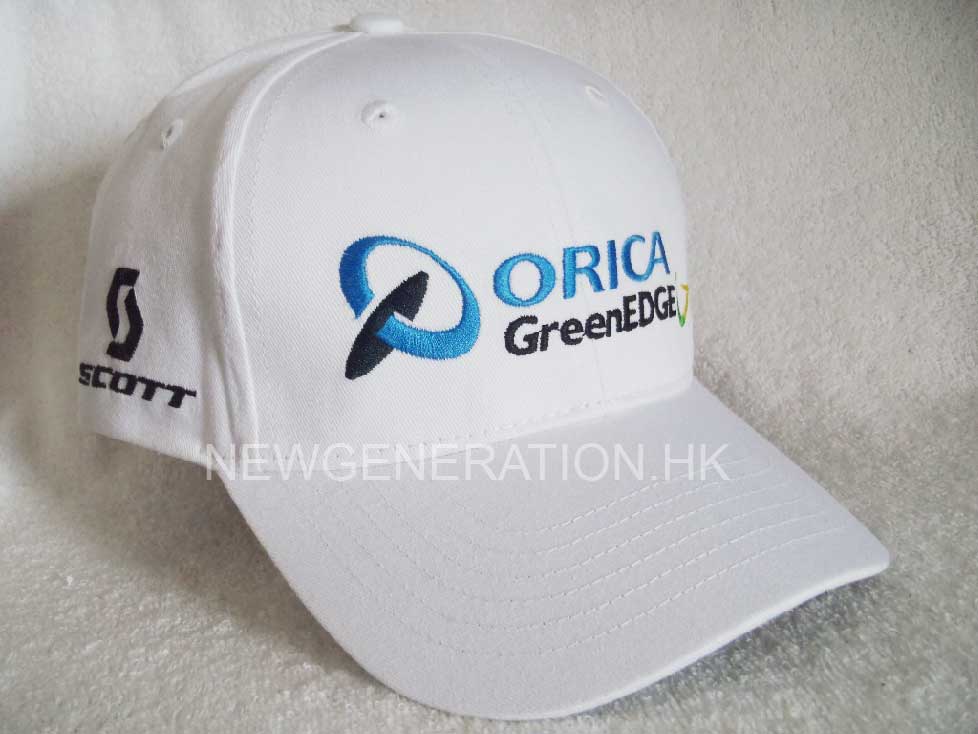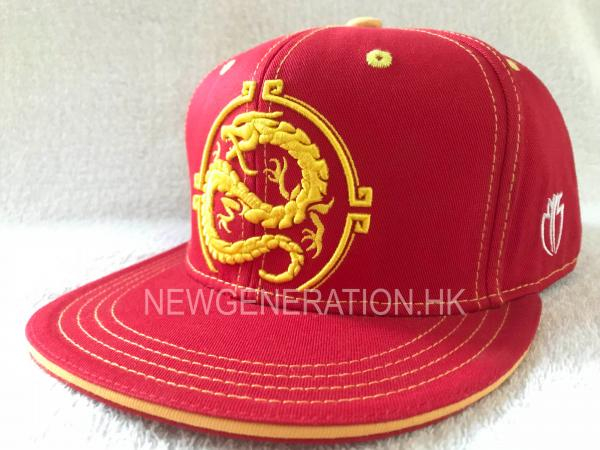



The choice between a 5-panel and a 6-panel cap is not only a styling decision. It affects the reference images you collect, the way a front logo is discussed and the questions you need answered before sampling.
Neither construction is automatically the better choice. The useful question is: which silhouette helps your brand, wearer and product brief line up with fewer assumptions?
What the panel count tells you
A 5-panel cap uses five main crown panels. It is often associated with a cleaner, more continuous front area and a lower-profile or camp-cap direction, although the final look still depends on fabric, brim, crown shape and closure.
A 6-panel cap uses six crown panels and is commonly associated with classic baseball-cap and structured-cap references. Its front construction can create a more familiar sportswear or promotional silhouette, but the actual effect depends on the specific pattern and material.
Panel count is therefore a starting point, not a complete brief. Two 6-panel caps can fit and feel very differently. Two 5-panel caps can use different brims, fabrics and decoration methods. Your sourcing brief needs to describe the product, not just name the category.
Use the Wear–Brand–Build Matrix
Before choosing a style, review three areas together.
| Lens | Questions for a 5-panel or 6-panel decision | Why it matters |
|---|---|---|
| Wear | Who will wear it, and in what context? Do you want a casual, performance, workwear or classic-cap direction? | A reference that suits one audience may not fit another. |
| Brand | Where does the logo sit? Does the identity need a broad front field, a patch, embroidery or a quieter mark? | Decoration should be considered with the crown, not added at the end. |
| Build | What brim, closure, material and internal details need confirmation? | These decisions affect the sample conversation and quotation assumptions. |
The matrix avoids a common mistake: selecting a hat only because the front view looks good in a mood board. A product image may not reveal the crown profile, back closure, fabric weight or inside branding needed for a complete brief.
When a 5-panel direction may be worth exploring
Consider a 5-panel reference when your collection leans toward a compact, casual or contemporary shape and you want the front panel to be considered as a single visual area. It can work well for brands that are building a more editorial, outdoor, skate or lifestyle direction, provided the other construction decisions support that look.
Before sampling, ask:
- What crown height and front profile are shown in the reference?
- Is the brim flat, curved or otherwise shaped?
- Does the logo need embroidery, a woven patch, a printed treatment or another method?
- Which fabric and colour decisions are essential to the intended look?
- What closure and inside-label details need to be visible in the sample?
When a 6-panel direction may be worth exploring
Consider a 6-panel reference when the collection calls for a more familiar baseball-cap profile or when your team wants to compare structured and unstructured options. The panel count alone does not decide the logo method or fit, but it gives the team a common starting vocabulary.
Before sampling, clarify whether the reference shows a structured front, the desired crown height, the brim shape and the expected closure. If a central seam affects your logo placement, make that a discussion point rather than discovering it after artwork is applied.
Build a comparison brief before you ask for a quote
Use the same brief for both options if you are still deciding. That makes the comparison meaningful.
| Brief field | What to include |
|---|---|
| Reference images | Mark which image shows shape, which shows colour and which shows decoration. |
| Style options | State that you are comparing 5-panel and 6-panel constructions, if both are in scope. |
| Branding | Supply logo files and identify placement questions that require a sample. |
| Materials | Describe the intended look or performance need; mark unknowns clearly. |
| Trims | Note closure, eyelets, labels, packaging and any non-negotiable details. |
| Approval | Identify who will consolidate comments on the sample. |
Do not ask a manufacturer to infer a complete product from one front-facing photo. A better brief produces a better discussion, even when some decisions remain open.
Use a sample to answer specific questions
A sample can help a team compare silhouette, decoration placement and material feel. Decide in advance what the sample must answer. For example: "Does the logo sit correctly on the selected front panel?" or "Does this brim and closure combination match the intended wearer?"
Record the answers in a sample approval sheet. If the 5-panel and 6-panel options are both viable, compare them against the same criteria rather than choosing only from a product photograph.
Choose the construction that supports the brief
The right cap construction is the one your team can explain clearly: who it is for, what it should look like, how the branding works and which details need approval before bulk production. That is a stronger basis for sourcing than a label such as "trendy" or "premium."
Primary CTA: Get the Cap Style Selection Sheet
Bring your 5-panel and 6-panel references, logo artwork and open questions into one brief. The first review can then focus on the decisions a sample needs to validate.
FAQ
Is a 5-panel cap better for embroidery than a 6-panel cap?
It depends on the specific crown, front construction, logo size and decoration method. Treat placement as a sample-review question and provide marked artwork rather than assuming the panel count decides it.
Can I compare both styles in one project brief?
Yes. Use the same intended wearer, branding, material direction and approval criteria. Make the style choice an explicit comparison rather than mixing details from two different references.
Does panel count determine price or production time?
Do not assume so. Cost and timing depend on the complete product specification, materials, decoration, order assumptions and approval path. Confirm project-specific details in writing.