

The most important factor in choosing a cap factory is verified stitch density on the embroidery floor.…
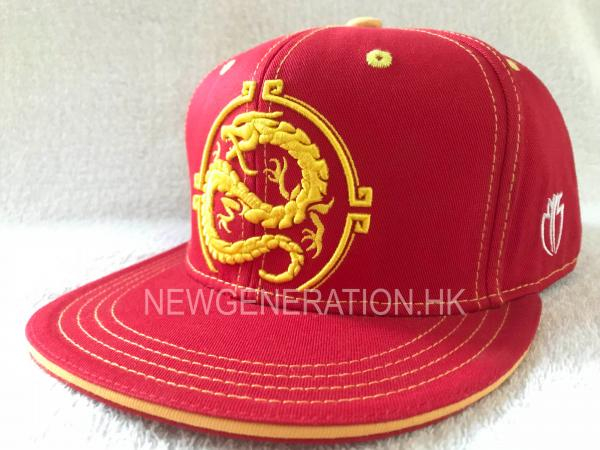
A 12,000-stitch 3D puff cap on 100% cotton twill costs about 18% more than a 7,000-stitch version and survives three to four extra wash cycles. Price per unit is a symptom, not a metric.
What Matters Most When You Select a Cap Factory
That conclusion comes from watching the same mistake repeat for fifteen years. A brand specs a cap, collects six quotes from cap factories across Guangdong, Zhejiang, Vietnam and Bangladesh, picks the middle-low number, then eats an 11% defect rate on the reorder. Nowhere on that quote was how many stitches per square inch the logo would carry, which backing the embroidery would use, what weight the fabric was, or which mill wove it. Four unlisted variables decide whether you got a deal or a liability.
What Should You Compare Before You Sign a Purchase Order?
Compare four things in this order: stitch density plus embroidery backing, fabric weight with a named upstream mill, MOQ structure including who absorbs tooling cost, and the factory's actual on-time shipment percentage across its last twenty orders. Price, sample speed, and how fast the rep answers on WhatsApp all follow from those four. Get them out of order and you will pay for it twice.
Stitch density is the number that never appears on a quote
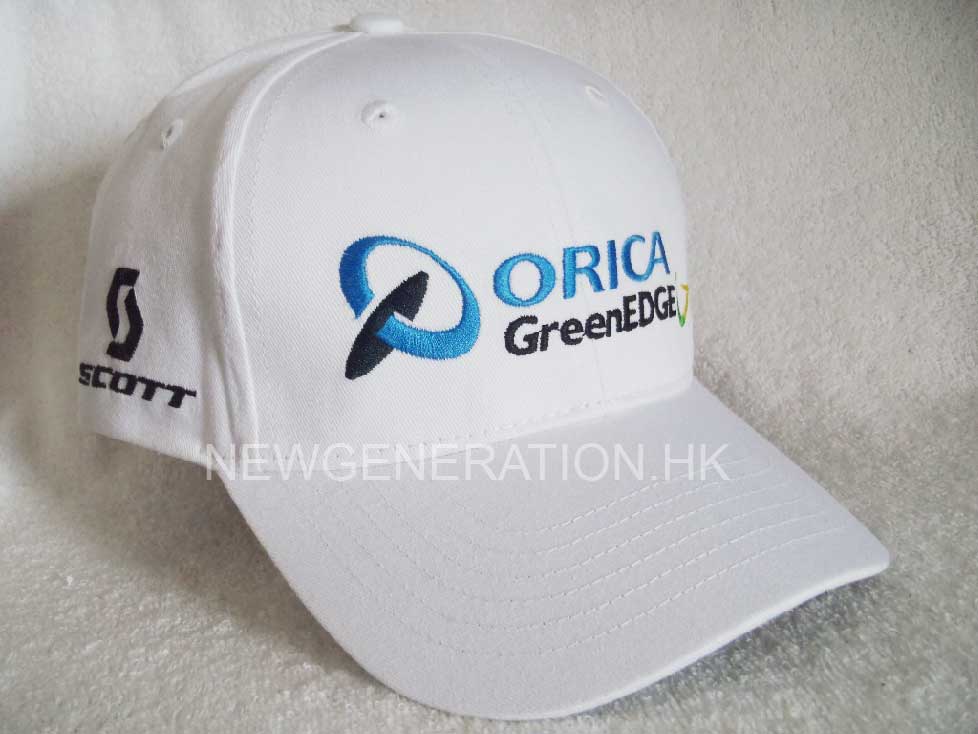
A left-chest logo on a structured 6-panel usually lands between 4,500 and 6,000 stitches. A full-front 3D puff runs 10,000 to 14,000. The delta matters because stitch count drives thread consumption, embroidery machine hours, and how much the front panel distorts under tension. Promotional-grade work sits at 7,000 and under. That is the floor, and it looks fine in a photo.
Backing type is the second half of the equation. Cut-away backing stabilizes dense embroidery on buckram-backed structured caps. Tear-away is cheaper and leaves a rougher interior, and on an unstructured dad cap with thin brushed cotton, tear-away plus 12,000 stitches will pucker the front panel somewhere around the second or third home laundering. Nobody quotes backing type. Always ask.
Thread weight gets skipped too. We ran a side-by-side in April 2022: 300 caps from a supplier in Hebei against our own run, same logo, same twill. Theirs used 40-weight polyester, ours 60-weight. Theirs showed visible pilling at the 12-wash mark. Ours held past 20. That is a $0.14-per-unit difference nobody sees in a spec sheet.
If you want one document to separate real factories from brokers, ask for an AATCC 135 dimensional change report. Quality cotton twill should hold under 3% length shrinkage after three home launderings. Factories that run the test will send a PDF within a day. Factories that don't will send a photo of a cap.
On-time percentage beats a quoted lead time
A factory quoting 35 days at 80% on-time is worse for your business than one quoting 50 days at 96%. Ask for the last twenty actual ship dates and compare them against the promised dates. Most reps will not have that list handy, which is itself the answer.
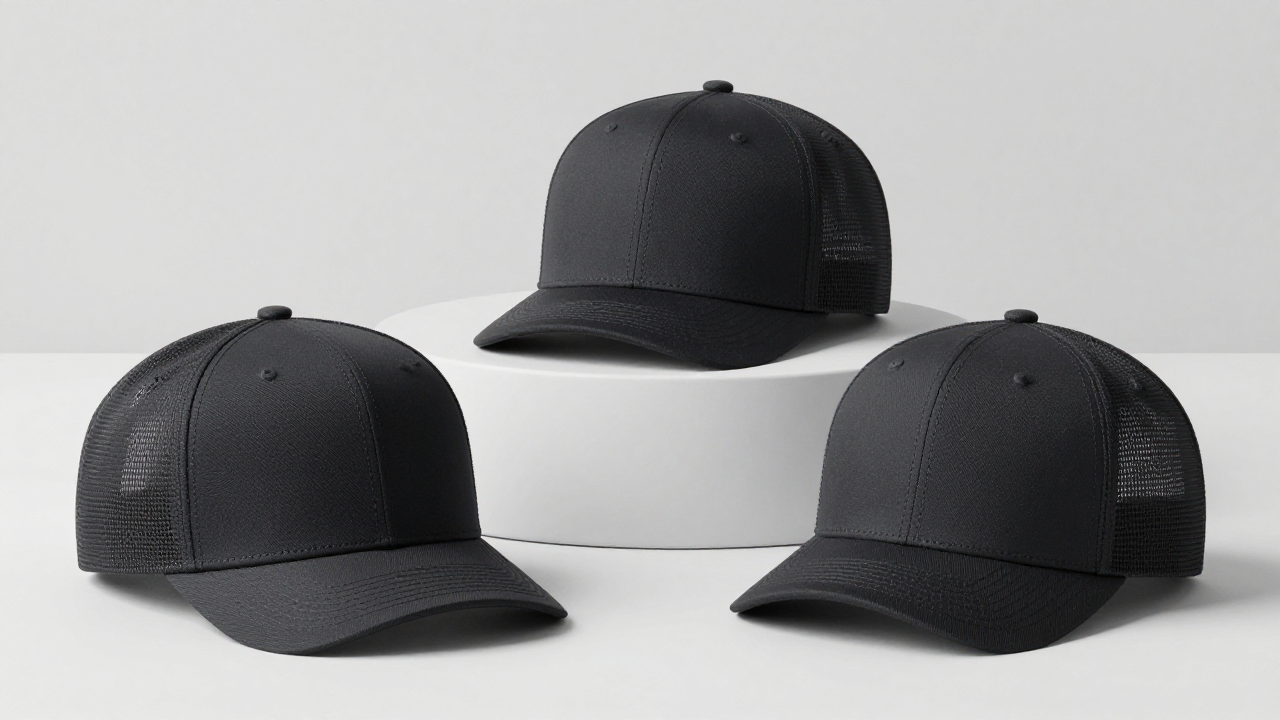
In September 2025, a brand out of Charlotte, North Carolina, booked 14,000 mesh trucker caps for a Q4 retail drop with a factory quoting 40 days. Bulk fabric landed three weeks late from a mill in Shaoxing because the factory had pushed a larger account's dyeing ahead of theirs. The brand air-freighted 3,000 units at $2.80 each and ate $8,400 in freight to avoid a $15,000 retailer penalty. That single recovery move erased the entire margin advantage of the cheaper quote.
Fabric weight
5.5 oz brushed cotton twill versus 3.5 oz poly-cotton is the difference between a cap that holds a crown and one that collapses after a season in a warehouse. Weight is cheap to verify. Ask for the mill name and the weight in ounces per square yard, not "heavy cotton."
MOQ is usually a dye-lot problem
Factories quote 1,200-piece minimums because fabric mills sell by the roll and a custom Pantone dye lot starts around 500 yards. Switch to a stock colorway and the same factory will often run 300. More on this below.
Budget vs. Premium in 2026 and What the Price Bands Actually Buy
Budget and premium cap factories in 2026 separate cleanly into four price bands, and the gaps between them are wider than the gaps inside them. Here is where the money actually goes.
The $2.60–$3.80 band is where most US brands should live in 2026. It absorbs a real logo, holds color, and still leaves retail margin. The $4.20–$6.50 band only makes sense when the cap is the product, not the merch.
What Sales Reps Won't Tell You About Cap Factories
Your sample and your bulk order are frequently made on different lines by different operators. The sample room employs the best sewer in the building and produces maybe 40 caps a day. Bulk runs on a 12-head line with rotating operators hitting 500 a day. When the golden sample arrives looking flawless, you have not seen your production cap. Ask for a bulk-run photo from the actual line before you release the PO.
Minimum order quantities are a dye-lot constraint dressed up as a capacity constraint. A mill in Zhejiang will not open a dye bath under roughly 500 yards, which converts to 1,100–1,300 caps depending on panel yield. Ask your factory to quote the same cap on stock fabric. In most cases MOQ drops to 300 and unit price drops 6–9%.
Freight math changed for US buyers in May 2025, when the de minimis exemption closed for China-origin goods. Air shipments that used to clear at zero duty now carry a real landed cost. A 500-piece air order that penciled out in 2024 can now add $1.40 per cap before it reaches a 3PL in Ontario, California. Ask every factory for a DDP quote into your warehouse, not an FOB number. The FOB number has been the flattering number for two decades.
Digitizing is rarely free. It is amortized into your first order and gone from the invoice by the reorder, which means the factory that "eats" your $150 digitizing fee has already priced it in.
At New Generation we publish an on-time rate to every account we open, and it is the single data point that has closed more deals than any sample we have ever shipped. That is not altruism. It is the number buyers cannot get anywhere else, so it becomes the reason they stay.
So Which Cap Factory Should You Pick?
Choose a budget cap factory if your order is under 600 units, uses stock colorways, carries a low-stakes logo, and can absorb a 55–75 day door-to-door timeline. Choose a premium cap factory if the cap carries your primary brand mark, retails above $30, or has a fixed in-store date you cannot miss.
There is a middle path most buyers skip. Split the program: run the high-volume, low-risk SKUs through a mid-tier factory at $2.60–$3.80 and send the hero cap, the one on the homepage, to a premium line. You get retail credibility on the cap that photographs well and margin on the eight colorways behind it.
Run this test on your next three quotes. Ask for stitch count, backing, mill name, and last twenty ship dates. Two of the three factories will go quiet. The one that answers is your factory.
Frequently Asked Questions
What is the minimum order quantity for a custom cap factory?
Stock fabric and stock colorways typically start at 300 pieces. Custom Pantone dyeing pushes minimums to 1,200 or more because mills will not open a dye bath under roughly 500 yards. Always request a stock-fabric quote alongside the custom one before you commit.
How much does it cost to make a custom cap in 2026?
Entry-tier caps run $1.60 to $2.40 FOB China. Structured premium caps with 3D puff embroidery run $4.20 to $6.50. Add $0.70 to $1.10 per unit for ocean freight, duty, and drayage into a US warehouse, and $2.80 or more per unit by air.
How long does a cap factory take to produce an order?
Stock-fabric orders typically ship in 25 to 35 days after artwork approval. Custom-dyed fabric adds three to four weeks, pushing production to 45 to 70 days. Ocean transit to a US port adds another 18 to 30 days depending on the gateway.
How do I choose between a budget and a premium cap factory?
Choose budget under 600 units with stock colors and a flexible deadline. Choose premium when the cap carries your primary logo, retails above $30, or ships against a fixed retail date. Verify stitch count and on-time rate before either decision.