
NEWS

ALWAYS ON TOP

What Does a Free Cap Sample Include? Questions to Ask Before You Order

What Does a Free Cap Sample Include? Questions to Ask Before You Order

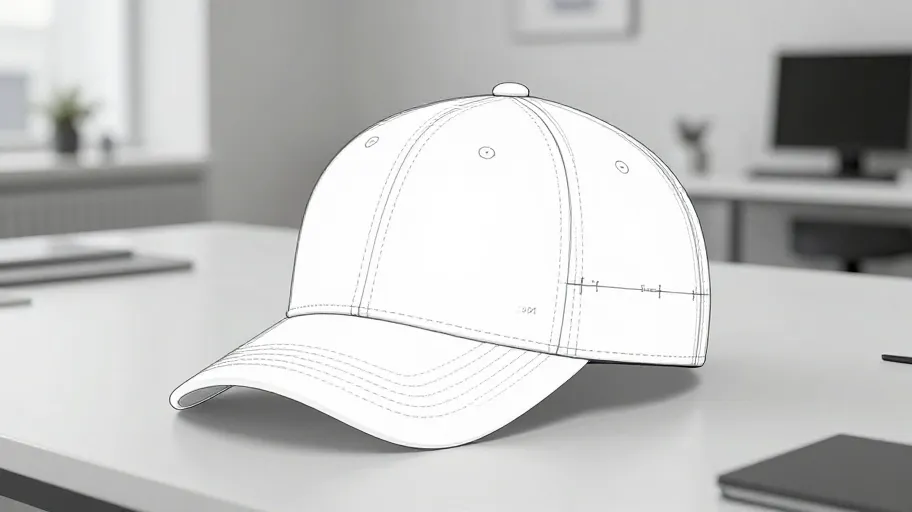
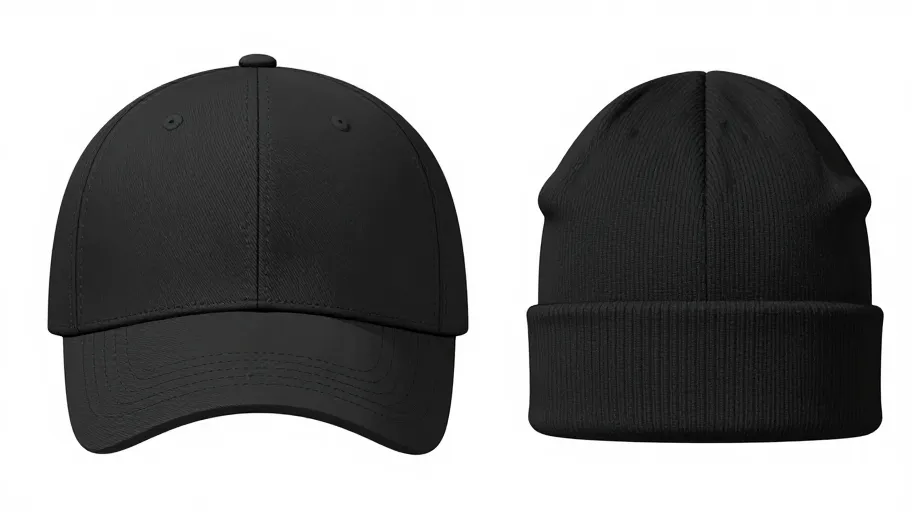
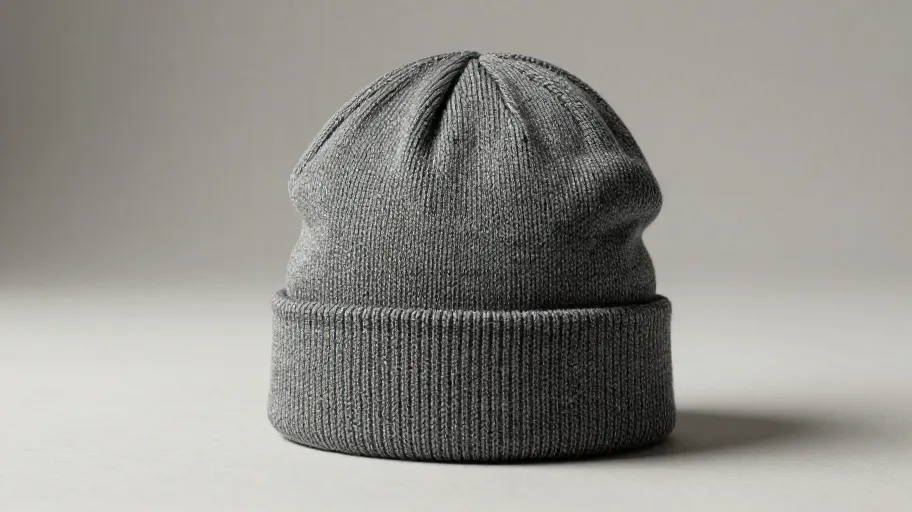
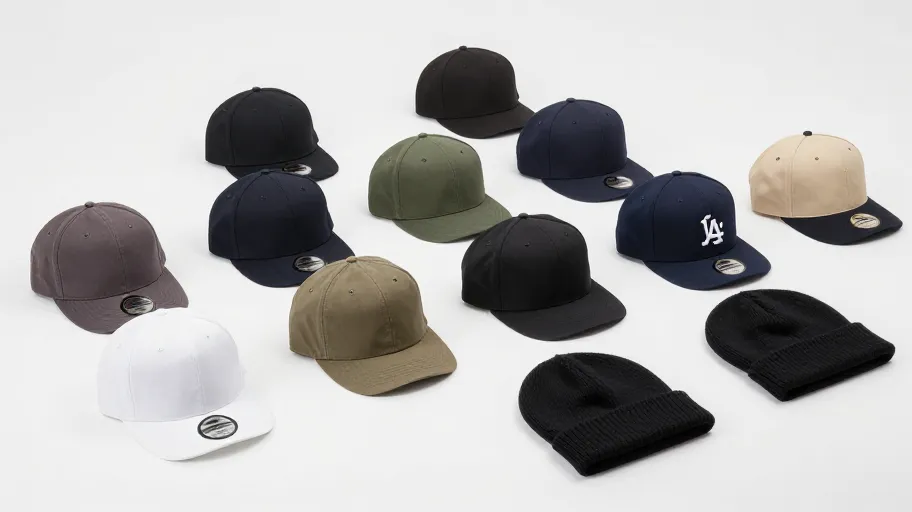
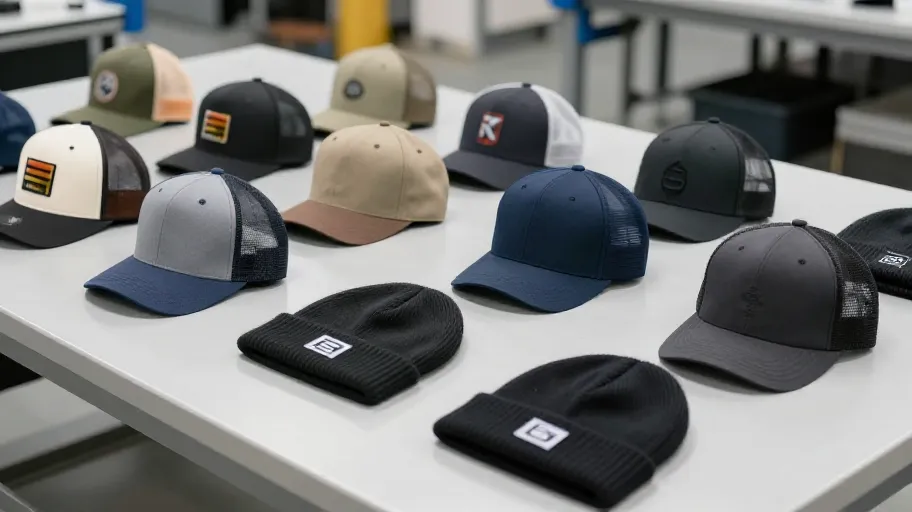
Receiving a "free" offer from a manufacturer often triggers immediate skepticism for experienced buyers. While the product unit may be complimentary, a true evaluation requires you to verify who pays for shipping, whether the sample is a stock reference or a custom prototype, and if the materials match your final production specs. To protect your margin and timeline, you must treat the sample request as a mini-contract rather than a simple gift.

What Does a Free Cap Sample Include? Questions to Ask Before You Order

What Does a Free Cap Sample Include? Questions to Ask Before You Order

A "free hat sample" typically covers the manufacturing cost of the headwear itself, but the buyer is usually responsible for courier shipping fees. To ensure this free item serves its purpose, you must verify if it is a stock sample or a custom pre-production sample that accurately represents your final bulk order specifications.

What Does a Free Cap Sample Include? Questions to Ask Before You Order

What Does a Free Cap Sample Include? Questions to Ask Before You Order

When sourcing custom headwear from China, a "free sample" offer is a standard entry point, but it rarely covers the entire cost of the procurement phase. A free hat sample typically includes the physical headwear base itself—often a standard, uncustomized stock item used to verify material quality and sizing—but it generally excludes the cost of custom logo application, expedited air freight, and any associated import duties. To manage your budget effectively, you must treat the "free" aspect as applying strictly to the product cost, while preparing to invest in logistics and verification.

What to Ask a Baseball Cap Factory Before You Approve a Bulk Order

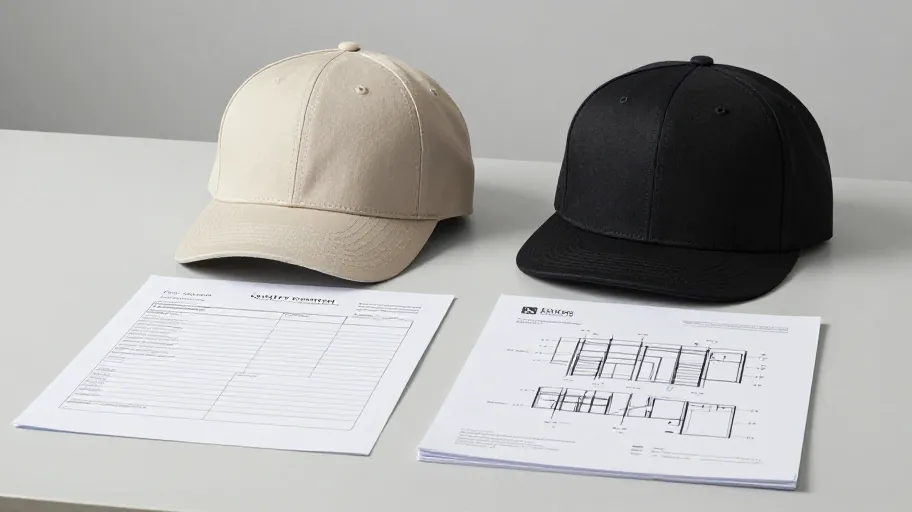
Before you approve a bulk order with a baseball cap factory, turn the approved sample into a written handoff. Confirm the cap construction, material proposal, logo treatment, branding details, packaging and revision status in one place. The factory should not have to reconstruct these decisions from old emails, marked-up images and memory.

What to Include in a Baseball Cap Tech Pack Before You Request a Sample

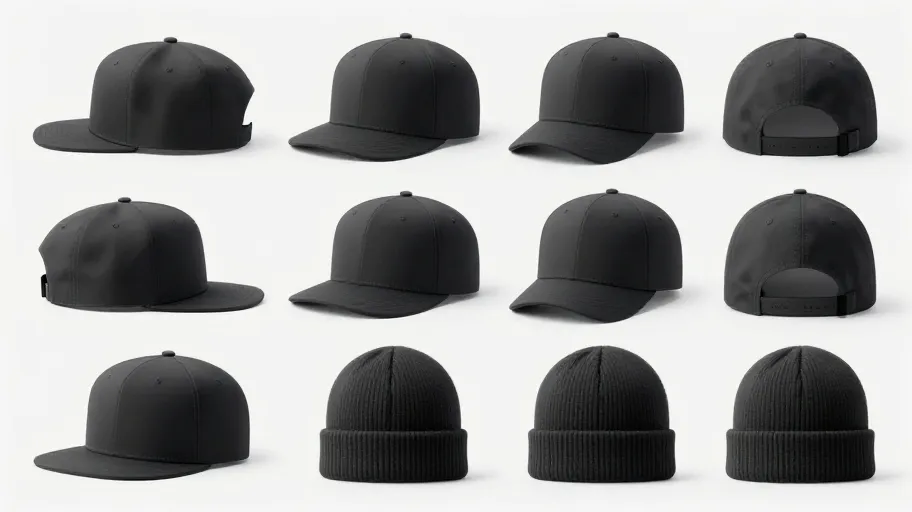
A baseball cap tech pack is the shared record that turns a design idea into a sample brief. It does not need to be complicated, but it should make the non-negotiable details visible: construction, materials, logo artwork, placement, labels, packaging and the way feedback will be approved. The clearer it is, the less a factory has to guess.

For a founder or product manager, a tech pack can feel like a barrier between an idea and a sample. In practice it is the opposite. It lets you ask better questions, compare quotations on the same basis and preserve decisions when the project moves from a sample desk to a production team.

What to Include in a Baseball Cap Tech Pack Before You Request a Sample

Content-production brief

ItemDecision
Search job Help a buyer prepare the minimum clear information needed to request and review a custom baseball-cap sample.
Reader Product developer, brand founder, or sourcing manager coordinating artwork, cap design, and sample feedback.
Primary CTA Download the Baseball Cap Tech Pack Checklist.
Low-friction CTA Get the Sample-Review Notes Template.
Differentiated framework The See–Specify–Sign-off loop: show the reference, specify the decision, and sign off against evidence.
Conversion barrier Buyers often have photos and logos but no shared record of what the supplier should treat as final.
Fact boundary Do not promise material availability, decoration methods, MOQ, price, timing, testing, certification, or any NG policy without business verification.

Signal and competitor rationale

InputEvidence levelEditorial use
Daily topic queue Internal priority for baseball cap tech pack. Meet a high-intent preparation need with a working document structure.
NG knowledge base Internal guidance emphasises design references, logos, technical materials, sampling, and bulk approval. Explain how to convert these inputs into a reviewable brief.
Competitor gap Internal snapshot identifies generic OEM/ODM messaging across the category. Offer an approval workflow instead of repeating factory claims.

Pain map

Buyer concernDecision obstacleContent hookConversion opportunity
"We have a great reference image." The image does not say which details are non-negotiable. See–Specify–Sign-off loop. Tech Pack Checklist.
"Our designer and buyer disagree." Files, comments, and version ownership are scattered. One decision record per cap. Sample-Review Notes Template.
"The sample is close but not right." Feedback is subjective and cannot be traced to a requirement. Marked approval questions. Development enquiry.

Semantic and internal-link plan

Use baseball cap tech pack in the title, answer-first paragraph, one H2, and FAQ. Support with cap tech pack checklist, custom cap specification sheet, baseball cap sample brief, logo placement, sample approval, and bulk handoff. Add links to confirm before publishing to a live baseball-cap page, a sample/development process page, and adjacent articles about logo decoration and supplier comparison.

1. Article structure

  • Answer first: a tech pack turns visual intent into decisions a sample can test.
  • Explain the See–Specify–Sign-off loop.
  • List the core cap-tech-pack fields and their approval questions.
  • Show how to manage versions and sample feedback.
  • Explain the difference between a useful brief and an unsupported production promise.
  • Finish with FAQ, CTA, and a delivery gate.

2. Publishable article body

A baseball cap tech pack does not need to begin as a perfect technical drawing. Its real job is to turn your design intent into a set of decisions that a supplier, designer, and approver can see, question, and review on a sample. If a cap brief consists only of a photo, a logo file, and "make it like this," every person may fill the gaps differently.

Use the See–Specify–Sign-off loop to keep those gaps visible. First show the reference. Then specify which details are fixed, which are open, and which the sample must resolve. Finally, sign off against marked evidence rather than memory.

See: collect the reference without hiding uncertainty

Start with the clearest material you have. This can include a front-and-back reference image, a rough sketch, existing cap photos, artwork, colour direction, and notes from the brand team. Do not pretend every file is final. Label each item: approved reference, inspiration only, open question, or to be confirmed.

That small act removes a common source of rework. A supplier can see which visual decisions it should follow and which decisions it should ask about. The same approach helps an internal designer understand where it can propose an option and where it must preserve a brand requirement.

Specify: make the cap decisions inspectable

A useful tech pack does not try to sound technical for its own sake. It records the decisions that would otherwise be interpreted differently. For a baseball cap, group them by product area.

Product areaPut in the briefApproval question
Cap reference Front, side, back, and interior images or sketches; note the desired silhouette. Which visual features are fixed, and which are still exploratory?
Crown and panels Intended panel layout, structure direction, seam-sensitive areas, and overall shape notes. What should the physical sample prove about the crown shape?
Brim Reference for curve, proportion, surface direction, and relation to the crown. Which visible brim characteristics must be reviewed rather than assumed?
Material direction Known material description, texture, colour direction, or a list of alternatives to discuss. What needs written confirmation before material is treated as approved?
Logo and decoration Artwork version, placement views, desired hierarchy, and treatment questions. Does the mark remain appropriate at the intended scale and location?
Labels and packaging Label artwork, intended location, interior notes, and presentation direction if relevant. Which details are part of this sample and which are deferred?
Review route Sample objective, approver, date, and change-record method. What must be approved before a bulk handoff is even considered?

The table is deliberately written as questions. It does not assume that an item is available or that a supplier has agreed to a particular process. It gives the buyer a way to ask for the information needed to make that decision.

Sign-off: use the sample as evidence

The third part of the loop is where a tech pack becomes operational. When a sample arrives, do not compare it with a vague memory of the mood board. Open the current tech pack, place the sample and marked photos beside it, and review one field at a time.

For each field, record one of three statuses:

  • Approved as shown: the requirement and the evidence match clearly enough for the project stage.
  • Revision required: identify the reference, the observed difference, and the exact question for the next sample or confirmation.
  • Pending confirmation: do not force a decision if artwork, material direction, branding, or commercial terms are still unresolved.

This is especially useful for logo placement. "Move it slightly" is hard to trace. "Compare the logo against the marked front view and confirm its relationship to the centre seam" gives the next reviewer a real test.

A cap tech pack is also a version-control tool

Many first projects do not fail because the team lacks ideas. They fail because a logo was updated in one email, a new reference was shared in a chat, and a sample comment was never copied into the master brief. Treat the tech pack as the shared source of truth.

Use a simple version line on each review:

FieldExample record
Project Brand / cap concept / internal project name
Brief version Date and version label
Artwork File name and revision date
Open questions Items that need supplier, designer, or business confirmation
Sample decision Approved, revision required, or pending confirmation
Approver Name or role responsible for the next decision

The brief can be short. What matters is that everyone is looking at the same version when they discuss the sample.

What not to put in an unverified brief

Avoid turning an assumption into a requirement. Do not state a supplier's MOQ, delivery time, certificate, test result, sustainability claim, pricing, or sample policy as a fact unless your business has current written evidence. If a point matters, write it as a verification request: "Please confirm whether this requirement can be supported for this project."

This protects the credibility of the article and makes the buyer's request more useful. A supplier can respond to a question. It cannot responsibly confirm an invented specification.

The minimum sample-ready checklist

Before you send a baseball-cap tech pack, check that it contains:

  • a named cap reference with clear views;
  • current artwork and a note explaining what is final;
  • intended logo placement and the questions the logo sample must answer;
  • known material and colour direction, plus unresolved decisions;
  • label, interior, or packaging direction if those are in scope;
  • the intended wearer and use context;
  • a sample objective rather than a general request to "make one";
  • a named approver and a place to record feedback;
  • an explicit note that commercial, production, and compliance details require business confirmation.

Primary CTA: Download the Baseball Cap Tech Pack Checklist

Use the checklist to bring reference images, artwork, construction questions, and approval notes into one reviewable brief. It gives the project team a clearer starting point before it requests a sample or compares supplier responses.

FAQ

Do I need CAD files for a baseball cap tech pack?
Not always. Clear images, annotated views, artwork, and decision notes can form a useful first brief. The key is to label what is final, what is inspiration, and what needs confirmation.

What should be approved on a cap sample?
Review the cap reference, silhouette, visible construction, logo treatment and placement, labels or packaging in scope, and any open questions named in the brief. Record the decision with the supporting evidence.

Can a tech pack include unknown details?
Yes. Unknown details should be marked as questions or options rather than written as fixed specifications. This lets the project move forward without hiding uncertainty.

How does a tech pack help compare suppliers?
Give each supplier the same brief. You can then compare how clearly each response addresses the same product, sample, artwork, and documentation questions.

3. Optimisation record and delivery gate

CheckResult
Intent Procurement preparation for a sample-ready custom baseball-cap project.
Anti-homogeneity See–Specify–Sign-off names a practical loop that joins visual reference, specifications, and approval evidence.
SEO coverage Primary term plus specification sheet, sample brief, artwork, placement, version control, and approval semantics.
Evidence chain General workflow only; supplier-specific facts and terms are explicitly reserved for verification.
Conversion One tech-pack checklist CTA and one low-friction sample-review template.

4. Delivery gate

  • Verify current NG product/process details before publication.
  • Replace planned internal links, resource links, and CTA with live verified URLs.
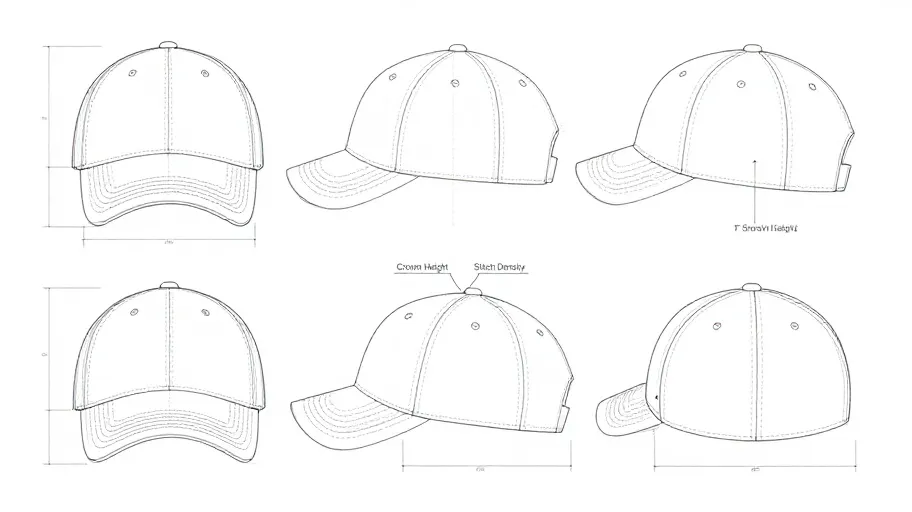
  • Add approved cap images, annotated diagram, and alt text where available.
  • Check that all artwork, material, sample, and commercial language is supported.
  • Add the published URL to the 14/30/60-day GSC review list.

What to Include in a Baseball Cap Tech Pack Before You Request a Sample

A complete baseball cap tech pack should let a factory quote and cut a sample without guessing: silhouette and profile, fabric and color with Pantone references, embellishment artwork in stitch-count detail, trim and closure specs, packaging and labeling, plus measurable tolerances and an approval sequence. Missing any of these is what triggers re-sampling.


Content-Production Brief

FieldDetail
Search job Reader wants the exact fields a baseball cap tech pack must contain so a factory can quote and cut a sample without back-and-forth
Reader Product developers and brand founders preparing their first or next cap run with an overseas manufacturing partner
Single CTA Download Tech Pack Checklist
Named decision framework The 5-Layer Cap Spec Framework (Silhouette, Materials, Embellishment, Trims, Approval)
Conversion barrier Vague specs trigger re-sampling, lost weeks and unclear quotes; readers don't know which fields a factory actually reads vs. which are decorative
Fact boundary No specific MOQ, price, sample policy, lead time, capacity, certification, sustainability claim, client list or performance figure. Queue signals and the New Generation knowledge base are treated as internal planning evidence only, not external proof

Signal & Competitor Rationale

SignalTreatment
Queue reason: knowledge base priority Internal planning signal — supports the New Generation knowledge base rather than a confirmed external demand spike. Used to prioritise the article, not to claim market position
New Generation internal knowledge base Internal evidence about the spec fields that typically slow down sampling. Not a substitute for an independent web search or competitor data
External competitor data None supplied — no competitor capability, pricing, client list or positioning is claimed or implied

Pain Map

Buyer concernDecision obstacleContent hookConversion opportunity
"I'll lose two weeks chasing a sample that comes back wrong" Uncertainty about which fields a factory actually reads A named 5-layer framework that mirrors how a cap is built on the line Checklist that maps 1:1 to the framework
"I don't know which tolerances are normal" Fear of over- or under-specifying A decision table that links use case to a spec posture Approval-question list readers can paste into an RFQ
"Our brand colors keep drifting between dye lots" No shared color-approval vocabulary Pantone TPG/TCX + lab-dip language used consistently Turn the framework into a repeatable internal SOP

Why a Thin Baseball Cap Tech Pack Costs You Sampling Rounds

A baseball cap tech pack is the single document that translates a brand idea into something a sewing line can build. The most common cause of re-sampling — and the cost and lead time it adds — is not price, fabric, or factory capability. It is ambiguity. When a field is missing, the factory fills it with their default, and the factory's default is rarely your brand default. Two or three rounds of that, and your launch calendar slips.

The fix is not to write more pages. It is to make every field unambiguous enough that two people reading it on different continents build the same cap. The 5-Layer Cap Spec Framework below is the structure New Generation uses internally to talk buyers through that translation.

The 5-Layer Cap Spec Framework

Use these five layers as the spine of your baseball cap tech pack. Each layer answers a question the factory will otherwise have to ask by email.

Layer 1
Silhouette &
Construction
Layer 2
Materials &
Color
Layer 3
Embellishment &
Artwork
Layer 4
Trims, Closures &
Labels
Layer 5
Tolerances &
Approval

Layer 1 — Silhouette & Construction

  • Profile: 5-panel, 6-panel, or 7-panel
  • Crown height and shape: low / mid / high profile; structured or unstructured; buckram weight on the front panel
  • Visor: pre-curved or flat; number of top-stitch rows (commonly 4, 6, or 8); top button color
  • Back: mesh color or solid, with a closure spec

Layer 2 — Materials & Color

  • Shell fabric: e.g. brushed cotton twill, washed cotton, polyester — with a target weight in GSM
  • Sweatband: matched or contrast; terry, woven, or simulated leather
  • Color callouts: Pantone TPG or TCX for every panel and the under-visor; note whether lab dips are required before bulk cutting
  • Eyelets: sewn-through or metal; matching or contrast

Layer 3 — Embellishment & Artwork

  • Position: measured from the crown seam and the front-center seam, never just "centered"
  • Method: flat embroidery, 3D puff, appliqué, woven patch, leather patch, screen print, or sublimation
  • Stitch count and thread colors with Pantone references
  • Artwork files: vector source in .ai or .eps, plus a stitched-out PNG reference for scale
  • Repeat the same depth for back, side, and sweatband if those positions are decorated

Layer 4 — Trims, Closures & Labels

  • Closure type: plastic snap, metal snap, hook-and-loop, slider, or fitted sizing range
  • Woven main label position and exact copy
  • Care-label content: fiber content, country of origin, care symbols
  • Hangtag, barcoding, and stickers if your retail customer requires them

Layer 5 — Tolerances & Approval Sequence

  • Measurement points: crown height, visor length, visor width, opening circumference
  • Acceptable tolerance per point in centimeters
  • Approval gates: pre-production sample, top-of-production sample, and what each gate must match
  • Color approval: lab-dip sign-off before bulk cutting

Decision Table: Choose Your Spec Posture

Use caseClosure defaultCrown postureEmbellishment focusTolerance posture
Premium corporate / uniform Fitted or metal slider Structured, mid-to-high profile Flat or 3D puff embroidery, woven label Tight — every measurement documented
Streetwear / lifestyle Plastic snap (snapback) or strapback Structured high or unstructured low Large front embroidery, side and back hits Standard — measurement points defined
Promotional / event Hook-and-loop Unstructured, low profile Single-position flat embroidery or print Standard — keep artwork simple to protect lead time
Outdoor / performance Plastic snap or fitted Structured, mid profile Woven or sublimated patch; UV-stable thread Tight — specify fabric performance attributes

This table is a starting posture, not a verdict. Your brand's design language should override any default — but if you start from a row, your factory knows what you mean from the first read.

Approval Questions to Ask Before the Sample Is Cut

Before you request a sample, paste these into your RFQ. The answers are the difference between one sample round and three.

  1. Which Pantone system (TPG or TCX) should I use for color callouts, and do you need a lab dip before bulk cutting?
  2. What is your default buckram weight if I leave the front panel unstructured?
  3. For 3D puff embroidery, what stitch height and foam thickness do you build to by default?
  4. What tolerance band do you work to on crown height and opening circumference?
  5. What file format and minimum artwork size do you need for embroidery digitizing?
  6. Will the pre-production sample include the actual woven label and care label, or surrogates?
  7. What must the top-of-production sample match before you start bulk?
  8. How do you document color match between the pre-production sample and bulk fabric?

If your factory cannot answer six through eight clearly, that itself is information about how the relationship will run.

Common Tech-Pack Mistakes That Re-Trigger Sampling

  • Writing "centered" instead of giving measurements from a seam
  • Specifying a Pantone without stating TPG or TCX
  • Sending a low-resolution PNG for embroidery digitizing
  • Forgetting the under-visor color
  • Leaving closure color to the factory default
  • Omitting care-label content and country-of-origin copy
  • Not stating which sample gates you require

Each item is small. Together they are why "two-week sampling" quietly becomes "six-week sampling."

Frequently Asked Questions

How detailed does a baseball cap tech pack need to be for a quote?

Detailed enough that the factory does not have to assume. At minimum: silhouette, fabric and weight, all color callouts with Pantone references, embellishment method with stitch count, closure type, and any labeling or packaging requirements. A quote built on assumptions is a quote that will move.

Should I include packaging in the tech pack?

Yes, even if packaging feels like a later decision. Polybag spec, insertion style (folded, flat, with or without a card insert), carton count, and barcoding all affect the quote and lead time, and they are easier to lock now than to retrofit after the first sample.

What file format should embroidery artwork be in?

A vector source file (.ai or .eps) plus a high-resolution stitched-out reference image for scale. A flat PNG is enough for a first look but not for digitizing — digitizing from a low-resolution file is one of the most common causes of a disappointing first sample.

Do I need to specify every thread color?

For brand-critical decoration, yes — give thread colors as Pantone references and let the factory match from their thread library. For utility stitching (seams, top-stitching), a matched-or-contrast note is enough, but state which.

What tolerance is normal for cap sizing?

There is no universal number — tolerances depend on fabric, construction, and use case, which is why you should agree them per measurement point with your factory rather than inheriting a default. The point of stating a tolerance is not the exact figure; it is that both sides signed the same figure before bulk.

Next Step

Before you send your next brief to a factory, run it through the 5-Layer Cap Spec Framework and the approval questions above. If any layer is empty, that is the round of sampling you are about to lose.

Download the Tech Pack Checklist

A one-page version of the 5-Layer Cap Spec Framework you can paste into your RFQ.

Download the Tech Pack Checklist →

Grab the quick checklist — a lighter version if you have five minutes before sending the brief.

What to Include in a Baseball Cap Tech Pack Before You Request a Sample

A baseball cap tech pack tells the factory exactly what to build: panel count and profile, fabric, colours with Pantone references, closure type, decoration artwork and placement, labels, and packaging. Hand over a complete tech pack and the first sample comes back close to what you imagined. Hand over "make me a cap like this photo" and you spend rounds correcting a sample that was never fully specified. This is the checklist to complete before you request a sample.


Why the Tech Pack Comes First

A sample is only as good as the instructions behind it. Without a tech pack, the factory fills the gaps with assumptions — a different fabric weight, a closure you didn't want, a logo placed by guess. Every gap becomes a revision round. A tech pack front-loads the decisions so the first sample is a real test of the factory's work rather than a test of whether they guessed your intent correctly.

The Tech Pack Checklist

SectionWhat to specify
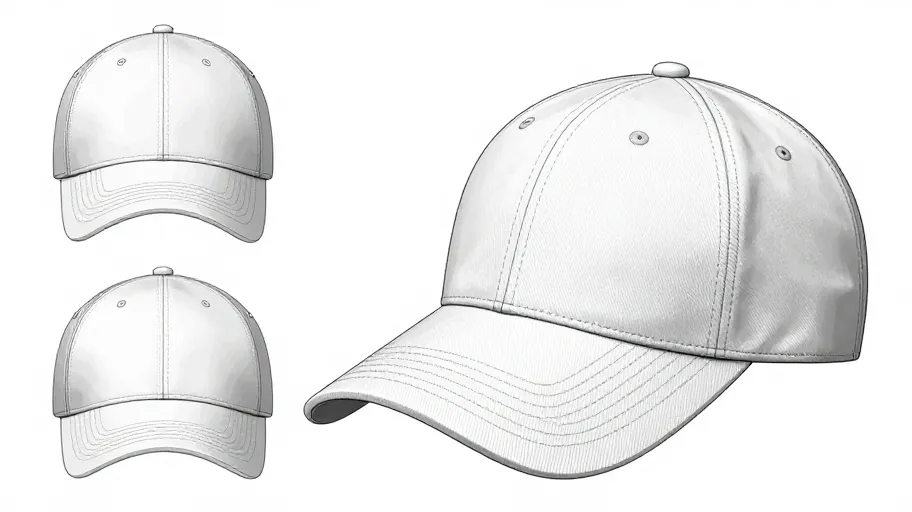
Silhouette Panel count (5 or 6), profile (low/mid/high), crown shape
Fabric Material, weight, structured or unstructured
Colours Each panel/part with Pantone (TPX/TCX) references
Closure Snapback, strapback, buckle, elastic — with hardware detail
Brim Flat or curved, stitching rows, under-visor colour
Decoration Method (embroidery/print/patch), artwork files, size, placement, colours
Labels & trims Woven label, size tag, eyelets, sweatband
Packaging Polybag, hangtag, carton requirements

You don't need every field locked before starting a conversation, but the more that's specified, the closer the first sample lands. Mark anything still undecided so the factory knows where to ask.

Colours and Decoration Cause the Most Rework

Two areas generate the most sample revisions: colour and decoration. Specify colours with Pantone references rather than "navy" or "dark green," which every factory interprets differently. For decoration, supply real artwork files with clear size, placement and colour breakdowns — not just a logo pasted onto a photo. Getting these two right in the tech pack removes most of the back-and-forth. For choosing the decoration method itself, see the note on matching method to your logo in the scorecard.

Keep Specs, Hold Terms to Evidence

A tech pack defines the product; it does not lock in commercial terms. Any MOQ, price, lead time or capacity a factory quotes off your tech pack should be confirmed for your specific order rather than assumed. The tech pack's job is to make the quote meaningful, not to fix terms on its own.

Where This Fits

A complete tech pack is what makes a sample worth ordering and what lets a scorecard compare suppliers fairly. Beanies need their own version — see the beanie tech pack checklist.

Frequently Asked Questions

Can I request a sample without a tech pack?

You can, but expect more revision rounds. A tech pack front-loads the decisions so the first sample is closer to right.

What causes the most sample revisions?

Colour and decoration. Pantone references and real artwork files remove most of the rework.

Do I need separate tech packs for different cap styles?

Yes. Panel count, profile and construction differ enough that each style needs its own spec.

Download the Tech Pack Checklist

Complete it for your cap, and attach it when you request a sample — so the first sample tests the factory's work, not their guesses.

Download the Tech Pack Checklist →
What to Include in a Baseball Cap Tech Pack Before You Request a Sample

What to Include in a Baseball Cap Tech Pack Before You Request a Sample

A detailed baseball cap tech pack is the single most effective tool to bridge the gap between your creative vision and a factory's production line. It eliminates ambiguity, reduces the likelihood of sampling errors, and accelerates the quotation process. By providing precise technical data regarding materials, measurements, and construction, you ensure that the OEM/ODM manufacturer can interpret your design correctly the first time, saving both time and resources in the product development cycle.

What’s The Manufacturing Process Involved in Making Baseball Caps

What’s The Manufacturing Process Involved in Making Baseball Caps

One of the most common types of hats ever produced is the baseball cap. These hats appeal to both consumers and businesses since they are practical, affordable, and brandable.

When a Custom Hat Becomes Your Brand's Hardest-Working Asset

Been digging into the 2026 economic landscape lately—and let me tell you, it's a tale of two Americas. JPMorgan calls it the "widening gap between asset owners and wage earners." Others call it the "K-shaped economy." Whatever you name it, the takeaway for B2B buyers like us is crystal clear: brands that signal quality, durability, and authenticity win. Brands that look cheap? They lose.

In this environment, the humble custom hat has quietly become one of the most strategic investments you can make. Not because it's flashy. Because it's tangible proof—in an increasingly polarized market—that your brand pays attention to details.

Let's break down what's actually happening in 2026 and what it means for your customized hats program.

When Custom Hats Fail After One Wash: The Manufacturing Secrets Your Supplier Hides

You ordered 500 custom bucket hats. They looked great in the sample photo. Then customers started washing them—and everything went wrong. This checklist reveals what your custom cap manufacturer isn’t telling you about real-world durability.

When Port Delays Threaten Your Hat Orders: How Smart Supply Chains Save the Season

Published: May 23, 2026 | By: Supply Chain Technical Team

Most B2B hat buyers track production obsessively but ignore the border. Then they're shocked when a container sits for 16 days at port, racking up $1,200/day in storage fees.

Fact: your factory can finish on time, and your order will still miss the seasonal launch. Not because of ocean freight. Because of paperwork and bad routing. We see this every week with buyers who don't know which cap manufacturers actually audit compliance before loading.

When Style Dances with Precision: Unleashing the Enchanting Magic of our Cap Factory

The cap factory emerges as a sanctuary of creative perfection in the world of style; where fashion and precision dance hand-in-hand to bring into being caps that transcend what one would call a surmountable boundary. A generations-old leaguer free from vulgarity, we have honed our artisanship and generated caps that not only announce to the world something mettlesome but are the ideal carriers of comfort and courage.

When Sustainability Claims Fail Audits: How GRS Certification Builds Unbreakable Supply Chain Trust

More brands are turning to GRS-certified cap makers for verified recycled content and fair labor. It’s not just about looking green—it’s about proving it, every step of the way.

When Your Clinic's Customized Hats Need a Second Opinion

You’ve just received the shipment of customized hats for your clinic’s community health fair. As you unbox them, a sinking feeling hits—the embroidery looks more like a vague symptom than your clean logo, the color is off by several shades, and the stitching is already questioning its life choices. In an environment where precision is everything, from dosing to diagnostics, why does your branded headwear feel like it was made with a butter knife?

If your cap manufacturer treats your hat design with less care than a medical student treats their first suture kit, you’re not just getting bad hats—you’re inadvertently telling your community that good enough is part of your vocabulary.

Which Cap Profile Fits Your Brand? 5-Panel vs 6-Panel Sourcing Breakdown

5-Panel vs 6-Panel Caps: A Sourcing Guide for Brand Buyers

A 5-panel cap uses five fabric panels to form a lower, flatter front crown that suits bold front logos and streetwear-leaning lines, while a 6-panel cap uses six panels with a centre front seam that produces a rounder, classic baseball silhouette. The right construction depends on your branding surface, category positioning and construction budget — not on which style is generally "better".


Content-Production Brief

FieldDetail
Search job Help brand buyers compare 5-panel vs 6-panel cap constructions and choose the one that fits their line, branding surface, and budget
Reader Overseas brand buyers, importers, wholesalers and corporate buyers sourcing custom headwear from a China-based partner
Primary keyword 5 panel vs 6 panel cap
Intent Product comparison
CTA Download the panel-style selection sheet
Decision framework Panel–Purpose–Positioning (3P) Framework
Conversion barrier Buyers conflate panel count with crown shape and branding area, and hesitate to commit without a side-by-side reference
Fact boundary No MOQ, price, sample policy, lead time, capacity, certification, client list or factory claims; all specifics to be confirmed with New Generation during inquiry

Signal & Competitor Rationale

InputTypeHow it is used
Queue reason: knowledge-base priority Internal planning signal Treats this comparison as a foundational NG knowledge-base article; planning evidence only, not external proof
Local NG knowledge base Internal evidence Aligns terminology with NG's existing sourcing content; no competitor facts invented or cited
GSC data note Tentative, in-flight GSC figures are still being reconciled and may be backfilled; used to spot same-day signal, not for stable period-over-period claims

Pain Map

Buyer concernDecision obstacleContent hookConversion opportunity
"Which construction matches my brand?" Panel count is confused with crown height and silhouette 3P Framework separates construction from positioning Selection sheet that maps brand type to recommended panel count
"Will my logo fit the front panel?" Unclear embroidery/print surface per style Plain geometry explanation of the front panel Artwork-ready approval checklist
"Am I paying for structure I don't need?" Cost drivers across constructions are opaque Walk-through of seams, reinforcement, closure Quote-comparison prep questions
"Will my wholesale buyers reject the silhouette?" Channel expectations differ by category Category-fit guidance by retail channel Buyer-aligned spec sheet to take to market

Start with the Panel–Purpose–Positioning (3P) Framework

Most sourcing confusion comes from mixing three separate questions. The 3P Framework pulls them apart so you can brief a manufacturer cleanly.

Panel
What the construction physically changes. Panel count is a construction fact, not a quality grade.
Purpose
What end use the cap serves — retail, uniform, sports, promotional. Write it down before you compare.
Positioning
How the cap fits your price tier and aesthetic. Decides which "imperfection" reads as character vs defect.

When the three P's agree, the construction choice is usually obvious. When they conflict, the framework tells you which trade-off you are actually making.

Decision Table: 5-Panel vs 6-Panel Cap

Use this as a discussion prompt with your manufacturer, not as a fixed spec sheet.

Dimension5-panel cap6-panel cap
Panel layout Five panels; typically one full front panel Six panels; two front panels meet at a centre seam
Crown silhouette Lower, flatter front; often reads as "lo-pro" or camp-style Rounder, taller crown; classic baseball profile
Front branding surface Single uninterrupted panel — good for large, single-placement artwork Split by a centre seam — artwork must register across two panels or sit above/below the seam
Seam on forehead No vertical front seam Visible centre front seam from button to visor
Category fit Streetwear, skate, lifestyle, workwear front-panel branding Sport, heritage, corporate uniform, promotional, retail classic
Audience perception Reads modern, casual, brand-forward Reads familiar, sport-leaning, classic

No row in this table is a verdict. The point is to walk into a supplier conversation knowing which rows matter most for your line.

Branding Surface: Where Most Buyers Get It Wrong

The front panel is the part of the cap your customer actually photographs. Treat it as the lead decision variable.

Embroidery. On a 5-panel cap, the single front panel gives you one flat hooping area, which is friendlier for large or full-bleed logos. On a 6-panel cap, the centre seam runs through the middle of the design space; your embroidery file needs to be digitised so the seam does not distort stitches or break a fine line. Ask your supplier whether the front panel is buckram-reinforced, because that affects how cleanly a dense logo sits.

Print. Screen print, heat transfer and HD print all behave better on a continuous surface. A 5-panel front lets the artwork live on one plane. A 6-panel front can still carry print, but the design either sits above the seam or has to be split and registered across two panels, which is a conversation to have before sampling.

Patches and labels. Rubber, PVC, leather and woven patches are usually sized to fit above or around the front seam on a 6-panel. On a 5-panel, you get a cleaner rectangle to work with. This is small until your patch supplier tells you the artwork has to shrink to clear a seam.

If branding is your lead variable and your logo is wide, horizontal or full-bleed, a 5-panel construction often reduces artwork compromises. If your logo is compact and centred and your market expects a baseball silhouette, a 6-panel is the lower-friction path.

Construction and Cost Drivers

Panel count is one of several cost inputs. Treat these as discussion topics with your supplier, not as fixed numbers.

  • Cut-and-sew operations. More panels mean more cutting, more joining and more seam alignment. A 6-panel cap is not automatically more expensive — the process is standardised across most factories — but the operation count is higher than a comparable 5-panel.
  • Reinforcement. Structured fronts (buckram or fused backing) add material and affect embroidery behaviour. Confirm whether the structure you want is included or an upgrade.
  • Closure and trim. Snap, strap-and-buckle, strap-and-slide and fitted closures each carry different component and labour costs, and pair differently with each construction. Verify pairings per style rather than assuming.
  • Fabric and bill of materials. The same construction in cotton twill, brushed canvas, mesh or recycled content will land at very different unit economics. Lock the BOM before comparing quotes between constructions.

The useful question is not "which is cheaper?" but "for the same BOM, closure and reinforcement, what is the cost difference between 5-panel and 6-panel?" That is a question your supplier can answer with a real quote.

Approval Questions to Bring to Your Manufacturer

Bring these to your first sampling conversation. The answers will short-circuit most of the back-and-forth.

  1. Can you confirm the front panel dimensions on each construction, so my artwork team can map the logo?
  2. What is the crown profile — low, mid or pro — and does it match my buyer's expectation?
  3. Is the front panel buckram-reinforced, or unstructured? How does that affect my embroidery weight?
  4. On a 6-panel, how do you handle the centre seam when artwork crosses it?
  5. Which closures pair with each construction in your line, and which are stock versus custom?
  6. Can you ship a side-by-side physical sample of the same fabric in 5-panel and 6-panel, so my team can approve in person?

A supplier that answers all six in writing is one you can brief against a spec sheet. That is the level of clarity worth asking for.

Frequently Asked Questions

Which is better for embroidery — 5-panel or 6-panel?

Neither is universally better. A 5-panel gives you one flat front panel, which is easier for large or full-bleed logos. A 6-panel has a centre seam that your embroidery file must account for, which is standard practice but needs to be specified at digitising. Confirm front-panel reinforcement with your supplier before committing.

Is a 5-panel cap cheaper than a 6-panel?

Not automatically. A 6-panel involves more cut-and-sew operations, but the process is standardised and the cost gap often comes from reinforcement, closure and fabric rather than panel count alone. Ask for a quote at the same BOM and closure to get a fair comparison.

Why do streetwear brands lean toward 5-panel caps?

The lower crown and uninterrupted front panel read as modern and casual, and the single front canvas is friendlier to bold front logos. That said, plenty of streetwear lines run 6-panel silhouettes — the right answer is driven by your buyer's expectation, not by category rules.

Are 5-panel caps the same as camp caps?

"Camp cap" usually refers to a specific unstructured 5-panel style, but the terms are not perfectly interchangeable. Confirm the exact silhouette, profile and reinforcement with your supplier rather than relying on the label.

Choose with a Spec Sheet, Not a Hunch

The 5-panel-vs-6-panel decision is reversible only at a cost — once a bulk run is cut, switching constructions means starting over. Use the 3P Framework to lock Panel, Purpose and Positioning before sampling, then verify every assumption with a side-by-side physical sample.

Download the Panel-Style Selection Sheet

Map your brand type, logo format and target margin to a recommended construction, closure and reinforcement combo you can hand to your supplier.

Download the Selection Sheet →

Prefer to start smaller? Grab the one-page Artwork & Sample Approval Checklist — six questions that turn a sampling call into a written spec.

Who Pays for Revisions and Freight? Sourcing Questions to Ask Before Requesting Samples

A free cap sample typically includes one physical cap built to your specifications — your chosen fabric, construction, color, embroidery or print, closure, and labeling. What it does not automatically include is proof of consistency, bulk-grade quality, or production terms. Use the sample to verify construction and ask the right questions before committing.


Content-Production Brief

FieldDetail
Search job Reader wants to know what a free cap sample physically contains and what to verify before placing an order.
Reader New brands and price-sensitive B2B buyers (importers, wholesalers, corporate buyers) preparing a first custom-headwear order.
CTA Download the sample confirmation checklist.
Decision framework SAMPLE Check — a six-point physical inspection framework for evaluating a cap sample.
Conversion barrier Buyers do not know what a free sample proves, what it leaves out, or which questions protect them before payment.
Fact boundary No specific MOQ, price, sample policy, lead time, capacity, certification, or performance figures are stated. Every figure or policy point is framed as "confirm with your supplier."

Signal & Competitor Rationale

SignalInternal evidence only — not external proof
GSC queue reason free hats samples: impressions 6, clicks 3, rank ~12.0. Fresh keyword signal worth a same-day article.
GSC data note Contains GSC data still being processed; figures may be backfilled or adjusted. Used to spot a same-day signal, not for stable period-over-period comparison.
NG knowledge base New Generation is a China-based custom headwear manufacturing partner for overseas brands, importers, wholesalers, and corporate buyers. No competitor facts were supplied and none are invented.
Competitor facts Not available in this brief. No competitor claims, comparisons, or attributes are fabricated.

Note: GSC data is tentative and may be back-filled or adjusted; used for discovery, not period-over-period comparison.

Pain Map

Buyer concernDecision obstacleContent hookConversion opportunity
"Is the free sample truly representative of bulk production?" Showroom-grade samples can mask bulk inconsistencies. SAMPLE Check framework teaches buyers what to inspect. Checklist download.
"What exactly should I look at when the sample arrives?" First-time buyers lack a structured inspection habit. Six-point inspection walkthrough with approval questions. Checklist download.
"What questions should I ask before I commit money?" Fear of hidden costs, unclear re-sample terms, or policy gaps. Pre-order approval question list. Checklist download.
"How do I compare suppliers fairly?" No shared yardstick across vendors. Decision table mapping sample types to what they prove. Checklist download.

Treat the Sample as a Sourcing Tool, Not a Gift

When you request free hats samples, you are not collecting a free product. You are requesting evidence — evidence that a manufacturer can interpret your design, hold tolerances, and reproduce the cap you approved when the bulk order arrives. Brands that treat the sample as a verification instrument avoid the most common sourcing mistake: approving a cap that looks good on a desk but does not represent what lands in the warehouse.

A sample answers three questions at once: Can this factory build my design? Do the materials match what was promised? Is the construction good enough for my price tier? If you cannot answer all three after inspecting the sample, you are not ready to order.

What a Free Cap Sample Typically Contains

A free cap sample usually includes the following physical and documentation components. Confirm each item with your supplier, because inclusions vary.

Physical components:

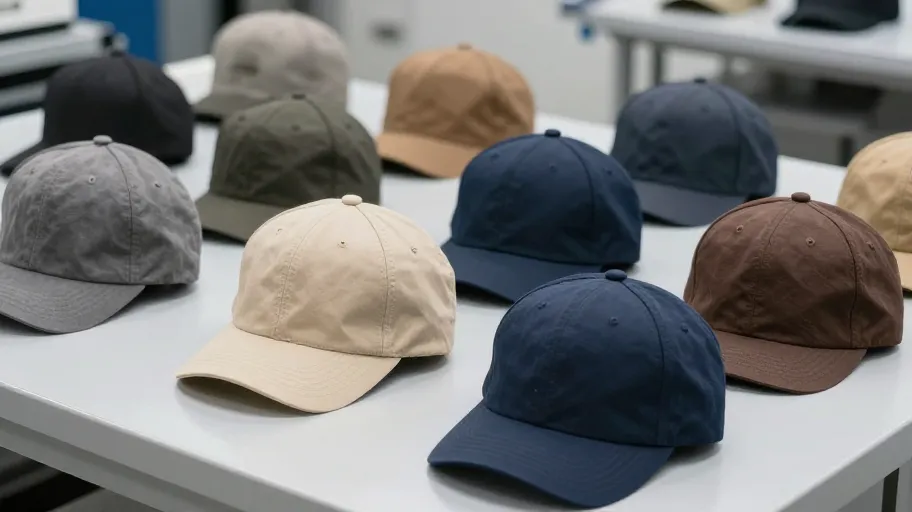
  • One cap in your specified style (for example, structured 6-panel, unstructured 5-panel, trucker mesh-back, snapback, or dad hat).
  • Your chosen fabric or fabric combination (cotton twill, brushed cotton, polyester blend, wool blend, mesh).
  • Your decoration: embroidery, woven patch, sublimation print, screen print, heat transfer, or rubber appliqué — applied in your approved position.
  • Your closure type (plastic snap, metal buckle, leather strap, velcro, or fitted).
  • Sweatband, eyelets, button, and back stitching in the agreed configuration.

Documentation components (confirm availability):

  • A specification sheet listing fabric weight, stitch count targets, and decoration method.
  • A pantone or color reference card for each panel and thread.
  • A care label and interior brand tag (woven or heat-stamped) in your approved format.

What a sample does not automatically include: a guarantee of bulk consistency, a pre-production (PP) sample for re-approval after bulk fabric arrives, third-party test reports, or a written sample policy covering re-sample costs. You must ask for these.

The SAMPLE Check Framework

Inspect every cap sample against six points. This is the SAMPLE Check:

S
Stitching
A
Adjustment
M
Material
P
Print & Decoration
L
Labeling
E
Eyelets & Trims
LetterCheck pointWhat to verify
S Stitching Seam density, thread tension, reinforcement at stress points (crown join, button, back strap). No loose threads, skipped stitches, or puckering.
A Adjustment Closure functions through its full range. Snap teeth engage firmly; buckle teeth grip the strap; velcro holds under a light pull.
M Material Fabric weight and hand feel match what was quoted. Compare against the swatch or GSM figure you agreed on. Panels feel consistent.
P Print & Decoration Embroidery density and coverage match your file. Print registration is clean with no bleeding. Patch edges are sealed and aligned.
L Labeling Care label, size, country-of-origin, and brand tag are present, legible, and correctly positioned. Interior taping covers seams where specified.
E Eyelets & Trims Eyelets are clean-cut and aligned. Button is centered and secure. Binding and piping are even. Sweatband is attached without gaps.

Photograph each checkpoint. Keep a dated record. If you later order bulk, the same six-point check becomes your incoming-quality inspection — so the sample is also your quality template.

Decision Table: What Each Sample Type Proves

Not all samples carry the same evidentiary weight. Use this table to decide what to request.

Sample typeWhat it provesWhat it does not proveWhen to request it
Stock sample (factory's existing cap) Construction capability, baseline stitching quality, material handling. Your specific design, colors, or decoration accuracy. Initial vetting — compare 2–3 factories before sharing your artwork.
Custom sample (built to your specs) Whether the factory can execute your artwork, colors, and construction. Bulk consistency — only one unit is produced. Before placing a bulk order; this is your approval reference.
Pre-production (PP) sample (built from bulk fabric) What bulk will actually look like using production-grade materials. Final QC — bulk still needs inspection. After bulk fabric arrives and before production begins.
Top-of-production (TOP) sample The standard the factory will hold bulk to. That every unit will match — only inspection confirms that. Right before bulk shipping, as the agreed acceptance reference.

A free sample is most commonly a stock sample or a custom sample. Clarify which one you are receiving, because the questions you ask differ.

Questions to Ask Before You Order

Bring these questions to your supplier after you inspect the sample. Document the answers in writing.

Sample policy:

  1. Is this sample built from bulk-grade fabric or showroom fabric? How do the two differ?
  2. If I request changes after this sample, do you charge for a re-sample?
  3. How many re-samples are included before I commit to a bulk order?

Production consistency:

  1. Will I receive a pre-production sample from the bulk fabric before production starts?
  2. What tolerance do you hold for embroidery size, panel color, and stitch density in bulk versus the approved sample?
  3. What is your process if bulk does not match the approved sample?

Documentation and compliance:

  1. Can you provide a specification sheet with the agreed fabric weight, stitch count, and pantone references?
  2. Can you provide third-party test reports for the materials I plan to use? Confirm availability and scope.
  3. What care-label, country-of-origin, and interior-tag information will appear on each unit?

Order terms:

  1. What is the minimum order quantity for this style? Confirm in writing.
  2. What is the production timeline after sample approval? Confirm in writing.
  3. What payment terms apply, and what deposit is required to lock the order?

These questions separate a supplier who can build one good cap from a partner who can reproduce it.

Pre-Order Approval Checklist

Before you approve the sample and authorize production, confirm each item:

  • Sample inspected against all six SAMPLE Check points.
  • Photographs of each checkpoint saved and dated.
  • Colors matched to a pantone or agreed reference under consistent lighting.
  • Fabric weight verified against the specification sheet.
  • Decoration method (embroidery, print, patch) matches your artwork file.
  • Closure tested through its full adjustment range.
  • Interior labels, care tags, and country-of-origin confirmed.
  • Re-sample policy documented in writing.
  • PP sample from bulk fabric agreed and scheduled.
  • MOQ, timeline, and payment terms confirmed in writing.

If any box stays unchecked, do not approve. A delayed order costs less than a bulk run you cannot sell.

Red Flags to Document

Some signals warrant a re-sample or a second supplier — not a polite email and an approval:

  • The sample arrives without a specification sheet and the supplier cannot provide one.
  • Stitch density or fabric weight differs materially from what was quoted.
  • Colors shift noticeably under daylight versus the lighting in product photos.
  • The supplier declines to commit to a PP sample from bulk fabric.
  • Sample-policy answers are vague or change between emails.
  • The closure, button, or eyelets show inconsistency — these are the cheapest components to get right.

Document each flag. If you still proceed, attach your notes to the purchase order so expectations are traceable.

Frequently Asked Questions

Are free hats samples really free, or is there a catch?

A free sample typically means no per-unit charge for the cap itself. It does not always cover shipping, custom decoration setup, or re-samples after changes. Ask your supplier exactly what "free" includes — sample fee, shipping fee, and decoration setup — and document the answer before sharing your artwork.

How many free samples should I request before ordering?

Request at least two: one stock sample to compare baseline construction across candidate factories, and one custom sample from your chosen supplier to confirm your design. If bulk fabric differs from sample fabric, request a pre-production sample from the bulk roll before approving production.

Can I get a free sample with my own logo and colors?

Many manufacturers offer a custom sample with your logo, colors, and decoration method. Confirm whether custom decoration is included free or carries a setup charge, and confirm whether the sample uses bulk-grade fabric or a generic stand-in. A custom sample that uses showroom fabric still leaves the bulk-fabric question open.

What should I do if the sample looks good but I am worried about bulk consistency?

Request a pre-production sample built from the actual bulk fabric. Pair it with a written tolerance agreement for embroidery size, color, and stitch density, and inspect bulk against the same SAMPLE Check points when production completes. A single approved cap does not guarantee a consistent run — only documented tolerances and incoming inspection do.

What to Do Next

A free cap sample is your cheapest quality-control tool. Inspect it against the SAMPLE Check framework, document every checkpoint, and bring the twelve approval questions to your supplier before you authorize production.

Download the Sample Confirmation Checklist

A printable PDF version of the SAMPLE Check framework, the twelve approval questions, and the pre-order checklist — so nothing slips between email threads.

Download the Sample Confirmation Checklist →

Ready to move from sample to shortlist? Use the sample confirmation checklist to compare suppliers side by side before you commit.

Wholesale Custom Hats – Design Your Branded Caps Today

In the modern world of marketing, it’s crucial for businesses to invest in products that stand out. Among the most versatile promotional items are customized hats. These functional and fashionable accessories provide a perfect way for companies to showcase their brand. At NewGeneration, we specialize in manufacturing premium customized hats and sports caps that not only meet the needs of businesses but also create lasting impressions with their unique designs and impeccable quality.

Why 2026 Is the Year to Finally Upgrade Your Custom Hat Program

Hey old friend!

The holiday hangover is finally gone, the Q1 budget is burning a hole in your pocket, and somewhere in your inbox, a marketing director is asking the question that strikes fear into every procurement professional's heart: "What are we doing for branded gear this year?"

Take a deep breath. Because 2026 is actually shaping up to be the perfect year to stop settling for "good enough" customized hats and start building a program that actually works for your brand.

Why baseball caps are so popular in western countries?

Why baseball caps are so popular in western countries?

Before I introduce the popularity of baseball caps, I’d like to talk about the utibility and origin of baseball hats.

Why Certifications Fail: The Real Secret to Finding Reliable Cap Manufacturers in China

Choosing a cap manufacturer in China shouldn’t hinge on glossy claims. It comes down to process discipline and real-time visibility. Here’s how to cut through the noise and pick a partner that delivers—on time, every time.

Why Choose a Professional Cap Manufacturer for Customized Sports Caps and Personalized Hats

In the competitive world of custom apparel, businesses are continuously searching for ways to stand out. Hats, as versatile and stylish accessories, are often a top choice for promotional items, team uniforms, or retail lines. However, the key to creating hats that not only represent your brand but also offer lasting quality is partnering with a professional cap manufacturer or cap factory. This article explores the critical reasons why businesses should opt for a specialized hat manufacturer, especially when it comes to customized hats, custom sports caps, and personalized hats.

Why Choose New Generation as Your Cap Manufacturer for Customized Hats and Personalized Sports Caps?

In the fast-paced world of fashion and branded merchandise, standing out means more than just quality; it means offering something personal, creative, and impactful. If you are looking for a reliable cap manufacturer and cap factory to bring your unique hat designs to life, New Generation is here to meet your needs. From customized hats to personalized sports caps, we understand the value of creativity and customization in B2B markets. In this article, we will explore why partnering with New Generation is the best choice for your business.

Why Choosing the Right Cap Manufacturer for Creativity Customized Hats Can Boost Your Brand Success

In today’s fast-paced, competitive market, companies are always looking for ways to stand out. One effective strategy that can help your brand achieve greater visibility and customer engagement is through creativity customized hats. Whether for sports teams, promotional events, or retail products, customized caps offer a unique way to enhance brand identity. But to make the most of this opportunity, choosing the right cap manufacturer is crucial. In this article, we’ll explore how partnering with the right cap factory can significantly benefit your business.

Why Choosing the Right Cap Manufacturer for Customized Hats and Personalized Sports Caps Can Boost Your Brand

custom-designed headwear has become a must-have for businesses looking to stand out and make a lasting impression, Whether you're in the sports industry, the corporate world, or the fashion scene, partnering with the right cap manufacturer can make a significant difference in the success of your custom sports caps and personalized hats.

In this article, we will dive into why selecting the right cap manufacturer is crucial for your brand, how it can boost your marketing efforts, and how you can make informed decisions when customizing hats to align with your brand's identity.

Why Choosing the Right Cap Manufacturer Matters: Elevate Your Custom Hat Design and Stand Out in the Market

In today's competitive market, the right cap manufacturer can be the difference between a successful business venture and a mediocre one. With the growing demand for customized hats, it is essential to partner with a manufacturer that not only understands your needs but can also bring your unique hat design visions to life. This article delves into the importance of selecting the right cap factory and how it can significantly impact your brand's success.

Why Comfort Is the Missing Link in Industrial Wearable Technology

Smart headwear is no longer about gimmicks—it’s about real-time health monitoring, durable integration, and all-day wearability. Meet the tech-packed hats transforming safety, performance, and ROI across industries.

Why Complex Decisions Look Simpler in a Great Hat

Friday has a unique effect on the business mind. The week's noise starts to fade, and priorities come into sharper focus. For B2B buyers evaluating their next move, this clarity is priceless. In the competitive landscape of 2026, one of the clearest decisions a brand can make is to invest in a customized hats program that genuinely stands out—not through hype, but through undeniable quality and strategic execution. The right cap manufacturer is the critical partner in this mission, turning a simple procurement item into a cornerstone of your brand's tangible identity.

The market is crowded. The difference between a forgettable accessory and a defining brand asset lies in a partnership that prioritizes precision, reliability, and forward-thinking hat design. When you choose correctly, every other complex branding decision feels simpler.

Why Custom Sports Caps and Personalized Hats are the Key to Boosting Your Brand’s Visibility and Sales

In the competitive world of branding, businesses are constantly looking for unique ways to stand out. One of the most effective and cost-efficient methods to enhance brand visibility is through customized promotional items. Among these, custom sports caps and personalized hats are gaining immense popularity. As a leading cap manufacturer and cap factory, New Generation specializes in creating high-quality, customizable hats that perfectly align with your brand identity. But why are customized hats so powerful, and how can they help you boost both your brand's visibility and sales?

Why European Brands Choose New Generation as Their Cap Manufacturer in China

For European fashion houses and corporate entities, the search for a cap manufacturer often involves balancing cost-efficiency with uncompromising quality and ethical standards. As the regulatory landscape in the EU tightens around sustainability and supply chain transparency, more brands are turning to New Generation—a premier cap factory in China that speaks the language of European quality.

Why Global Brands Are Rethinking Everything for Chinese Hat Factories

China’s hat factories don’t just make headwear—they redefine what’s possible in speed, customization, and reliability. Over 60% of the world’s hats start here, powered by systems that blend automation, proximity, and precision. Here’s how it actually works—and why your brand might already be missing out.

Why Leading Businesses Choose NewGeneration: A Cap Manufacturer That Combines Precision, Creativity, and Customization

In the ever-evolving fashion and promotional goods industry, businesses are continuously searching for reliable partners who can deliver both quality and innovation. Whether it's for retail branding, corporate events, or sports team merchandise, hats remain a timeless accessory that bridges fashion and function. For companies looking to scale their customized hats offerings, partnering with the right cap manufacturer or cap factory is not a luxury—it's a necessity.

At NewGeneration, we specialize in providing high-quality customized hats with a focus on professional hat designing and efficient B2B service. Here's why businesses across the globe consistently choose us as their go-to cap manufacturer.

Why Men Adore Snapback Hats So Much

Why Men Adore Snapback Hats So Much

What's the point of wearing a rigid, ill-fitting hat that causes you to sweat? Because it looks wonderful, you're willing to overlook the drawbacks, right? What if we told you there was no need to pick between the two?

Why Most Hat Brands Lose Money in China (And How to Avoid It)

Most headwear brands fail their first China run—not because of the factory, but because their tech pack was a sketch, not a blueprint. Precision specs cut sampling errors by up to 70%. Here’s how to get it right.

Why New Generation is the Cap Factory You Can Trust for Customized and Personalized Hats

In today’s fast-paced B2B market, finding a reliable cap manufacturer is more than just a business decision — it’s the key to ensuring your brand stands out with high-quality, innovative hat solutions. New Generation specializes in creating customized hats and personalized hats tailored to meet the unique demands of businesses worldwide. From stylish baseball caps to intricate bespoke designs, we combine exceptional craftsmanship with advanced production capabilities to deliver outstanding results.

Why New Generation Is the Cap Manufacturer You Need for Customized Hats and Custom Sports Caps

In the competitive world of branding and business, every detail matters. For companies looking to make a lasting impression, customized hats have proven to be an effective and versatile solution. Whether it's for promotional events, sports teams, or employee uniforms, having high-quality custom sports caps or uniquely designed hats can significantly elevate your brand’s image.  As a leading cap manufacturer and cap factory, New Generation specializes in crafting premium customized hats and custom sports caps that meet the diverse needs of B2B clients worldwide. With a focus on innovation, quality, and customization, we help businesses turn simple caps into powerful branding tools.

Why New Generation Is Your Ideal Cap Manufacturer for Customized and Personalized Hats

In the dynamic world of fashion and branding, the right accessories can make all the difference. For businesses, finding the right cap manufacturer is crucial, especially when looking for products that can be customized to reflect unique brand identities. New Generation is a leading cap factory that specializes in customized hats, including personalized hats and custom sports caps, designed to elevate your brand's visibility and appeal. Here’s why New Generation should be your go-to partner for all your custom hat needs.

WHY OUR CAP FACTORY IS THE GO-TO CAP MANUFACTURER FOR QUALITY AND STYLE

Choosing the right cap manufacturer and cap factory is crucial for ensuring the quality and style of your caps. Our cap factory has established itself as the go-to manufacturer for clients seeking top-notch products. Here’s why.

Why Partner With Snapback Hat Manufacturers For Your Brand?

Snapback hats have become a popular accessory in the fashion industry. They come in various designs, styles, and colors, making them a favorite among people of all ages.


Contact Us

+(86) 755 2830 2782

From 8:00 AM to 20:00 PM, UTC/GMT +6h

info@newgeneration.hk

SHUZIGUIGU INDUSTRIAL PARK 89 HENGPING ROAD HENGGANG, LONGGANG, SHENZHEN CHINA

The Manufacturer

About New Generation Headwear

New Generation Headwear is a Professional Custom Cap Manufacturer in China.

Cap Sampling Process

Cap Manufacturing Process

How To Custom Hat

Facebook

Instagram

汽水音乐mumu模拟器谷歌邮箱telegramtodesk易翻译