


Introduction to the Balance of Innovation and Tradition in Cap Manufacturing
In the world of cap manufacturing, there is a delicate balance between honoring tradition and embracing innovation. As a leading cap manufacturer and cap factory, New Generation understands this balance and strives to incorporate both elements into our manufacturing process.
Picking the wrong cap manufacturing factory can sink your launch. We break down the five non-negotiables that separate reliable partners from margin-eating disasters—so you don’t pay twice for a cheap quote.
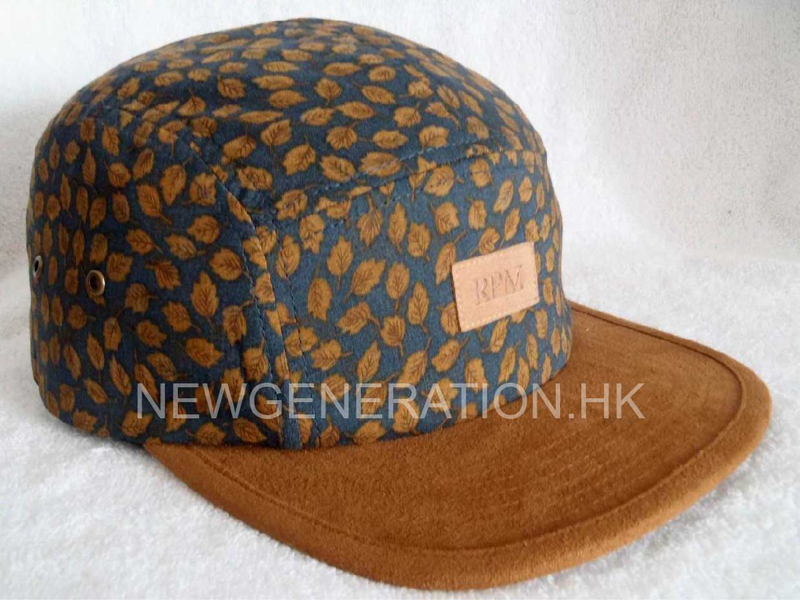
Cap and hat manufacturing is a thriving industry that caters to athletes, fashion enthusiasts, and everyday consumers alike. As a result, the market is highly competitive, with several global and regional players vying for a share of the market. In this article, we will explore the design process of a baseball cap, one of the most popular styles of headwear, and the steps involved in creating a custom hat for your business.
Choosing a cap manufacturer shouldn’t be a gamble. Documentation maturity—not sample quality—is the real predictor of production success. Here’s how to make better decisions, faster.
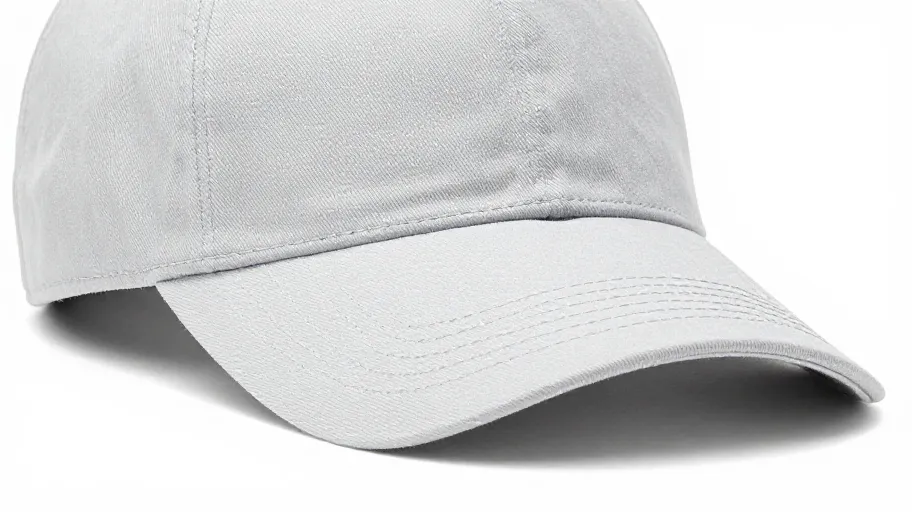
Choosing between 5-panel and 6-panel caps isn’t just style—it’s a supply chain decision. Get it wrong, and you face rework, delays, and damaged brand trust. Here’s what actually matters when sourcing from Chinese factories.
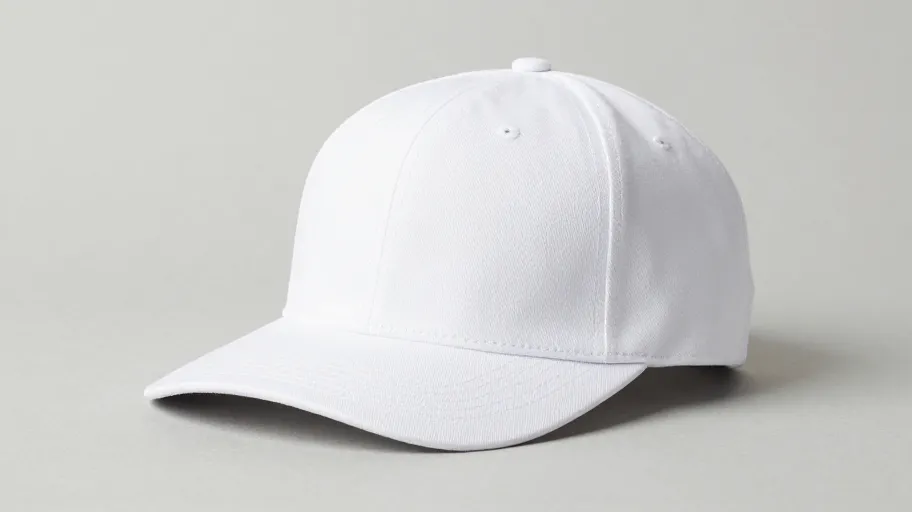
Choosing between 5-panel and 6-panel caps isn’t just about style—it’s a sourcing strategy. Lower MOQs, faster sampling, and better branding control start with understanding how panel count shapes cost, quality, and scalability—especially when working with cap manufacturers in China.
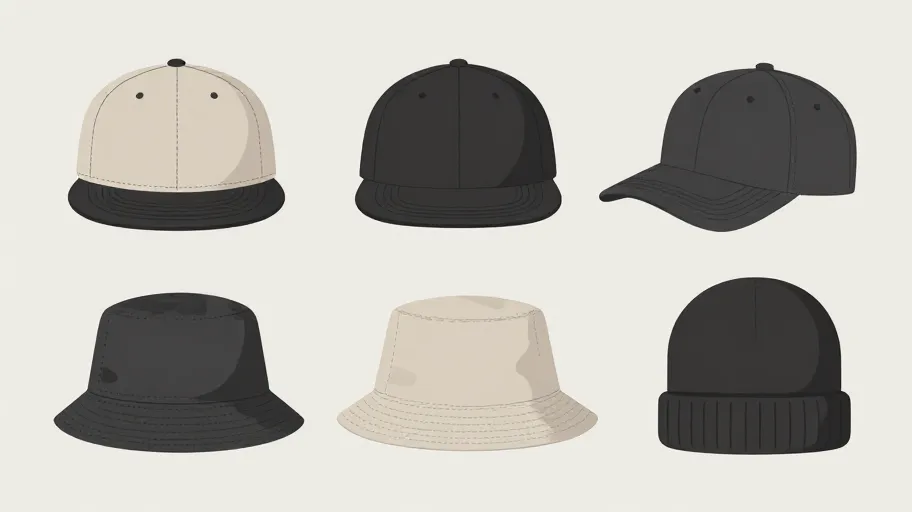
Finalizing a hat tech pack without aligning on cap terminology and factory capabilities risks costly rework. We’ll show you how top brands cut sample revisions by up to 70%—starting before they even pick a cap factory.

Global sustainable fashion lines are shifting from superficial green claims to verifiable supply chain transparency. Leading cap manufacturers with GRS (Global Recycled Standard) certification are setting a new industry baseline, providing fully audited raw materials and traceable ethical production data that survive rigorous compliance checks.

Most caps end up in landfills within a year. But a new wave of GRS-certified baseball cap manufacturers is changing that — with verified recycled materials, transparent supply chains, and real business upside.
- Up to 70% less waste
- 20–30% pricing power with eco-conscious buyers
- No more greenwashing risks
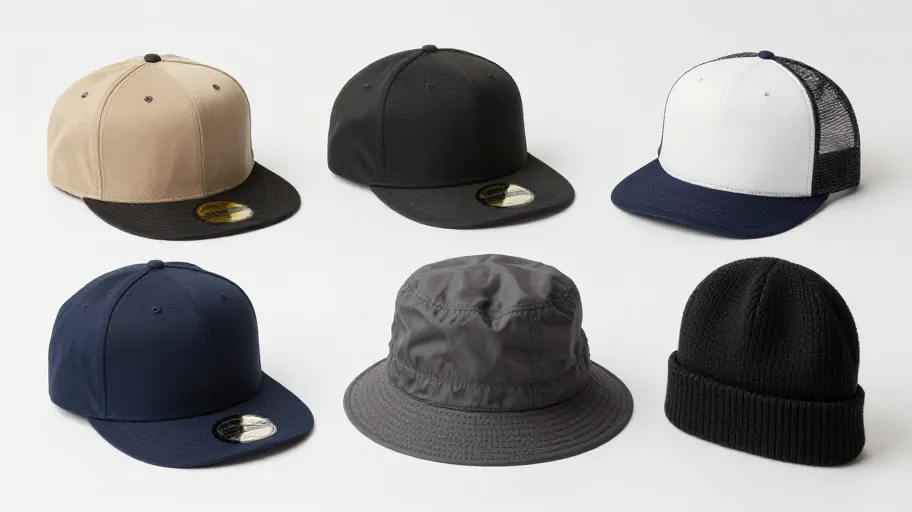
Consistent quality isn’t luck—it’s engineered. For cap manufacturers in China, a simple checklist can cut defects by half and unlock real design freedom. Here’s how top hat manufacturers in china get it right.
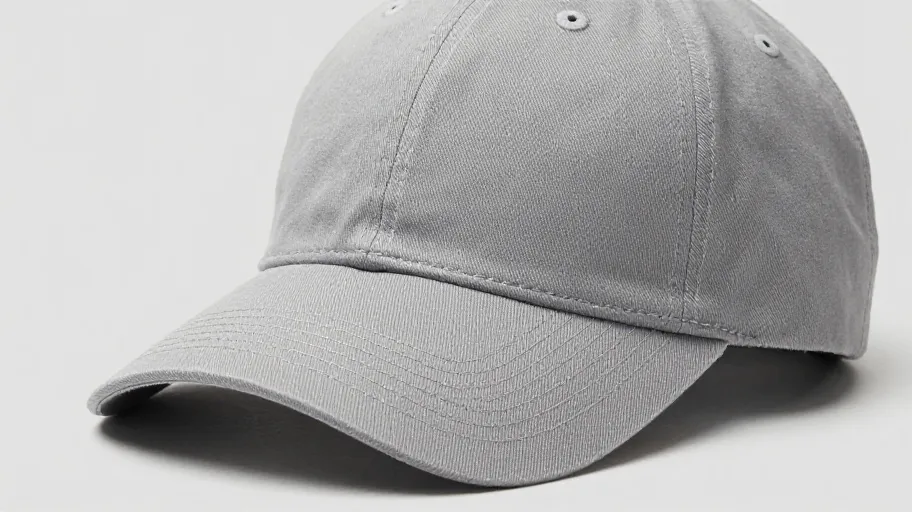
More than 80% of the world’s headwear comes from China. But not all factories are equal. Learn how smart brands use technical checklists to lock in quality, protect IP, and get to market faster.
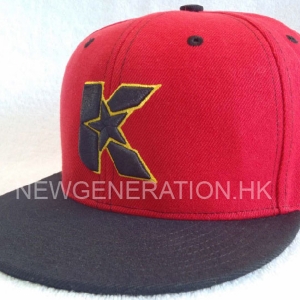
我见过价值 3 万美元的“做旧”老爹帽订单最终全部报废,仅仅因为工厂和品牌对“复古水洗”的定义不同。帽子技术包 不仅仅是设计工具;当你与中国帽子工厂合作时,它更是你的法律和财务防线。
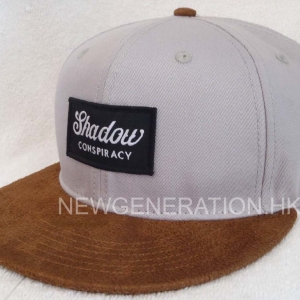
Last year, a brand lost $12,000. Not because the factory was bad. It was because their tech pack used the word "structured" — a term so vague it's a death trap in a cap factory. They didn't specify buckram weight, and that silence cost them a whole season.
The cap manufacturer in China used 250gsm for the first 500 units, then quietly switched to 180gsm when their local sub-supplier ran out of stock. Half the shipment stood up. Half collapsed in a humid warehouse in Long Beach. Same PO. Same price. Total disaster. I’ve seen this happen even with 'top-tier' factories in Dongguan.
Here’s the thing: over 40% of snapback defects aren't machine errors. They're missing numbers. No GSM. No SPI. No tolerance limit. If you leave a blank space, the cap factory will fill it with the cheapest option available.

A quote shouldn’t be a price tag. It should be a promise backed by data. Top-tier cap manufacturers in China now differentiate through technical precision, ethical production, and digital quoting systems that cut rework costs by over 30%.
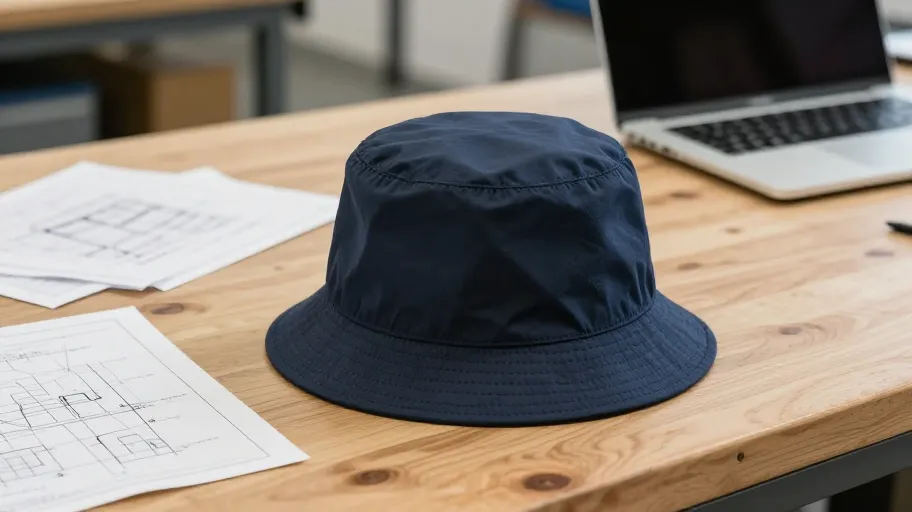
One missing line in a spec sheet cost a U.S. factory nearly half a million dollars. We break down how complete Drawing BOMs and version-controlled Approval Notes stopped the bleed—and turned documentation into profit.
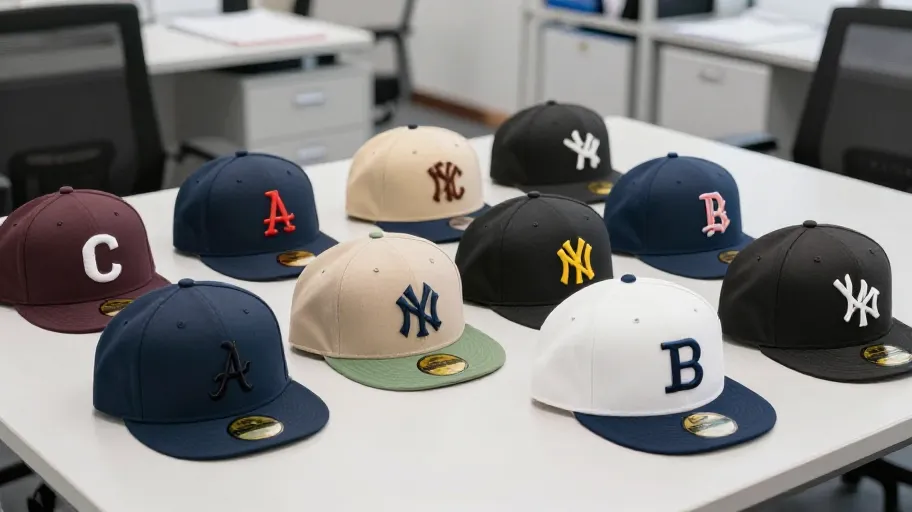
Picking a cap factory based on a stitched sample is like judging a cookbook by its cover. Real reliability lives in the documents. We’ve seen brands save eight figures by auditing workflows, not just weaves.
Sourcing custom caps from China doesn’t have to mean gambling on quality. Smart brands use documentation and free samples as low-cost insurance—so they scale with confidence, not recalls.
Most custom cap sourcing fails not because of materials or machines—but because of missing paperwork. A documentation-first supplier comparison reveals real manufacturing capability before production starts, cutting risk by up to 70%.
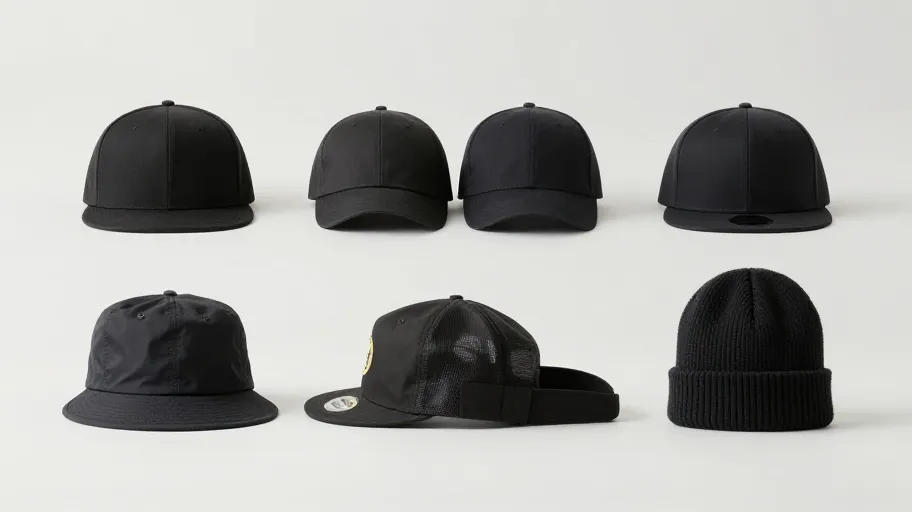
Choosing a custom hat manufacturer shouldn’t feel like gambling. With a documentation-first approach, brands cut onboarding time by up to 50% and slash production errors. Here’s how the pros do it.
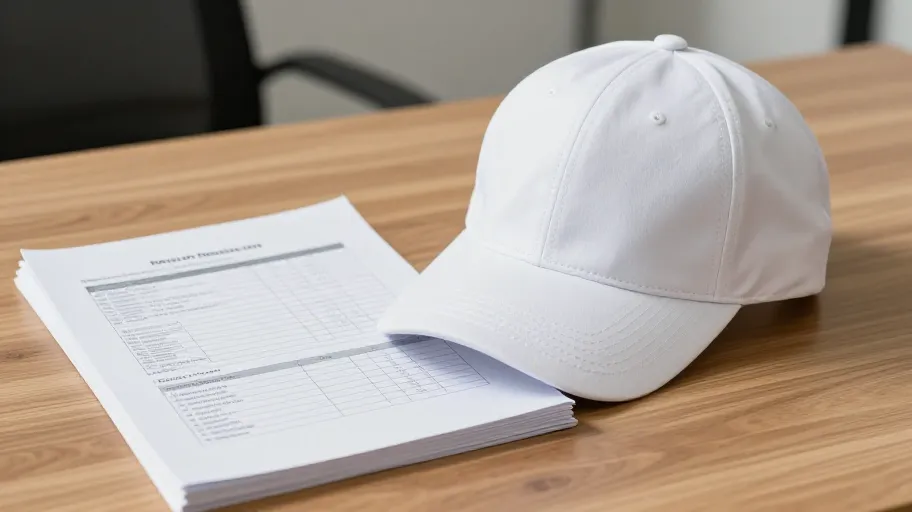
Sourcing baseball cap manufacturers in China doesn’t have to be risky. With a documentation-first approach, you can cut defects by up to 68% and still get free hats samples from trusted cap factories. Here’s how we help brands avoid costly mistakes—before production even starts.
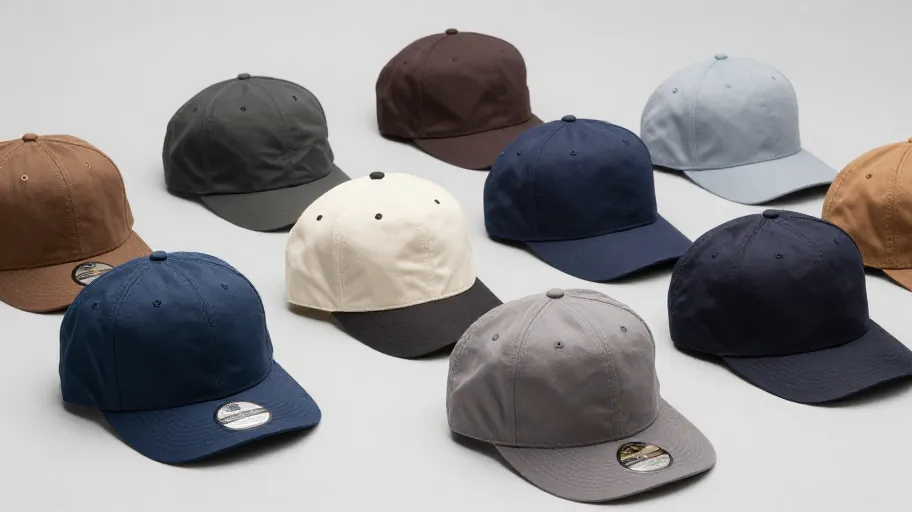
Most brands get snapback cap sourcing wrong. The fix? A documentation-first audit that reveals quality before production starts. You’ll save time, money, and avoid disaster shipments. Here’s how to do it right.
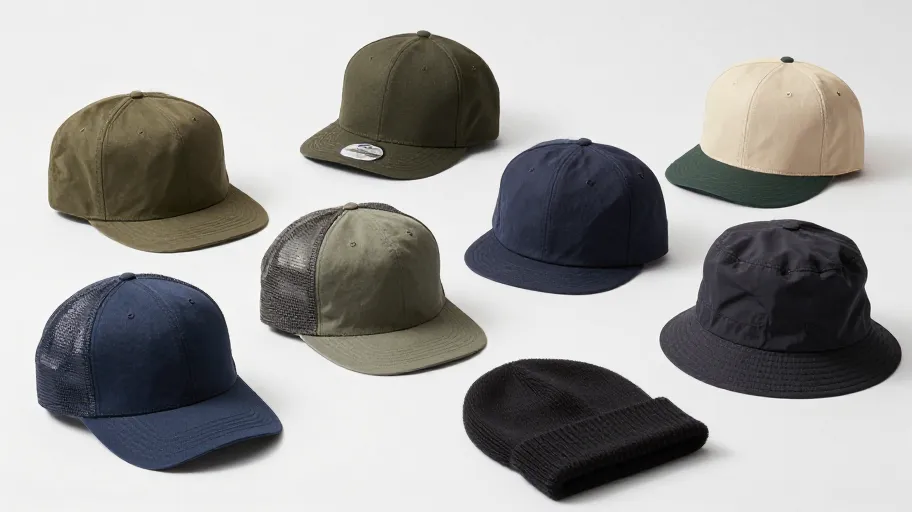
Getting custom bucket hats right starts long before stitching—it begins with smart fabric choices. Bad materials sink brands, no matter how cool the logo. Here’s what actually matters when working with a custom cap manufacturer.
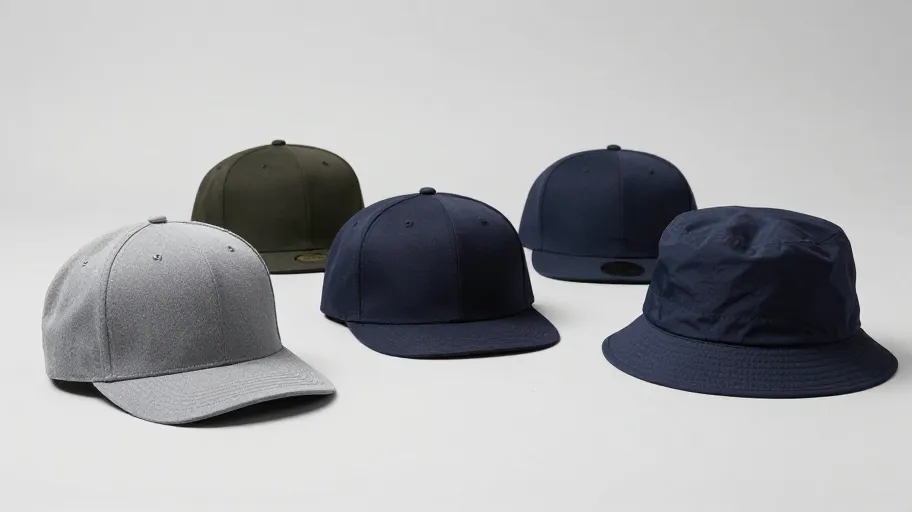
Most brands treat cap manufacturing like a simple purchase. But the real cost isn’t in the fabric—it’s in the mistakes that come after. Precision at the material level means fewer returns, faster launches, and branding that stays sharp across 50,000 units.
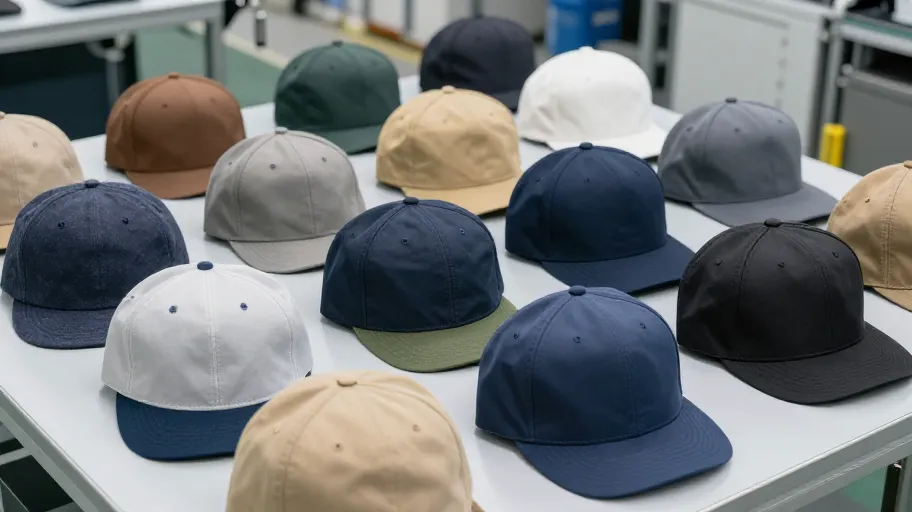
Choosing a cap factory in China shouldn’t come down to glossy photos or Alibaba badges. 68% of quality defects stem from unverified supplier claims. Here’s how leading brands use on-the-ground proof—not promises—to make smarter sourcing decisions.
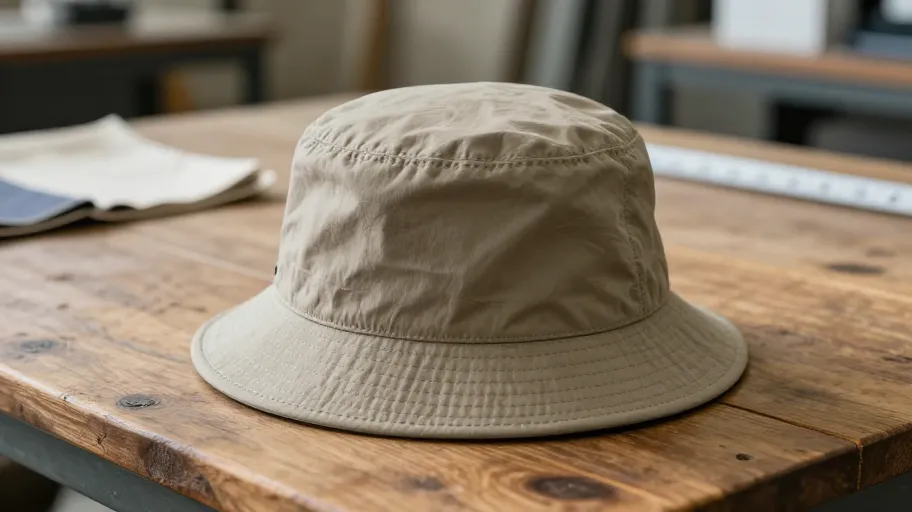
Partnering with the right cap factory in China can cut production costs by 40–60% while improving quality. This guide delivers a proven framework for sourcing bucket hats—covering material selection, technical terminology, and brand integration—to eliminate costly missteps.
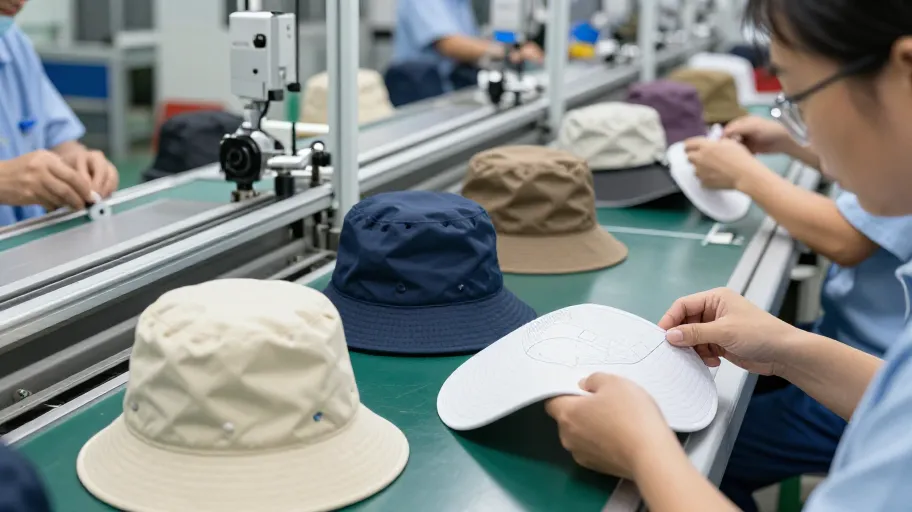
Most brands lose money on bucket hat production before cutting a single yard of fabric. The fix? A factory checklist that turns assumptions into precision. Here’s how we helped three outdoor brands cut defects by up to half and ship faster — starting with what not to call “standard ventilation.”
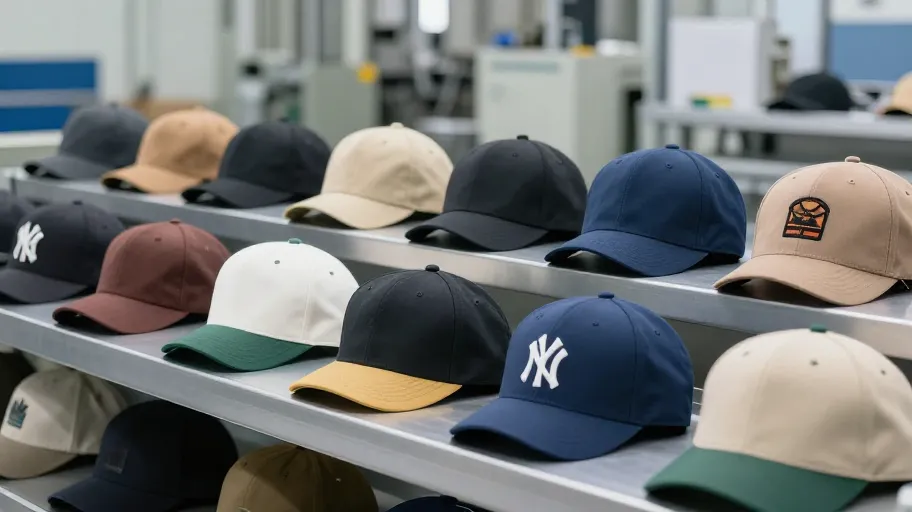
Top cap manufacturers don’t rely on gut feelings—they win with proof. A documentation-first approach cuts delays, slashes defects, and turns supply chains into competitive advantage.
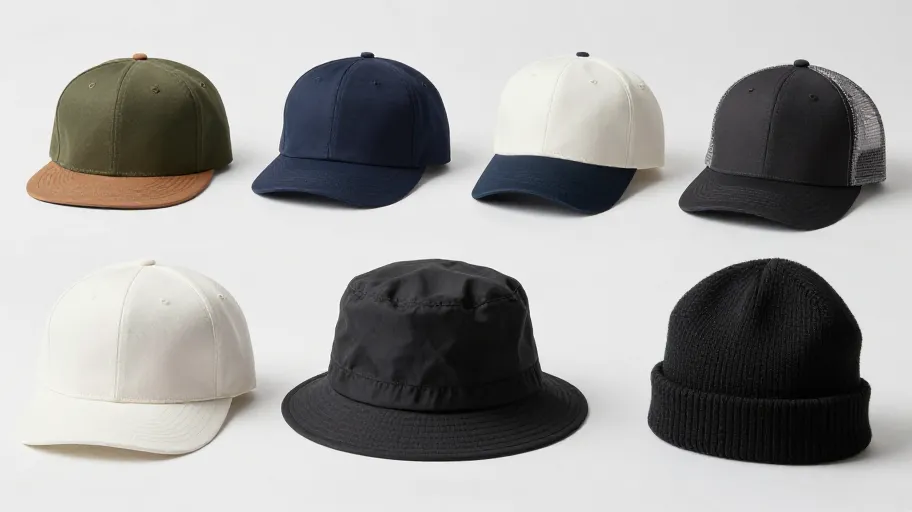
Accurate hat tech packs cut sampling time by up to 50% when working with headwear manufacturers in China. This guide shows you how to build one that speaks the factory’s language—no translators needed. Clarity isn’t overhead; it’s velocity.
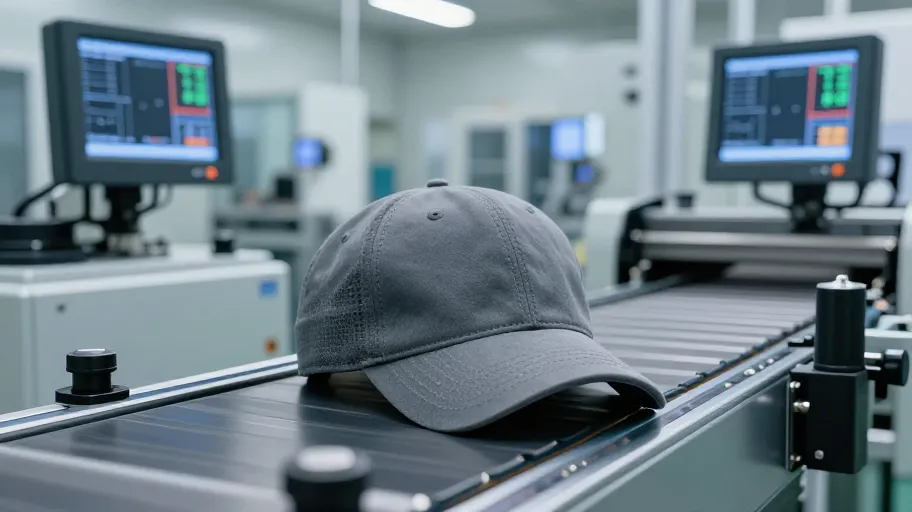
You don’t pick a cap factory based on brochures. You pick one that lets you see live production data and welcomes surprise audits. Here’s how top brands separate real capacity from sales talk.
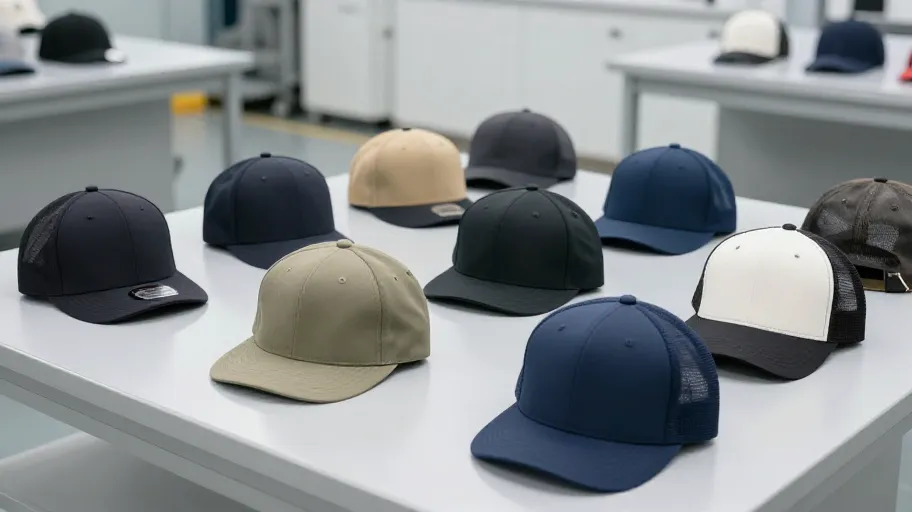
Choosing a cap factory in China shouldn’t come down to slick brochures or export volume. Real reliability comes from verifiable data. Here’s how to assess manufacturers like a pro—using transparency, third-party audits, and operational metrics that actually matter.
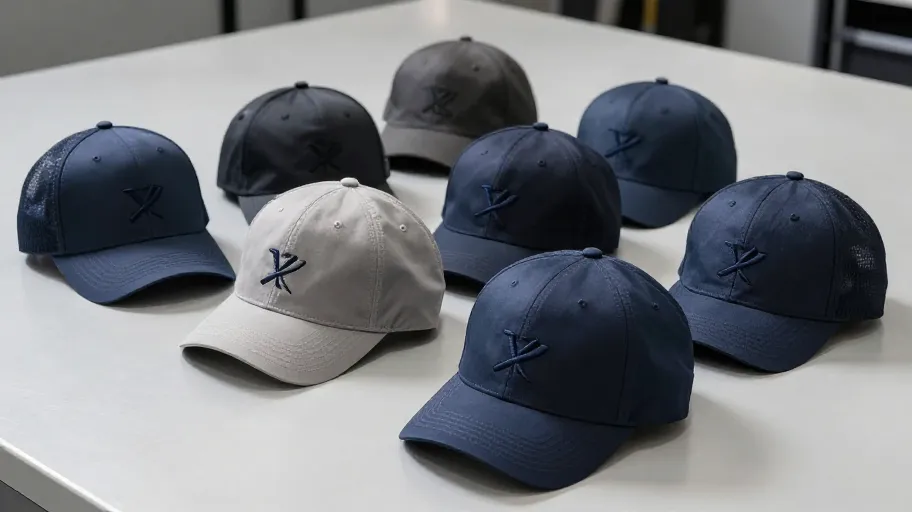
Signing with the wrong cap factory can sink your launch. We’ve seen brands lose nearly $90K overnight. Here’s how to vet a bucket hat factory like the pros—before you cut a single yard of fabric.
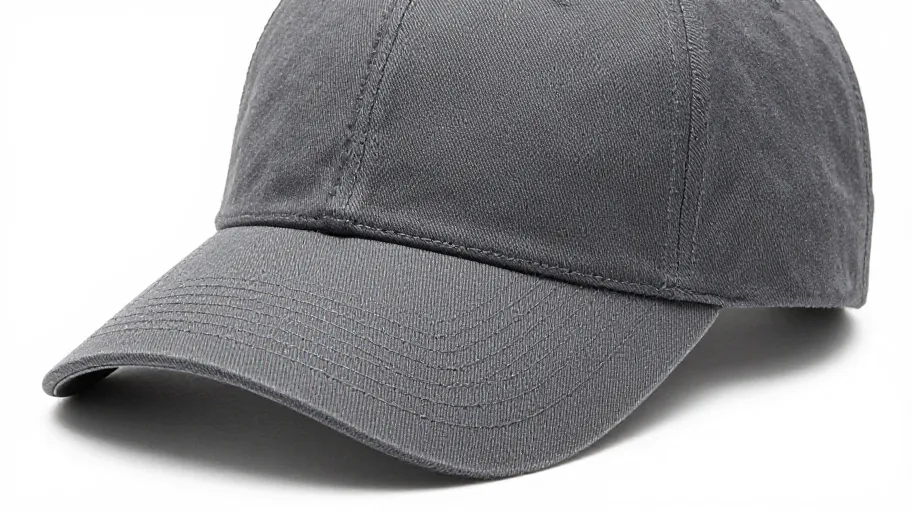
Free cap samples can save you thousands—but only if you know what to look for. Most brands miss the red flags. Here’s how to use samples as real quality probes, not just free swag.
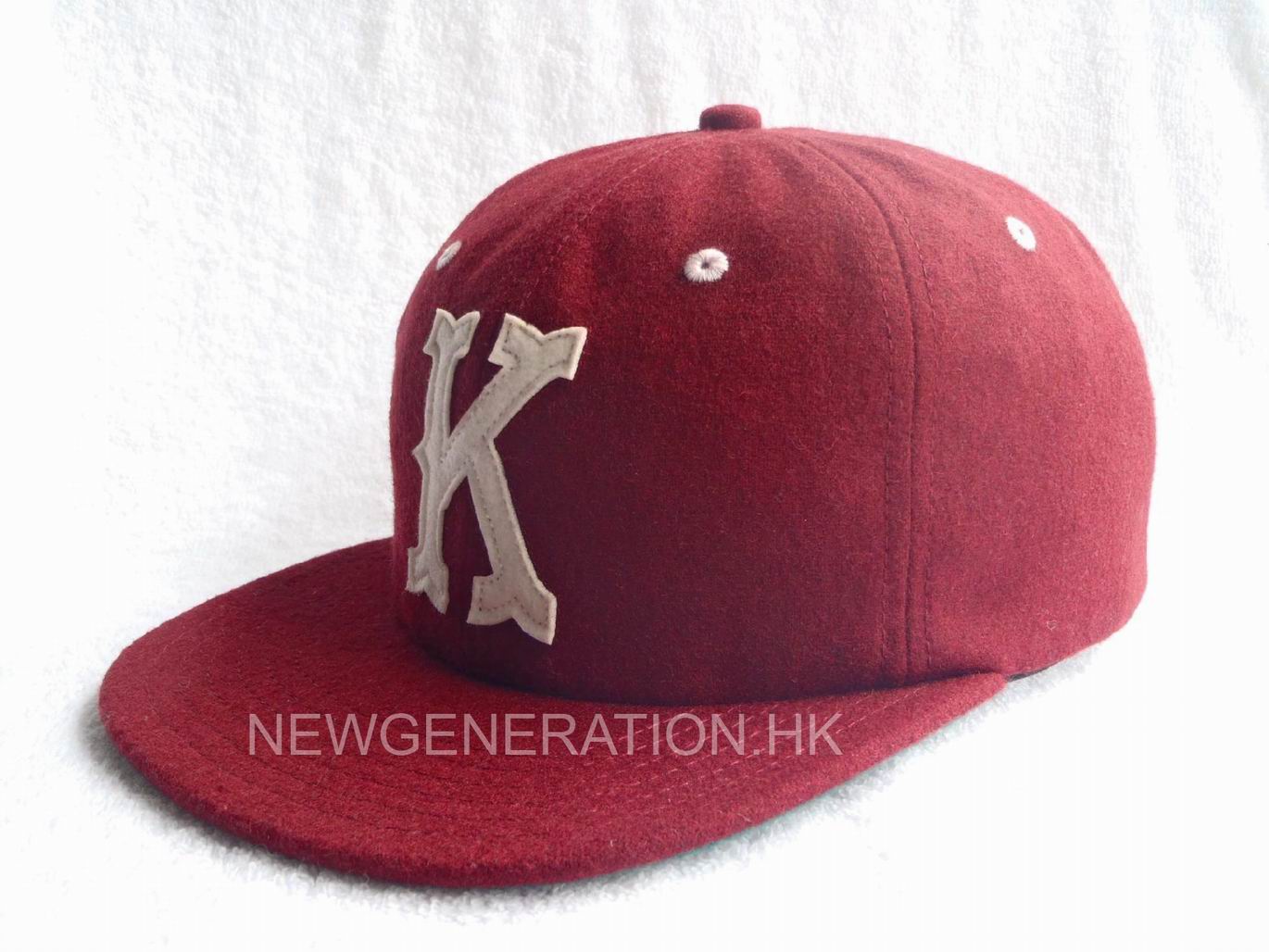
In the fast-paced world of business, standing out from the crowd is essential. Brands are constantly searching for innovative ways to create a lasting impression and build a loyal customer base. One of the most effective strategies for enhancing brand visibility and engagement is through customized hats. Whether it's custom sports caps, personalized hats, or other tailored headwear, the trend of using hats for branding purposes is gaining momentum globally.
into day’ makes the fast-pace business world, As the demand for personalized products grows, businesses are turning to customized hats to represent their unique brands. Custom sports caps and baseball caps have become the go-to choices for companies looking to create something that resonates with their audience, whether it’s for sports teams, corporate giveaways, or casual promotions.

As a leading cap manufacturer, we understand the importance of personalized hats in creating memorable and lasting impressions. This article delves into the world of customized hats, with a focus on custom sports caps and baseball caps, and explains how they can elevate your brand while meeting your business needs.
A $89K mistake over misaligned grommets isn’t just bad luck—it’s a symptom of broken workflows. Integrated hat tech packs fix that by syncing every detail in real time. Here’s how brands are using them to ship faster, smarter, and with fewer surprises.
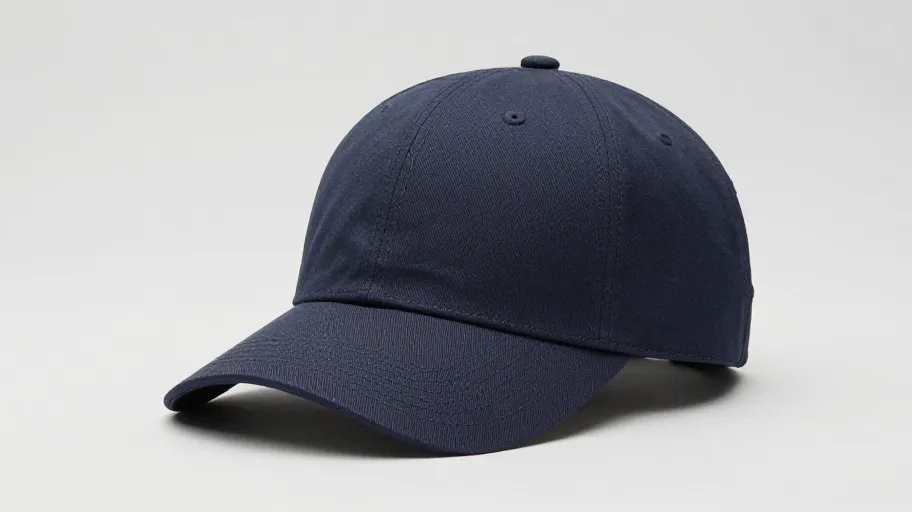
Most hat designs fail not because they lack style—but because they lack specs. A hat tech pack changes that, turning creative vision into factory-ready instructions with zero guesswork.
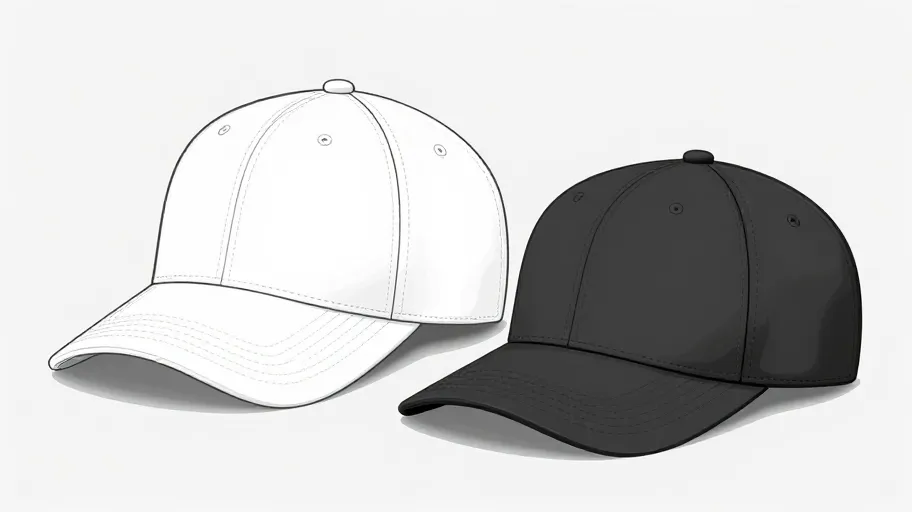
Turning a sketch into a sellable hat shouldn’t mean months of revisions, mismatched brims, or missed retail windows. Hat tech packs are ending the chaos—centralizing specs, slashing errors, and accelerating time-to-market with precision that scales.
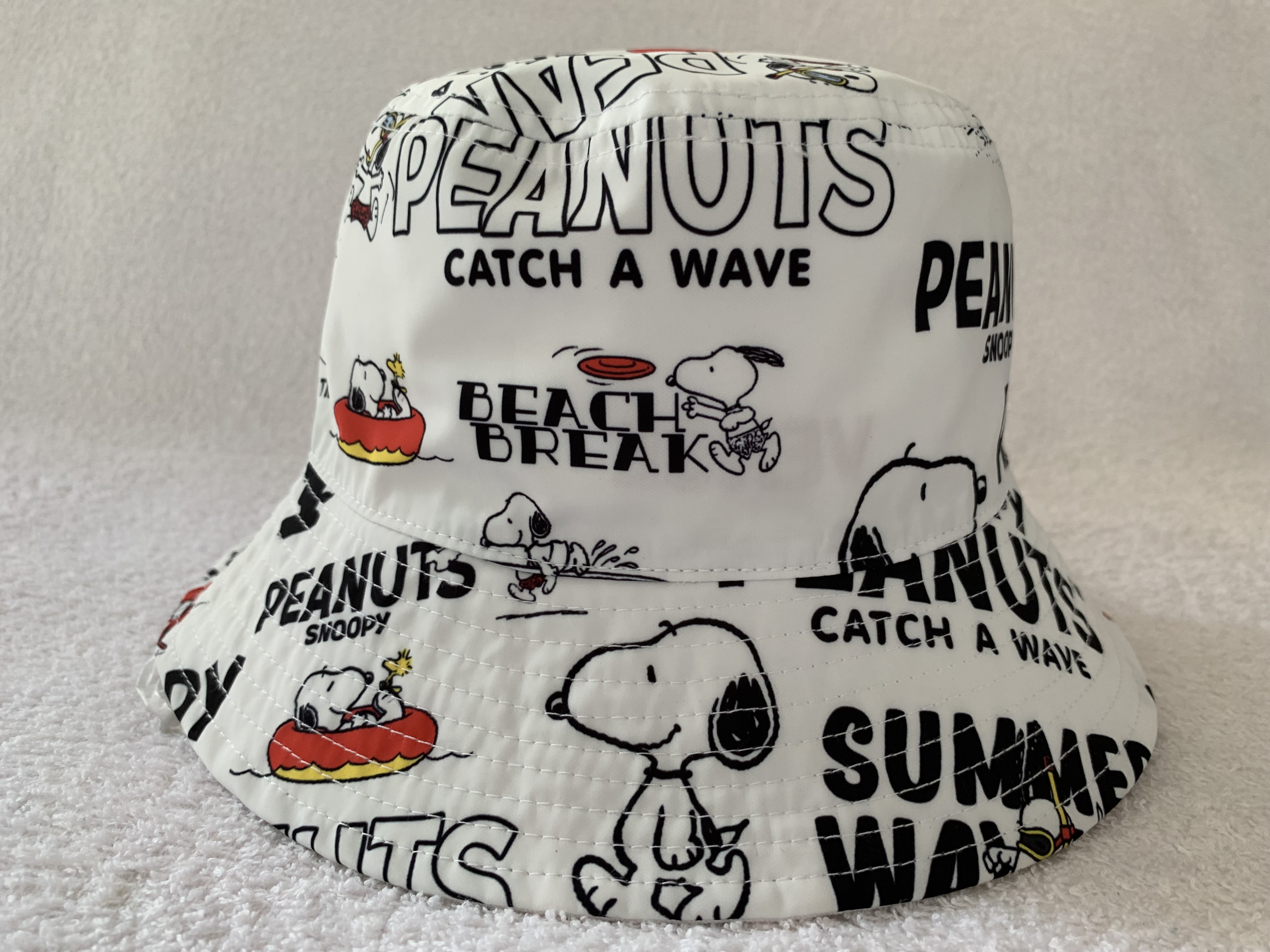
Creating a precise hat tech pack is the most effective way to ensure quality and consistency when manufacturing headwear in China. Brands that skip this step face up to 40% rework rates, costly delays, and inconsistent production. This guide delivers a proven framework to get it right the first time.
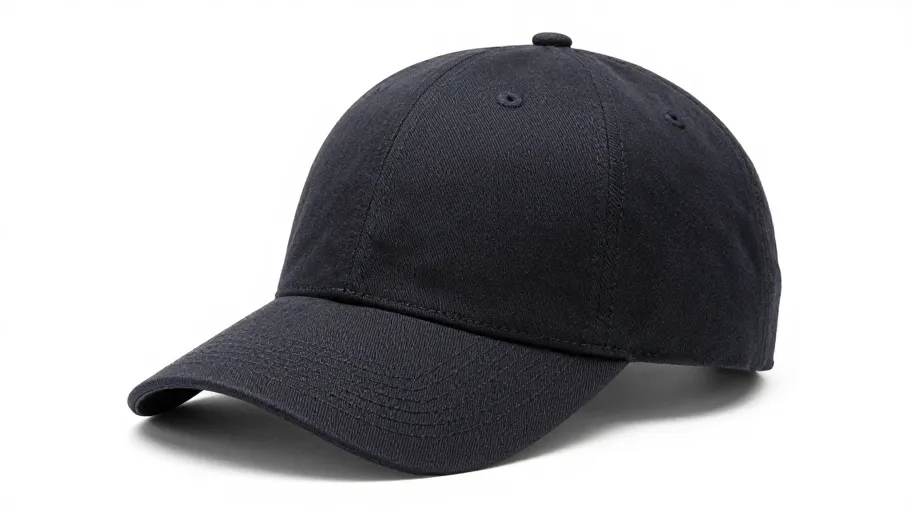
Most brands fail their first hat production run in China—not because of quality, but because they skip the tech pack. A precise spec sheet cuts sampling rounds by up to 70% and gets your product to market weeks faster.





