NEWS

ALWAYS ON TOP

Why Your Customized Hats Process Has More Bugs Than Your Legacy Software

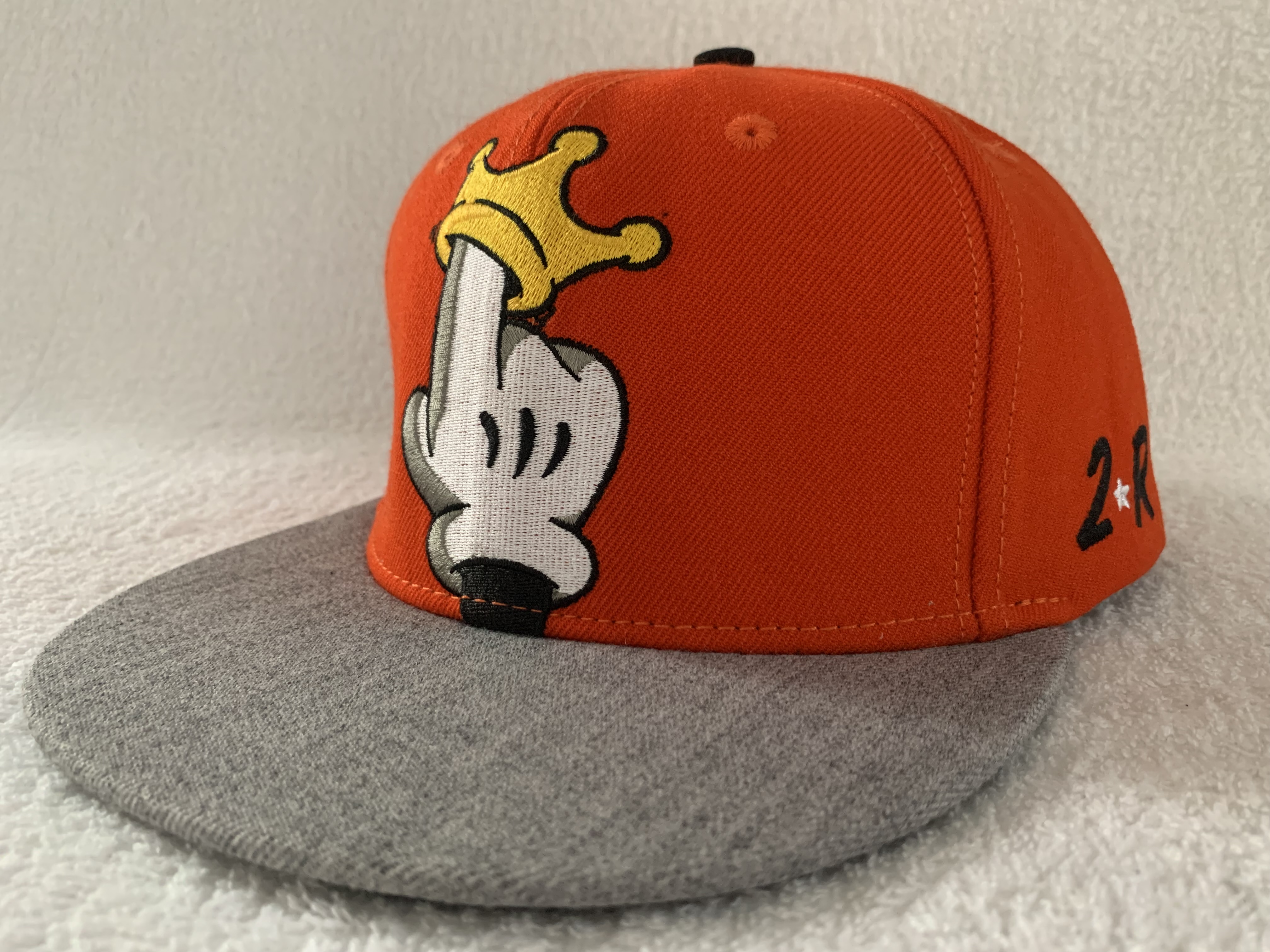
Picture this: Your engineering team just shipped a major update with zero downtime. Your CI/CD pipeline is humming along beautifully. Then you open that new shipment of customized hats for the upcoming tech conference, and suddenly you're debugging a manufacturing process that seems to run on Internet Explorer.

The logo that looked perfect in your design file now resembles something from a glitch art exhibition. The colors are off by several hex codes, and the stitching has more issues than your first MVP.

If this sounds familiar, you've experienced what we call the Tech Branding Paradox: your company operates with engineering precision, but your cap manufacturer seems to be working with different physical laws altogether.

Why Your Eco-Friendly Caps Aren't Actually Sustainable


GRS-Certified Cap Manufacturers: The 2026 Sourcing Audit Guide

Last Updated: May 25, 2026 | By: Alex Chen, Supply Chain Audit Lead

GRS-certified cap manufacturers prove their recycled content through auditable Transaction Certificates — without them, your shipment can be held at customs for weeks. Here's what to check before you place your next PO, based on 50+ factory audits across China and Vietnam.

I just got back from a 3-day inspection at a 1,200-worker cap factory in Yiwu, Zhejiang. The air in the dye house was heavy, but the paperwork was clear: they had their GRS Transaction Certificates stacked on the desk for every batch from the last 6 months, issued by Control Union and valid through October 2026. That inspection saved our client an estimated €47k in potential penalty exposure.

That's the difference between smooth customs clearance and a 3-week hold in Hamburg that costs you €180k in lost sales. In 2026, if your cap manufacturers can't show you the digital TC linked to your specific PO within 24 hours, you are playing with fire.

Case Study: The €180k "Missing Paperwork" Lesson

Last April, one of our clients — NordicStyle — imported 25,000 recycled polyester caps. Their cap factory claimed the material was GRS-certified. Everything looked perfect until German customs demanded the chain-of-custody documentation for the webbing and thread.

The factory couldn't provide it. The dye house was using a non-certified fixing agent — a ZDHC MRSL violation that would have flunked any EU customs inspection. The result? The entire shipment was quarantined for 22 days, causing a major seasonal stockout. We had to rush-reorder through an audited partner at a 20% premium just to meet the launch. Total loss: over €180,000 in liquidated damages and air-freight costs.

I've seen too many purchase orders killed by a missing signature on a TC form. The paperwork isn't bureaucracy — it's your insurance policy against a write-off like that.

Scope Certificate vs. Transaction Certificate: The Difference That Matters

Most buyers confuse these two documents. The distinction determines whether your shipment clears customs or gets flagged.

Table 1: SC vs. TC — What Each Proves
DocumentIssued ToValid ForWhat It ProvesHow to Verify
Scope Certificate (SC) The facility (factory / mill) 1 year (annual renewal) Factory is certified to handle GRS materials Textile Exchange database — check "Headwear" in scope
Transaction Certificate (TC) A specific shipment batch Single transaction<\/td> Specific materials in that batch are certified Verify material weight, origin, and buyer match

Cap manufacturers must hold a valid SC to issue TCs. If the SC expires, any TCs issued after that date are invalid — and so is your shipment's compliance claim.4275451

The "No-BS" Compliance Checklist for Sourcing

Don't rely on a salesperson's word. I've done 50+ factory audits across China and Vietnam, and the single biggest compliance gap is always the same: the small components. When you screen new cap manufacturers, demand these three things immediately:

  • The TC Chain: Ask for a copy of a TC from a completed order. Check the "Material Origin" field. Does it match the mill they claimed? If it says "N/A," that's a red flag — it means the certified material origin can't be traced.
  • Scope Certificate (SC) Registry: Don't look at the PDF they email you. Go to the Textile Exchange database, type in their license number, and ensure "Headwear" is explicitly listed in their scope items.
  • Material BOM Audit: Ask for a Bill of Materials. If they are GRS-certified but sourcing non-certified plastic adjusters, strap webbing, or embroidery backing, your final product is NOT GRS-certified. 90% of factories miss the small components.
Table 2: 2026 Audit Benchmarks for Cap FACTORY
MetricTargetWhy It Matters
TC Generation Time < 48 hours Proves digital record system is functional
Restricted Substance (RSL) Test Passing (Quarterly) Avoids EU import bans and customs holds
Recycled Content % Verified > 50% Minimum GRS threshold for certification
SC Validity Check Current + 6 months runway Prevents gaps in certification coverage
Small Component Compliance 100% of plastic + thread + webbing Most common audit failure point (90% of factories miss it)

What To Do This Week

Stop sending generic RFQs. Use these specific tasks to filter out cap manufacturers that aren't serious about compliance:

  1. The "TC Challenge": Send this to your current supplier: "Please provide the transaction certificate reference for the last 5,000-piece run of recycled polyester caps." If they can't send it by Friday, start auditing backup suppliers.
  2. Check the Plastic Parts: Confirm with your cap factory that the adjustment buckles, strap webbing, and any embroidery backing are also sourced from GRS-certified suppliers. Most factories pass the fabric audit but fail on the trim.
  3. Run a Sample Spot-Check: Pick one cap from your next sample delivery. Check the inner woven label against the TC. If the branding, material composition, or factory code doesn't match the documentation, your shipment isn't compliant.

Frequently Asked Questions

What is a GRS Transaction Certificate?

A TC documents the transfer of certified materials between facilities — from yarn supplier to cap factory. Each shipment must have its own TC showing material weight, origin percentage, and scope items.

How do I check if a cap factory's GRS certificate is real?

Go to the Textile Exchange certification database, enter the license number from their Scope Certificate, and verify that "Headwear" is listed in their scope items. Never rely on a PDF the factory emails you — always check the registry directly.

What happens if my shipment fails a GRS audit?

Customs can quarantine the goods, issue fines under the FTC Green Guides or EU Green Claims Directive, and trigger a recall. The NordicStyle case documented above cost over €180,000 in total damages.

Do plastic components need GRS certification too?

Yes. If your cap has plastic adjustment buckles, strap webbing, or embroidery backing, those must also be certified under GRS. Otherwise, your final product cannot carry a GRS claim — regardless of what the fabric certification says.

How often should I audit my cap manufacturers?

At least quarterly. Scope Certificates expire annually, and TC continuity must be verified per production batch. A factory that passed audit in January may have an expired SC by June without telling you.

The Bottom Line

Next week, I'm running a live audit at a cap factory in Xiamen. If you want a copy of the inspection template I use — the same one that caught the NordicStyle issue — reply to this article and I'll send it. The paperwork isn't bureaucracy. It's your insurance against a €180k write-off.

Alex Chen leads supply chain compliance for a sustainable apparel procurement firm. He has conducted over 50 factory audits across China and Vietnam and holds a certification in supply chain sustainability from MITx.

Why Your Hat Factory's Glossy Brochure Is Lying About Real Quality

Choosing a hat manufacturer in China based on brochures is like hiring a chef by their Instagram. Real quality comes from verifiable production, not polished portfolios. Here’s how to spot the real deal.

Why Your Hat's Fabric Choice Makes or Breaks Your Brand

Sourcing hats from China isn’t just about stitching and brims—it’s a material science decision. Fabric choice shapes durability, comfort, and brand trust. Get it wrong, and returns pile up. Get it right, and customers wear your logo for years.

Why Your Hat's Stitching Could Be Costing You Customers

Choosing the wrong thread or factory partner can spike defect rates by 40%. This guide reveals how top brands lock in durability, avoid recalls, and scale identity through construction intelligence. From SPI ratios to pre-wash testing, we break down what actually matters.

Working with hat manufacturers is key to elevating custom hats and sports designs

In the competitive world of fashion and sports merchandise, customized hats and custom sports caps have become essential tools for brand recognition and customer engagement. Whether you’re a retailer, a sports team, or a corporate brand, partnering with the right cap manufacturer or cap factory can make all the difference. But what exactly sets the best cap suppliers apart, and how can they help take your hat designs to the next level? This article will explore the key advantages of working with a professional manufacturer and why this partnership is the foundation of your success.

Woven Patch or Leather Patch: Which Works for Your Cap Logo?

Pick embroidery for medium-to-large logos with bold shapes and a limited color count on fabric that accepts stitching. Pick a woven patch when fine detail, small text, or many colors rule out direct embroidery. Pick a leather patch for premium, minimalist brands that want tactile contrast. The right call rests on logo complexity, end-use, and unit economics — not preference.


Content-Production Brief

FieldDetail
Search job Compare three logo-decoration methods for custom headwear to help buyers move from logo file to a confident sourcing decision
Reader Brand design and procurement professionals sourcing custom caps for resale, corporate programs, or promotional use — not end consumers
CTA Get the Craftsmanship Brief (a working spec document buyers can hand to a factory)
Decision framework The 4-D Decoration Matrix: Detail, Durability, Dollars, Design language
Conversion barrier Buyers cannot map their logo and end-use to a decoration method, so they default to embroidery, delay the RFQ, or discover the mismatch only at sampling
Fact boundary No specific MOQ, price, sample policy, lead time, capacity, certification, test result, sustainability claim, client roster, factory capability, legal compliance, or performance outcome. Any New Generation craft or capability detail must be confirmed with the production team before publishing.

Signal & Competitor Rationale

InputHow it is usedEvidence boundary
Queue reason: knowledge base priority Topic was prioritised because it answers a recurring buyer question inside New Generation's internal knowledge base, not because of externally verified demand Internal planning evidence, not market proof
Local NG knowledge base Used to identify which trade-offs recur in production conversations and which questions buyers actually ask before quoting Internal evidence only; not a substitute for current external data
GSC data note GSC figures for this query cluster are tentative and still being processed; treated as a same-day discovery signal only May be backfilled or adjusted; do not use for stable period-over-period comparison
Competitor landscape Not supplied; no competitor claims are made in this article External competitor data is out of scope for this draft

Pain Map

Buyer concernDecision obstacleContent hookConversion opportunity
"Will my logo render cleanly at cap size?" Buyers rarely filter decoration by logo complexity before quoting A method chosen against logo detail, not buyer preference Offer a brief that asks for the logo file upfront
"Will the decoration survive wash and wear?" End-use conditions are seldom mapped to decoration choice A durability lens tied to the cap's real working life Build care and approval questions into the brief
"Am I overpaying by defaulting to embroidery?" Embroidery is the default and is rarely cost-compared at volume A unit-economics lens that flags when patches are worth sampling Invite a sample-side comparison before the PO
"Does the decoration read as the right brand tier?" Premium vs. value positioning is rarely connected to decoration material A design-language lens linking material to shelf read Move buyers from browsing into a spec conversation

Why Buyers Default to Embroidery — and Why That Can Backfire

Most buyers default to embroidery because it is familiar, then discover late in sampling that their logo fights the medium. A 4 mm sans-serif wordmark, an eight-color gradient, or a stacked emblem can each derail an embroidery-first plan.

The cleaner path is to run the logo through a structured lens before asking any factory to quote.

The 4-D Decoration Matrix

Use four lenses, in this order, to filter decoration methods before you spend on sampling:

Detail
How fine is the smallest element?
Durability
Where does the cap live?
Dollars
How does cost behave at volume?
Design
Language
What should the cap signal on the shelf?

Run the project through all four. A logo that wins on detail can still lose on durability or design language, and the lowest unit cost can undercut brand positioning.

Option 1 — Custom Embroidery

Embroidery stitches thread directly into the cap crown, front panel, or side. It is the most common starting point for custom embroidered caps wholesale programs because it integrates with the cap rather than sitting on top of it.

Where it works well:

  • Bold logos with a small number of colors
  • Medium-to-large placement on cotton, twill, or similar stitch-friendly fabrics
  • Brands that want a tactile, classic read without applied hardware

Where it strains:

  • Fine text below the practical stitch limit
  • Tight gradients or photographic shading
  • Logos with many isolated color regions, each adding runtime and cost

Embroidery is also where stitch count, density, and underlay decisions materially change the result. Two factories quoting "embroidery" can produce visibly different outputs from the same logo — which is why approving a physical sew-out sample, not only a digital proof, matters before a wholesale run.

Option 2 — Woven Patch

A woven patch is produced as a separate label — fine yarns woven on a loom to form the design — then attached to the cap. Because the patch is woven rather than stitched into the cap, it can hold finer detail, smaller text, and cleaner edges than direct embroidery at the same size.

Where it works well:

  • Logos with fine lines, small text, or detailed crests
  • Multi-color designs that would be costly or slow as direct embroidery
  • Programs that want one repeatable emblem across cap colors and styles

Where it strains:

  • Adds a visible edge and an attachment method (sewn, heat-sealed, hook-and-loop) that must match the intended brand look
  • Introduces a separate production step, which adds a workflow layer to review and approve
  • Different attachment methods behave differently under washing or abrasion — confirm rather than assume

Woven patches are often the answer when buyers say "embroidery cannot hold my logo." If a wordmark collapses at cap size under thread, a woven patch is usually the next evaluation, not a logo redesign.

Option 3 — Leather Patch

A leather (or leather-look) patch is cut, then debossed, embossed, or laser-etched, and attached to the cap — typically front or back. It reads as a premium, material-forward signal and pairs especially well with heritage, outdoor, and lifestyle brands.

Where it works well:

  • Minimalist logos, monograms, or wordmarks suited to deboss or laser etch
  • Brands that want tactile contrast against fabric
  • Caps positioned at a higher retail price point where material cues support margin

Where it strains:

  • Detail is constrained by the cut and the marking method; very fine work may not transfer cleanly
  • Material sourcing and consistency need documentation and approval before volume
  • Real leather and PU leather carry different care, cost, and positioning implications — confirm which one a quote actually includes

A leather patch is a design decision as much as a technical one. It tells the consumer something about tier and intent before they read the logo.


Side-by-Side Comparison

FactorCustom embroideryWoven patchLeather patch
Best for Bold, fewer-color logos Fine detail, small text, many colors Minimalist, premium brands
Detail ceiling Medium — limited by stitch width High — fine yarn allows small elements Medium — limited by cut and marking method
Color handling Practical ceiling on color count and transitions Wide color range, clean edges Tonal palettes suited to deboss or laser
Tactile read Classic, integrated with cap Crisp, applied emblem Material-forward, premium contrast
Attachment Stitched into fabric Sewn, heat-sealed, or hook-and-loop Sewn or adhesive — method must be specified
Sampling priority Approve a physical sew-out Approve patch and attachment method Approve material, marking method, and attachment
Hidden cost driver Stitch count and color stops Setup and attachment step Material grade and marking consistency

No row in this table is a verdict. The point is to make the trade-off explicit, so the sampling round targets the right questions instead of relitigating the choice.

Approval Questions Before You Commit

Run this checklist before a factory quote becomes a purchase order:

  1. What is the smallest single element in the logo, in millimeters, at the planned cap size?
  2. How many colors does the logo require, and are any gradients non-negotiable?
  3. What is the cap's end-use — workwear, retail, corporate, sports, or gifting?
  4. What wash, abrasion, or weather exposure is expected across the cap's working life?
  5. For any patch option, which attachment method is specified, and is it compatible with that end-use?
  6. Has a physical sample (sew-out, woven strike-off, or leather swatch) been approved — not only a digital proof?
  7. Have material grades (for example, real leather vs. PU) been documented and confirmed in writing?
  8. Does the chosen decoration match the brand's intended shelf read, or only the buyer's personal preference?

This checklist is the difference between a decoration decision made on a screen and one made against the cap you will actually ship.

Frequently Asked Questions

Which decoration method is cheapest?

No method is universally cheapest. Embroidery cost scales with stitch count and color stops; woven patches add a setup and attachment step but can be more efficient for high-detail, multi-color logos; leather patches carry material-grade cost. Compare at your volume, not in the abstract.

Can embroidery and a patch be combined on the same cap?

Yes — many programs run an embroidered front logo with a woven or leather back label. Treat each decoration as its own approval: stitch sample, patch strike-off, and material swatch.

How do I know if my logo is too detailed for embroidery?

Look at the smallest text width and the tightest color transition. If elements fall near the practical stitch limit, request a physical sew-out at the intended size before quoting. A digital proof will not show what stitches actually do to fine lines.

Does choosing custom embroidered caps wholesale lock me into embroidery?

No. The phrase describes a wholesale category, not a decoration mandate. Many wholesale cap programs mix embroidery, woven, and leather decoration across styles. Choose by logo and brand fit, then confirm the factory can produce all three so the program is not artificially narrowed later.

What should I send a factory to get a useful comparison?

A vector logo file, the intended cap style and fabric, target placement and size, expected volume range, and end-use. With those, a competent partner can recommend the decoration most likely to survive sampling — and flag the methods likely to fail before you pay to find out.

Get the Craftsmanship Brief

A working document that walks your logo through the 4-D Decoration Matrix, captures the approval questions above, and gives your factory a clear brief to quote against.

Request the Craftsmanship Brief →

Prefer something lighter first? Download the one-page Pre-PO Decoration Checklist — the eight questions above, formatted to run on every cap project before you commit.


Your 'Free' Cap Sample Could Cost You Thousands - Here's How to Avoid It

Getting a free cap sample from China can save money—or trigger a $14,000 disaster. Most brands don’t realize what’s missing until it’s too late. Ask these key questions before you commit.

Your Cap Design Could Be Costing You Launch Delays — Here's How to Fix It

Choosing between 5-panel and 6-panel caps can make or break your launch timeline. It’s not about fashion—it’s about factory fit. See how smart brands use panel count to filter suppliers, cut sampling costs, and speed time-to-market.

Your CES Booth Needs More Caffeine Than You Do

 Let's be honest. CES is less a trade show and more a week-long, caffeine-fueled obstacle course where your shoes are the enemy and your voice is a distant memory. You've got a killer product, but so does the startup across the aisle whose booth involves actual, functioning jetpacks (probably). In this glorious, overwhelming chaos, you're fighting for one thing: a sliver of someone's fried attention span.

Now, picture your poor, heroic booth staff. They're on hour ten. Their feet have staged a mutiny. They've smiled so much their face hurts. And perched on their head, slowly absorbing the essence of Vegas and stress, is… a sad, generic customized hat. The brim is doing a weird, wavy thing. The logo looks like it's seen better days. It's the wearable equivalent of conference-center coffee: functional, but deeply, deeply uninspiring.

Here's the thing nobody tells you in the pre-show briefings: in the trenches of CES, your team's customized hats aren't just merch. They're morale. They're shade. They're the silent, stitched-on colleague that says, We thought about you, and we didn't want you to get a headache. Choosing them from the wrong cap factory is like packing flip-flops for a hike. Going with a cap manufacturer that gets it? That’s like discovering your backpack has a hidden water bottle and a snack. It’s a small act of mercy that pays off big time.

Your Custom Hat Solution: Quality Manufacturing by NewGeneration

In the global fashion and promotional merchandise industry, customization has become the key to standing out. Whether for retail brands, corporate events, or sports teams, customized hats are one of the most effective ways to promote a brand. For businesses seeking reliable partners who can provide high-quality, customized products, choosing the right cap manufacturer is crucial. At NewGeneration, we understand the power of personalized products. We offer premium customized hats, innovative hat designs, and high-performance custom sports caps tailored to meet the diverse needs of businesses worldwide.

Your Esports Team's Caps are Lagging: Why a Real Cap Manufacturer is the MVP for 2026

The final enemy Nexus explodes. Your squad lifts the trophy. The crowd roars. Then, your star player adjusts their team-issue custom sports caps on stream, and the embroidered logo looks pixelated. The brim is already warped. In the high-def close-up, it’s clear: while the gameplay was legendary, the gear is… well, it looks like it dropped from a low-level loot box.

This isn't just a bad look; it's a brand disconnect. In 2026, esports is mainstream entertainment. Fans don't just watch; they buy into an ecosystem. Your custom sports caps, beanies, and personalized hats are wearable extensions of that world. If they feel cheap, you're telling your community their support isn't worth premium craftsmanship. Sourcing from a random promotional product website is like trying to win a championship with default settings. To compete at the highest level, you need a partner built for it—a true cap manufacturer that gets the culture, the pressure, and the need for gear that performs as well as your roster.

Your Logo's Secret Weapon: How Cap Factories Turn Stitches Into Brand Strategy

Cap factories turn ideas into wearable brand power. With advanced embroidery, fabric sourcing, and smart workflows, they make high-margin headwear possible—for startups and global labels alike. It’s not just sewing; it’s strategy.

Your Trusted Cap Manufacturer for High-Quality Customized Hats and Baseball Caps: Bringing Your Unique Hat Designs to Life

In today’s fast-paced, competitive business environment, standing out is crucial. One highly effective way businesses differentiate themselves is through customized hats that reflect their brand identity and resonate with their audience. As a leading cap manufacturer, New Generation is here to help businesses create eye-catching, high-quality hats, from baseball caps to innovative hat designs, that will elevate your brand presence in the market.

Your Trusted Cap Manufacturer: High-Quality Customized Hats, Sports Caps, and Fisherman Beanies at Scale

In the fast-paced world of fashion and branding, finding a reliable cap manufacturer or cap factory can make or break your business. Whether you are looking to expand your product line or strengthen your brand’s identity, working with a partner that understands quality, creativity, and scalability is crucial. At New Generation, we specialize in crafting customized hats, custom sports caps, and fisherman beanies, helping businesses like yours meet diverse demands with style and precision.

Contact Us

+(86) 755 2830 2782

From 8:00 AM to 20:00 PM, UTC/GMT +6h

info@newgeneration.hk

SHUZIGUIGU INDUSTRIAL PARK 89 HENGPING ROAD HENGGANG, LONGGANG, SHENZHEN CHINA

The Manufacturer

About New Generation Headwear

New Generation Headwear is a Professional Custom Cap Manufacturer in China.

Cap Sampling Process

Cap Manufacturing Process

How To Custom Hat

Facebook

Instagram