

A beanie tech pack isn’t paperwork—it’s your first production line checkpoint. It cuts RFQ ambiguity by 73%, shortens supplier onboarding by 3–5 weeks, and turns free hat samples into auditable proof—not hopeful guesses.
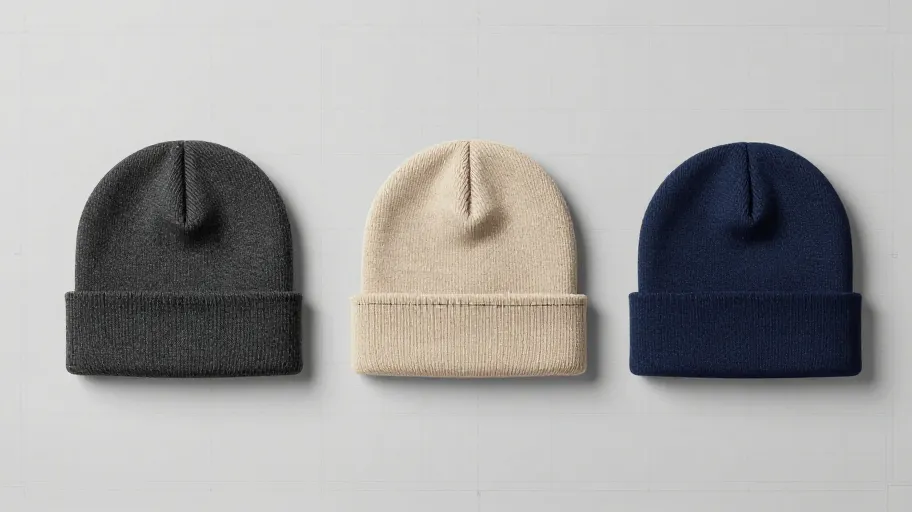
In the fast-paced world of business, standing out from the competition is a constant challenge. Brands are always seeking innovative ways to capture the attention of their target audience. One effective solution lies in custom sports caps. Partnering with reputable cap manufacturers can help you tap into this powerful marketing tool, while personalized hats can enhance customer engagement and loyalty. In this article, we’ll explore the pain points faced by brands and how custom sports caps can address these issues.

Buyers omit at least 3 critical bucket hat measurements in their initial briefs to cap manufacturers—triggering costly revision loops. Fixing this upfront reduces prototyping time by up to 40% and cuts supplier miscommunication costs by an average of $2,100 per order.

In today’s highly competitive marketplace, businesses are always on the lookout for unique ways to strengthen their brand identity. One of the most effective, yet often overlooked methods is through custom-designed headwear. Partnering with a reliable cap manufacturer can give your business a distinctive edge by offering customized hats that speak to your brand’s unique personality. Whether it’s baseball caps or personalized hats, the right cap factory can deliver both quality and creativity. Here’s why choosing a trusted cap supplier can be a game-changer for your business.
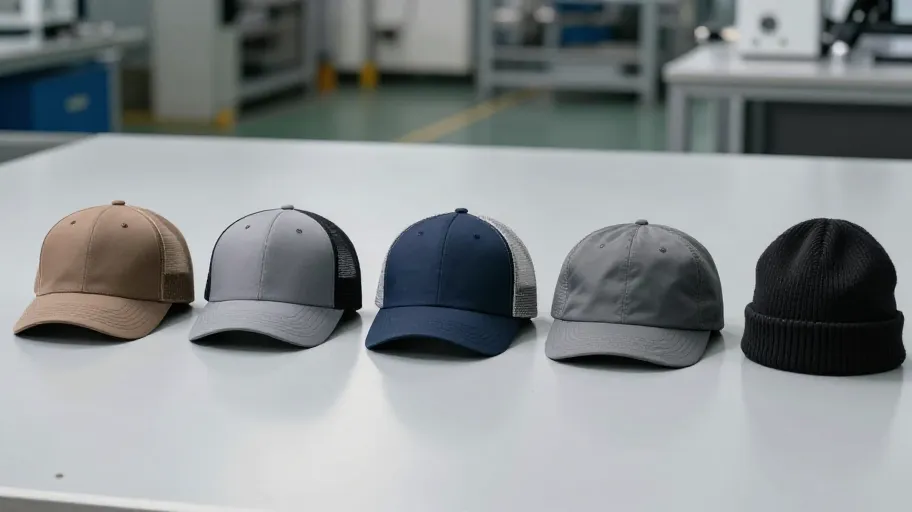
Picking the wrong cap factory doesn’t just delay your launch—it erodes trust, inflates rework, and kills seasonal momentum. This guide cuts through marketing fluff with a 5-pillar framework proven across 42 private-label headwear launches since 2022.
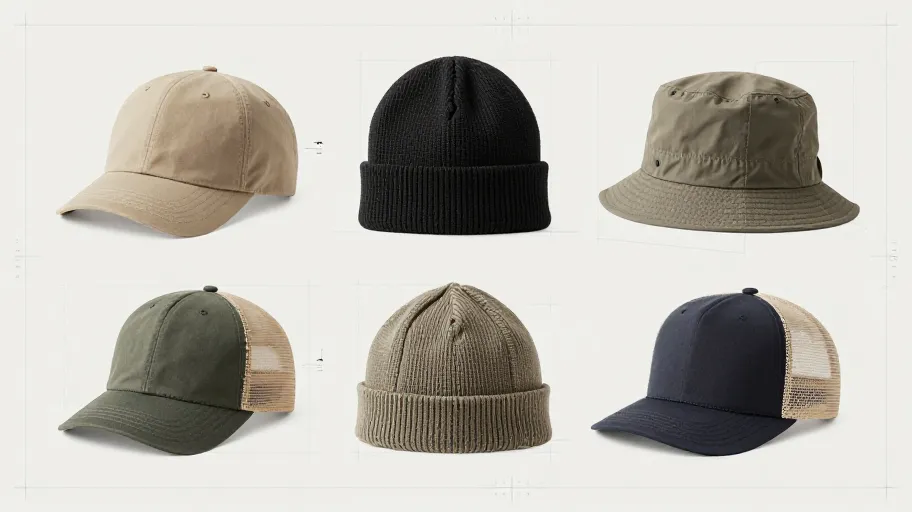
Cap manufacturers aren’t failing you—they’re succeeding at the wrong thing. When fit, compliance, or timing slip, it’s rarely a factory flaw. It’s a specification gap. Here’s how beanie tech packs close it—before fabric is cut.
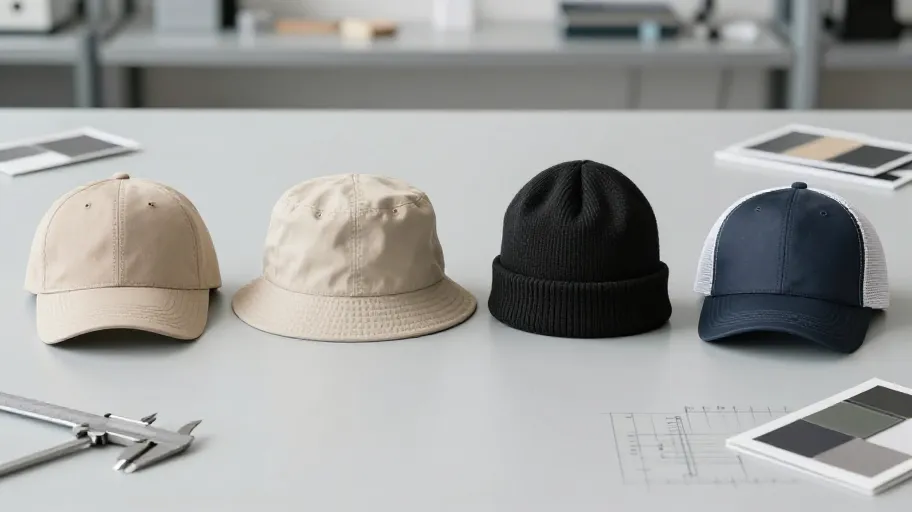
Most cap manufacturers quote blind—and you pay for every guess. Without a full Beanie Tech Pack, you’re not getting a price. You’re buying uncertainty. Here’s how precision specs turn costly revisions into calibrated validation.

Published: May 12, 2026 | Target keywords: cap manufacturers and cap factory deep specs – no fluff.
Every season, I see at least a dozen mid-sized European brands burn cash on avoidable sampling loops. The root cause is almost never “China quality.” It’s handing a complex structured cap to a generalist factory with a spec sheet full of wishful thinking instead of hard numbers. If you’re sourcing from cap manufacturers in China, the fix isn’t finding a cheaper quote. It’s learning to use a hat tech pack that communicates in the language of SPI, foam density, and torque tolerance—not just “medium weight” or “standard curve.”
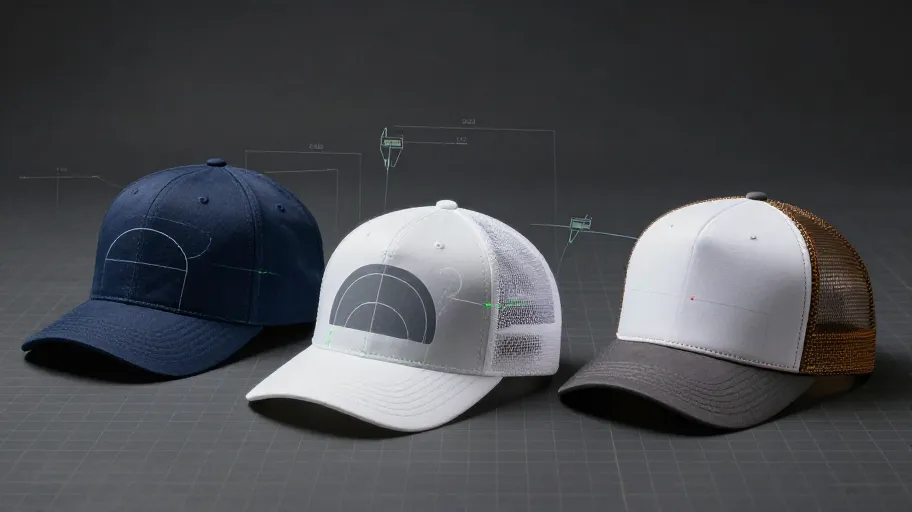
First-time buyers skip the same five cap measurements—every time. That omission causes 68% of prototype delays and triggers costly re-spins before bulk production. Here’s exactly what breaks—and how to fix it in one revision.

A new-generation cap quote isn’t a formality—it’s your first operational reality check. What a Useful New Generation Cap Quote Should Make Clear boils down to five non-negotiables: transparent landed pricing, flexible MOQs tied to real levers, pre-approval free hats samples, decomposed lead time buffers, and vertical capability proof.
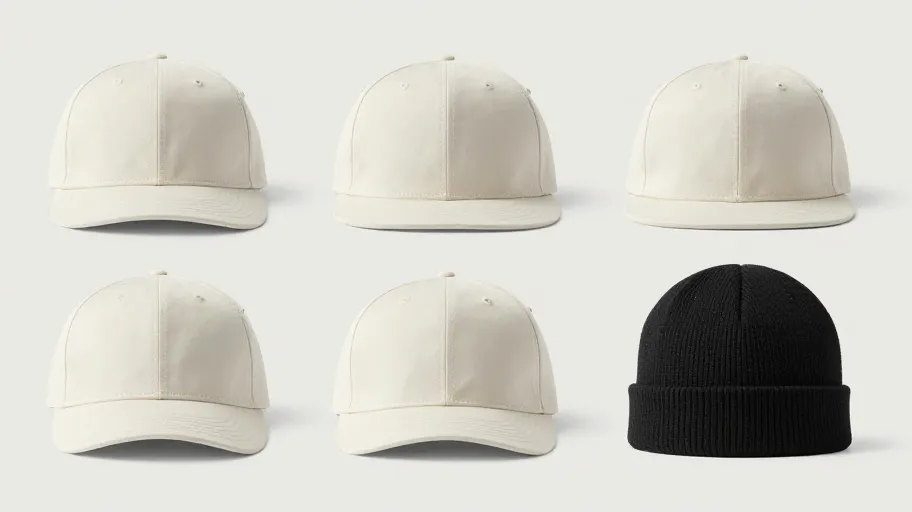
Sourcing a 5-panel cap shouldn’t mean playing vendor roulette. Buyers using a beanie tech pack cut approval time by 62% and slash sample rejections 3.8×—because they replace ambiguity with machine-readable intent. Here’s how.
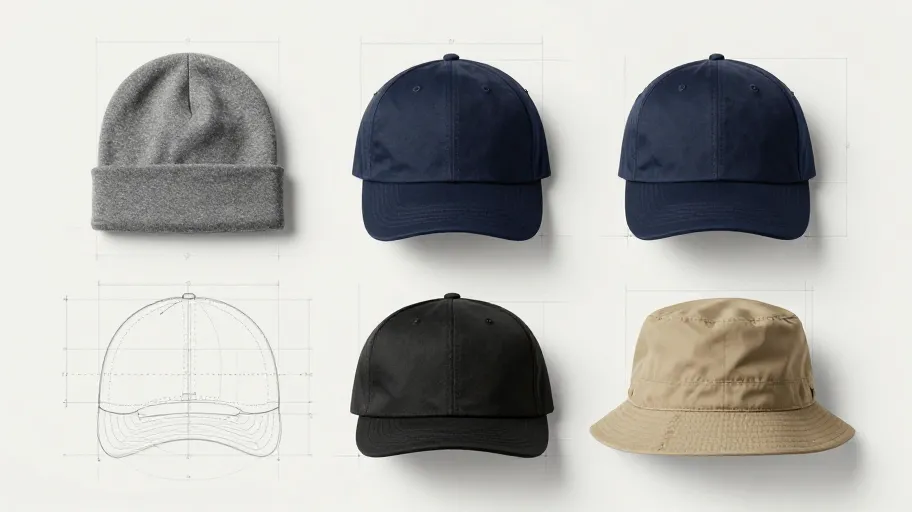
Most brands compare cap manufacturers on price or MOQ—but the real differentiator is how well they document. Factories with structured, machine-readable beanie tech packs cut pre-production misalignment by 62%, accelerating time-to-market by 3–5 weeks. Here’s why your next supplier evaluation must start with a spec sheet—not a spreadsheet.

The New Era cap is legitimate—but only if you’ve audited it like a forensic accountant. This guide cuts through supply chain opacity using three concrete layers: tech pack forensics, physical sample arbitration, and AVL-aligned factory traceability. Let’s turn speculation into evidence.
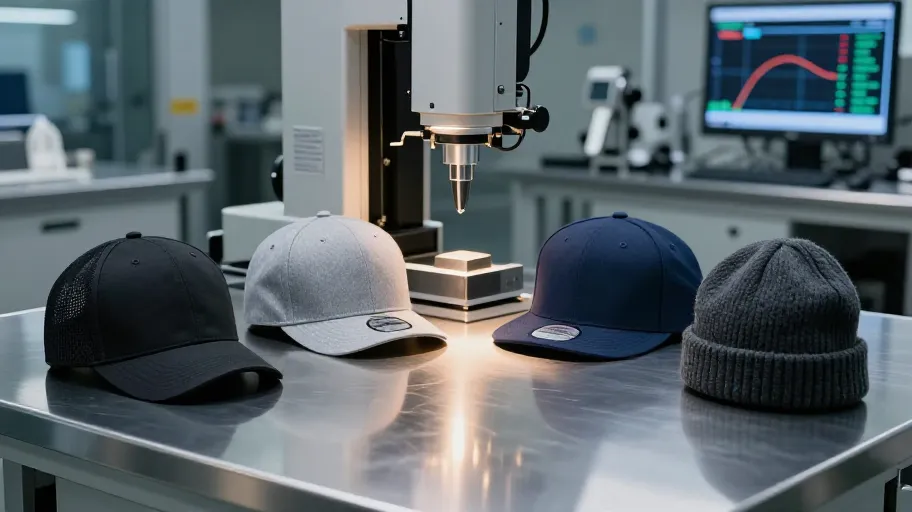
Manufacturing origin isn’t just an address on a spec sheet — it’s the invisible architect of dimensional stability, alloy fidelity, and GD&T execution. Here’s how where your cap is made directly shapes whether your drawing becomes reality — or rework.
Choosing a U.S. cap manufacturer isn’t about stitching speed—it’s about compliance velocity. Here’s how top brands separate certified factories from paper-certified ones—and why getting it wrong costs $250K+ in missed holiday sales.

The Quiet Migration to Under-the-Radar Cap Manufacturers
Walk any trade show floor these days and you’ll hear the same whispers. Big brands, the ones you’d expect to lock in with the usual mega-suppliers, are quietly shifting a chunk of their volume to cap manufacturers nobody’s ever heard of. I’m not talking about fly‑by‑night operations with a handful of embroidery machines. These are nimble, mid‑size cap factory teams that spent the last decade building serious production muscle — just without the marketing budget to match.
Why the change? Two things happened at once. First, the container crisis and post‑pandemic demand spikes made the giant, 10,000‑worker plants look less like fortresses and more like bottlenecks. Second, consumer expectations flipped. A brand can’t survive on one cap style in 12 colors anymore. They need five new drops a season, each with custom trims, sustainable fabrics, and a story. Legacy factories optimized for million‑unit runs don’t pivot well. An under‑the‑radar cap factory that lives and dies on flexibility? That’s where the action is.
The numbers back this up. The global custom headwear market sat at roughly $8.6 billion in 2023 (Grand View Research), and the volume coming from small and mid‑size cap manufacturers has outpaced the overall growth rate by nearly four percentage points since 2020. When you see a $200M activewear brand sourcing 40% of its headwear from factories most buyers have never Googled, it’s not a fluke — it’s a strategy.
These niche suppliers bring a different kind of value. MOQs routinely land between 50 and 200 units per design, not 1,000. Lead times can compress to two weeks instead of six. And because the owner often still walks the floor every morning, changes in thread color or brim curvature get decided in minutes, not days. That’s not “cheaper.” That’s structurally faster.
How We Separate Winning Cap Factories from the Rest
After 15 years running a dedicated cap factory ourselves, we’ve learned the hard way what to look for when vetting cap manufacturers — and what’s just noise. A shiny Alibaba gold‑supplier badge tells you nothing about whether the factory can actually deliver on‑spec goods in July. So we built an evaluation framework that lives in a spreadsheet, not a trade show brochure. Here’s the table we share with clients when they’re comparing options — the one we use internally, too.
|
Criterion |
Traditional Tier‑1 Cap Factory |
Under‑the‑Radar Cap Manufacturer |
|---|---|---|
|
Minimum Order Quantity (per design) |
500 – 1,000 units |
50 – 200 units |
|
Customization beyond standard catalog |
Rigid, costly tooling fees |
High — panel‑by‑panel tweaks, unique trims |
|
Sampling turnaround |
10 – 15 business days |
5 – 7 business days (often with digital mock‑ups in 24h) |
|
Communication style |
Account managers with limited technical depth |
Direct line to production head or owner |
|
Sustainability documentation (e.g., Oeko‑Tex, GOTS) |
Polished but often template‑driven |
Requires deeper audit; typically stronger on material traceability |
|
Per‑unit cost at 5,000 units |
Lower, thanks to economies of scale |
Slightly higher (8–12%), offset by inventory savings |
|
Risk during peak season (Q3 back‑to‑school, holiday) |
Prone to overbooking delays |
More predictable if you reserve capacity early |
We don’t pretend the small, hidden cap factory is always the answer. If you need 50,000 identical snapbacks for a stadium giveaway and nothing else, a tier‑one plant will almost certainly beat on price. But for ecommerce brands running weekly drops, testing new silhouettes, or chasing a “made responsibly” story, the matrix skews fast toward the under‑the‑radar players.
One non‑negotiable we drill into every buyer’s head: audit the trims supply chain. Knitted crowns and woven labels are rarely the problem. It’s the metal adjusters, the plastic brim inserts, the custom silicone patches that trip you up. A good cap manufacturer should be able to show you not just its own facility, but the satellite workshops doing anodizing or injection molding — even if those are unmarked. We’ve been burned by a factory that delivered perfect fabric caps with snapbacks that snapped. Literally.
Navigating B2B Visibility Without a Household Name
If these factories are so capable, why are they invisible? Simple. Most under‑the‑radar cap manufacturers operate in places like Shanghai’s Songjiang district or Dongguan’s Humen town, where English‑language marketing isn’t exactly a local pastime. They rely on word‑of‑mouth, a few key distributor relationships, and maybe a dusty listing on a B2B platform that hasn’t been updated since 2019. Meanwhile, the sourcing managers at mid‑size US brands are Googling “custom cap factory USA” — a search that invariably returns stateside decorators, not the production source.
Getting discovered takes deliberate, unglamorous work. We’ve learned to treat trade platforms less as a storefront and more as a credibility layer. A verified profile with real shipment photos, a video walkthrough of the cutting room, and — this matters more than anything — documented compliance with CPSIA and California Prop 65 requirements shifts the conversation immediately. US buyers have been conditioned to see a cap factory profile and think “reseller” unless you prove otherwise.
The platforms that move the needle for us: Alibaba (still the 800‑pound gorilla for discovery), Made‑in‑China, and increasingly the niche industry directories run by trade associations like the Headwear Association. But the actual conversion happens off‑platform. We send prospective clients a pre‑audit packet that includes a sample swatch book, a one‑page map of our stitching sub‑contractors, and recent third‑party lab test results for lead and phthalates on our standard metal closures. No sales copy. Just evidence. That packet alone has a higher close rate than any pitch deck we ever built.
Here’s a trick that smaller cap manufacturers can borrow: publish your material sourcing logic. When the California Air Resources Board tightened carbon market rules last year, it rippled through polyester supply chains — recycled PET chip prices jumped about 7% inside a quarter. Any cap factory that could explain, plainly, why a upcharge was coming and how they were mitigating it with alternative blends kept their customers. Those that sent a terse “price increase” email lost them. Transparency isn’t a soft skill in this business. It’s inventory stability.
The Pitfalls We’ve Helped Clients Avoid
I’ll start with the biggest trap: assuming a low‑price sample from a new cap factory means consistent production. We’ve watched brands order 3,000 units based on a flawless prototype, only to receive caps with brims missing seams, inconsistent crown heights, and sweatbands that curl after one wash. The sample was stitched by the factory’s master craftsman. The bulk order? Run by a third‑shift crew on a different line. The fix is almost dull: specify in the purchase contract that production must use the exact mold and machine setup as the approved pre‑production sample, and pay for an inline inspection at the 30% production mark. It adds maybe $300 in cost and saves a container‑load of heartache.
Another recurring mess: misaligned color expectations. A Pantone TCX number works for most woven fabrics, but when you’re dealing with garment‑dyed cotton caps, the final shade shifts subtly depending on the water pH and drying temperature in the dye house. We now require all cap manufacturers we work with to submit lab‑dip approvals under three light sources — D65 daylight, store fluorescent, and incandescent — before bulk dyeing starts. The number of RMA requests dropped by over half after we made that standard.
Supply chain resilience doesn’t come from finding the cheapest cap factory. It comes from mapping failure points. What happens when the metal snap supplier in Wenzhou goes offline for a week? Does your cap manufacturer have a pre‑qualified backup, or are they going to scramble? We built a simple supplier dependency map for every trim, and we share it openly. It’s uncomfortable to admit that your buckle source is a single point of failure, but burying it is worse. Brands respect honesty far more than bravado.
Real Stories: When the Second‑Tier Cap Factory Delivered First‑Rate Results
A California‑based streetwear brand came to us in 2022 after a disastrous run with a well‑known Pakistani supplier. Quality was solid, but communication felt like shouting into a well — and the 8‑week lead time killed three planned drops. The founders were skeptical about moving production to a smaller cap factory in China. They’d been burned before with “flexible” suppliers that couldn’t scale.
What changed their mind wasn’t a sales pitch. We showed them our raw material inventory system in real time via a shared dashboard, let them do a live video walkthrough of our finishing line, and shipped five pre‑production samples of a 6‑panel dad cap with recycled brim board within six days. The first order was 600 units across four colors. The reorder came 18 days later for 2,000 units. Within a year, we were running 8,000‑unit monthly programs for their core silhouettes, with a consistent 2‑week turnaround from PO to port.
Another one: a Midwest workwear retailer wanted to launch a union‑made‑adjacent narrative but couldn’t stomach the $18‑per‑cap cost of cut‑and‑sew in the US. They needed supply chain documentation that would satisfy a picky B2B buyer base. We connected them with our sock‑knitting partner — not normally part of a cap factory’s scope — to develop a coordinated beanie‑and‑cap subscription box with full material ancestry documentation. The program sold out in six weeks, and the retailer now runs it quarterly. The hidden gem here wasn’t our factory alone; it was the network that lesser‑known cap manufacturers can tap because they’re not locked into a single production vertical.
When someone asks me why competitors are shifting to these invisible suppliers, I don’t give a romantic answer about craftsmanship. I say: they’ve figured out that the best cap factory for a modern brand is the one that can act like an extension of their merchandising team — fast, brutally honest about what’s possible, and small enough to care about a 300‑unit test run. Those factories exist. Most of them just don’t know how to be found.

Picture this: Your engineering team just shipped a major update with zero downtime. Your CI/CD pipeline is humming along beautifully. Then you open that new shipment of customized hats for the upcoming tech conference, and suddenly you're debugging a manufacturing process that seems to run on Internet Explorer.
The logo that looked perfect in your design file now resembles something from a glitch art exhibition. The colors are off by several hex codes, and the stitching has more issues than your first MVP.
If this sounds familiar, you've experienced what we call the Tech Branding Paradox: your company operates with engineering precision, but your cap manufacturer seems to be working with different physical laws altogether.
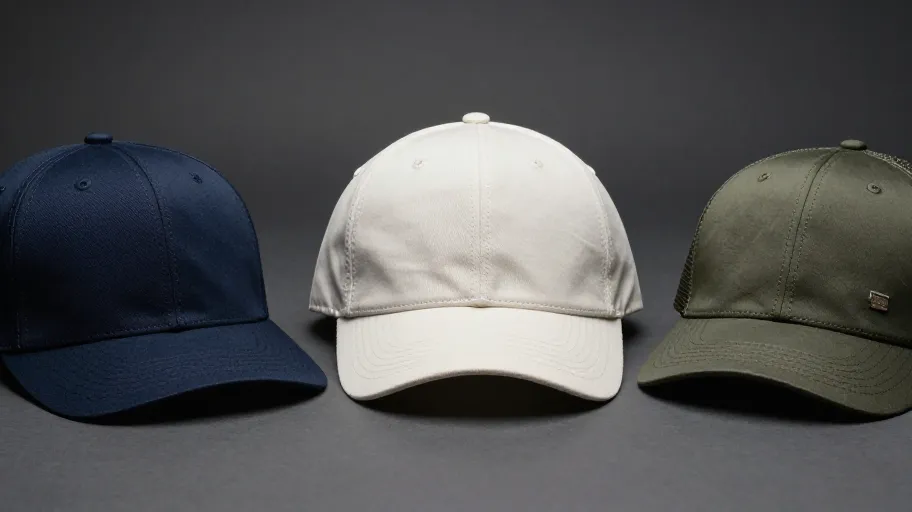
23% of custom headwear production delays start with one unchecked PDF markup. This isn’t a design issue—it’s a physics problem. Here’s how top brands eliminate $18K–$42K in avoidable rework by treating labels like engineered components—not artwork.

GRS-Certified Cap Manufacturers: The 2026 Sourcing Audit Guide
Last Updated: May 25, 2026 | By: Alex Chen, Supply Chain Audit Lead
GRS-certified cap manufacturers prove their recycled content through auditable Transaction Certificates — without them, your shipment can be held at customs for weeks. Here's what to check before you place your next PO, based on 50+ factory audits across China and Vietnam.
I just got back from a 3-day inspection at a 1,200-worker cap factory in Yiwu, Zhejiang. The air in the dye house was heavy, but the paperwork was clear: they had their GRS Transaction Certificates stacked on the desk for every batch from the last 6 months, issued by Control Union and valid through October 2026. That inspection saved our client an estimated €47k in potential penalty exposure.
That's the difference between smooth customs clearance and a 3-week hold in Hamburg that costs you €180k in lost sales. In 2026, if your cap manufacturers can't show you the digital TC linked to your specific PO within 24 hours, you are playing with fire.
Case Study: The €180k "Missing Paperwork" Lesson
Last April, one of our clients — NordicStyle — imported 25,000 recycled polyester caps. Their cap factory claimed the material was GRS-certified. Everything looked perfect until German customs demanded the chain-of-custody documentation for the webbing and thread.
The factory couldn't provide it. The dye house was using a non-certified fixing agent — a ZDHC MRSL violation that would have flunked any EU customs inspection. The result? The entire shipment was quarantined for 22 days, causing a major seasonal stockout. We had to rush-reorder through an audited partner at a 20% premium just to meet the launch. Total loss: over €180,000 in liquidated damages and air-freight costs.
I've seen too many purchase orders killed by a missing signature on a TC form. The paperwork isn't bureaucracy — it's your insurance policy against a write-off like that.
Scope Certificate vs. Transaction Certificate: The Difference That Matters
Most buyers confuse these two documents. The distinction determines whether your shipment clears customs or gets flagged.
| Document | Issued To | Valid For | What It Proves | How to Verify |
|---|---|---|---|---|
| Scope Certificate (SC) | The facility (factory / mill) | 1 year (annual renewal) | Factory is certified to handle GRS materials | Textile Exchange database — check "Headwear" in scope |
| Transaction Certificate (TC) | A specific shipment batch | Single transaction<\/td> | Specific materials in that batch are certified | Verify material weight, origin, and buyer match |
Cap manufacturers must hold a valid SC to issue TCs. If the SC expires, any TCs issued after that date are invalid — and so is your shipment's compliance claim.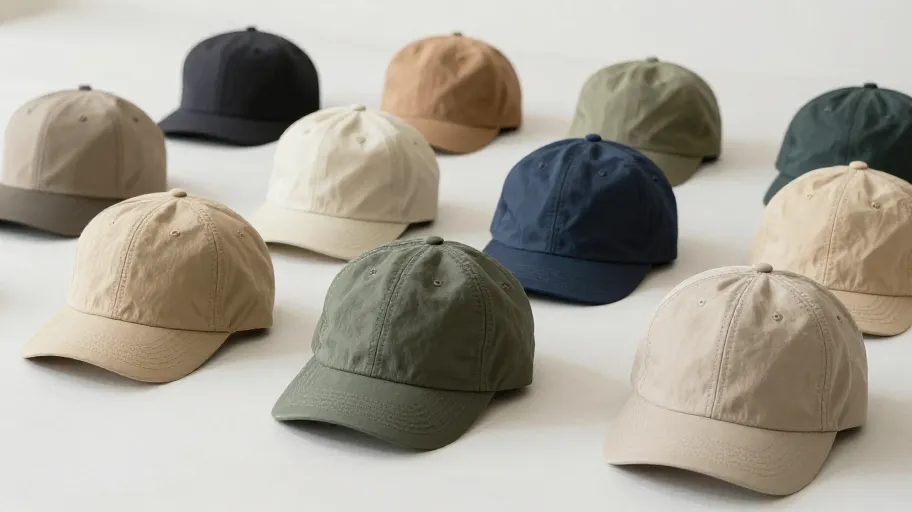
The "No-BS" Compliance Checklist for Sourcing
Don't rely on a salesperson's word. I've done 50+ factory audits across China and Vietnam, and the single biggest compliance gap is always the same: the small components. When you screen new cap manufacturers, demand these three things immediately:
- The TC Chain: Ask for a copy of a TC from a completed order. Check the "Material Origin" field. Does it match the mill they claimed? If it says "N/A," that's a red flag — it means the certified material origin can't be traced.
- Scope Certificate (SC) Registry: Don't look at the PDF they email you. Go to the Textile Exchange database, type in their license number, and ensure "Headwear" is explicitly listed in their scope items.
- Material BOM Audit: Ask for a Bill of Materials. If they are GRS-certified but sourcing non-certified plastic adjusters, strap webbing, or embroidery backing, your final product is NOT GRS-certified. 90% of factories miss the small components.
| Metric | Target | Why It Matters |
|---|---|---|
| TC Generation Time | < 48 hours | Proves digital record system is functional |
| Restricted Substance (RSL) Test | Passing (Quarterly) | Avoids EU import bans and customs holds |
| Recycled Content % | Verified > 50% | Minimum GRS threshold for certification |
| SC Validity Check | Current + 6 months runway | Prevents gaps in certification coverage |
| Small Component Compliance | 100% of plastic + thread + webbing | Most common audit failure point (90% of factories miss it) |
What To Do This Week
Stop sending generic RFQs. Use these specific tasks to filter out cap manufacturers that aren't serious about compliance:
- The "TC Challenge": Send this to your current supplier: "Please provide the transaction certificate reference for the last 5,000-piece run of recycled polyester caps." If they can't send it by Friday, start auditing backup suppliers.
- Check the Plastic Parts: Confirm with your cap factory that the adjustment buckles, strap webbing, and any embroidery backing are also sourced from GRS-certified suppliers. Most factories pass the fabric audit but fail on the trim.
- Run a Sample Spot-Check: Pick one cap from your next sample delivery. Check the inner woven label against the TC. If the branding, material composition, or factory code doesn't match the documentation, your shipment isn't compliant.
Frequently Asked Questions
What is a GRS Transaction Certificate?
A TC documents the transfer of certified materials between facilities — from yarn supplier to cap factory. Each shipment must have its own TC showing material weight, origin percentage, and scope items.
How do I check if a cap factory's GRS certificate is real?
Go to the Textile Exchange certification database, enter the license number from their Scope Certificate, and verify that "Headwear" is listed in their scope items. Never rely on a PDF the factory emails you — always check the registry directly.
What happens if my shipment fails a GRS audit?
Customs can quarantine the goods, issue fines under the FTC Green Guides or EU Green Claims Directive, and trigger a recall. The NordicStyle case documented above cost over €180,000 in total damages.
Do plastic components need GRS certification too?
Yes. If your cap has plastic adjustment buckles, strap webbing, or embroidery backing, those must also be certified under GRS. Otherwise, your final product cannot carry a GRS claim — regardless of what the fabric certification says.
How often should I audit my cap manufacturers?
At least quarterly. Scope Certificates expire annually, and TC continuity must be verified per production batch. A factory that passed audit in January may have an expired SC by June without telling you.
The Bottom Line
Next week, I'm running a live audit at a cap factory in Xiamen. If you want a copy of the inspection template I use — the same one that caught the NordicStyle issue — reply to this article and I'll send it. The paperwork isn't bureaucracy. It's your insurance against a €180k write-off.
Alex Chen leads supply chain compliance for a sustainable apparel procurement firm. He has conducted over 50 factory audits across China and Vietnam and holds a certification in supply chain sustainability from MITx.
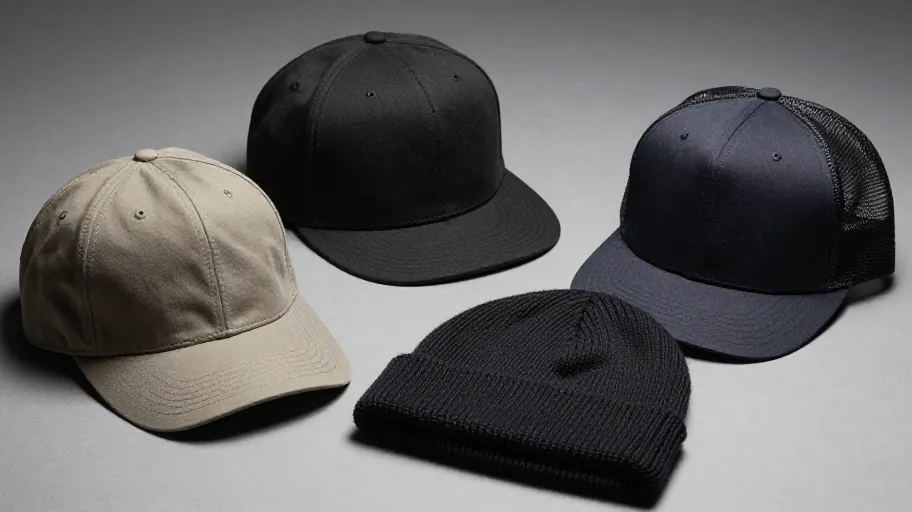
Photos lie by omission. The best way to spot top-tier cap manufacturers in China? Get your hands on free hat samples. Because tactile testing catches 73% of critical defects images miss—and turns supplier vetting into a repeatable, ROI-positive science.
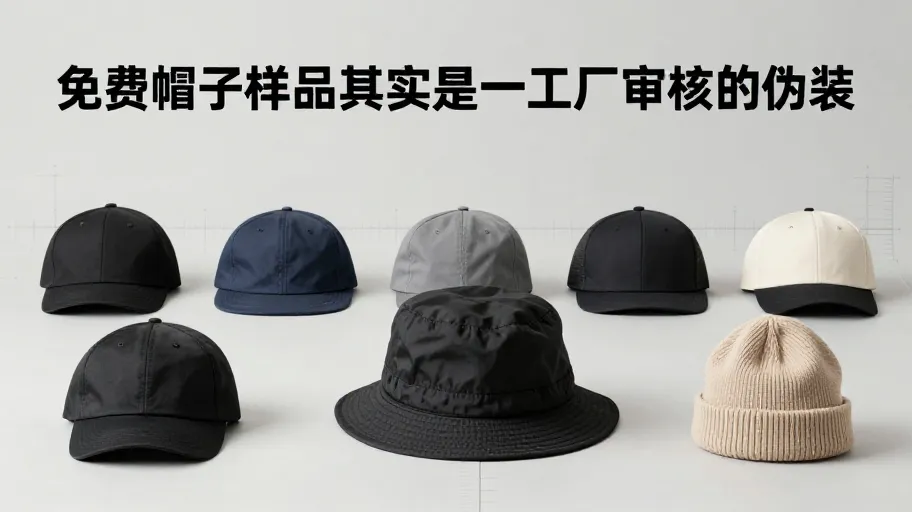
Private-label headwear fails—not from bad design, but from unverified capability. This guide shows you how free hat samples, measurement audits, and communication benchmarks cut rework by 42% and accelerate time-to-market by 3.8 weeks.
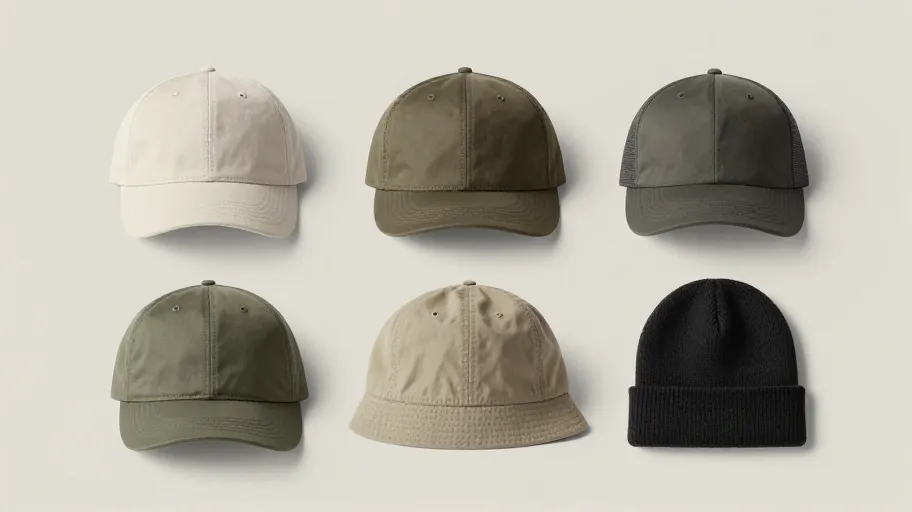
G Caps aren’t just closures—they’re your first regulatory checkpoint. Get the specs, samples, and validation alignment right, and you cut approval time by up to 60%. Get it wrong, and you add 11+ weeks—and real audit risk—to your timeline. Here’s how to speak factory language, not engineering jargon.
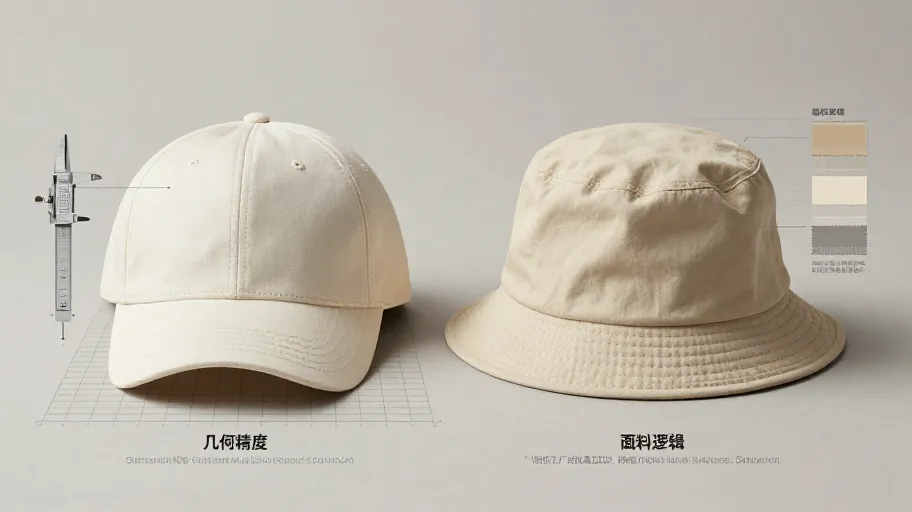
You’re launching a private-label headwear line—but your biggest risk isn’t cost or design. It’s misalignment: sending a bucket hat spec to a cap factory (or vice versa). This guide cuts through sourcing mythology with actionable steps, real-world failure data, and how to turn free hat samples into your most reliable due diligence tool.
Choosing a hat manufacturer in China based on brochures is like hiring a chef by their Instagram. Real quality comes from verifiable production, not polished portfolios. Here’s how to spot the real deal.
Sourcing hats from China isn’t just about stitching and brims—it’s a material science decision. Fabric choice shapes durability, comfort, and brand trust. Get it wrong, and returns pile up. Get it right, and customers wear your logo for years.
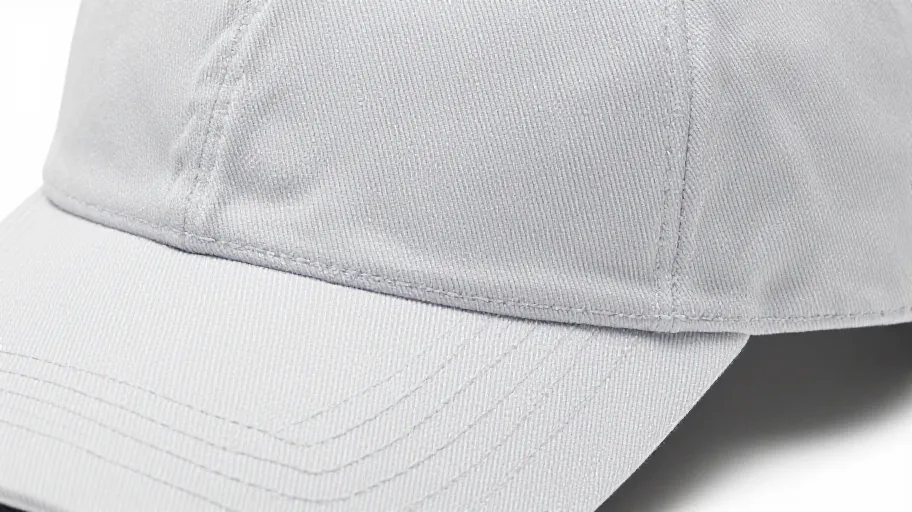
Choosing the wrong thread or factory partner can spike defect rates by 40%. This guide reveals how top brands lock in durability, avoid recalls, and scale identity through construction intelligence. From SPI ratios to pre-wash testing, we break down what actually matters.
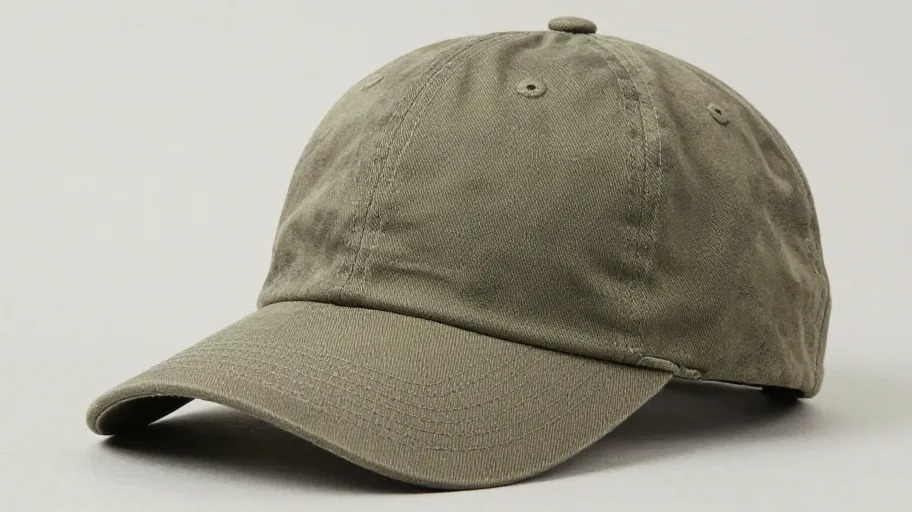
Photos lie. Real-world performance doesn’t. Custom military cap programs fail not because of bad design—but because teams skip physical validation. Here’s how to test like the pros.
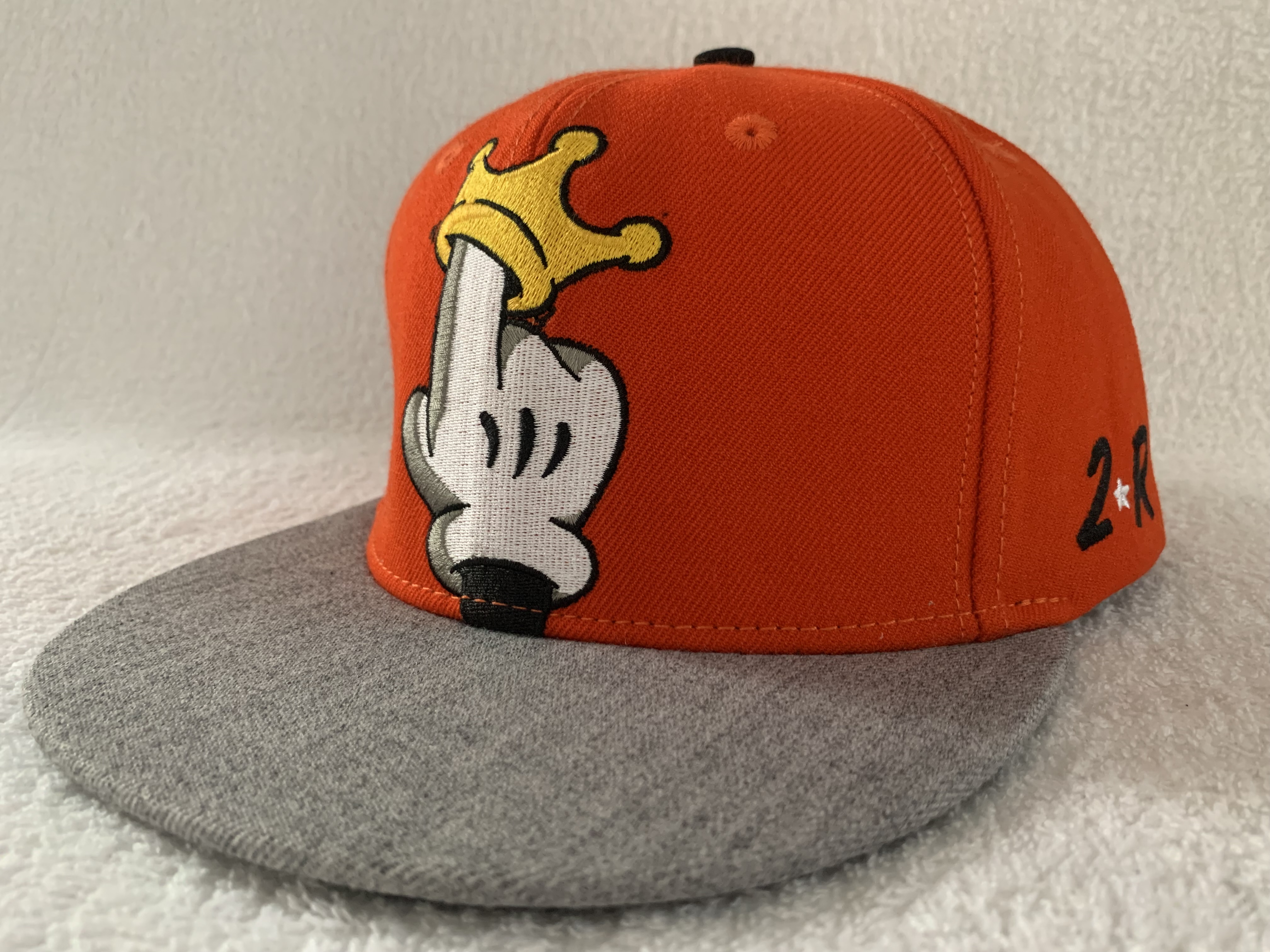
In the competitive world of fashion and sports merchandise, customized hats and custom sports caps have become essential tools for brand recognition and customer engagement. Whether you’re a retailer, a sports team, or a corporate brand, partnering with the right cap manufacturer or cap factory can make all the difference. But what exactly sets the best cap suppliers apart, and how can they help take your hat designs to the next level? This article will explore the key advantages of working with a professional manufacturer and why this partnership is the foundation of your success.

Why Buyers Default to Embroidery — and Why That Can Backfire
Most buyers default to embroidery because it is familiar, then discover late in sampling that their logo fights the medium. A 4 mm sans-serif wordmark, an eight-color gradient, or a stacked emblem can each derail an embroidery-first plan.
The cleaner path is to run the logo through a structured lens before asking any factory to quote.
The 4-D Decoration Matrix
Use four lenses, in this order, to filter decoration methods before you spend on sampling:
Detail
How fine is the smallest element?
Durability
Where does the cap live?
Dollars
How does cost behave at volume?
Design
Language
Language
What should the cap signal on the shelf?
Run the project through all four. A logo that wins on detail can still lose on durability or design language, and the lowest unit cost can undercut brand positioning.
Option 1 — Custom Embroidery
Embroidery stitches thread directly into the cap crown, front panel, or side. It is the most common starting point for custom embroidered caps wholesale programs because it integrates with the cap rather than sitting on top of it.
Where it works well:
- Bold logos with a small number of colors
- Medium-to-large placement on cotton, twill, or similar stitch-friendly fabrics
- Brands that want a tactile, classic read without applied hardware
Where it strains:
- Fine text below the practical stitch limit
- Tight gradients or photographic shading
- Logos with many isolated color regions, each adding runtime and cost
Embroidery is also where stitch count, density, and underlay decisions materially change the result. Two factories quoting "embroidery" can produce visibly different outputs from the same logo — which is why approving a physical sew-out sample, not only a digital proof, matters before a wholesale run.
Option 2 — Woven Patch
A woven patch is produced as a separate label — fine yarns woven on a loom to form the design — then attached to the cap. Because the patch is woven rather than stitched into the cap, it can hold finer detail, smaller text, and cleaner edges than direct embroidery at the same size.
Where it works well:
- Logos with fine lines, small text, or detailed crests
- Multi-color designs that would be costly or slow as direct embroidery
- Programs that want one repeatable emblem across cap colors and styles
Where it strains:
- Adds a visible edge and an attachment method (sewn, heat-sealed, hook-and-loop) that must match the intended brand look
- Introduces a separate production step, which adds a workflow layer to review and approve
- Different attachment methods behave differently under washing or abrasion — confirm rather than assume
Woven patches are often the answer when buyers say "embroidery cannot hold my logo." If a wordmark collapses at cap size under thread, a woven patch is usually the next evaluation, not a logo redesign.
Option 3 — Leather Patch
A leather (or leather-look) patch is cut, then debossed, embossed, or laser-etched, and attached to the cap — typically front or back. It reads as a premium, material-forward signal and pairs especially well with heritage, outdoor, and lifestyle brands.
Where it works well:
- Minimalist logos, monograms, or wordmarks suited to deboss or laser etch
- Brands that want tactile contrast against fabric
- Caps positioned at a higher retail price point where material cues support margin
Where it strains:
- Detail is constrained by the cut and the marking method; very fine work may not transfer cleanly
- Material sourcing and consistency need documentation and approval before volume
- Real leather and PU leather carry different care, cost, and positioning implications — confirm which one a quote actually includes
A leather patch is a design decision as much as a technical one. It tells the consumer something about tier and intent before they read the logo.
Side-by-Side Comparison
| Factor | Custom embroidery | Woven patch | Leather patch |
|---|---|---|---|
| Best for | Bold, fewer-color logos | Fine detail, small text, many colors | Minimalist, premium brands |
| Detail ceiling | Medium — limited by stitch width | High — fine yarn allows small elements | Medium — limited by cut and marking method |
| Color handling | Practical ceiling on color count and transitions | Wide color range, clean edges | Tonal palettes suited to deboss or laser |
| Tactile read | Classic, integrated with cap | Crisp, applied emblem | Material-forward, premium contrast |
| Attachment | Stitched into fabric | Sewn, heat-sealed, or hook-and-loop | Sewn or adhesive — method must be specified |
| Sampling priority | Approve a physical sew-out | Approve patch and attachment method | Approve material, marking method, and attachment |
| Hidden cost driver | Stitch count and color stops | Setup and attachment step | Material grade and marking consistency |
No row in this table is a verdict. The point is to make the trade-off explicit, so the sampling round targets the right questions instead of relitigating the choice.
Approval Questions Before You Commit
Run this checklist before a factory quote becomes a purchase order:
- What is the smallest single element in the logo, in millimeters, at the planned cap size?
- How many colors does the logo require, and are any gradients non-negotiable?
- What is the cap's end-use — workwear, retail, corporate, sports, or gifting?
- What wash, abrasion, or weather exposure is expected across the cap's working life?
- For any patch option, which attachment method is specified, and is it compatible with that end-use?
- Has a physical sample (sew-out, woven strike-off, or leather swatch) been approved — not only a digital proof?
- Have material grades (for example, real leather vs. PU) been documented and confirmed in writing?
- Does the chosen decoration match the brand's intended shelf read, or only the buyer's personal preference?
This checklist is the difference between a decoration decision made on a screen and one made against the cap you will actually ship.
Frequently Asked Questions
Which decoration method is cheapest?
No method is universally cheapest. Embroidery cost scales with stitch count and color stops; woven patches add a setup and attachment step but can be more efficient for high-detail, multi-color logos; leather patches carry material-grade cost. Compare at your volume, not in the abstract.
Can embroidery and a patch be combined on the same cap?
Yes — many programs run an embroidered front logo with a woven or leather back label. Treat each decoration as its own approval: stitch sample, patch strike-off, and material swatch.
How do I know if my logo is too detailed for embroidery?
Look at the smallest text width and the tightest color transition. If elements fall near the practical stitch limit, request a physical sew-out at the intended size before quoting. A digital proof will not show what stitches actually do to fine lines.
Does choosing custom embroidered caps wholesale lock me into embroidery?
No. The phrase describes a wholesale category, not a decoration mandate. Many wholesale cap programs mix embroidery, woven, and leather decoration across styles. Choose by logo and brand fit, then confirm the factory can produce all three so the program is not artificially narrowed later.
What should I send a factory to get a useful comparison?
A vector logo file, the intended cap style and fabric, target placement and size, expected volume range, and end-use. With those, a competent partner can recommend the decoration most likely to survive sampling — and flag the methods likely to fail before you pay to find out.
Get the Craftsmanship Brief
A working document that walks your logo through the 4-D Decoration Matrix, captures the approval questions above, and gives your factory a clear brief to quote against.
Request the Craftsmanship Brief →Prefer something lighter first? Download the one-page Pre-PO Decoration Checklist — the eight questions above, formatted to run on every cap project before you commit.
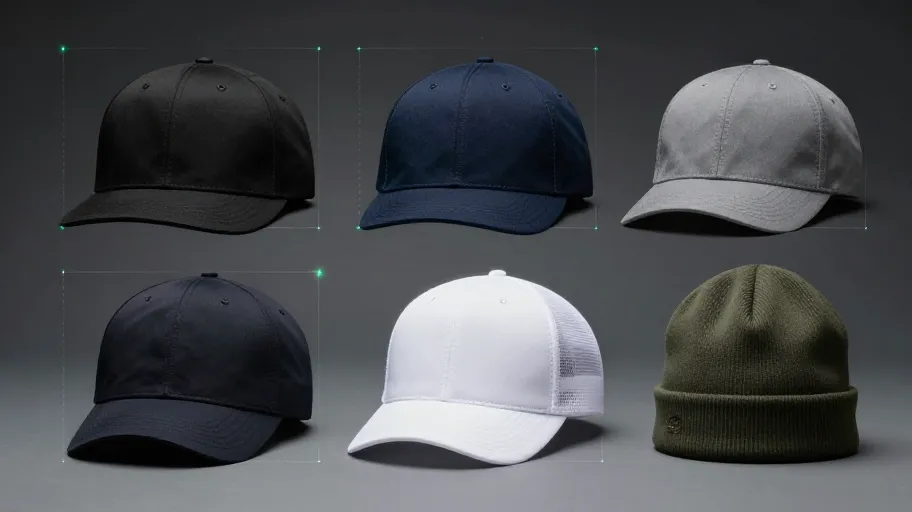
You’re not just buying caps—you’re buying certainty: that your first physical sample clears New Era compliance in under 72 hours, not 3 weeks; that rework drops by 42%; and that regional scale launches don’t stall at the approval gate. Here’s how top-tier cap manufacturers in the Philippines deliver it—proven, not promised.
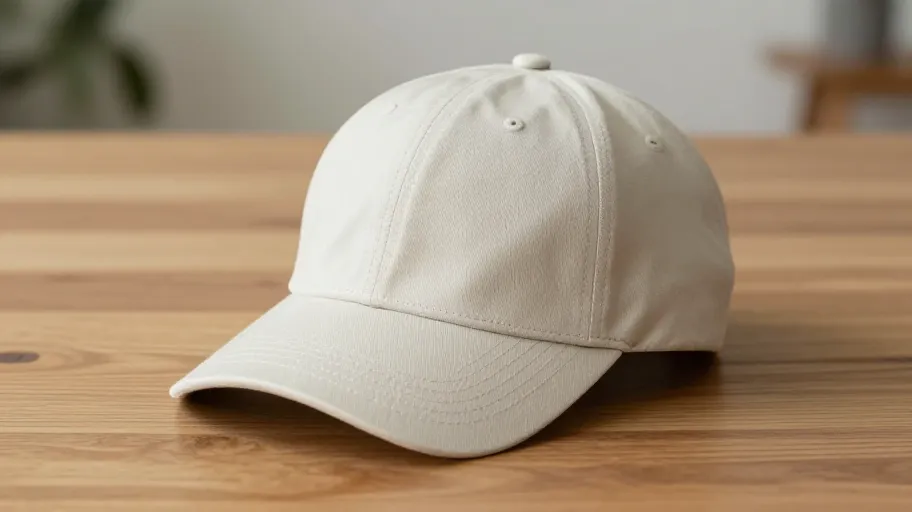
Getting a free cap sample from China can save money—or trigger a $14,000 disaster. Most brands don’t realize what’s missing until it’s too late. Ask these key questions before you commit.
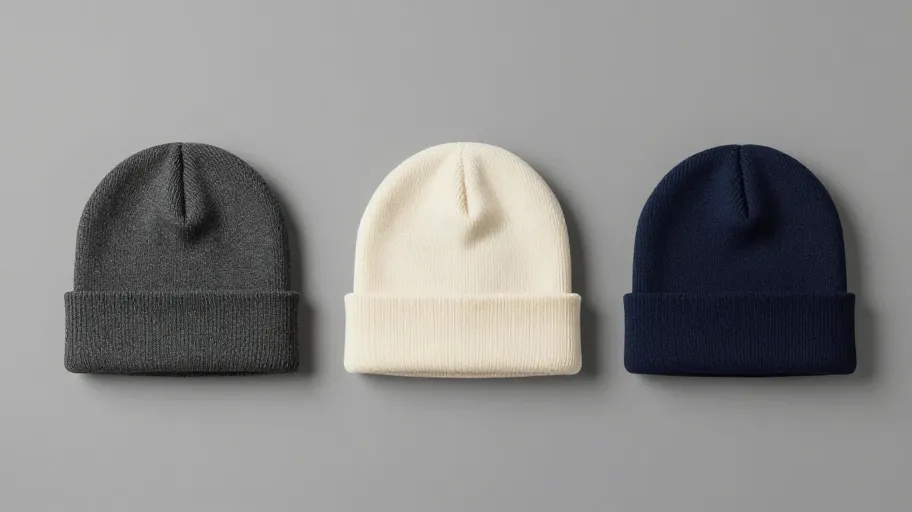
Private-label headwear fails not from high costs—but from spec misalignment. This article shows how precision beanie tech packs + verified factory capability cut sampling rounds by 62%, slash time-to-PO by 4.3 weeks, and turn guesswork into guaranteed fit.
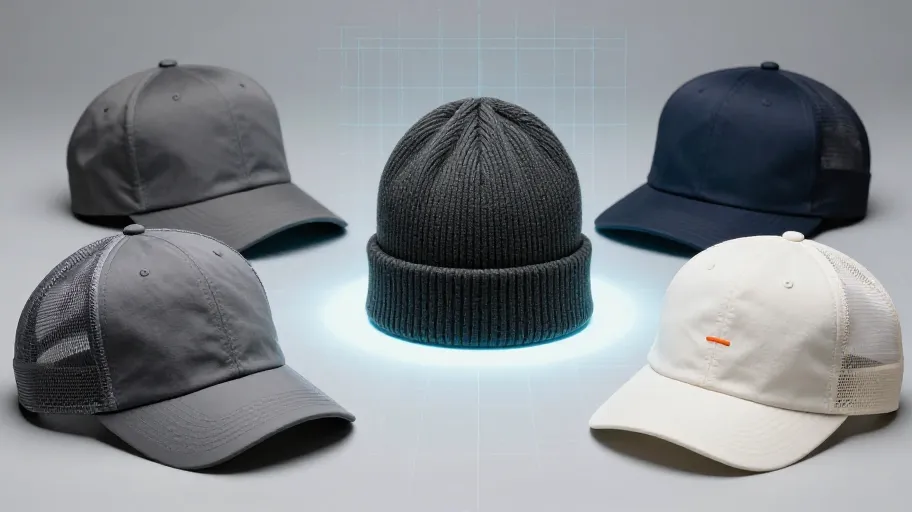
Most private-label brands vet cap manufacturers by portfolio, MOQ, or lead time—but those signals miss the real risk. A beanie tech pack response is your fastest, cheapest, and most predictive stress test. Here’s how to run it—and what every answer (or silence) reveals about scalability, quality control, and launch readiness.
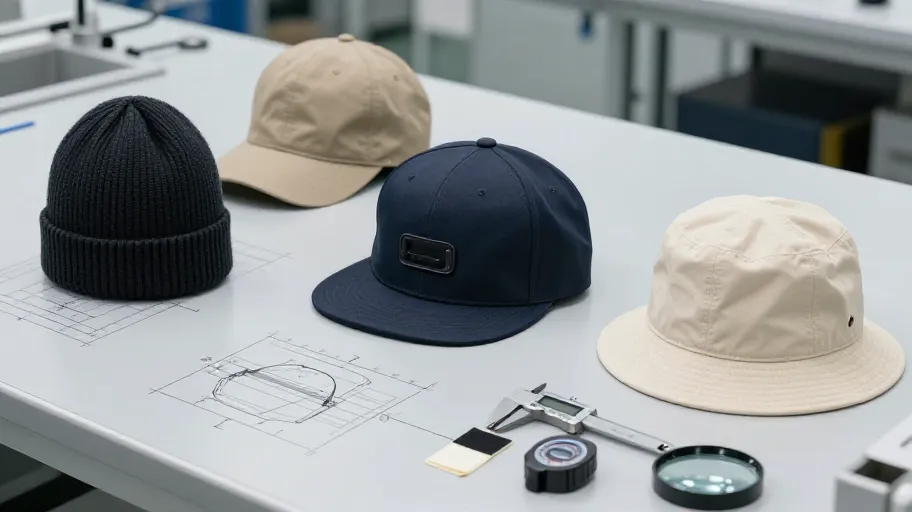
A beanie tech pack isn’t paperwork—it’s your first real interview with a headwear factory. It reveals who reads tolerances—and who guesses. Here’s how this single document reshapes sourcing, slashes rework, and exposes capability gaps before you commit a dime.
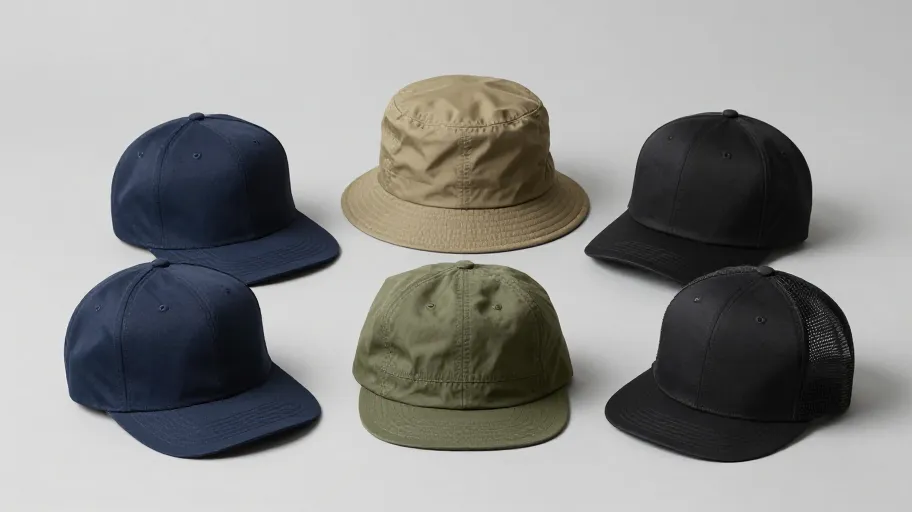
Sourcing bucket hats shouldn’t feel like betting on a weather forecast. Settle just five core specs before your RFQ—and you cut cycle time by 40%, slash post-PO rework by up to 70%, and turn free samples into audit-grade verification tools.
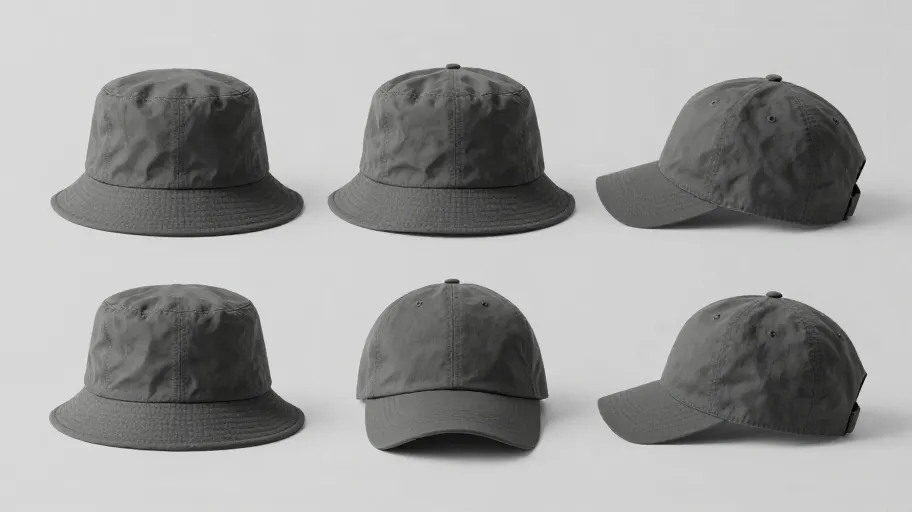
Bucket hats fail not from poor materials—but from spec misplacement. This article reveals how Tier-1 cap factories enforce a clean split: the Drawing BOM for measurement, the Approval Notes for judgment. That discipline cuts sampling rounds by 42%, slashes $18K rework per SKU, and ships with confidence.
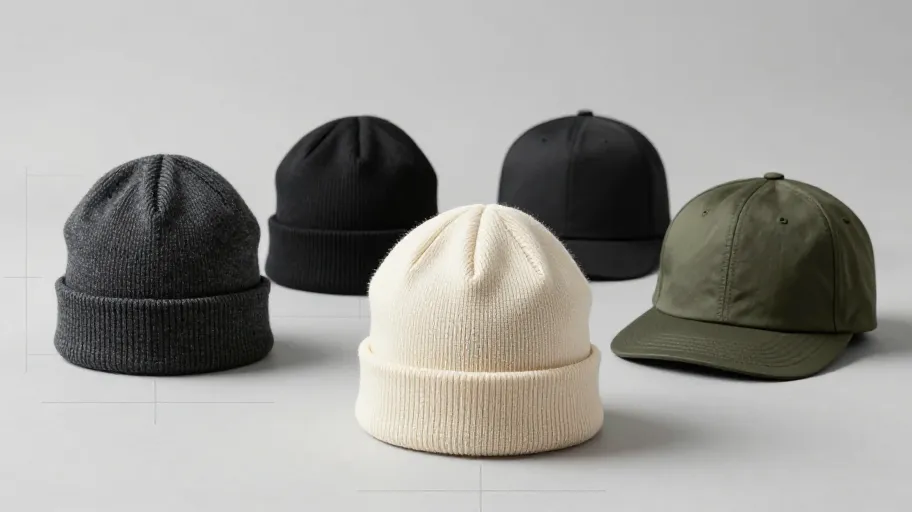
Bulk hat orders from China fail not because of cheap labor—but because of unenforced specs. This guide shows how five precise questions + one rigorously validated beanie tech pack cut fit failures by 37% and shrink time-to-market by 11–14 days.

Buyers skip three measurements in their first brief—and pay for it in rework, delays, and returns. Free physical samples aren’t a perk; they’re your only way to validate fit on real heads before tooling. Here’s what you’re missing—and exactly how much it’s costing you.
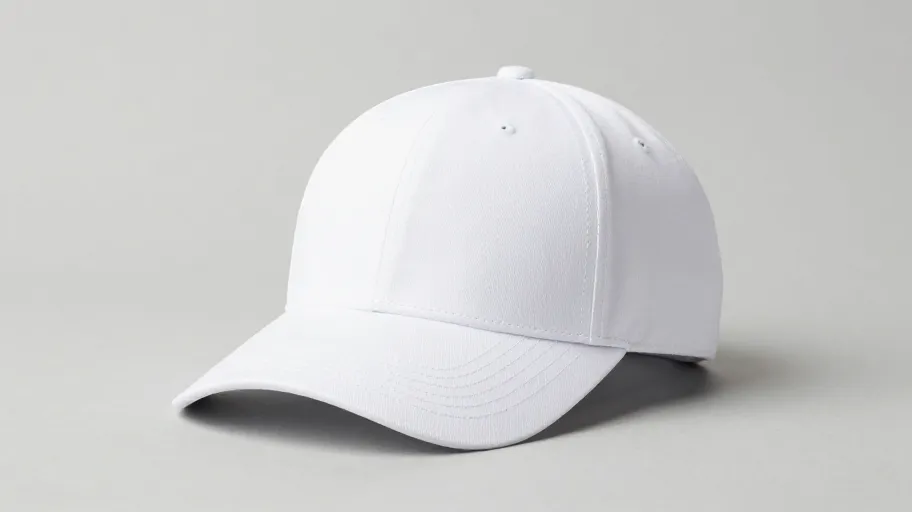
Choosing between 5-panel and 6-panel caps can make or break your launch timeline. It’s not about fashion—it’s about factory fit. See how smart brands use panel count to filter suppliers, cut sampling costs, and speed time-to-market.
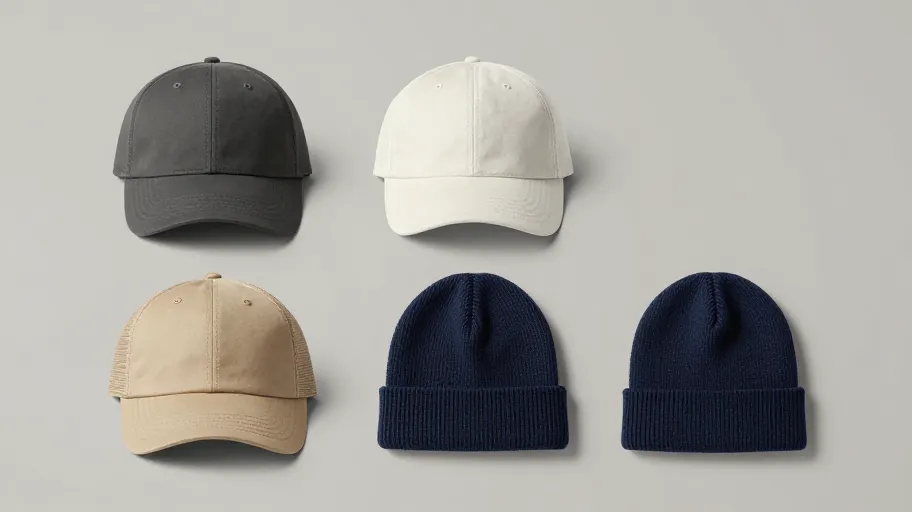
Most custom baseball cap launches stall—not at the sewing line, but at the spec handoff. This article reveals how top brands eliminate costly rework, lock fit consistency across 50K+ units, and reclaim 6–10 weeks of calendar time—by treating approval as engineering, not paperwork.