


Private-label headwear fails—not from bad design, but from unverified capability. This guide shows you how free hat samples, measurement audits, and communication benchmarks cut rework by 42% and accelerate time-to-market by 3.8 weeks.
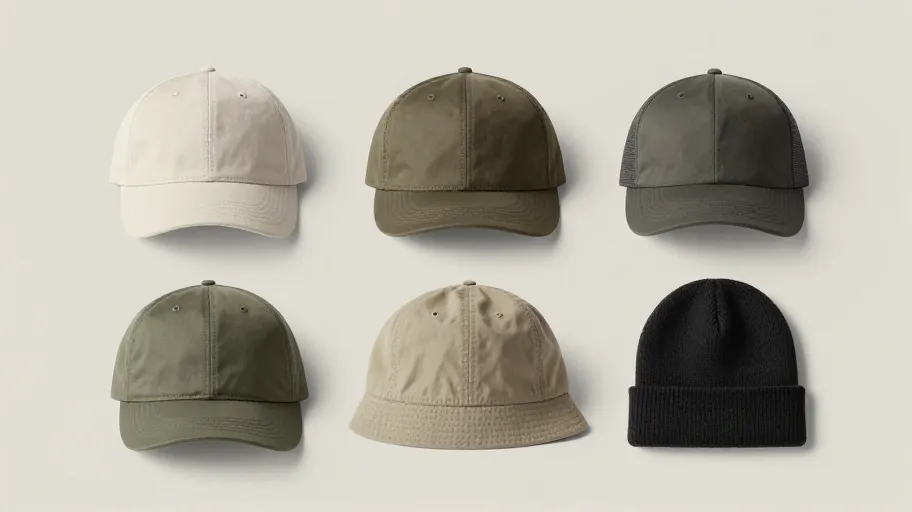
G Caps aren’t just closures—they’re your first regulatory checkpoint. Get the specs, samples, and validation alignment right, and you cut approval time by up to 60%. Get it wrong, and you add 11+ weeks—and real audit risk—to your timeline. Here’s how to speak factory language, not engineering jargon.
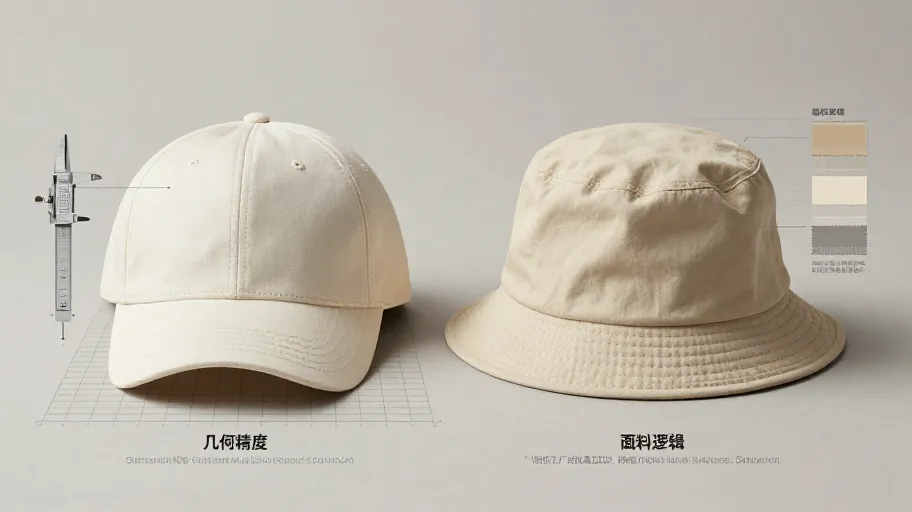
You’re launching a private-label headwear line—but your biggest risk isn’t cost or design. It’s misalignment: sending a bucket hat spec to a cap factory (or vice versa). This guide cuts through sourcing mythology with actionable steps, real-world failure data, and how to turn free hat samples into your most reliable due diligence tool.
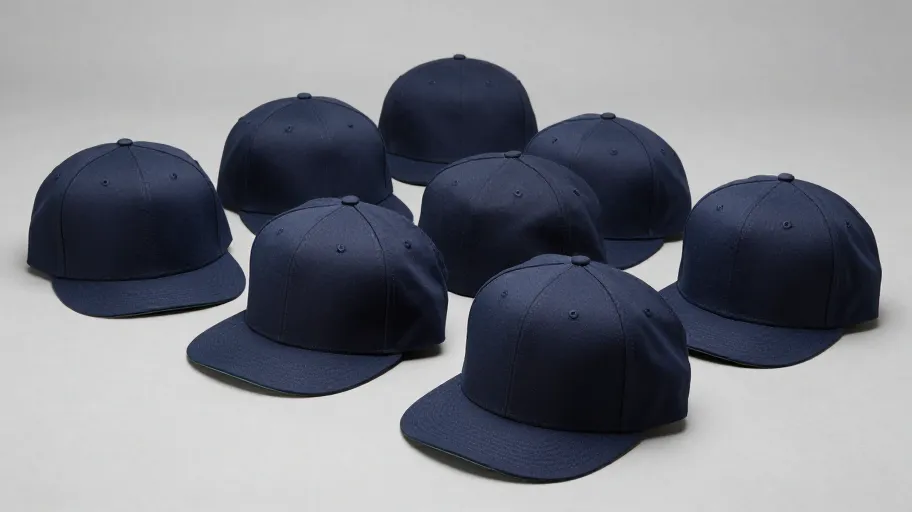
Choosing a hat manufacturer in China based on brochures is like hiring a chef by their Instagram. Real quality comes from verifiable production, not polished portfolios. Here’s how to spot the real deal.
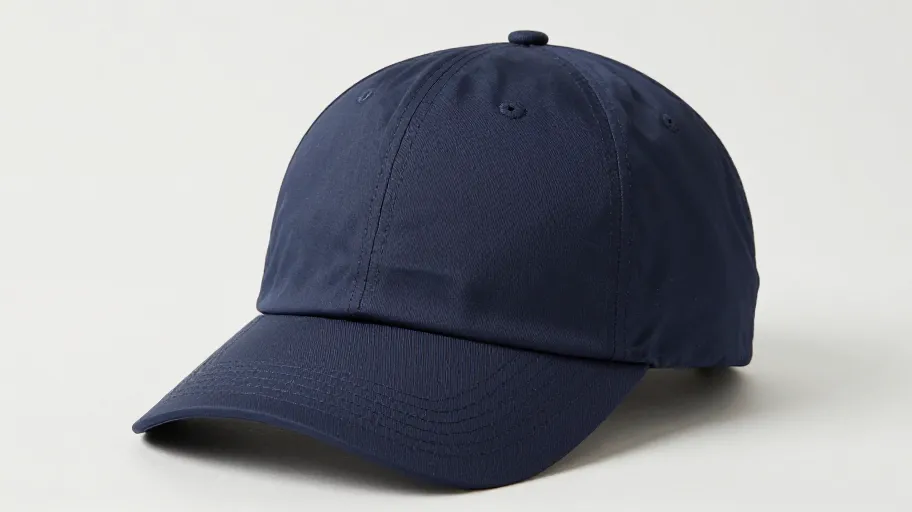
Sourcing hats from China isn’t just about stitching and brims—it’s a material science decision. Fabric choice shapes durability, comfort, and brand trust. Get it wrong, and returns pile up. Get it right, and customers wear your logo for years.
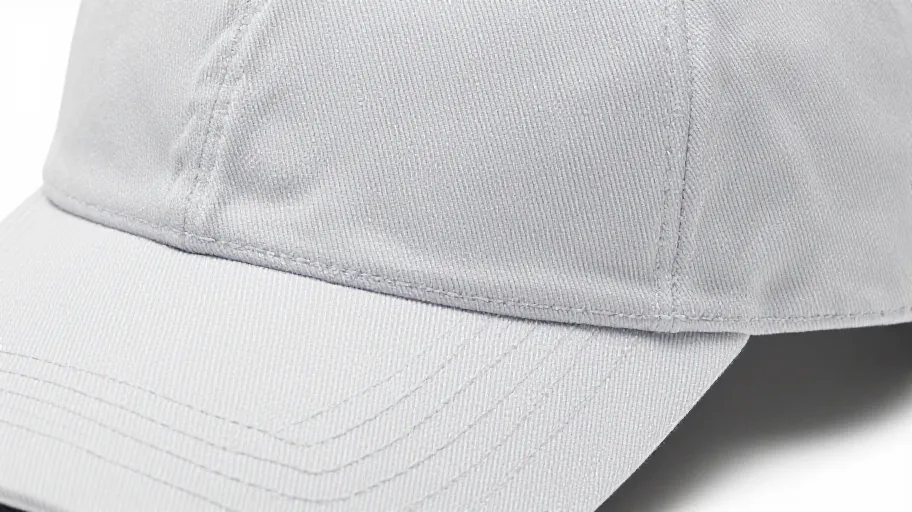
Choosing the wrong thread or factory partner can spike defect rates by 40%. This guide reveals how top brands lock in durability, avoid recalls, and scale identity through construction intelligence. From SPI ratios to pre-wash testing, we break down what actually matters.
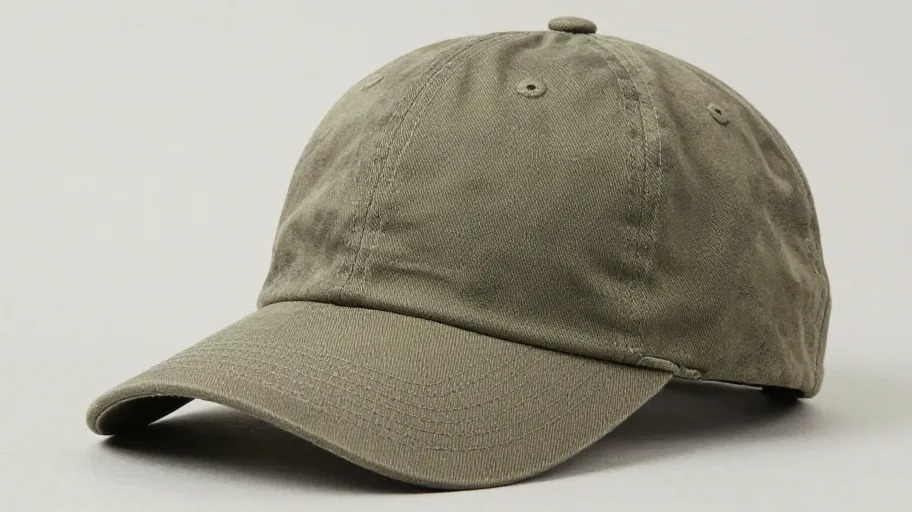
Photos lie. Real-world performance doesn’t. Custom military cap programs fail not because of bad design—but because teams skip physical validation. Here’s how to test like the pros.
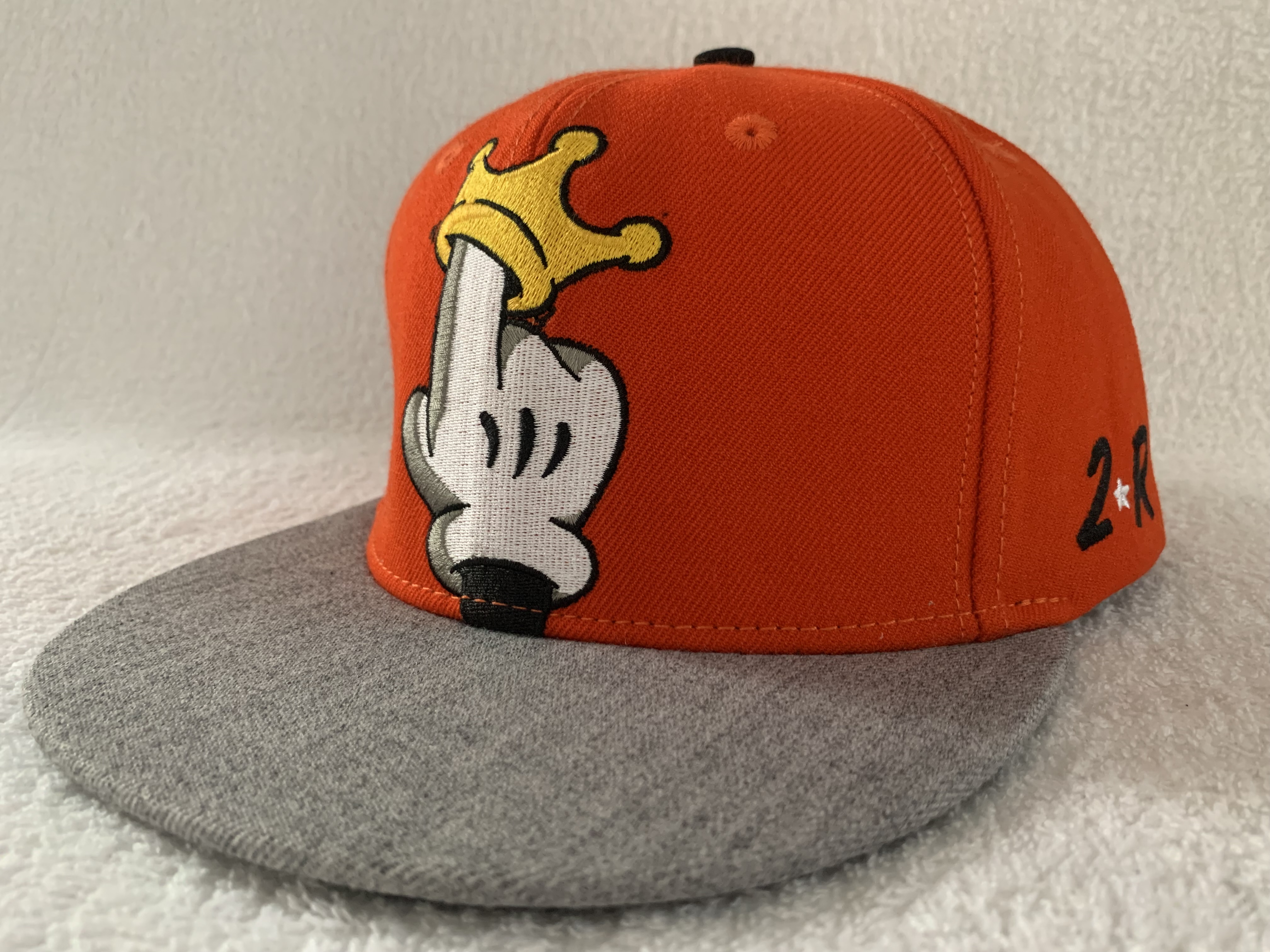
In the competitive world of fashion and sports merchandise, customized hats and custom sports caps have become essential tools for brand recognition and customer engagement. Whether you’re a retailer, a sports team, or a corporate brand, partnering with the right cap manufacturer or cap factory can make all the difference. But what exactly sets the best cap suppliers apart, and how can they help take your hat designs to the next level? This article will explore the key advantages of working with a professional manufacturer and why this partnership is the foundation of your success.

Why Buyers Default to Embroidery — and Why That Can Backfire
Most buyers default to embroidery because it is familiar, then discover late in sampling that their logo fights the medium. A 4 mm sans-serif wordmark, an eight-color gradient, or a stacked emblem can each derail an embroidery-first plan.
The cleaner path is to run the logo through a structured lens before asking any factory to quote.
The 4-D Decoration Matrix
Use four lenses, in this order, to filter decoration methods before you spend on sampling:
Detail
How fine is the smallest element?
Durability
Where does the cap live?
Dollars
How does cost behave at volume?
Design
Language
Language
What should the cap signal on the shelf?
Run the project through all four. A logo that wins on detail can still lose on durability or design language, and the lowest unit cost can undercut brand positioning.
Option 1 — Custom Embroidery
Embroidery stitches thread directly into the cap crown, front panel, or side. It is the most common starting point for custom embroidered caps wholesale programs because it integrates with the cap rather than sitting on top of it.
Where it works well:
- Bold logos with a small number of colors
- Medium-to-large placement on cotton, twill, or similar stitch-friendly fabrics
- Brands that want a tactile, classic read without applied hardware
Where it strains:
- Fine text below the practical stitch limit
- Tight gradients or photographic shading
- Logos with many isolated color regions, each adding runtime and cost
Embroidery is also where stitch count, density, and underlay decisions materially change the result. Two factories quoting "embroidery" can produce visibly different outputs from the same logo — which is why approving a physical sew-out sample, not only a digital proof, matters before a wholesale run.
Option 2 — Woven Patch
A woven patch is produced as a separate label — fine yarns woven on a loom to form the design — then attached to the cap. Because the patch is woven rather than stitched into the cap, it can hold finer detail, smaller text, and cleaner edges than direct embroidery at the same size.
Where it works well:
- Logos with fine lines, small text, or detailed crests
- Multi-color designs that would be costly or slow as direct embroidery
- Programs that want one repeatable emblem across cap colors and styles
Where it strains:
- Adds a visible edge and an attachment method (sewn, heat-sealed, hook-and-loop) that must match the intended brand look
- Introduces a separate production step, which adds a workflow layer to review and approve
- Different attachment methods behave differently under washing or abrasion — confirm rather than assume
Woven patches are often the answer when buyers say "embroidery cannot hold my logo." If a wordmark collapses at cap size under thread, a woven patch is usually the next evaluation, not a logo redesign.
Option 3 — Leather Patch
A leather (or leather-look) patch is cut, then debossed, embossed, or laser-etched, and attached to the cap — typically front or back. It reads as a premium, material-forward signal and pairs especially well with heritage, outdoor, and lifestyle brands.
Where it works well:
- Minimalist logos, monograms, or wordmarks suited to deboss or laser etch
- Brands that want tactile contrast against fabric
- Caps positioned at a higher retail price point where material cues support margin
Where it strains:
- Detail is constrained by the cut and the marking method; very fine work may not transfer cleanly
- Material sourcing and consistency need documentation and approval before volume
- Real leather and PU leather carry different care, cost, and positioning implications — confirm which one a quote actually includes
A leather patch is a design decision as much as a technical one. It tells the consumer something about tier and intent before they read the logo.
Side-by-Side Comparison
| Factor | Custom embroidery | Woven patch | Leather patch |
|---|---|---|---|
| Best for | Bold, fewer-color logos | Fine detail, small text, many colors | Minimalist, premium brands |
| Detail ceiling | Medium — limited by stitch width | High — fine yarn allows small elements | Medium — limited by cut and marking method |
| Color handling | Practical ceiling on color count and transitions | Wide color range, clean edges | Tonal palettes suited to deboss or laser |
| Tactile read | Classic, integrated with cap | Crisp, applied emblem | Material-forward, premium contrast |
| Attachment | Stitched into fabric | Sewn, heat-sealed, or hook-and-loop | Sewn or adhesive — method must be specified |
| Sampling priority | Approve a physical sew-out | Approve patch and attachment method | Approve material, marking method, and attachment |
| Hidden cost driver | Stitch count and color stops | Setup and attachment step | Material grade and marking consistency |
No row in this table is a verdict. The point is to make the trade-off explicit, so the sampling round targets the right questions instead of relitigating the choice.
Approval Questions Before You Commit
Run this checklist before a factory quote becomes a purchase order:
- What is the smallest single element in the logo, in millimeters, at the planned cap size?
- How many colors does the logo require, and are any gradients non-negotiable?
- What is the cap's end-use — workwear, retail, corporate, sports, or gifting?
- What wash, abrasion, or weather exposure is expected across the cap's working life?
- For any patch option, which attachment method is specified, and is it compatible with that end-use?
- Has a physical sample (sew-out, woven strike-off, or leather swatch) been approved — not only a digital proof?
- Have material grades (for example, real leather vs. PU) been documented and confirmed in writing?
- Does the chosen decoration match the brand's intended shelf read, or only the buyer's personal preference?
This checklist is the difference between a decoration decision made on a screen and one made against the cap you will actually ship.
Frequently Asked Questions
Which decoration method is cheapest?
No method is universally cheapest. Embroidery cost scales with stitch count and color stops; woven patches add a setup and attachment step but can be more efficient for high-detail, multi-color logos; leather patches carry material-grade cost. Compare at your volume, not in the abstract.
Can embroidery and a patch be combined on the same cap?
Yes — many programs run an embroidered front logo with a woven or leather back label. Treat each decoration as its own approval: stitch sample, patch strike-off, and material swatch.
How do I know if my logo is too detailed for embroidery?
Look at the smallest text width and the tightest color transition. If elements fall near the practical stitch limit, request a physical sew-out at the intended size before quoting. A digital proof will not show what stitches actually do to fine lines.
Does choosing custom embroidered caps wholesale lock me into embroidery?
No. The phrase describes a wholesale category, not a decoration mandate. Many wholesale cap programs mix embroidery, woven, and leather decoration across styles. Choose by logo and brand fit, then confirm the factory can produce all three so the program is not artificially narrowed later.
What should I send a factory to get a useful comparison?
A vector logo file, the intended cap style and fabric, target placement and size, expected volume range, and end-use. With those, a competent partner can recommend the decoration most likely to survive sampling — and flag the methods likely to fail before you pay to find out.
Get the Craftsmanship Brief
A working document that walks your logo through the 4-D Decoration Matrix, captures the approval questions above, and gives your factory a clear brief to quote against.
Request the Craftsmanship Brief →Prefer something lighter first? Download the one-page Pre-PO Decoration Checklist — the eight questions above, formatted to run on every cap project before you commit.
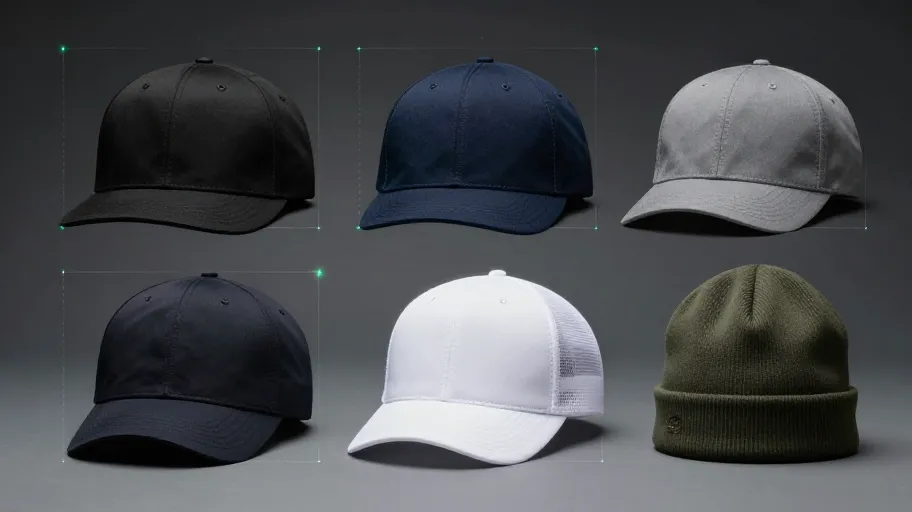
You’re not just buying caps—you’re buying certainty: that your first physical sample clears New Era compliance in under 72 hours, not 3 weeks; that rework drops by 42%; and that regional scale launches don’t stall at the approval gate. Here’s how top-tier cap manufacturers in the Philippines deliver it—proven, not promised.
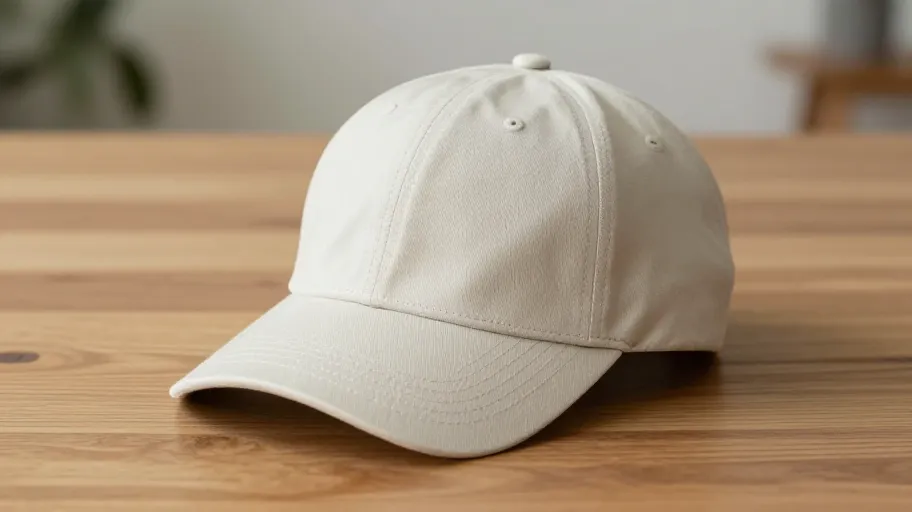
Getting a free cap sample from China can save money—or trigger a $14,000 disaster. Most brands don’t realize what’s missing until it’s too late. Ask these key questions before you commit.
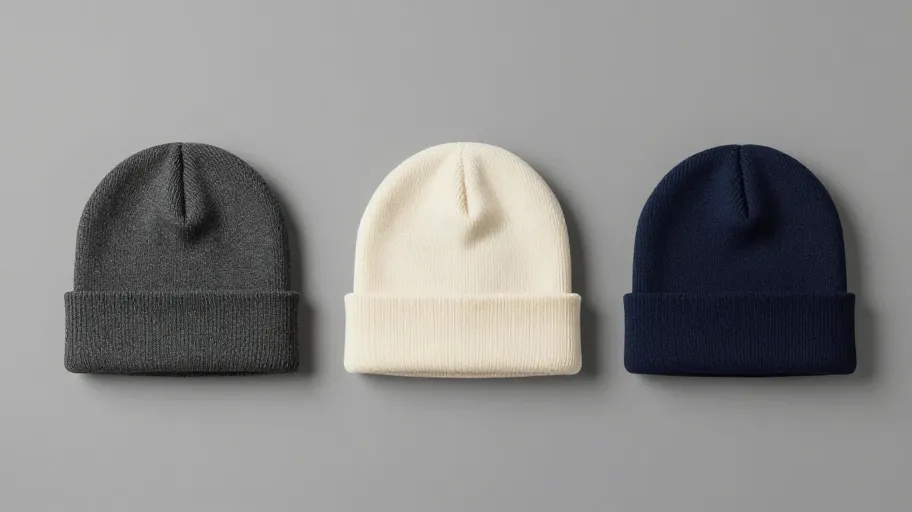
Private-label headwear fails not from high costs—but from spec misalignment. This article shows how precision beanie tech packs + verified factory capability cut sampling rounds by 62%, slash time-to-PO by 4.3 weeks, and turn guesswork into guaranteed fit.
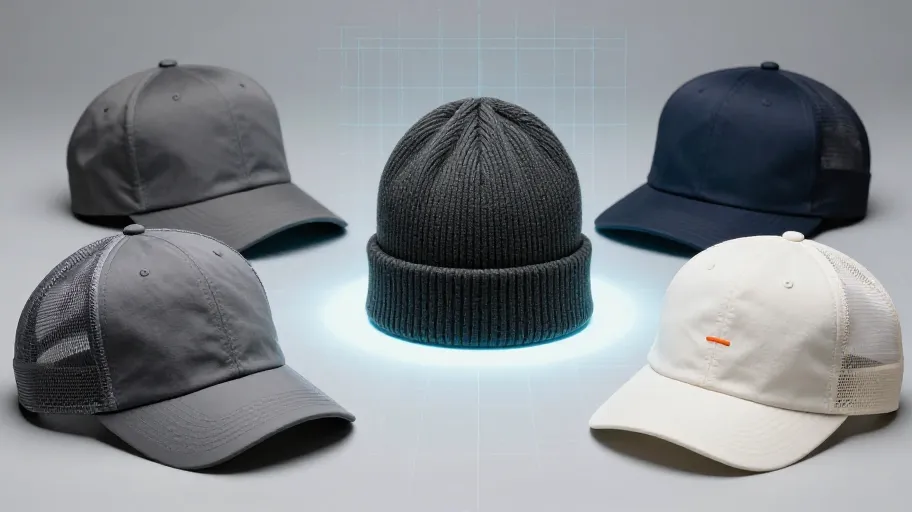
Most private-label brands vet cap manufacturers by portfolio, MOQ, or lead time—but those signals miss the real risk. A beanie tech pack response is your fastest, cheapest, and most predictive stress test. Here’s how to run it—and what every answer (or silence) reveals about scalability, quality control, and launch readiness.
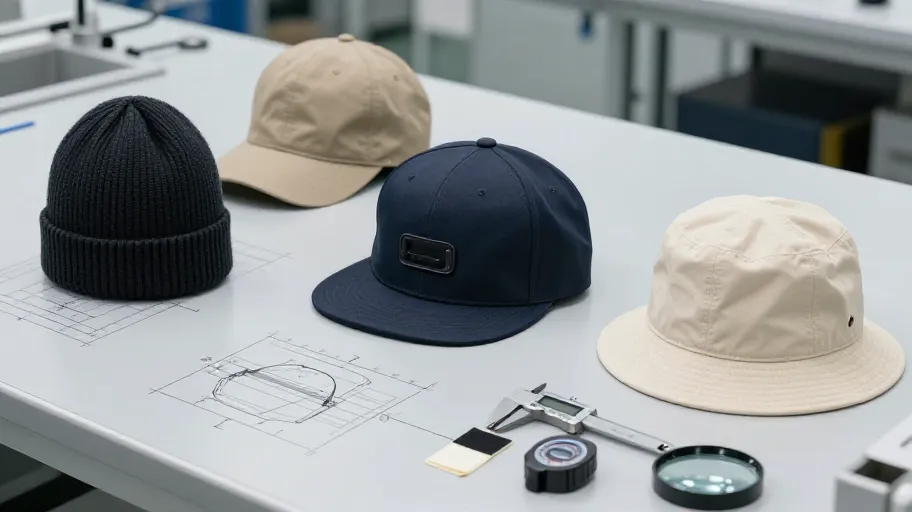
A beanie tech pack isn’t paperwork—it’s your first real interview with a headwear factory. It reveals who reads tolerances—and who guesses. Here’s how this single document reshapes sourcing, slashes rework, and exposes capability gaps before you commit a dime.
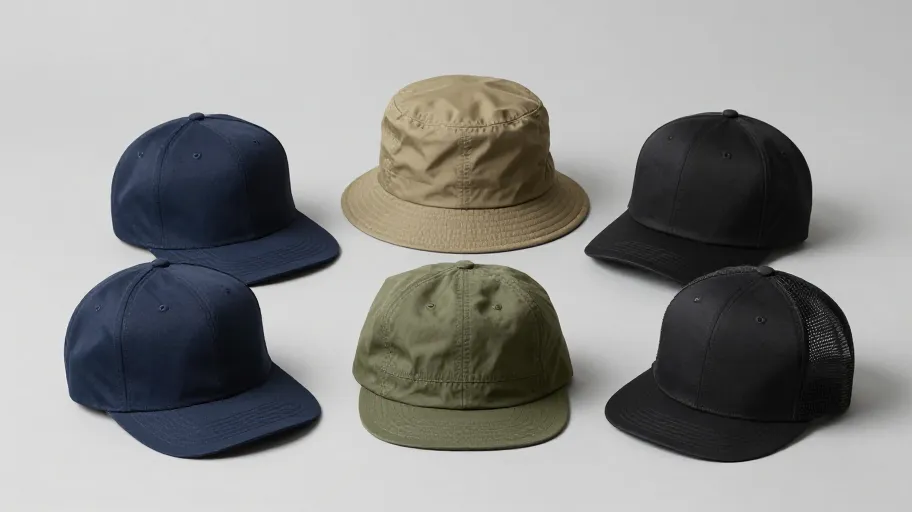
Sourcing bucket hats shouldn’t feel like betting on a weather forecast. Settle just five core specs before your RFQ—and you cut cycle time by 40%, slash post-PO rework by up to 70%, and turn free samples into audit-grade verification tools.
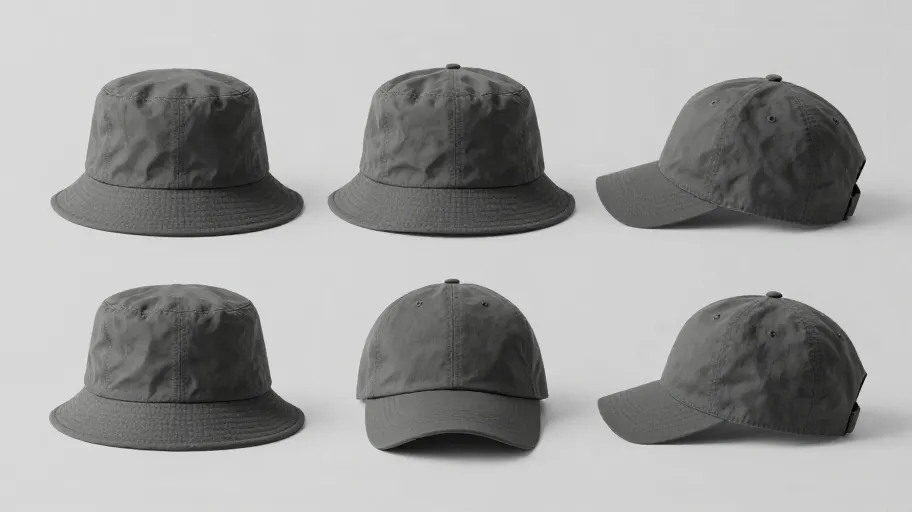
Bucket hats fail not from poor materials—but from spec misplacement. This article reveals how Tier-1 cap factories enforce a clean split: the Drawing BOM for measurement, the Approval Notes for judgment. That discipline cuts sampling rounds by 42%, slashes $18K rework per SKU, and ships with confidence.

Buyers skip three measurements in their first brief—and pay for it in rework, delays, and returns. Free physical samples aren’t a perk; they’re your only way to validate fit on real heads before tooling. Here’s what you’re missing—and exactly how much it’s costing you.
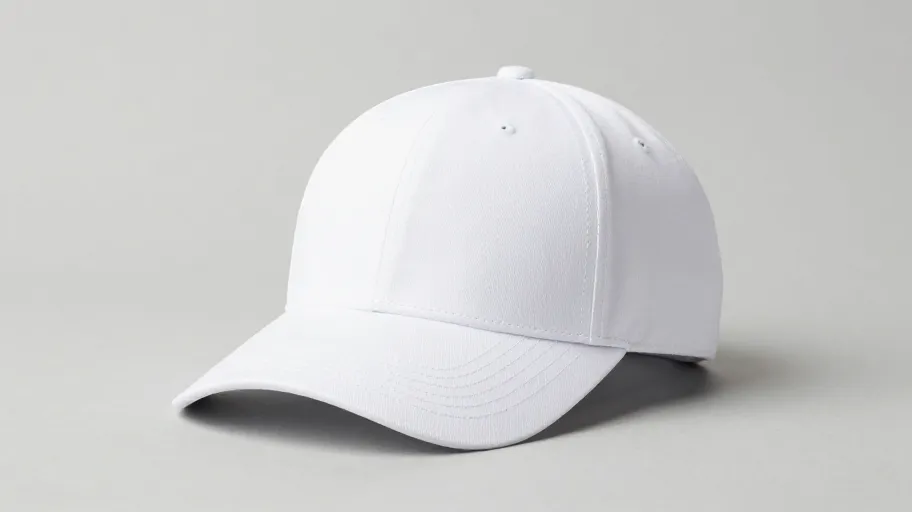
Choosing between 5-panel and 6-panel caps can make or break your launch timeline. It’s not about fashion—it’s about factory fit. See how smart brands use panel count to filter suppliers, cut sampling costs, and speed time-to-market.
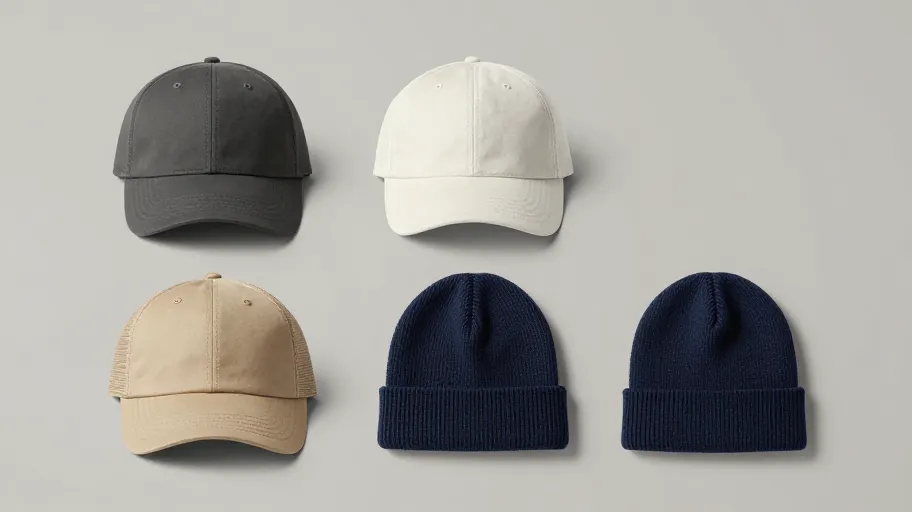
Most custom baseball cap launches stall—not at the sewing line, but at the spec handoff. This article reveals how top brands eliminate costly rework, lock fit consistency across 50K+ units, and reclaim 6–10 weeks of calendar time—by treating approval as engineering, not paperwork.
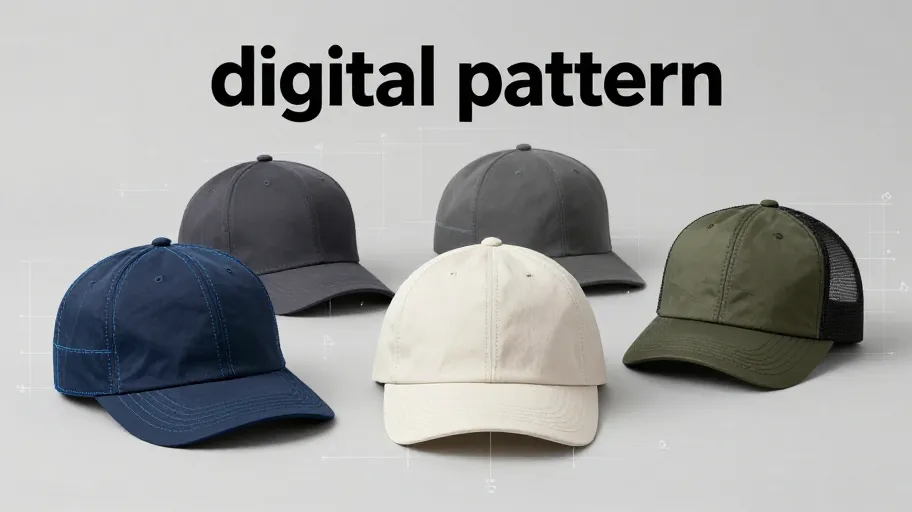
There is no universal ‘baseball cap’—only distinct construction types with real material, tooling, and QC implications. Confusing a 5-panel cap with a traditional 6-panel baseball cap causes 23% longer approval cycles and 17% higher sample rejection rates among U.S. apparel importers (2025 Sourcing Intelligence Group audit).
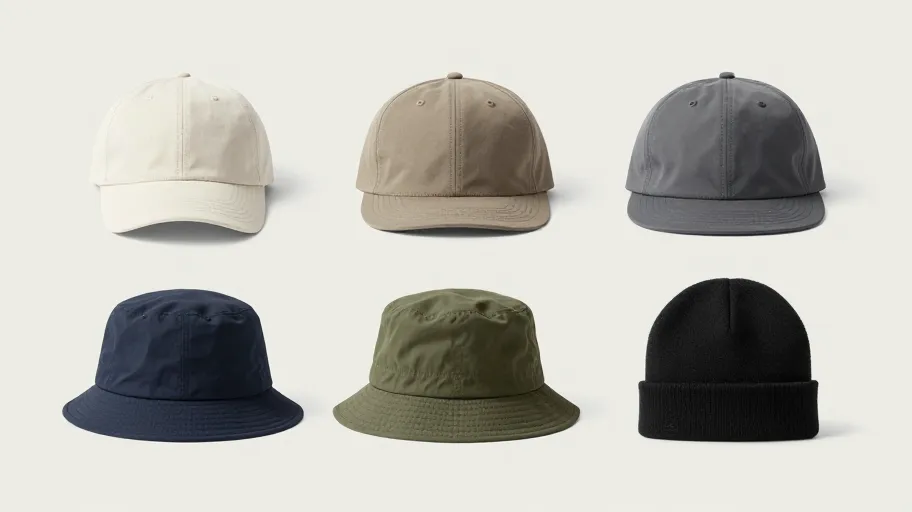
Forget Alibaba roulette. The fastest path to scalable, on-brand headwear isn’t bidding blind—it’s partnering with cap manufacturers and bucket hat factories that treat your spec sheet like executable code. Here’s how precision-driven sourcing turns sampling from a cost center into your most credible sales tool.

68% of failed cap manufacturing projects stem from undocumented process variance, not cost or MOQ. This article delivers auditable technical profiles — not brochures — so your team can verify crown geometry tolerances, steam-pressure logs, and embroidery file version control before cutting the first sample.

Most brands waste weeks chasing perfect samples—only to find critical flaws at bulk production. Here’s the fix: demand verifiable documentation before you request a single free hat sample. This flips supplier evaluation from guesswork to guaranteed execution—and cuts onboarding time by 40%.
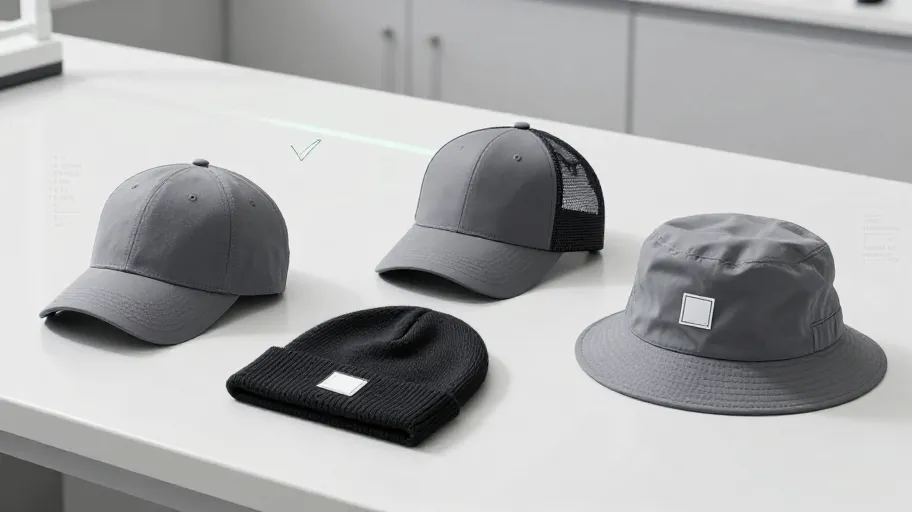
Chinese cap manufacturers promise compliance—but only documented proof stops $427K recalls. We break down how timestamped AQL logs, ERP-integrated audits, and machine-verifiable SOPs turn supplier selection from faith into physics. No more PDFs. No more 'we’ll send it tomorrow.'
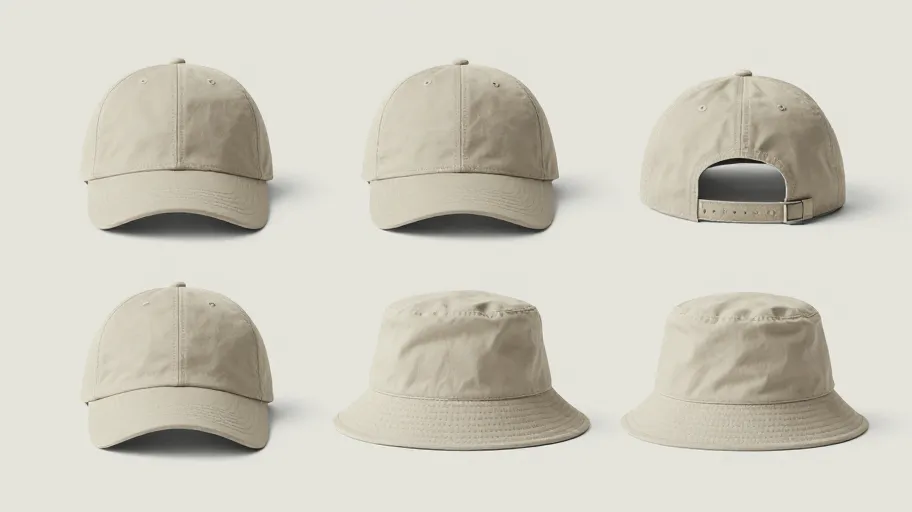
Cap manufacturers won’t quote until you hand them seven locked-in specs — not six, not eight. Skipping just one adds 11–21 days to your sampling timeline. Here’s what those specs really are, why each one moves real dollars, and how brands using this checklist cut revision rounds by 37%.
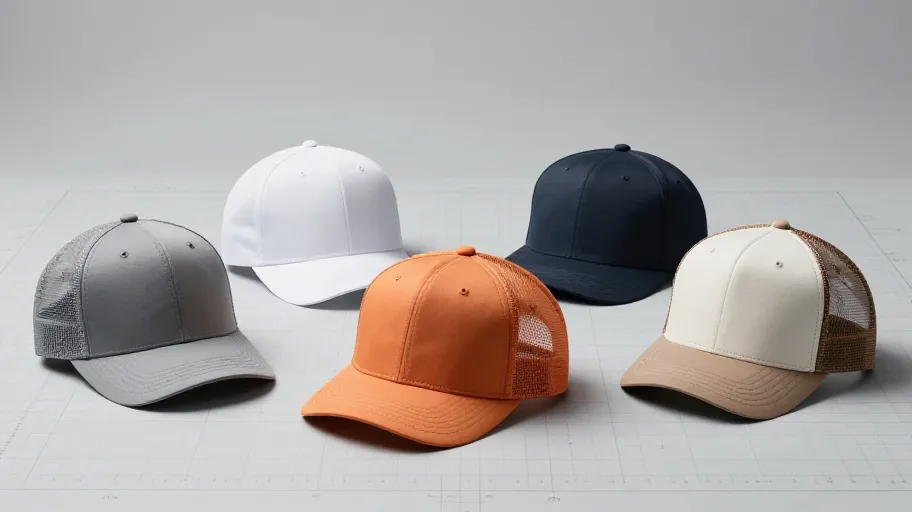
Cap terminology isn’t jargon—it’s a contract written in ambiguity. When bill height, crown circumference, or closure type go undefined, 68% of pre-production delays stem from spec misalignment—not factory capacity. This glossary turns fuzzy language into enforceable precision.
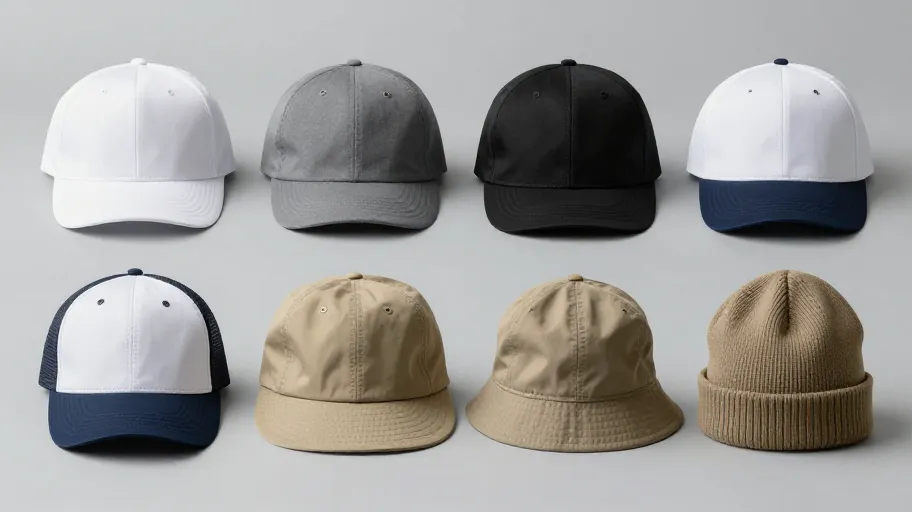
Cap manufacturers promise precision—but too often, their claims vanish under scrutiny. This article shows how structured, machine-verifiable documentation transforms cap factory selection from a gamble into a calculation—slashing RFQ cycles from 18 to under 6 days and turning compliance from a checkbox into a live KPI.

Let's be honest. CES is less a trade show and more a week-long, caffeine-fueled obstacle course where your shoes are the enemy and your voice is a distant memory. You've got a killer product, but so does the startup across the aisle whose booth involves actual, functioning jetpacks (probably). In this glorious, overwhelming chaos, you're fighting for one thing: a sliver of someone's fried attention span.
Now, picture your poor, heroic booth staff. They're on hour ten. Their feet have staged a mutiny. They've smiled so much their face hurts. And perched on their head, slowly absorbing the essence of Vegas and stress, is… a sad, generic customized hat. The brim is doing a weird, wavy thing. The logo looks like it's seen better days. It's the wearable equivalent of conference-center coffee: functional, but deeply, deeply uninspiring.
Here's the thing nobody tells you in the pre-show briefings: in the trenches of CES, your team's customized hats aren't just merch. They're morale. They're shade. They're the silent, stitched-on colleague that says, We thought about you, and we didn't want you to get a headache. Choosing them from the wrong cap factory is like packing flip-flops for a hike. Going with a cap manufacturer that gets it? That’s like discovering your backpack has a hidden water bottle and a snack. It’s a small act of mercy that pays off big time.
In the global fashion and promotional merchandise industry, customization has become the key to standing out. Whether for retail brands, corporate events, or sports teams, customized hats are one of the most effective ways to promote a brand. For businesses seeking reliable partners who can provide high-quality, customized products, choosing the right cap manufacturer is crucial. At NewGeneration, we understand the power of personalized products. We offer premium customized hats, innovative hat designs, and high-performance custom sports caps tailored to meet the diverse needs of businesses worldwide.
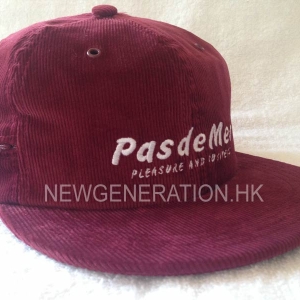
The final enemy Nexus explodes. Your squad lifts the trophy. The crowd roars. Then, your star player adjusts their team-issue custom sports caps on stream, and the embroidered logo looks pixelated. The brim is already warped. In the high-def close-up, it’s clear: while the gameplay was legendary, the gear is… well, it looks like it dropped from a low-level loot box.
This isn't just a bad look; it's a brand disconnect. In 2026, esports is mainstream entertainment. Fans don't just watch; they buy into an ecosystem. Your custom sports caps, beanies, and personalized hats are wearable extensions of that world. If they feel cheap, you're telling your community their support isn't worth premium craftsmanship. Sourcing from a random promotional product website is like trying to win a championship with default settings. To compete at the highest level, you need a partner built for it—a true cap manufacturer that gets the culture, the pressure, and the need for gear that performs as well as your roster.

If your last headwear launch involved three physical frame shipments, 42 email threads, and a last-minute airfreight panic, the Hooptech Gen 2 Cap Frame isn’t just an upgrade—it’s your new sourcing calendar. Here’s how it cuts 40% off your timeline—without asking anyone to change software or hire consultants.
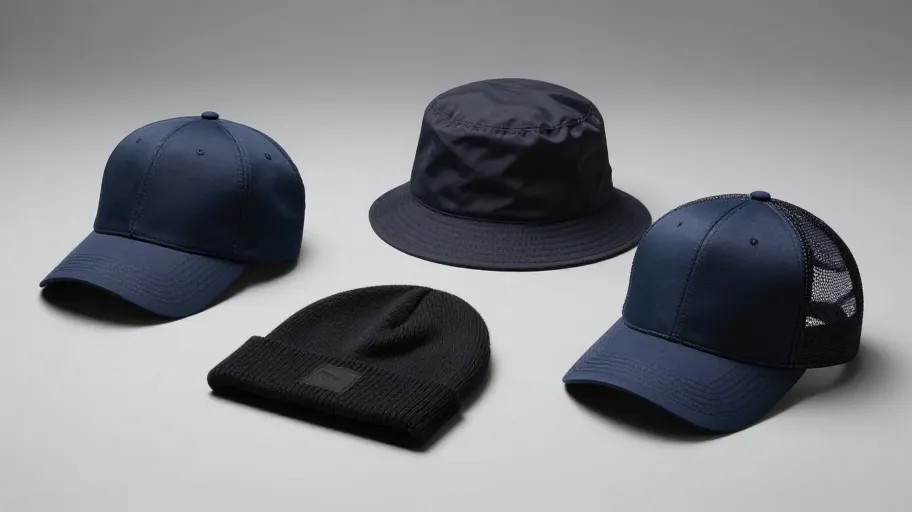
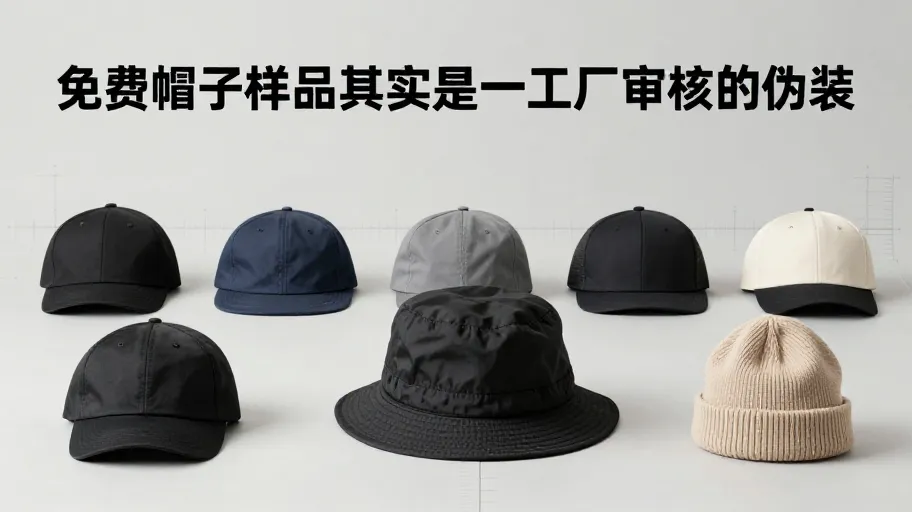
The fastest path to reliable private-label headwear isn’t chasing the lowest quote — it’s treating free hat samples as forensic tools. Brands using this method cut sourcing time by 37% and slash first-batch rejections by 60%. Here’s how to turn unbranded caps into your most powerful due diligence asset.
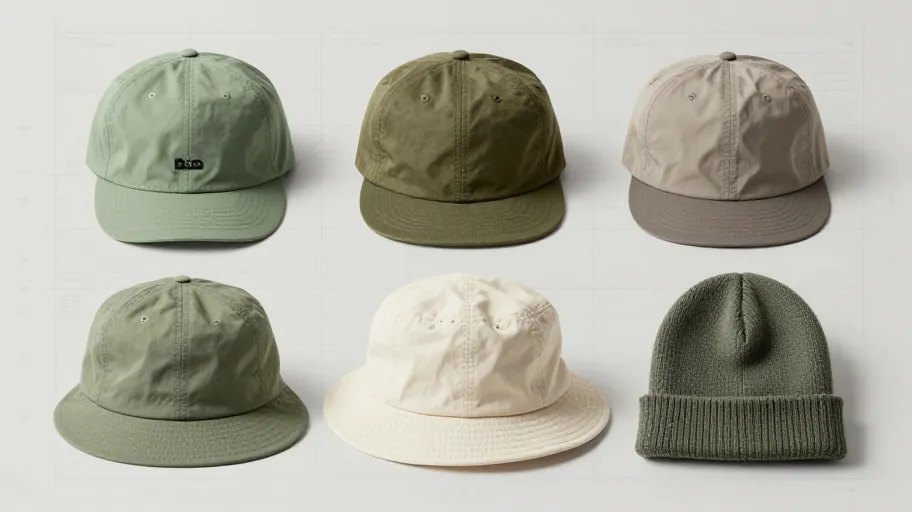
Sourcing sustainable custom caps at scale isn’t about swapping polyester for recycled PET—it’s about who controls the spec sheet. This guide cuts through marketing fluff and shows exactly how disciplined alignment between cap manufacturers and cap factories slashes rework by up to 68%, trims time-to-market by 3.2 weeks, and turns your sustainability claims into audit-ready reality.
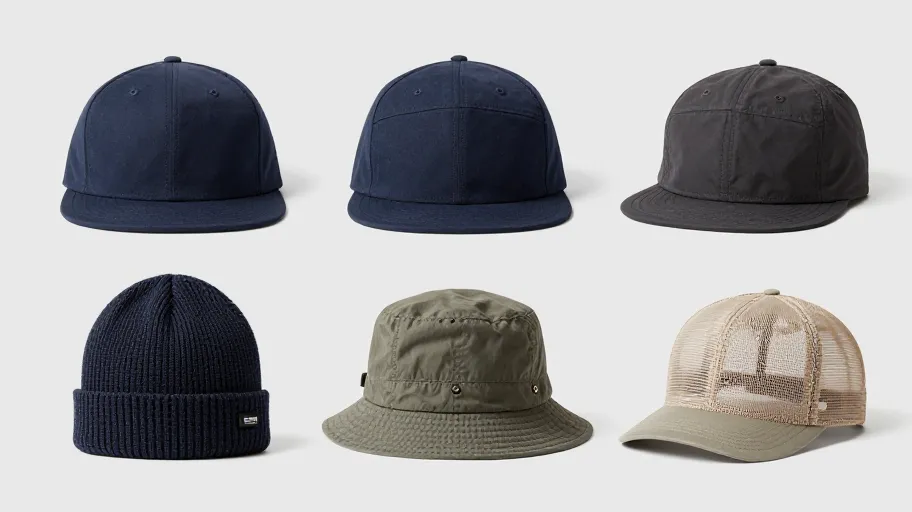
Sourcing custom hats from China isn’t about finding the cheapest cap factory—it’s about eliminating ambiguity before the first thread is cut. This guide delivers a battle-tested path from vague design brief to signed-off production sample, with tech pack standards, real-world vetting filters, and a 12-point final approval checklist—all built for speed, accountability, and margin protection.
Cap factories turn ideas into wearable brand power. With advanced embroidery, fabric sourcing, and smart workflows, they make high-margin headwear possible—for startups and global labels alike. It’s not just sewing; it’s strategy.
The fastest way to avoid $12K+ in avoidable sourcing waste is to compare supplier quotes line by line—not just unit prices. Buyers who audit terms like tooling amortization, sample credit rollover, and FOB port exclusions cut negotiation cycles by 68% and secure usable free hat samples 3.2× more often.
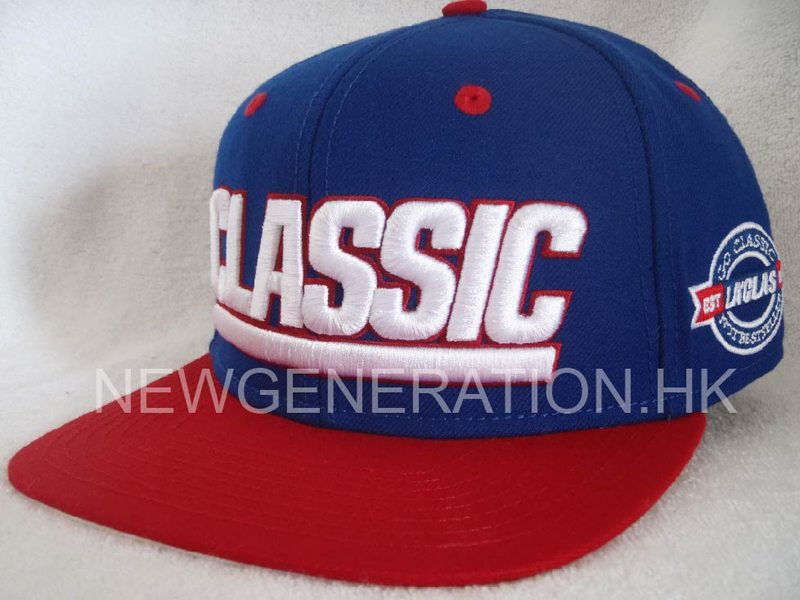
In today’s fast-paced, competitive business environment, standing out is crucial. One highly effective way businesses differentiate themselves is through customized hats that reflect their brand identity and resonate with their audience. As a leading cap manufacturer, New Generation is here to help businesses create eye-catching, high-quality hats, from baseball caps to innovative hat designs, that will elevate your brand presence in the market.
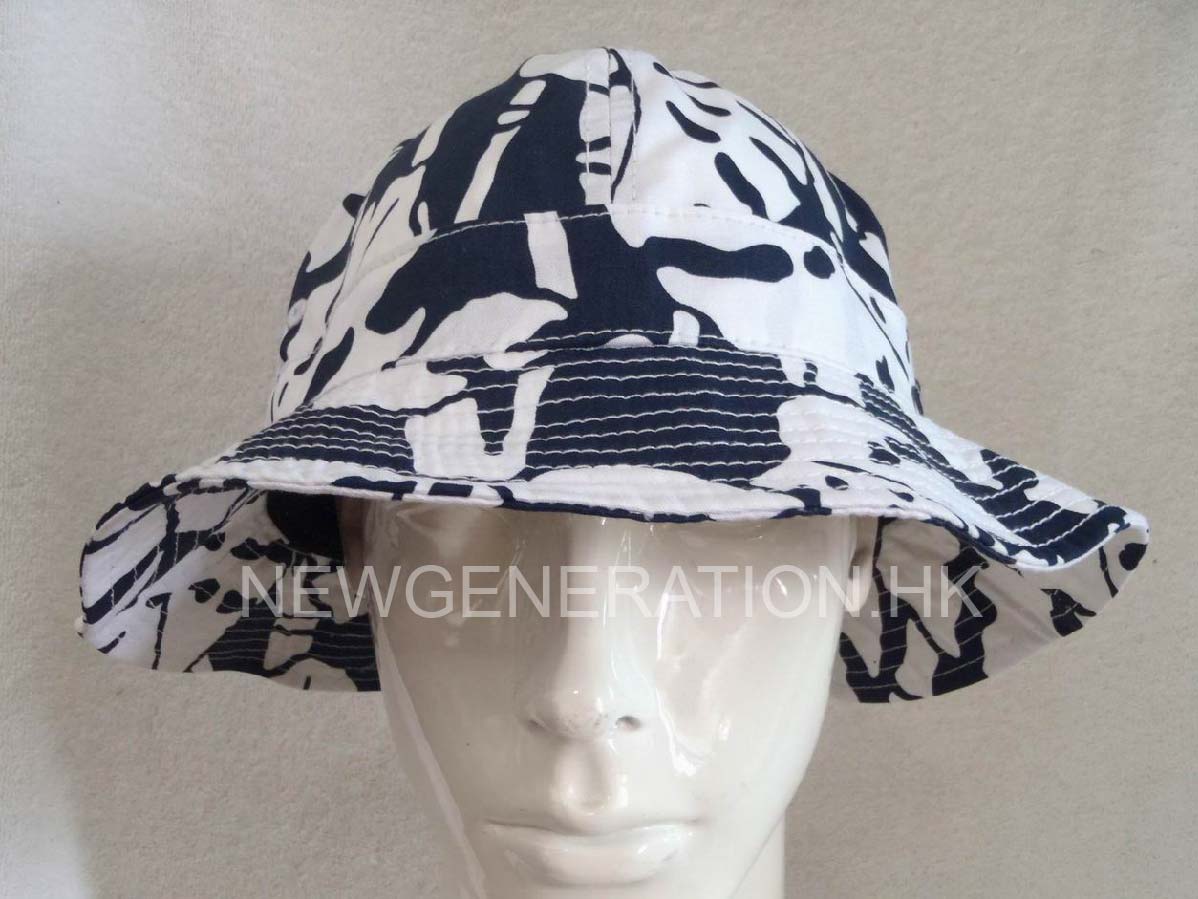
In the fast-paced world of fashion and branding, finding a reliable cap manufacturer or cap factory can make or break your business. Whether you are looking to expand your product line or strengthen your brand’s identity, working with a partner that understands quality, creativity, and scalability is crucial. At New Generation, we specialize in crafting customized hats, custom sports caps, and fisherman beanies, helping businesses like yours meet diverse demands with style and precision.





