


Getting sustainable baseball caps right starts long before production. Early alignment with cap manufacturers slashes waste by up to 40% and speeds time-to-market—here’s how top brands make it happen.

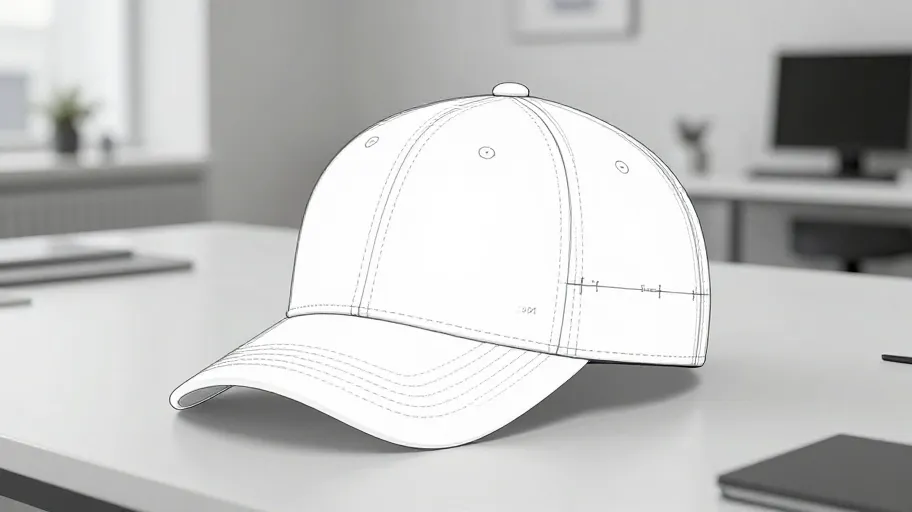
A complete Beanie Tech Pack Checklist slashes miscommunication with cap manufacturers in China. For private label buyers, that means fewer errors, faster launches, and real scalability—no design degree required.
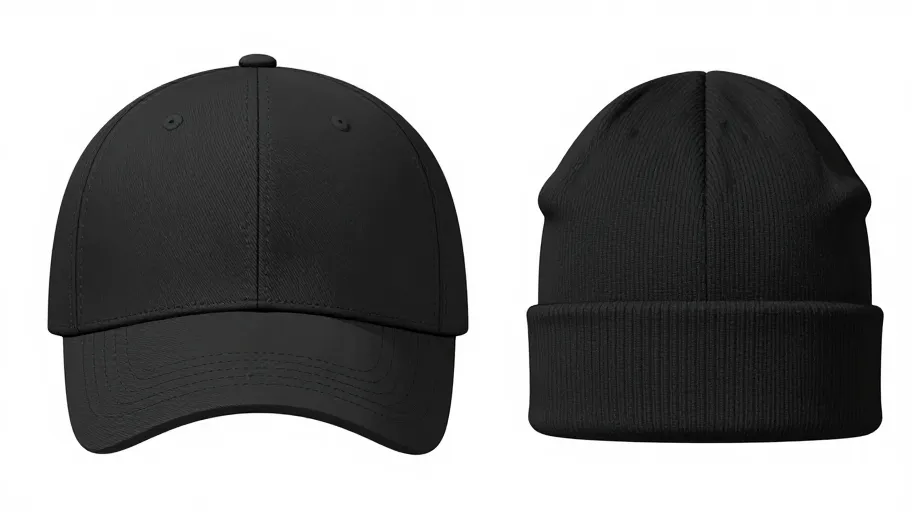
A complete Beanie Tech Pack Checklist prevents costly revisions and aligns your brand with reliable cap manufacturers China. This isn’t paperwork—it’s profit protection through precision.
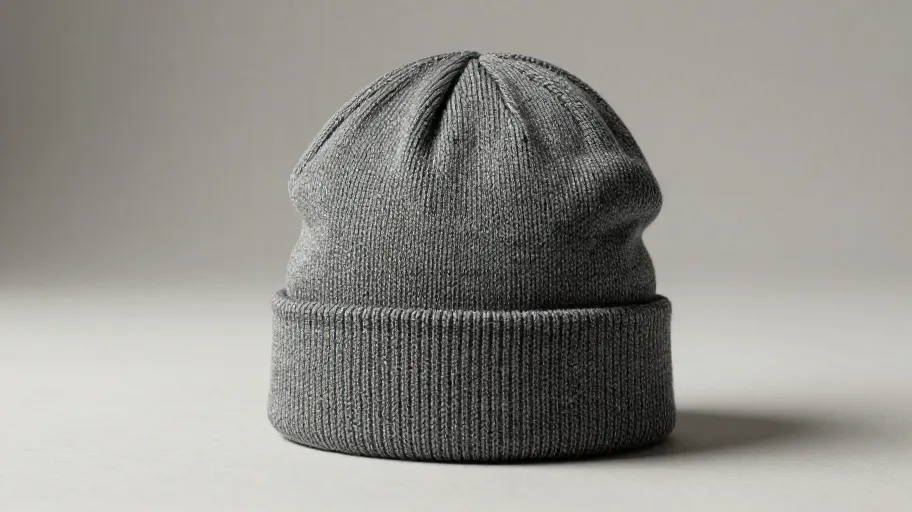
A missing tolerance spec can cost you $185K and a season. The Beanie Tech Pack Checklist fixes that. Here’s how to lock in fit, fabric, and compliance—so your factory delivers right the first time.

Relying on photos for cap sampling leads to costly mistakes. Tech packs replace guesswork with precision, cutting approval cycles by up to 60%. See how brands get it right the first time.

A complete Beanie Tech Pack Checklist for Private Label Buyers slashes sampling errors by up to 70%. That means faster approvals, lower costs, and consistent quality—so your winter launch hits shelves when demand peaks.

Approving a cap or beanie tech pack without verified evidence risks 30% higher defect rates. Learn what proof to demand before final sign-off—and how it slashes sampling costs and delays.
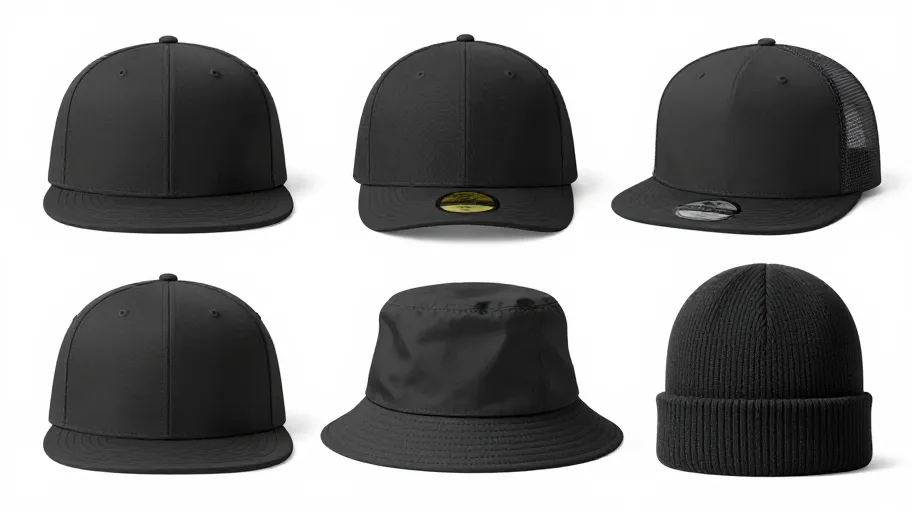
Sending unclear specs to a cap manufacturer China partner? You're not just risking bad samples—you're burning time and cash. A full tech pack changes everything by locking in precision before production starts.
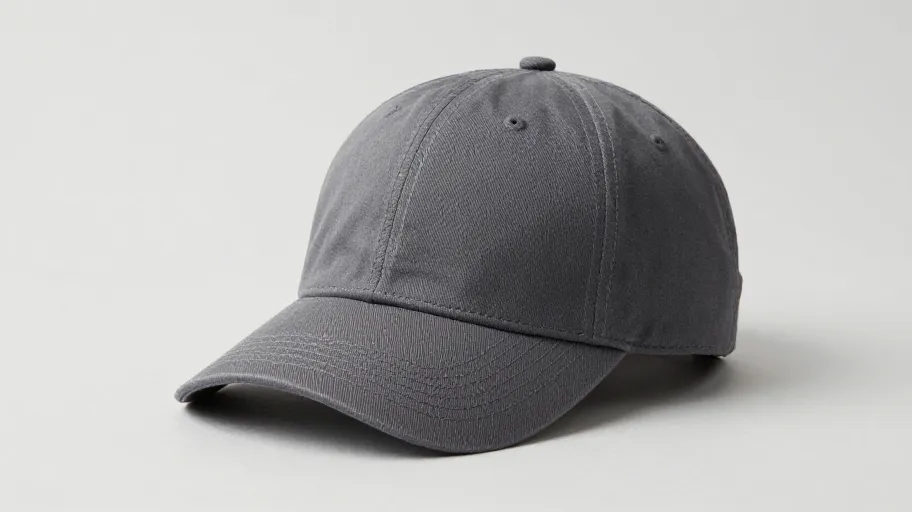
A complete baseball cap tech pack prevents costly sampling errors with overseas factories. Brands that skip key specs face up to 60% rework rates. This guide delivers the exact blueprint for clear, actionable manufacturing handoffs.

One typo in your tech pack can torch $15K and kill your launch. We’ve seen it happen. This checklist fixes that. No fluff—just what works.
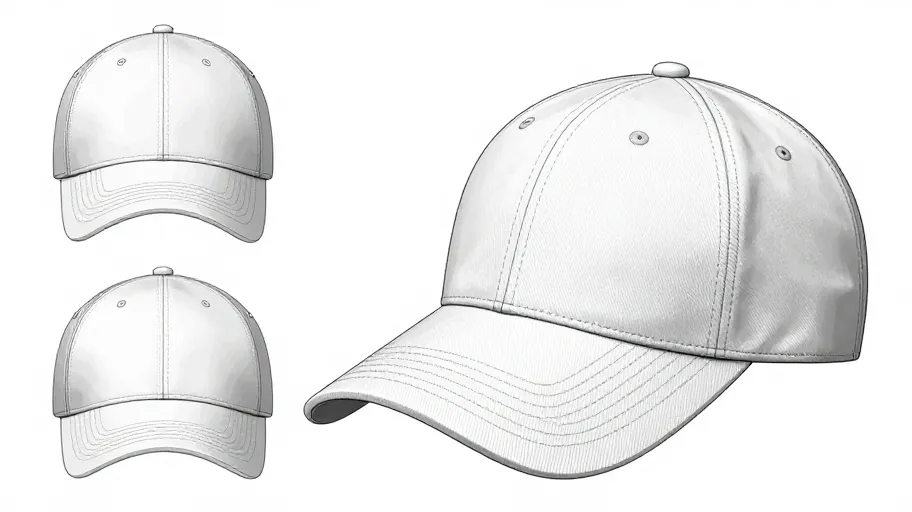
Most brands lose thousands on misaligned embroidery and warped brims because their tech packs don’t speak the factory’s language. This guide shows you how to build a production-ready hat tech pack that cuts sample rounds, speeds up time-to-market, and keeps quality consistent across Chinese factories.
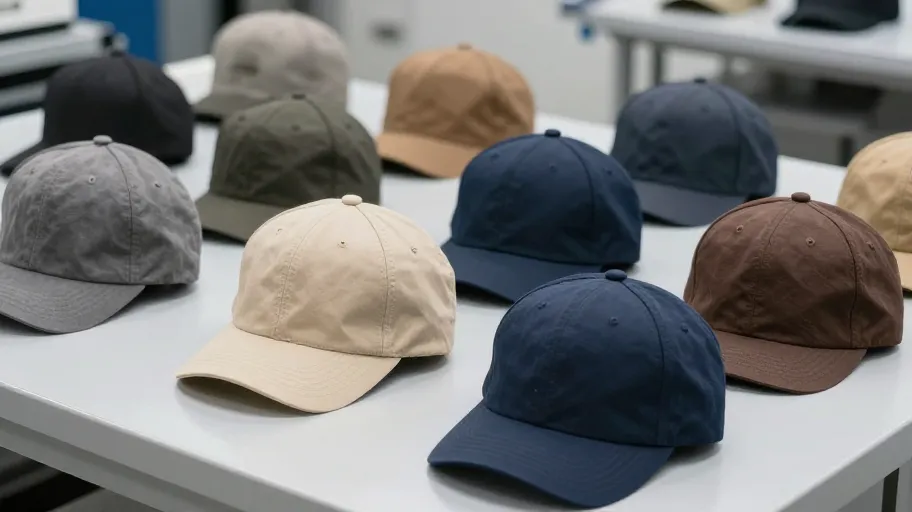
One fabric substitution can trigger weeks of delays and costly rejections. Cap manufacturers who skip technical validation risk quality, timelines, and customer trust. Here’s how to stay in control.

A detailed hat tech pack slashes miscommunication with snapback manufacturers, cutting sample revisions by up to 70%. That means faster launches, lower costs, and fewer headaches across global cap factory networks.

Accurate tech packs cut sampling time by up to 60% when working with headwear manufacturers china. This guide delivers a proven framework to eliminate miscommunication, reduce lead times, and scale production confidently.

Miscommunication with cap manufacturers in China kills timelines and budgets. A complete Beanie Tech Pack Checklist for Private Label Buyers fixes that—fast. Here’s how.
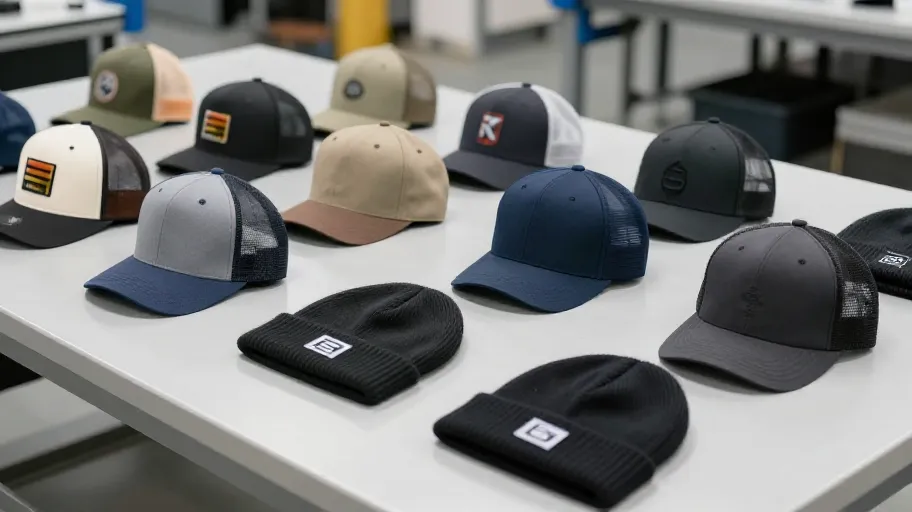
Stop restarting your cap production over flawed samples. With the right review process, you can save up to 3 weeks and slash rework costs by 40%—without switching factories.

Most custom hat launches fail before production due to poor spec alignment. With the right beanie tech pack, you can cut rework in half and hit market faster—without burning cash on endless revisions.
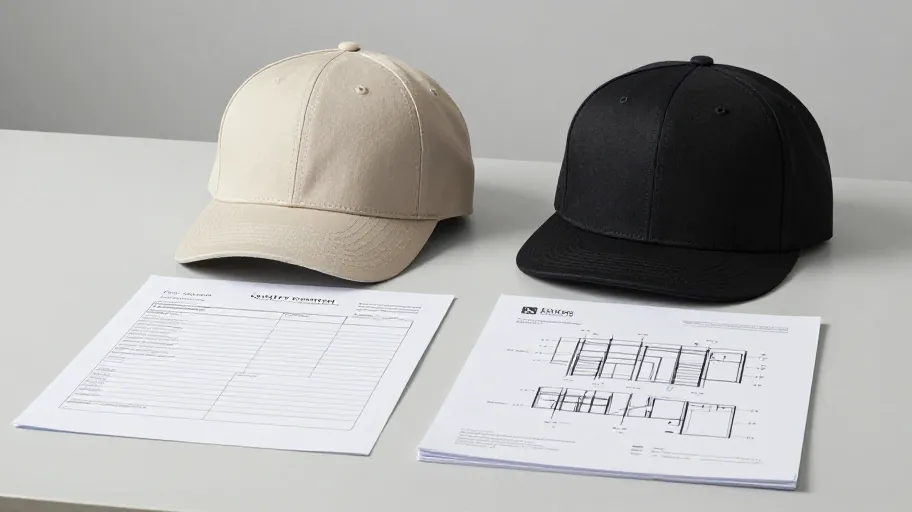
Choosing a cap factory in China on vibes alone? That’s how you end up with 30,000 warped visors. Fact-based vetting cuts defects by up to 70%. Here’s how documentation and real samples—used right—protect your launch, margins, and reputation.
Finding the right cap factory in Tamil Nadu shouldn't feel like a gamble. We've seen brands burn thousands on endless sampling because they skipped the technical basics. This guide breaks down exactly how to evaluate cap manufacturer in Tamilnadu for a private-label project and build a beanie tech pack that actually saves you money.

Choosing a cap factory in China shouldn’t mean gambling on quality. This buyer scorecard replaces guesswork with measurable KPIs—so you get fewer defects, faster delivery, and real ROI. Here’s how top brands are doing it.

Most brands get burned by flashy promises from cap manufacturers china—but real success starts with data, not brochures. Here’s how to spot the difference.
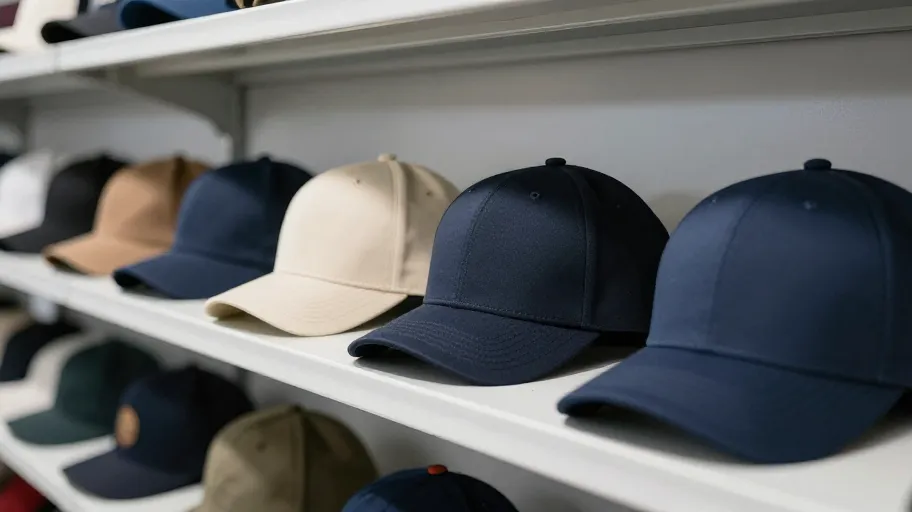
Choosing a cap manufacturer in China shouldn’t be a gamble. Ignore the brochures, skip the staged tours, and focus on what actually matters: verified quality systems and audit trails that predict real-world performance.

Choosing a cap manufacturer in China shouldn’t mean gambling on glossy photos. We cut through the hype with measurable criteria that separate real production power from empty promises—so you can source with confidence, not hope.
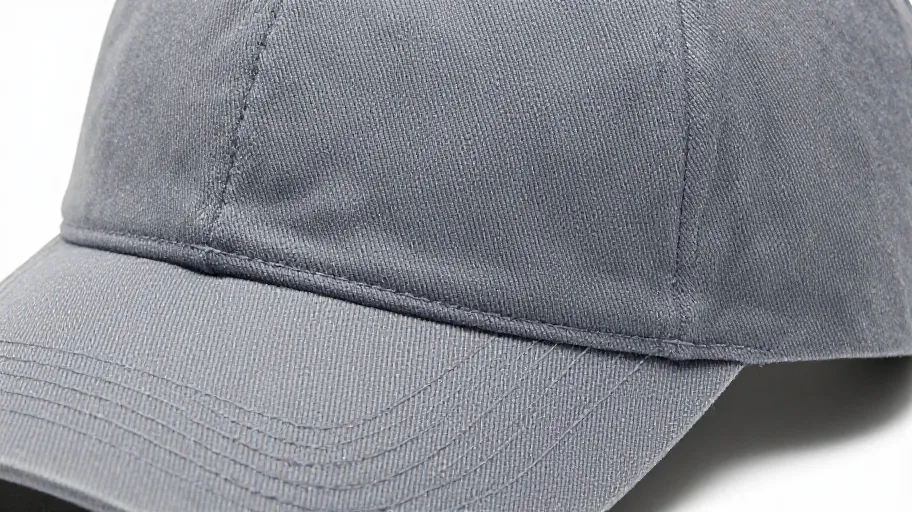
Picking the wrong custom cap manufacturer means wasted time, returns, and angry customers. This checklist cuts through the noise—focus on fabric, construction, and branding that actually last. No fluff.
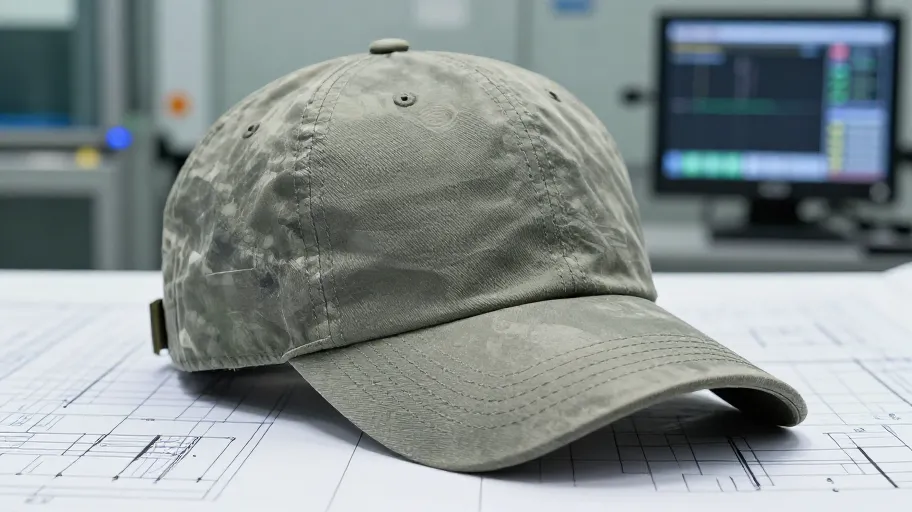
Buying custom military caps on price alone is a gamble. Documenting specs first cuts failure risk by up to 70%. Here’s how top programs get it right—every time.

I've audited over 40 cap manufacturers china across Guangdong and Zhejiang. The brands that get burned on offshore production don't get burned because the factory was bad. They get burned because the instructions they sent could mean five different things to five different people on the same factory floor. A proper hat tech pack doesn't make you more creative. It makes you more precise. And precision is the only thing standing between a launch date and a write-off. Here's what that looks like when two European brands learned it the hard way.
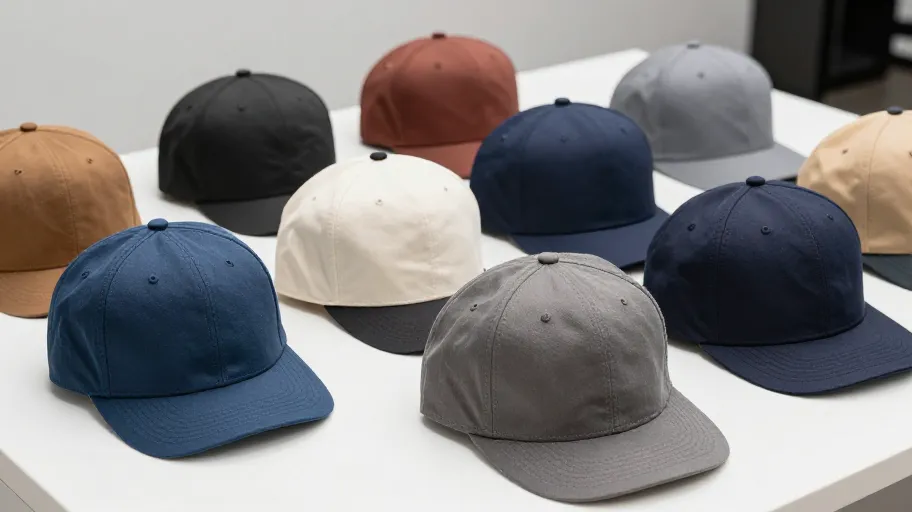
Choosing the right cap manufacturer in China doesn’t have to be risky. A structured buyer scorecard cuts through the noise, turning vague promises into measurable results. Here’s how top brands make smarter decisions—fast.

A complete hat tech pack cuts rework costs by up to 40% and gets headwear to market faster. It's the backbone of scalable, consistent production across global factories. Getting your headwear production specs right from the start transforms the cap sampling process from a 6-month ordeal into a 2-round validation.

Comparing headwear quotes shouldn’t mean guessing what’s hidden in the details. With standardized tech packs, you can cut evaluation time by up to 70% and avoid costly rework—no more surprises when the shipment arrives.

Over 40% of U.S. headwear brands suffer production delays when sourcing from China. It’s rarely a factory issue; it's a spec gap. We break down how hat tech packs and professional factory alignment turn vague sketches into retail-ready consistency.
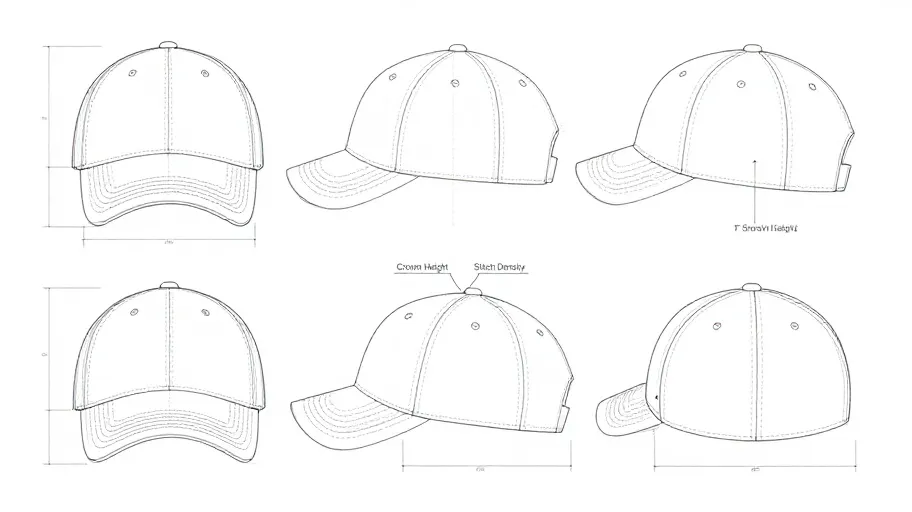
A precise hat tech pack reduces miscommunication with headwear manufacturers china by up to 70%. Discover how to build one step-by-step for professional-grade results and faster time-to-market.

Skipping details in your hat tech pack? That’s why your samples are off, deadlines are slipping, and margins are shrinking. Here’s how to fix it—before the next round of rework.

Most sampling delays in a cap factory come from guesswork—not bad designs. A real hat tech pack eliminates ambiguity, so your team builds it right the first time. Here’s how leading snapback manufacturers are saving weeks and thousands.

Guesswork kills small-batch hat brands. Sapphire Crystal Inspection: Dimensions and smart MOQ planning cut rework by up to 40%, so you ship faster and keep customers happy.
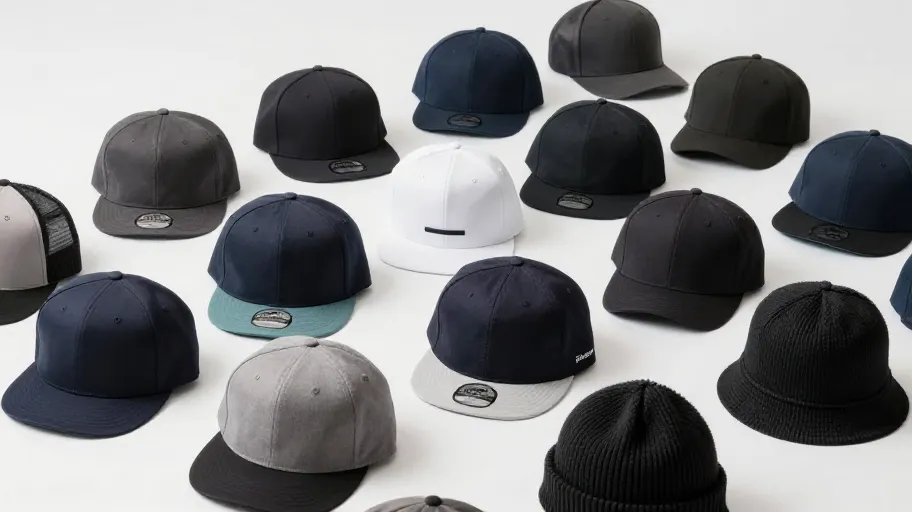
Without a hat tech pack, cap factories are guessing—not building. Misaligned brims, wasted fabric, and delayed launches cost brands thousands. Here’s how smart documentation turns chaos into consistency—and rework into ROI.
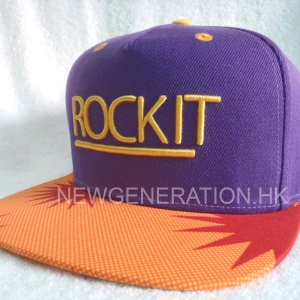
Nearly 37% of seasonal apparel launches face delays—and hats are among the most vulnerable. Hat tech packs fix that. Here’s how brands are using them to ship faster, reduce waste, and build trust through consistency.

Published: May 16, 2026 | Sourcing & Supply Chain Insights
You don't need to fly to Vietnam or China to audit your cap factory in 2026. While old-school sourcing managers are still burning $4,000 on long-haul flights just to manually count sewing machines on the production floor, smart headwear brands are shifting to real-time digital verification tools to catch up to 70% of supply chain defects before the bulk shipment ever leaves the loading dock.
Why traditional on-site audits are wiping out your headwear margins
The core problem with traditional, episodic factory audits is that they are too slow for today's hyper-fast headwear turnarounds. They show you a pristine snapshot of a single afternoon, completely ignoring the operational reality of the remaining 29 days of your production run. For experienced cap manufacturers, quality isn't a static checkbox—it shifts from shift to shift based on machine calibration and operator fatigue.
Look at what happened to Bergkron, a German premium outdoor apparel brand. In late 2025, they relied on a standard third-party pre-shipment inspection for a batch of 12,000 waterproof running caps at a Vietnamese facility. The inspector signed off on the AQL paperwork. What he missed, however, was a critical operational change: three days prior, the factory had secretly sub-contracted the visor embroidery to a smaller local workshop to meet the shipping deadline. That workshop used older machines with an improper stitch density—under 3 stitches per centimeter. The sweatbands bunched up and chafed during wearing tests.
By the time the container landed in Hamburg, 35% of the entire batch was completely unsellable. Reworking the order cost them $210,000 in logistics, but the real failure was missing their peak winter retail launch, which wiped out $1.8M in seasonal sales. The worst part? The visual warping on those sweatbands had been clearly captured on the factory's internal final packing cameras for 19 straight days. No one saw it because the brand's procurement team was waiting in Germany for a physical paper report to be typed up and emailed over.
That is severe financial risk built directly into an outdated sourcing model. The 2025 Global Apparel Compliance Report highlighted that 61% of catastrophic manufacturing defects—like raw fabric substitution or misaligned embroidery heads—are fully trackable through digital feeds long before packaging. Yet, most fashion buyers still wait for time-zone-delayed photo updates on WeChat or WhatsApp.
When Bergkron modernized their quality tracking by collaborating with the New Generation global network, they shifted from "inspecting disasters" to "preventing them." On their next order of winter beanies, a live digital calibration feed flagged a subtle needle-tension drop on Line 4 within two hours of startup. The factory paused production and fixed the tension screw after only 40 units were made. Total waste was practically zero.
Real case: how Urban Headwear caught fabric fraud before a single die was cut
Let's look at another real case from Urban Headwear, a French sports brand. During a mid-run production of unstructured 5-panel caps, their partner cap factory unexpectedly ran out of the specified 280 GSM premium cotton twill. To keep the lines moving and avoid late-delivery penalties, the cutting room substituted a cheaper 230 GSM blend without telling anyone.
In the past, this kind of fabric substitution would only be discovered months later when customers touched the product in European retail stores. This time, however, the quality agreement required the factory to upload digital spectrophotometer scans and fabric weight logs before a single die-cutter touched the fabric roll.
The shared dashboard flagged the weight and shade discrepancy (the Delta E color variance exceeded 1.2) instantly. Production was halted on the spot, the correct fabric was re-ordered from the mill, and Urban Headwear saved over €270,000 in potential product recalls and brand damage.
If you are not watching the raw material parameters before cutting, you are essentially gambling on your bulk margin.
The two digital tools that actually replace boots on the ground
You don't need multi-million dollar software platforms. In 2026, routine digital tracking handles nearly 80% of QA needs for international cap manufacturers, cutting audit cycle times by 40% and turning compliance into a live quality shield. McKinsey's recent Fashion Operations Survey confirmed that apparel brands using continuous remote validation cut recurring factory defects by 33% year-over-year.
If you want to protect your margins, make sure your overseas partner deployment includes these two semantic tracking layers:
- A Fixed HD Video Feed Over the Final QC Table: Your sourcing team in Europe should be able to log in via a secure cloud link at any time during the active shift to watch random pulling samples. You can visually verify the straightness of the sweatband stitching and the symmetry of the brim curvature in real-time. No travel budget required.
- Digital Fabric Shade and Weight Validation: The factory must upload spectrophotometer data directly against your original headwear tech pack specifications before production begins. This is exactly how the 230 GSM substitution was caught before it turned into thousands of defective caps.
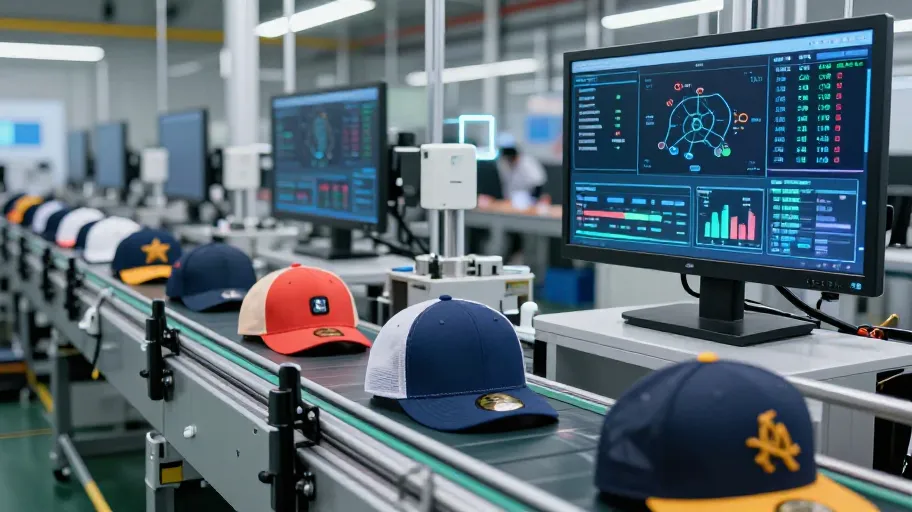
Real case: how a Belgian brand managed production with a two-person team
A Belgian streetwear brand—Ghent Essentials—was launching their first major headwear line: 18,000 structured caps from a facility in Hue, Vietnam. Their sourcing team consisted of just two people, and neither had the budget or time to travel to Asia for weeks.
They bypassed traditional audits completely by enforcing a digital validation workflow: a fixed cloud camera over the final inspection table and daily digital spec log uploads. It wasn't completely smooth at first—the factory manager initially resisted, complaining about internet upload speeds in central Vietnam. Ghent Essentials compromised by allowing the factory to upload compressed 10-minute video clips at the end of each shift instead of demanding a 24-hour live stream.
On day two of production, the evening video upload caught an operator folding the structured buckram crowns incorrectly before packing—a mistake that causes permanent brim distortion once compressed in shipping cartons. The factory corrected the packing method the next morning before the entire batch was affected. The remote setup cost under $1,800, saving them an estimated $30,000 in eventual customer returns and unsellable inventory. Their head of sourcing told us: "Flying to a factory without digital monitoring is just accepting unnecessary risk."
Your 72-hour action plan to protect your next headwear order
You don't need months of preparation or complex corporate transitions to secure your margins. Here is the practical checklist you can run through from your desk this week.
Add a mandatory digital QC clause to your active PO terms today. Write an explicit addendum stating that final balance release is strictly conditional upon receiving weekly digital QC logs and open access to the factory’s packing-line camera feed. Do not wait for the next formal contract review; email this clause to your supplier's account representative before closing hours today.
Move your technical specs out of static email attachments. Stop treating your designs as frozen PDFs that get lost in the cutting room. Move your parameters to a shared live spreadsheet or cloud workspace where your team and the overseas sample manager log thread brands, buckram weights, and seam dimensions simultaneously. If you need a structural framework for mapping these manufacturing milestones, you can review how our engineering team at New Generation structures real-time data transparency.
Demand a 10-minute live video walk-through by Friday. Send a short, direct message to your top three hat suppliers. Ask for a brief, unannounced live video call of their cutting and sewing lines during their active morning shift. A factory's willingness to immediately show you their active production lines tells you everything you need to know about your supply chain transparency. To train your internal buyers on what hidden defects to spot during that live feed, download our internal remote cap factory audit checklist.
FAQ: Remote Cap Factory Audits
How much does remote factory monitoring cost for a cap factory?
For a mid-sized cap factory in Vietnam or China, the hardware for a fixed camera over the QC table runs $300-$800. A spectrophotometer for fabric validation costs $1,500-$3,000. Cloud platform and dashboard setup adds $200-$500 per month. Compare that first-year cost to a single $4,000 round-trip flight to Guangzhou, plus hotels, interpreters, and the time cost of senior staff being off-site for a week.
What if my supplier refuses to install cameras or share data?
Walk away. A factory that won't give you digital visibility into their production line usually has something they want to hide—whether it's unapproved subcontracting or low-grade materials. In 2026, transparency is a standard part of doing business. There are plenty of professional cap manufacturers in Asia who will provide this access as a standard condition of the contract. If your current supplier gives you pushback on a basic cloud link, they are telling you everything you need to know about their internal compliance standard.
Can I monitor a factory without speaking the local language?
Yes. Camera feeds and spectrophotometer numbers are visual and numerical—they don't require translation.
What about IP security and file sharing?
Your product designs, fabric color codes, and stitch patterns are your exclusive IP. Any reputable manufacturer will sign a Data Processing Agreement (DPA) alongside your NDA. Ensure the contract explicitly states that all production metrics, images, and data logs uploaded to the shared dashboard remain your property and must be purged if the manufacturing partnership ends.

Published: May 12, 2026 | Last Updated: May 18, 2026 | Sourcing & Technical Design Insights
Missing specs cost cap factories time and money. The Complete Hat Tech Pack Checklist for 2026 fixes that—standardizing workflows so your team ships faster, with fewer errors and lower costs.
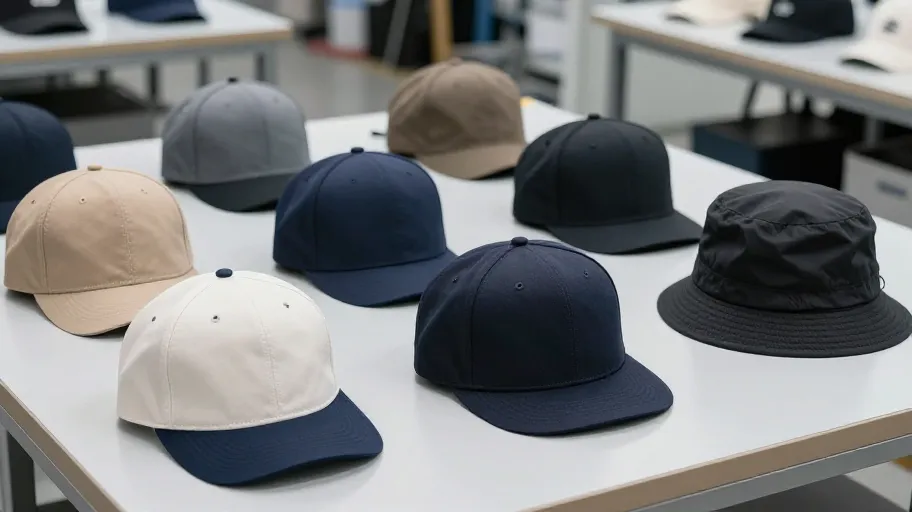
A simple document is quietly transforming how cap manufacturers in China work. After auditing 15 factories last year, here's what we learned: Hat tech packs aren't paperwork — they're the difference between profit and rework. Here's what actually works, based on real orders, not theory.
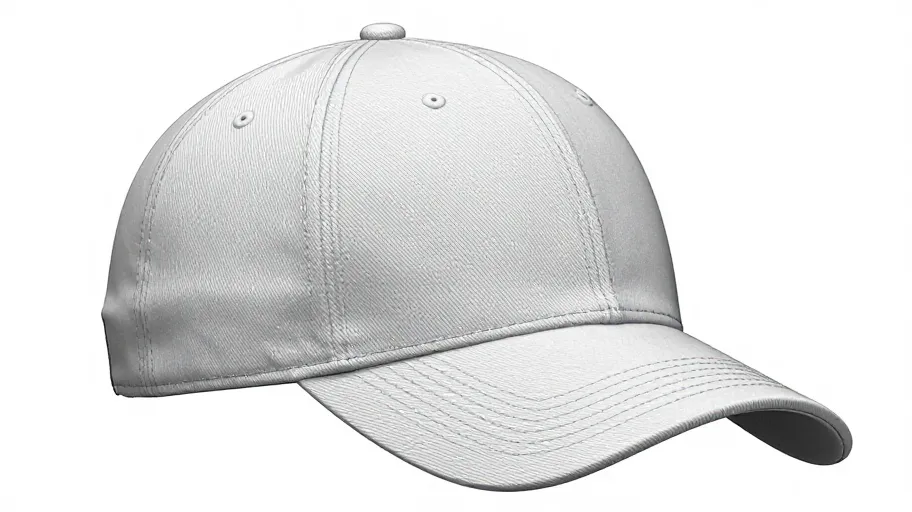
Most brands lose up to 40% of seasonal revenue because their hats don’t fit, fray, or arrive late. The fix isn’t better factories — it’s a bulletproof tech pack. Here’s how to build one that eliminates guesswork and scales production.