

In the fast-paced world of fashion and sportswear, headwear is no longer just an accessory—it is a statement. Whether it’s a streetwear brand launching a new collection, a sports team gearing up for the season, or a corporation looking for premium promotional products, the quality and design of caps matter more than ever. But here is the question every buyer inevitably faces: Where can you find cap manufacturers that truly understand your vision, meet your deadlines, and deliver consistent quality?

The European market is undergoing a green transformation. New regulations on sustainable production, material traceability, and carbon footprint reporting are reshaping the entire headwear supply chain. For B2B buyers sourcing from Asia, this creates both a challenge and a clear opportunity: partnering with a cap factory that understands compliance as deeply as craftsmanship.
Enter New Generation – a leading name among hat manufacturers China has to offer. We don’t just produce caps; we engineer sustainable solutions that meet stringent EU standards, from raw material sourcing to final labeling.
Sports fans and teams often seek ways to demonstrate team spirit and individuality. One popular way to achieve this is through personalized hats, especially custom sports hats. Not only do these hats make a fashion statement, but they also create a sense of unity and pride among team members and fans. In this article, we'll explore the world of custom sports hats and how you can customize them to reflect your unique style and team identity.

Tech packs are transforming cap and snapback manufacturing by cutting errors, speeding approvals, and aligning global teams. For cap factories and snapback manufacturer operations, this isn’t just documentation—it’s a competitive lever.
For global retailers and professional brands, the headwear sourcing landscape in 2026 has moved beyond simple procurement. With the implementation of the EU's Ecodesign for Sustainable Products Regulation and shifting consumer behaviors in North America, choosing a cap manufacturer is now a strategic investment in supply chain resilience.
From Fabric to Fashion: The Art of Cap Manufacturing and Cap Factory Operations
Be it the ceremony of Guanli, which crowned a young boy, a man in China, or Indiana Jones in her famous Fedoras, and the royals worldwide stepping out with fantastic headgear and caps have never ceased to add a hint of mystique and beauty to its user.
Getting your custom hats from sketch to shelf shouldn’t take months or cost you a season’s sales. Private label hat development done right slashes time-to-market and cuts costly rework — here’s how the best brands do it.
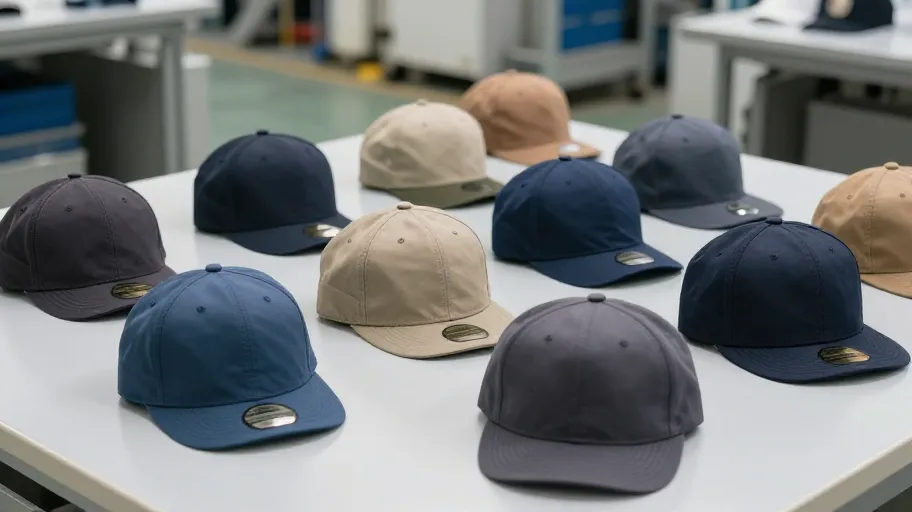
Choosing a cap manufacturer in China shouldn’t mean gambling on glossy brochures. Real capability hides behind daily operations, not marketing decks. Here’s how brands cut through the noise with audits that reveal truth.

To compare hat manufacturers in China without relying on marketing claims, treat each claim as a placeholder until a document supports it. The most reliable buyers replace sales language with a written scorecard covering business identity, capacity, quality system, commercial terms, and performance trail — then shortlist only the suppliers whose evidence holds up.
Content-Production Brief
| Item | Detail |
|---|---|
| Search job | Buyer wants a claim-free, repeatable way to evaluate Chinese hat factories before committing samples or deposit |
| Reader | Procurement lead at an overseas brand, importer, wholesaler, or corporate buyer planning a custom headwear program |
| Primary CTA | Download the Supplier Scorecard |
| Named decision framework | The Proof-First Method — replace each marketing claim with a document type |
| Conversion barrier | Buyers cannot tell which supplier claims (capacity, lead time, certifications, client list) are true from a website or sales deck alone |
| Fact boundary | No MOQ, price, sample policy, lead time, capacity, certification, test result, client list, factory capability, or sustainability claims. New Generation (NG) is named only as one supplier subject to the same scrutiny |
Signal & Competitor Rationale
| Input | Type | How it informs the article |
|---|---|---|
| GSC: impressions 2, clicks 0, average rank 11.0 | Internal tentative signal | Page-2 placement suggests ranking lacks a "how to compare" angle versus generic "best of" lists. Tentative data, may be revised; not for stable period-over-period comparison |
| GSC data note | Caveat | Treat signal as same-day discovery input only. Not a performance baseline |
| NG local knowledge base (B2B hat sourcing context) | Internal planning evidence | Confirms buyer pain around marketing claims vs. verifiable proof. Not external proof; cannot be cited as fact in the article |
| Competitor specifics | Not supplied | No competitor names, capabilities, or claims included. Do not invent |
Pain Map
| Buyer concern | Decision obstacle | Content hook | Conversion opportunity |
|---|---|---|---|
| Are capacity and lead-time claims real? | No verifiable proof attached to the claim | Documentation-first comparison protocol | Scorecard uses the same checks |
| Will quality hold across re-orders? | One good sample hides QC discipline | Insist on QC records and audit trails | Scorecard includes QC evidence field |
| Which certifications actually apply to headwear? | Logo soup on supplier sites | Map each claim to the document that backs it | Scorecard separates "claimed" from "documented" |
| How do I compare apples to apples? | Each supplier pitches differently | Standardised comparison table | Scorecard enforces identical columns |
| What red flag am I missing before paying? | Hidden in early e-mails | Pre-commitment approval questions | Scorecard ends with a go/no-go gate |
Why a "Best Hat Manufacturers in China" List Cannot Do Your Job
Search results for the best hat manufacturers in China usually return one of two things: paid directories, or "top 10" pages where inclusion often reflects advertising rather than capability. Neither helps a procurement lead commit budget.
What you actually need is a repeatable way to test what each factory says against what each factory can prove. Marketing materials from any supplier — including New Generation — are claims. They become evidence only when paired with documents, samples, and references you can independently check. The rest of this article is the protocol.
The Proof-First Method: Five Layers, One Document Each
For each layer below, write down the supplier's claim, then ask for the matching proof. If the proof is missing or vague, the claim has not been verified — it is still just a claim, and your scorecard should reflect that.
| Layer | Typical claim | Replace with |
|---|---|---|
| 1. Business identity | "Established, licensed exporter" | Business licence, export licence, registered production address |
| 2. Capacity | "We can produce X units per month" | Production schedule, equipment list, dated floor photos or walk-through video, third-party audit report |
| 3. Quality system | "Strict QC, low defect rate" | QC workflow document, AQL standard used, redacted inspection reports from recent runs |
| 4. Commercial terms | "Competitive pricing, fast delivery" | Written itemised quotation, Incoterms, payment milestones, lead-time commitment in the contract |
| 5. Performance trail | "Trusted by global brands" | Two referenceable clients (with their consent), re-order history, defect and claim log |
That is the entire method. If a supplier resists any of these requests, the resistance is itself data — write it on the scorecard.
Decision Table: Score Side by Side, Not Prose Against Prose
Use the same columns for every supplier. The point of a fixed table is that you stop comparing marketing copy and start comparing evidence at the same granularity.
| Criterion | Weight | Supplier A | Supplier B | Supplier C |
|---|---|---|---|---|
| Business documents provided and current | 10 | _ | _ | _ |
| Capacity evidence (audit, photos, schedule) | 20 | _ | _ | _ |
| Sample quality and consistency | 20 | _ | _ | _ |
| QC system documented (AQL, workflow, reports) | 15 | _ | _ | _ |
| Written, itemised quotation | 10 | _ | _ | _ |
| Lead-time commitment in writing | 10 | _ | _ | _ |
| Referenceable clients / re-order history | 10 | _ | _ | _ |
| Responsiveness and clarity in writing | 5 | _ | _ | _ |
| Total | 100 | _ | _ | _ |
Weights are a starting point — adjust them to your program. A buyer running high-volume promotional caps will weight capacity differently from one sourcing premium fedoras for retail. What matters is that the same weights apply to every supplier on the sheet.
Approval Questions to Ask Before You Commit a Deposit
Ask these in writing. The goal is not to trap the supplier; it is to see how clearly and promptly they answer.
- Can you send your business licence, export licence, and the registered address that will appear on the bill of lading?
- For a recent comparable order, what AQL level did you inspect to, and can you share a redacted inspection report?
- What is your sample approval workflow, and at what point is the pre-production sample locked?
- What are the payment milestones, and what happens at each milestone if the work is not accepted?
- Which two clients have re-ordered from you in the last 12 months, and can I speak to one with their consent?
- If a defective batch ships, what is your documented remedy process — repair, replacement, credit, or refund — and on what timeline?
How to Read Supplier Answers
A supplier that answers in specifics — names a standard, cites a clause, references a process — is easier to evaluate than one that replies with adjectives. Watch for three patterns:
- Specifics over superlatives. "AQL 2.5 major, 4.0 minor, inspected at finished-goods stage" is verifiable. "Very strict QC" is not.
- Documents over descriptions. A redacted report is evidence; a paragraph about quality is a claim.
- Speed over polish. A clear answer in two days beats a glossy deck in ten. Most production problems appear first as communication problems.
Common Comparison Traps
- Logos instead of documents. A wall of brand logos is not a client list. Ask for permission-based references with re-order history.
- Stock photography. Request a dated, labelled photo of the production floor — including the embroidery or printing lines and the packing area — rather than catalogue imagery.
- Round numbers. "5,000 units a day" is a claim. A production schedule that shows how that number is reached is evidence.
- Average lead time. Averages hide peaks. Ask for the committed lead time in writing, and what events trigger a delay notification.
- Vague sustainability language. Map each green claim to a specific certificate or audit. Otherwise it is messaging, not compliance.
A Short Checklist Before You Send the First PO
- Business licence and export licence on file
- Pre-production sample approved and signed off
- Written quotation with line-item breakdown
- Lead time, Incoterms, and payment milestones written into the contract
- AQL level and inspection arrangement agreed
- At least one referenceable client contacted
- Defect and claim remedy clause written into the agreement
This is the minimum a procurement lead should hold before issuing a purchase order. If a box stays unticked, ask why before you proceed — not after.
Frequently Asked Questions
How do I verify a hat factory's capacity claims without visiting?
Ask for a recent production schedule, an equipment list, and a third-party audit report. A short video walk-through filmed to your specifications — showing the floor, the embroidery or printing lines, and the packing area — is harder to stage than a catalogue image. Cross-reference what you see in the video against the schedule and the equipment list. If the three do not line up, the capacity claim is unverified.
What documents separate a trading company from a factory?
A factory can typically provide a business licence with manufacturing in its scope, a registered production address, equipment lists, and audit reports tied to that address. A trading company may hold a licence without manufacturing scope and will often redirect capacity questions to an unnamed partner. Either model can be valid for your program — but you should know which one you are paying, because it affects pricing, lead time, and accountability when something goes wrong.
How many hat samples should I compare before shortlisting?
Compare at least one pre-production sample from each shortlisted supplier, produced from the same brief and the same artwork file. Comparing samples made from different briefs tells you about the brief, not the factory. Lock the spec sheet before sampling, and ask each supplier to confirm in writing that they built to it.
What is the most overlooked red flag when comparing manufacturers in China?
Slow, vague answers to written questions. Most quality problems appear later as communication problems first. If a supplier will not commit to a number, a standard, or a clause in writing during evaluation, that pattern rarely improves after a deposit is paid. Treat the evaluation phase as a sample of how the production phase will communicate.
Should I ask the manufacturer for client references?
Yes — and the right ask is for two clients who have re-ordered in the last 12 months and have agreed to be contacted. Re-orders are a stronger signal than first orders, because the buyer came back after seeing the reality of the program. If a supplier cannot produce a single re-ordering reference, that is information, not an obstacle.
Before You Compare Your Next Three Suppliers
The factories that look best on a website are rarely the ones that perform best in production. The Proof-First Method exists so you can find that out before you spend a deposit, not after.
Download the Supplier Scorecard
A ready-to-use spreadsheet built around the five layers above, so you can score every hat factory against the same evidence instead of against their marketing.
Download the Supplier Scorecard →Not ready for the full scorecard? Start with the 7-Question Pre-Commitment Checklist and run it on your next supplier e-mail thread today.
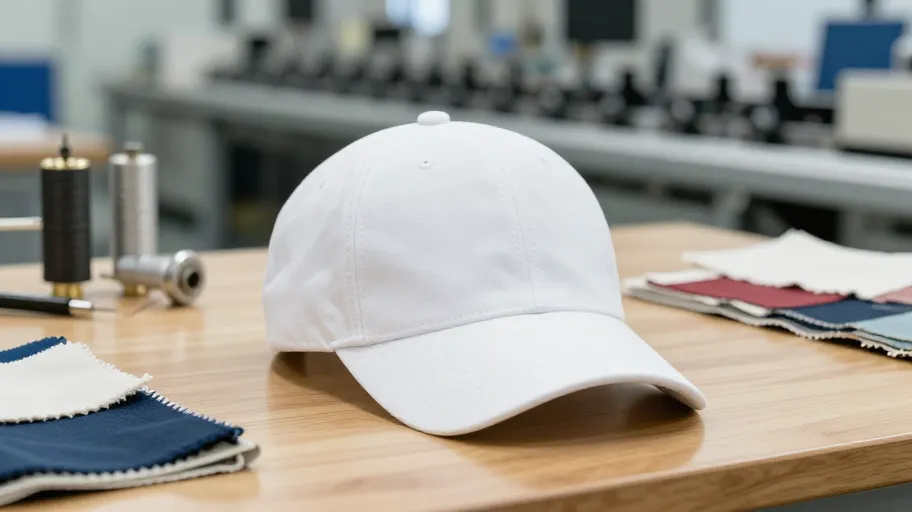
Choosing between 5-panel and 6-panel caps isn’t just about style—it’s a supply chain decision. Get it wrong, and you’ll burn budget on rework. Get it right, and you ship faster, fit better, and scale smarter. Here’s how top brands make the call—and secure free samples from capable factories.
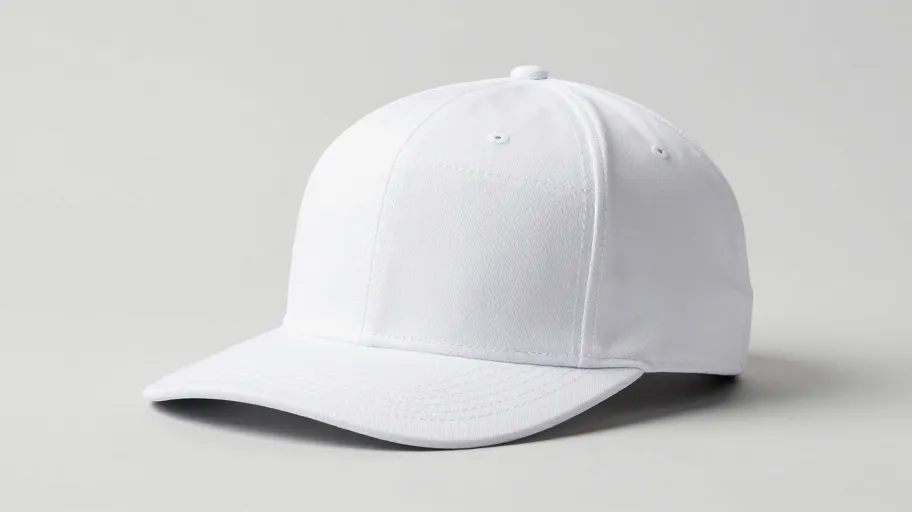
The number of panels in a baseball cap isn’t just about looks—it’s a make-or-break decision for sourcing speed, scalability, and brand trust. 5-panel vs 6-panel shapes your entire supply chain story.
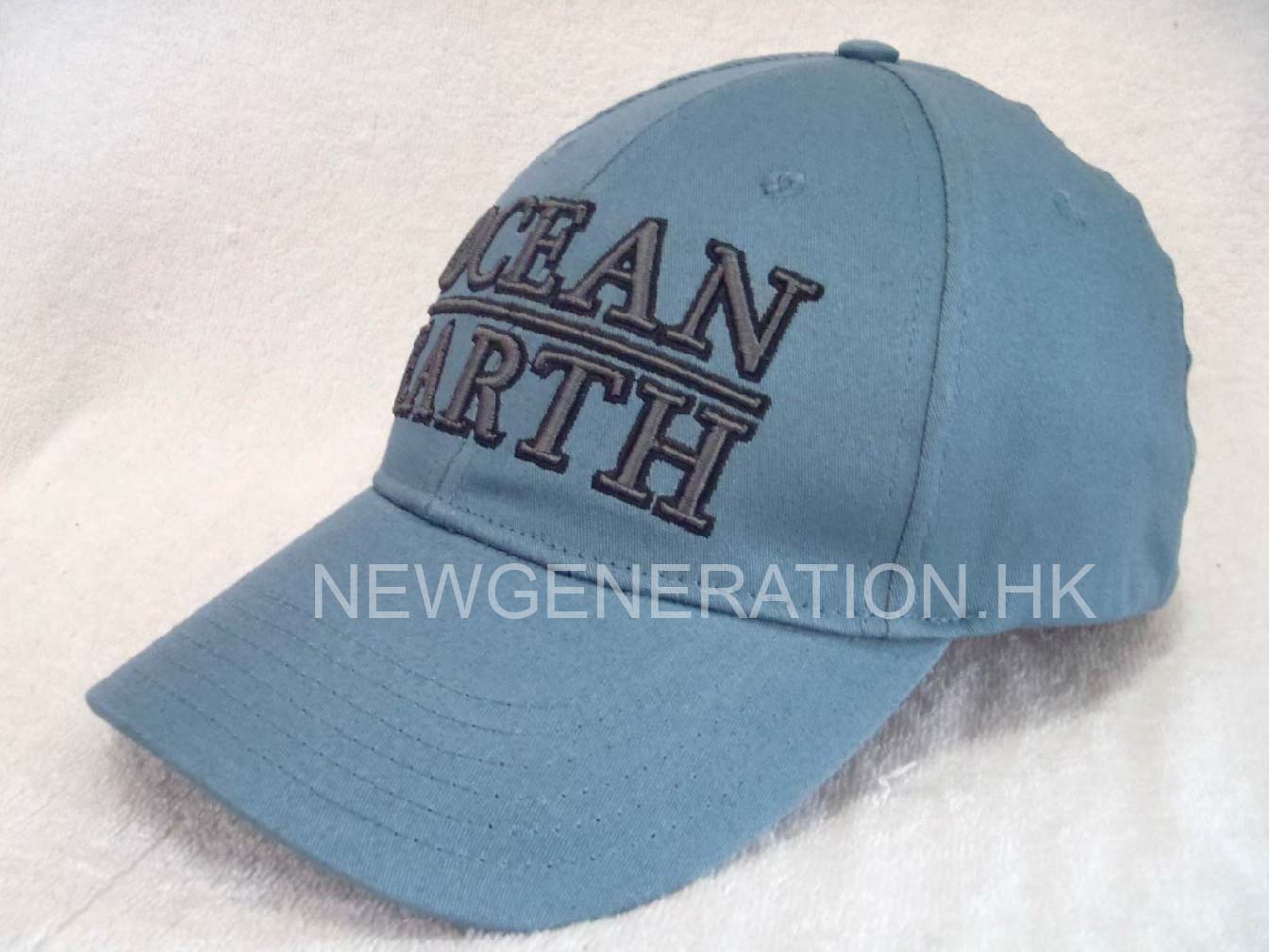
Caps are among the most common yet fashionable accessories owned by every person. There has been a lot of innovation regarding the style and designs of the caps.
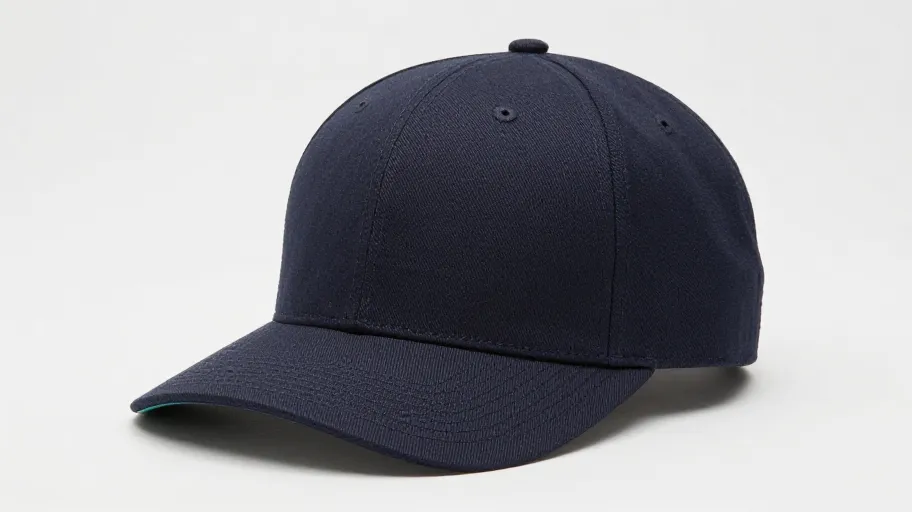
Missing key specs in your Baseball Cap Tech Pack leads to rejected shipments and 70% longer sampling cycles. We break down the three measurements buyers commonly miss—and how top brands fix this before cutting fabric.
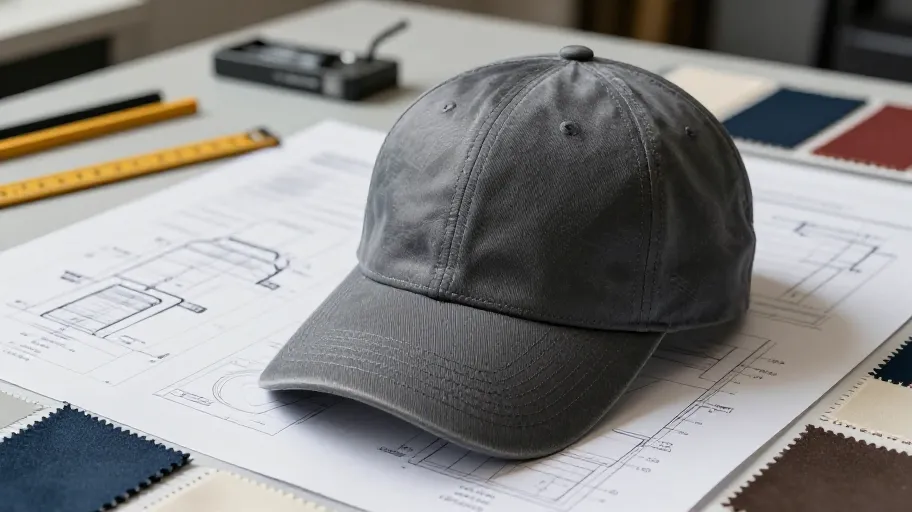
A missing spec in your baseball cap tech pack can derail your launch. Learn what top brands get right with cap manufacturers in China — and how to skip the costly revisions.
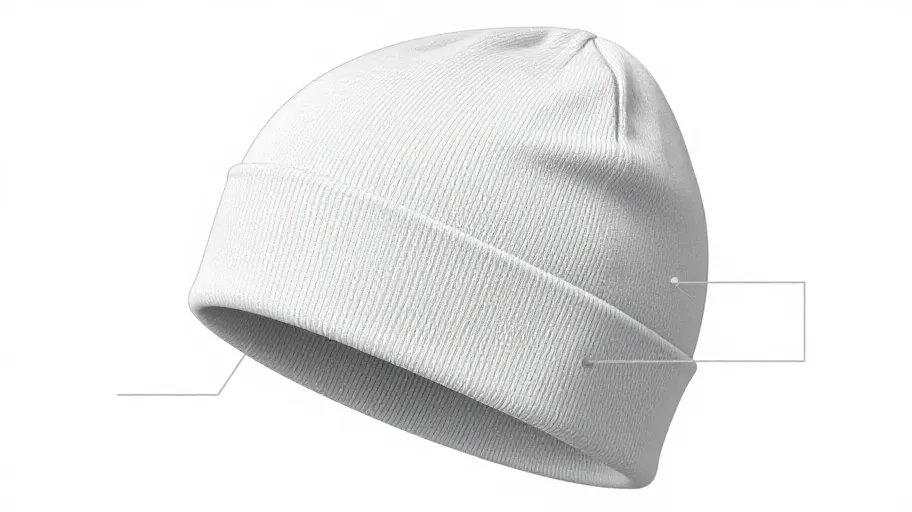
Skipping the tech pack might save an hour today—but cost you thousands tomorrow. A complete Beanie tech pack checklist turns vague ideas into factory-ready specs, slashing rework and accelerating time to market.
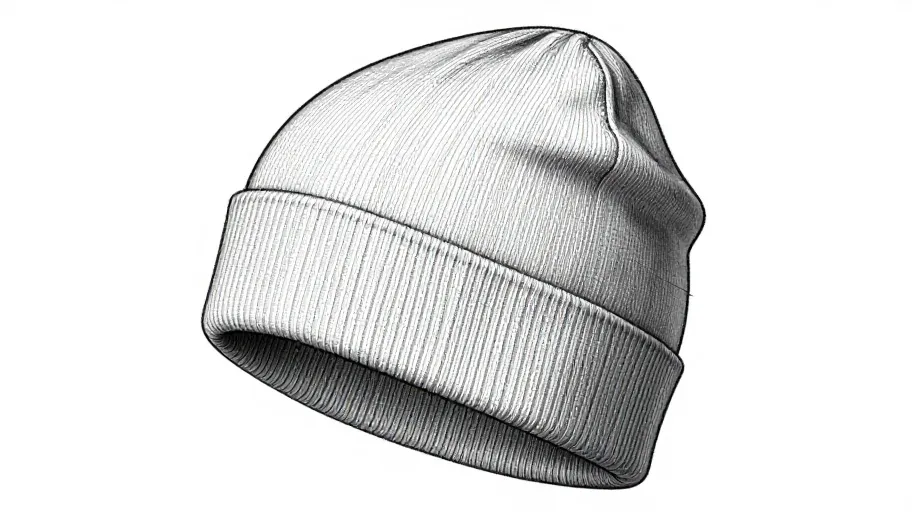
Getting lowball quotes for beanies from China? That 'great deal' might cost you more in returns, delays, and angry customers. A detailed beanie tech pack turns vague bids into clear comparisons, so you see real value—not just the lowest number.
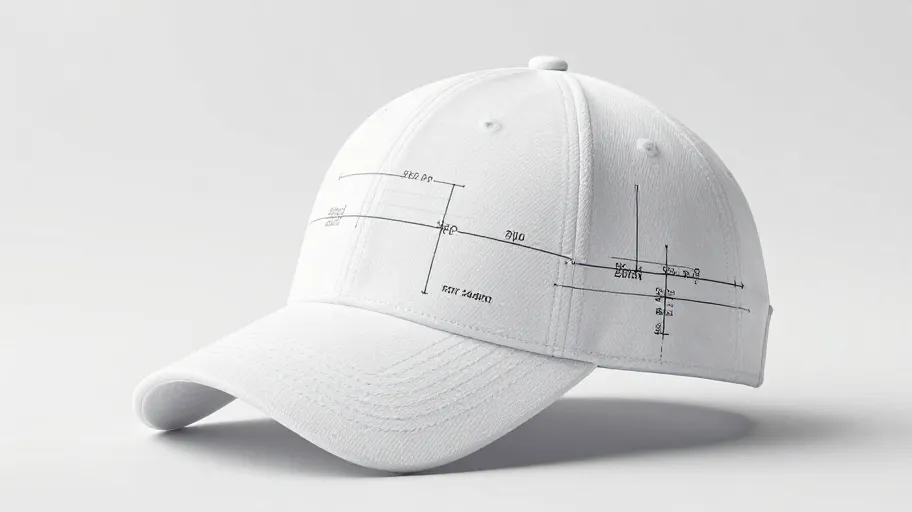
A hat tech pack isn’t just paperwork—it’s the blueprint that keeps your cap factory and design team speaking the same language. Without it, mistakes multiply, costs spike, and launches derail.
- One missing spec can scrap a 50,000-unit batch
- Standardized packs cut rework by up to 70%
- Faster approvals mean getting hats to market in half the time
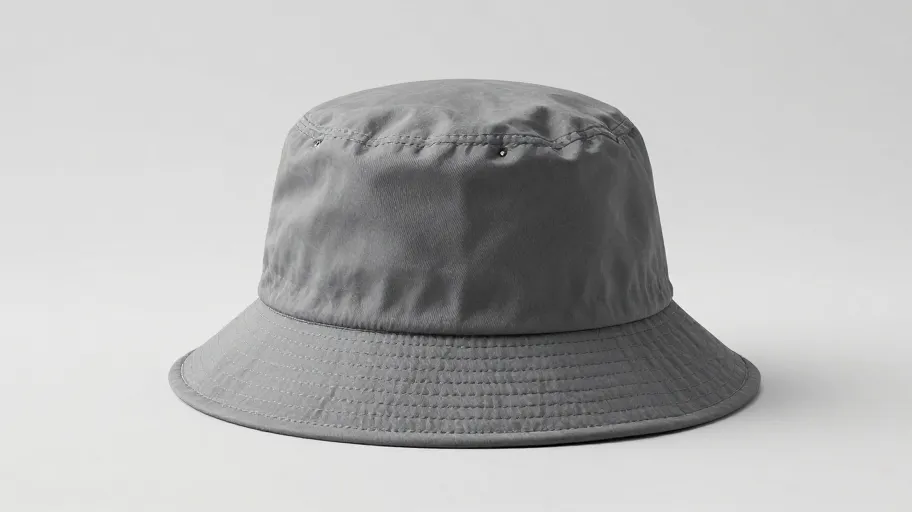
Choosing the wrong cap factory can cost you months and tens of thousands. We break down exactly what to verify—and when—to ensure your bucket hat launch hits on time, on spec, and on brand.
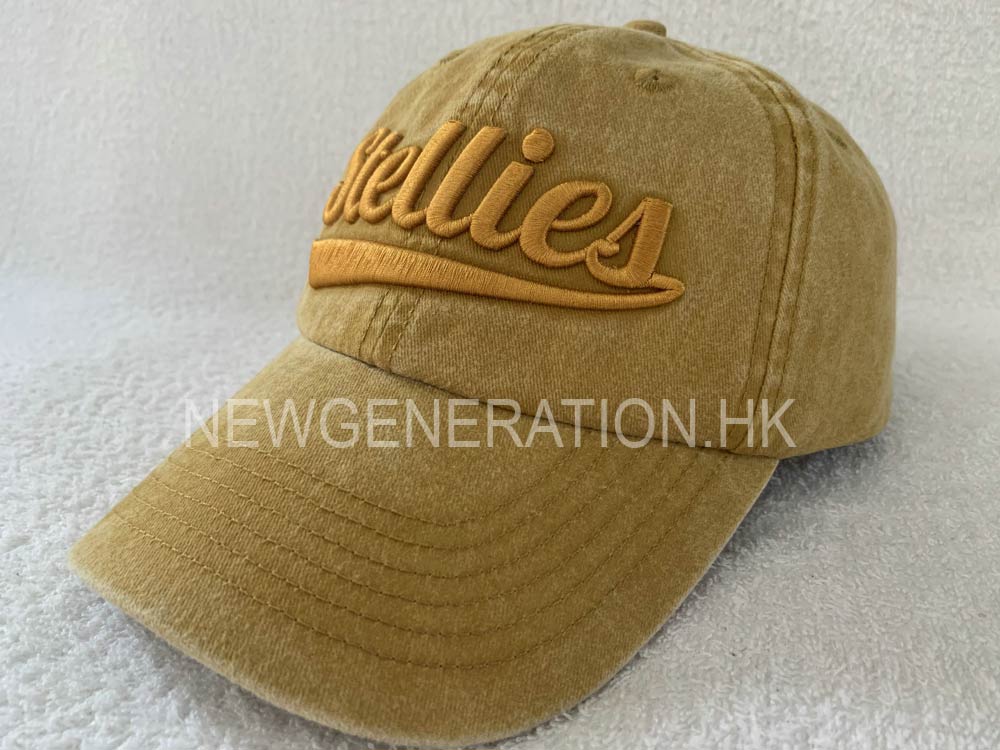
Introduction to the Balance of Innovation and Tradition in Cap Manufacturing
In the world of cap manufacturing, there is a delicate balance between honoring tradition and embracing innovation. As a leading cap manufacturer and cap factory, New Generation understands this balance and strives to incorporate both elements into our manufacturing process.
Picking the wrong cap manufacturing factory can sink your launch. We break down the five non-negotiables that separate reliable partners from margin-eating disasters—so you don’t pay twice for a cheap quote.
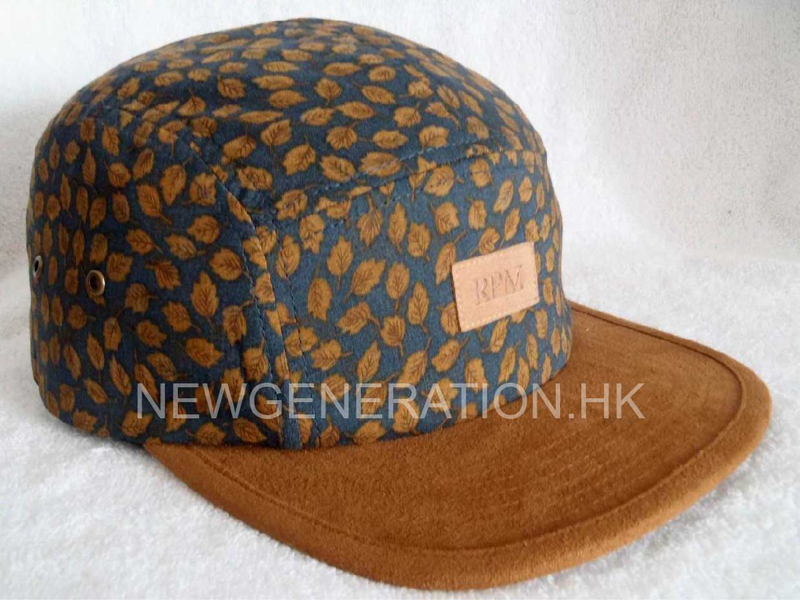
Cap and hat manufacturing is a thriving industry that caters to athletes, fashion enthusiasts, and everyday consumers alike. As a result, the market is highly competitive, with several global and regional players vying for a share of the market. In this article, we will explore the design process of a baseball cap, one of the most popular styles of headwear, and the steps involved in creating a custom hat for your business.
Choosing between 5-panel and 6-panel caps isn’t just style—it’s a supply chain decision. Get it wrong, and you face rework, delays, and damaged brand trust. Here’s what actually matters when sourcing from Chinese factories.
Choosing between 5-panel and 6-panel caps isn’t just about style—it’s a sourcing strategy. Lower MOQs, faster sampling, and better branding control start with understanding how panel count shapes cost, quality, and scalability—especially when working with cap manufacturers in China.
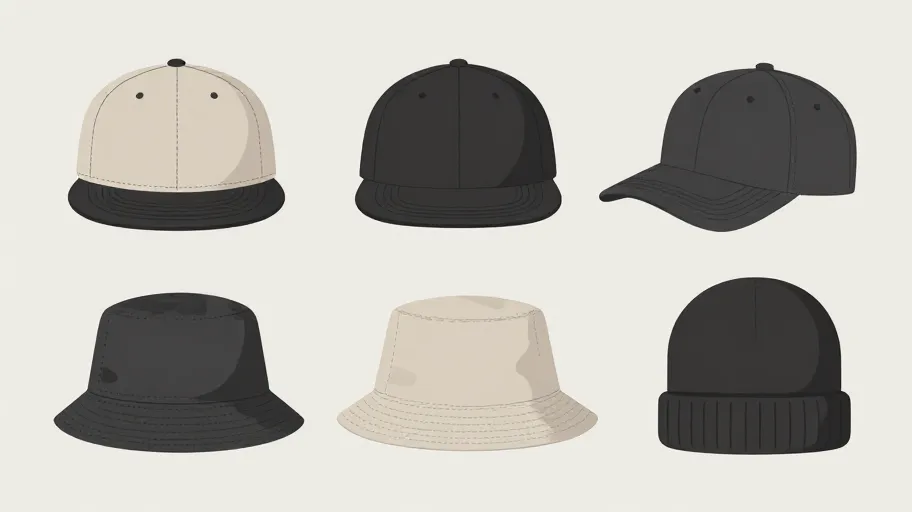
Finalizing a hat tech pack without aligning on cap terminology and factory capabilities risks costly rework. We’ll show you how top brands cut sample revisions by up to 70%—starting before they even pick a cap factory.

Global sustainable fashion lines are shifting from superficial green claims to verifiable supply chain transparency. Leading cap manufacturers with GRS (Global Recycled Standard) certification are setting a new industry baseline, providing fully audited raw materials and traceable ethical production data that survive rigorous compliance checks.

Most caps end up in landfills within a year. But a new wave of GRS-certified baseball cap manufacturers is changing that — with verified recycled materials, transparent supply chains, and real business upside.
- Up to 70% less waste
- 20–30% pricing power with eco-conscious buyers
- No more greenwashing risks
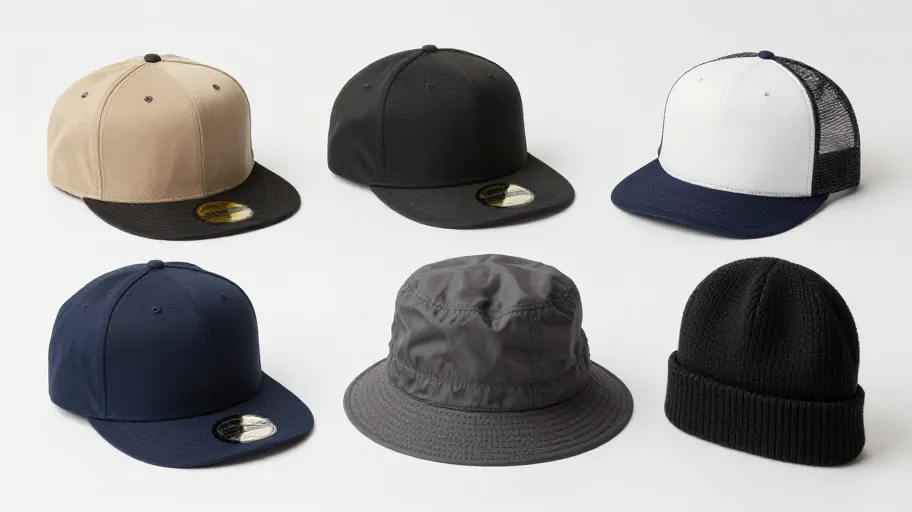
Consistent quality isn’t luck—it’s engineered. For cap manufacturers in China, a simple checklist can cut defects by half and unlock real design freedom. Here’s how top hat manufacturers in china get it right.
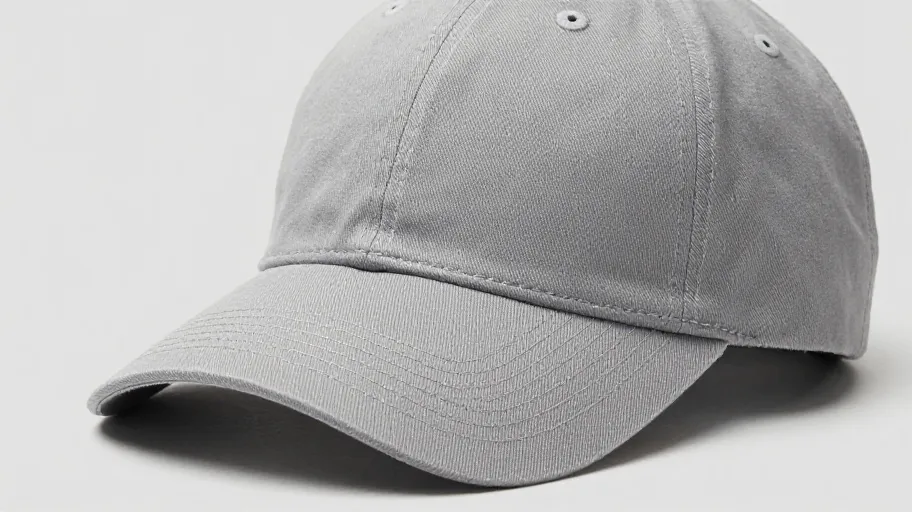
More than 80% of the world’s headwear comes from China. But not all factories are equal. Learn how smart brands use technical checklists to lock in quality, protect IP, and get to market faster.
我见过价值 3 万美元的“做旧”老爹帽订单最终全部报废,仅仅因为工厂和品牌对“复古水洗”的定义不同。帽子技术包 不仅仅是设计工具;当你与中国帽子工厂合作时,它更是你的法律和财务防线。
Last year, a brand lost $12,000. Not because the factory was bad. It was because their tech pack used the word "structured" — a term so vague it's a death trap in a cap factory. They didn't specify buckram weight, and that silence cost them a whole season.
The cap manufacturer in China used 250gsm for the first 500 units, then quietly switched to 180gsm when their local sub-supplier ran out of stock. Half the shipment stood up. Half collapsed in a humid warehouse in Long Beach. Same PO. Same price. Total disaster. I’ve seen this happen even with 'top-tier' factories in Dongguan.
Here’s the thing: over 40% of snapback defects aren't machine errors. They're missing numbers. No GSM. No SPI. No tolerance limit. If you leave a blank space, the cap factory will fill it with the cheapest option available.

One missing line in a spec sheet cost a U.S. factory nearly half a million dollars. We break down how complete Drawing BOMs and version-controlled Approval Notes stopped the bleed—and turned documentation into profit.
Sourcing custom caps from China doesn’t have to mean gambling on quality. Smart brands use documentation and free samples as low-cost insurance—so they scale with confidence, not recalls.
Most custom cap sourcing fails not because of materials or machines—but because of missing paperwork. A documentation-first supplier comparison reveals real manufacturing capability before production starts, cutting risk by up to 70%.

Sourcing baseball cap manufacturers in China doesn’t have to be risky. With a documentation-first approach, you can cut defects by up to 68% and still get free hats samples from trusted cap factories. Here’s how we help brands avoid costly mistakes—before production even starts.
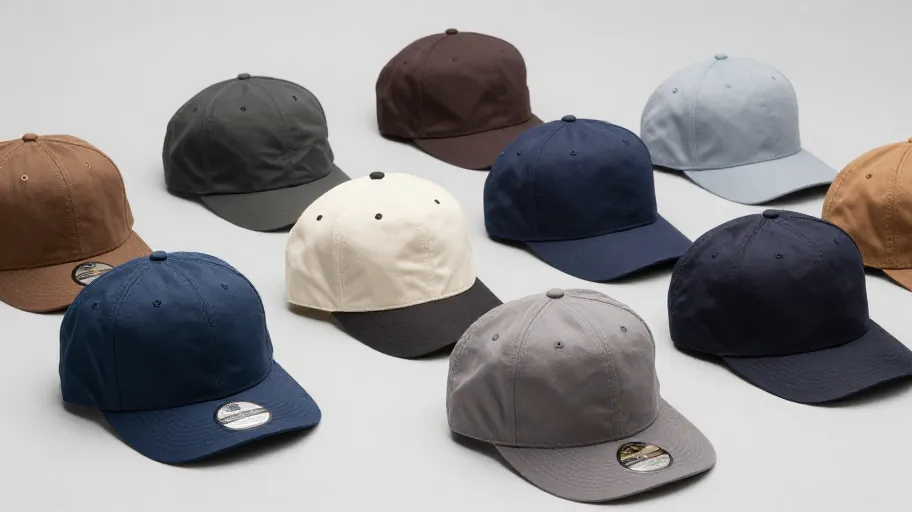
Most brands get snapback cap sourcing wrong. The fix? A documentation-first audit that reveals quality before production starts. You’ll save time, money, and avoid disaster shipments. Here’s how to do it right.
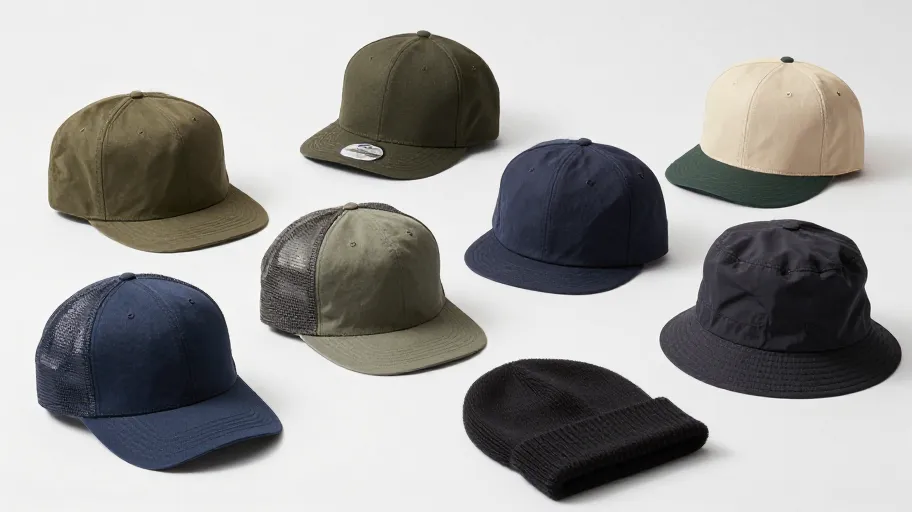
Getting custom bucket hats right starts long before stitching—it begins with smart fabric choices. Bad materials sink brands, no matter how cool the logo. Here’s what actually matters when working with a custom cap manufacturer.
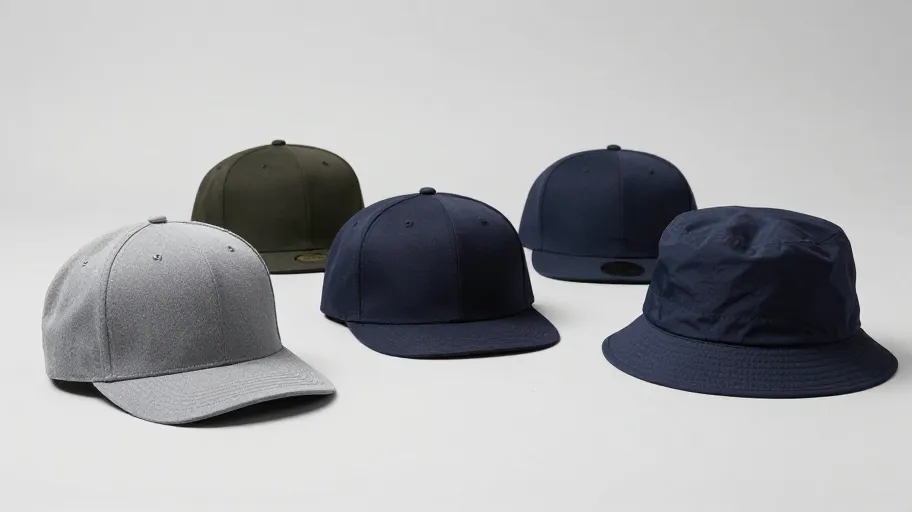
Most brands treat cap manufacturing like a simple purchase. But the real cost isn’t in the fabric—it’s in the mistakes that come after. Precision at the material level means fewer returns, faster launches, and branding that stays sharp across 50,000 units.
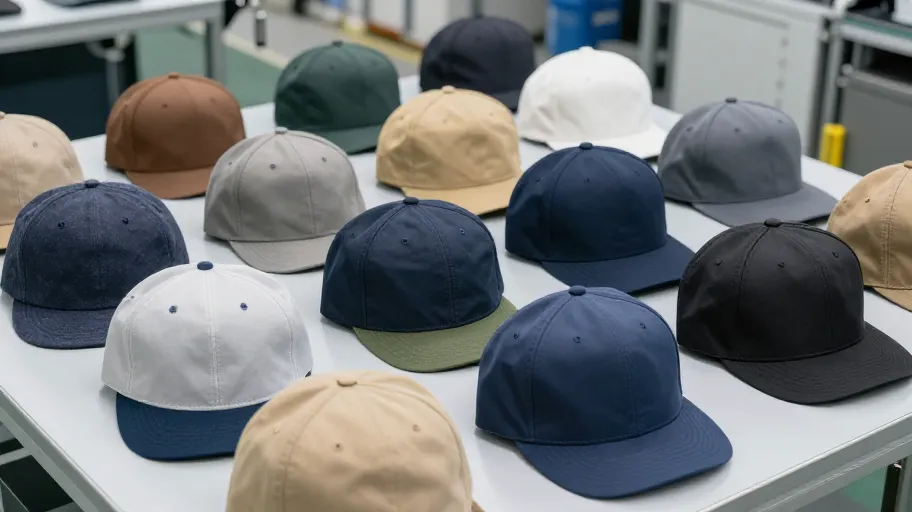
Choosing a cap factory in China shouldn’t come down to glossy photos or Alibaba badges. 68% of quality defects stem from unverified supplier claims. Here’s how leading brands use on-the-ground proof—not promises—to make smarter sourcing decisions.