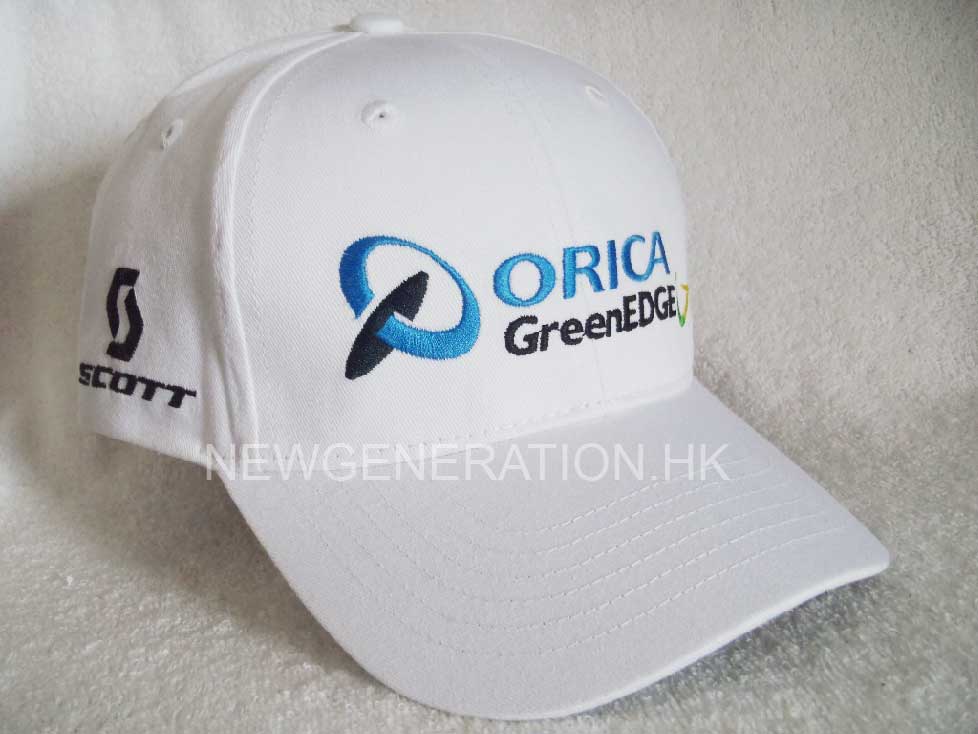
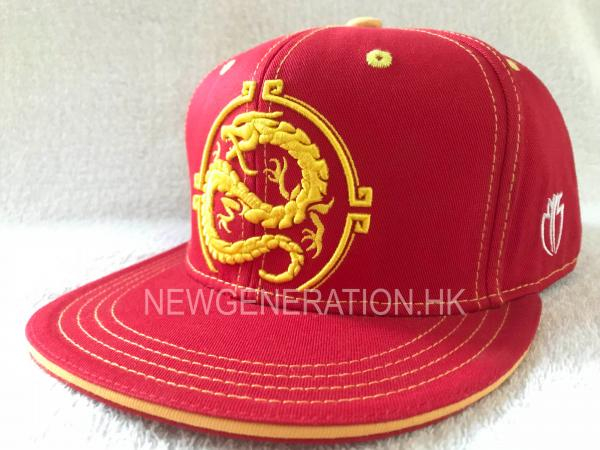
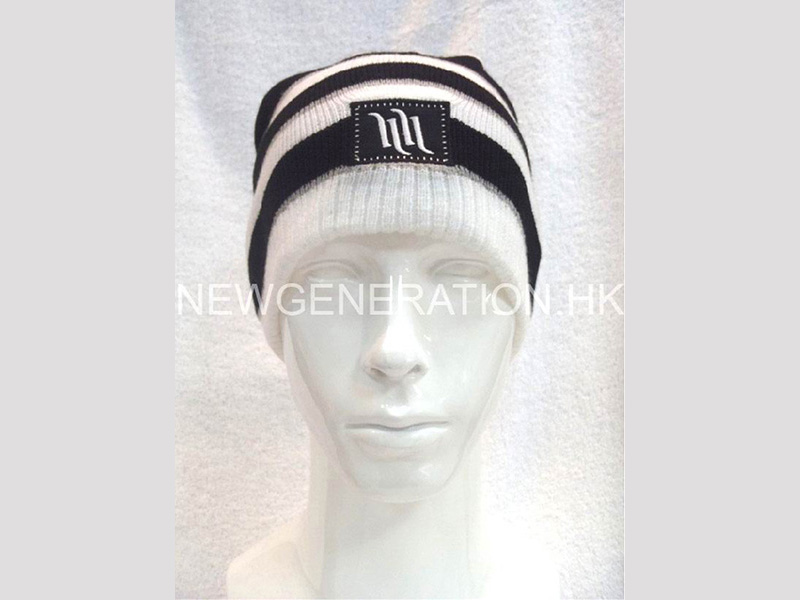
A friend in Austin texted me last week: “I need 500 custom caps for SXSW in March. Can your cap factory swing it?” He’d already been burned by two suppliers who sent samples with crooked brims and stitch density that looked like a kindergartener ran the embroidery machine. My response: “Depends. How much time do you have for me to explain what you should really be asking?”
I’ve been running New Generation, a cut-and-sew headwear operation in China, since 2008. Over 15 years, we’ve shipped north of 2 million units to brands you’d spot on Melrose Avenue and at Brooklyn flea markets. I’m not here to sell you on my factory. I’m here to unpack the stuff we learned the hard way about making, buying, and selling caps that actually move.
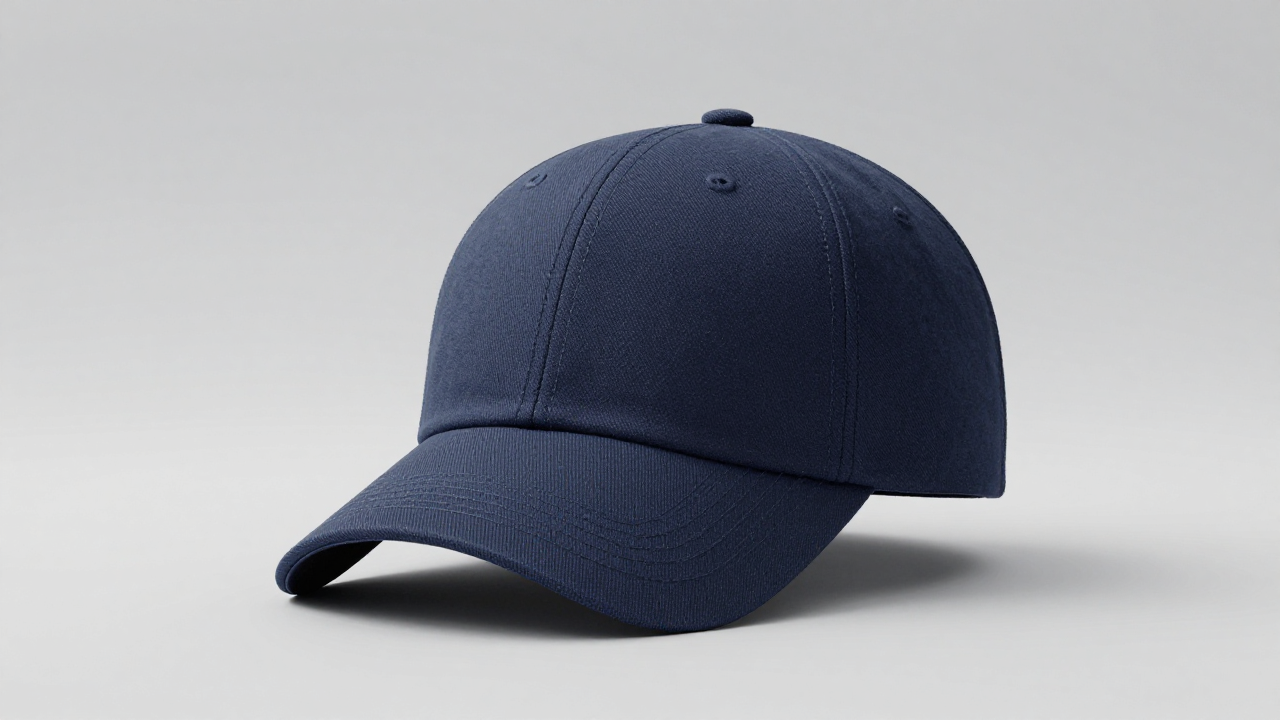
So You’re Looking for a Cap Factory. Here’s What Actually Happens.
Most people think of a cap factory like a vending machine—send artwork, insert money, caps come out. The reality is messier. You’re dealing with multiple tiers: fabric mills, trim suppliers, embroidery digitizers, and the cut-and-sew floor itself. When one link wobbles, the whole batch goes sideways. I still remember March 2019, when a brushed cotton twill shipment from a mill in Zhejiang showed up two shades darker than the approved lab dip. We caught it before cutting, but that client—a golf brand in Scottsdale—lost a week of lead time. No one talks about the color variance that happens between lab dips and bulk fabric unless you’ve lived it.
A proper cap factory isn’t just a room with sewing machines. It’s a network that handles sourcing, sampling, quality assurance, and logistics. The best ones operate with a supplier scorecard that tracks on-time delivery rates, defect percentages, and response times. At our facility, we maintain a rolling defect rate below 0.8% on finished goods, but I can tell you right now, that number means nothing without context—0.8% on a run of 500 units is four caps. With a run of 10,000, it’s 80. The math changes your entire QC approach.
(I’m getting off track. Let me pull it back to what you actually need to know.)
The People, Machines, and Material Tricks Behind a Good Hat
A cap has maybe 12 components—crown panels, brim, sweatband, closure, taping—but the real magic is in how they come together. Start with the fabric. We mainly use 10-12oz cotton twill for structured caps, which hits that sweet spot between drape and stiffness. When someone wants a premium feel, we switch to washed chino or a recycled canvas that doesn’t scream “I ate a plastic bottle.” The point is, your choice of material directly dictates which machines get used, and therefore, your cost.
Here’s a cheat sheet for common cap materials based on what we’ve run over the years. This is typical FOB China pricing for a 6-panel structured cap with a plastic closure, sans decoration.
|
Material |
Weight (oz) |
Hand Feel |
Typical Cost per Cap |
Best For |
|---|---|---|---|---|
|
Brushed Cotton Twill |
10-12 |
Soft, matte |
$1.90 – $2.30 |
Everyday, retail |
|
Performance Polyester |
8-10 |
Smooth, techy |
$1.60 – $2.00 |
Activewear, sports |
|
Washed Denim |
12-14 |
Sturdy, vintage |
$2.30 – $2.80 |
Fashion, streetwear |
|
Recycled Canvas |
10-12 |
Raw, textured |
$2.60 – $3.10 |
Eco-conscious brands |
Decoration adds another layer. Embroidery runs on single-head or multi-head machines. You’ll get better stitch density (over 8,000 stitches for a complex logo) and cleaner registration if the factory has modern Tajima or Barudan equipment. We upgraded our embroidery floor to 18 heads in 2022 and it cut lead times almost 30%. Screen printing or heat transfer is cheaper per unit at scale, but the feel is different and durability varies. For small runs under 300 units, embroidery often makes more sense despite the higher setup cost because you avoid screen fees.
Closures seem trivial until a customer complains the snapback pops off while they’re running. A good cap factory will test snaps using a pull-force gauge—anything under 5 kg of force to open is a risk. We learned that the hard way back in 2017 with a batch of metal closures that deteriorated in salt air. Now we spec stainless steel for any client near the coast.
Why Your Website and Social Media Won’t Save a Bad Product
I see brands obsess over Instagram reels and Shopify speed scores while their actual hat looks like a potato. Here’s a blunt truth: a cap factory’s real value isn’t just production—it’s input on what designs will hold up in the wash and look good on a shelf. We’ve told clients to ditch 3D puff embroidery on lightweight caps because it ends up looking like a tumor, and half the time they listen. The ones who don’t end up on a Reddit thread titled “Why is my merch falling apart?”
When your product is right, online visibility actually works. But you can’t SEO your way out of a $1.50 cap with 8-stitch-per-inch seams. For context, good structured caps usually run 10-12 stitches per inch on the brim binding and panel seams. That’s not a standard, it’s just what survives a tug test by a reasonably angry teenager. If your website promises “premium quality” and the customer finds loose threads, Google won’t save you—reviews will bury you.
We had a client in Austin who sells plant-based lifestyle goods. In May 2023, she took our advice to launch a “Behind the Seams” video series showing her caps being cut and stitched at our facility. Within three months, her conversion rate jumped from 1.2% to 2.5%, and average time on page doubled. The product pages weren’t fancy; they just told the truth about the supply chain. That kind of transparency is a moat that algorithm changes can’t touch.
The Stuff We Screwed Up So You Don’t Have To
I’ll give you one story that still makes me cringe. July 2021, 3:00 a.m. my time, my phone lights up. It’s Jason, a client in Portland, Oregon. He’s panicking. Twelve thousand custom trucker caps for a summer festival tour are stuck in a container outside Long Beach because of port congestion. He’s supposed to have them in two weeks. We’d shipped on time, but nobody predicted the vessel would idle for 10 days outside the breakwater. Jason had to air-freight 2,000 units to cover the first shows—cost him an extra $6,800. We split the air freight with him, not because we had to, but because it was the right call after a decade of working together.
The lesson? Always build a buffer of at least 15 calendar days into your production timeline for ocean freight delays. If you’re selling seasonal goods like holiday caps or summer drops, start sampling three months earlier than you think. We now push all our US-based clients to consider East Coast routing via Savannah or New York if they’re not in a huge hurry, as Long Beach/Los Angeles can still get jammed during peak season.
Another common mistake: not specifying thread color for embroidery backing. If the fabric is white and you use black backing, it can ghost through. Simple stuff, but when you’re ordering from a cap factory for the first time, you might not even know to ask. Get a tech pack. If a factory can’t read one, that’s your sign to walk.
Picking Hats That Sell in 2026 Without Blowing Your Budget
Trends for next year are already swirling. Trucker hats aren’t going anywhere—Mercedes-Benz Fashion Week and Coachella have seen a resurgence of mesh-backed caps in weirdly specific color combos like lime and taupe. The dad cap silhouette remains solid for streetwear and coffee shop merch. But I’m seeing more demand for 5-panel and camp caps, especially in ripstop nylon or organic cotton, with subtle reflective hits. The outdoor and trail-running crossover is real.
When you’re deciding what to stock, don’t just scroll Pinterest. Hit up trade shows like MAGIC or Outdoor Retailer, even if only virtually. Look at what brands like Topo Designs, Parks Project, or even Patagonia are doing with their headwear—not to copy, but to understand the direction of materials and fits. And for god’s sake, wear the sample. I’ve had founders sit in a 90-degree warehouse for 20 minutes with a prototype on to test sweat wicking. That’s the level of QA you can’t outsource.
One more thing: in 2026, the brands that win are going to be the ones that don’t treat their cap factory like an order-taker but as a design partner. Involve them early, share your moodboards, ask about minimums and decoration limits before you lock your SKU count. We recently worked with a LA-based artist collective to develop a completely embroidered side panel that integrated their signature mandala pattern, and the only reason it worked was because we flagged the stitch count issue two months before production.
If I’ve done my job here, you’re now slightly less likely to end up with a garage full of hats nobody wants. There’s no secret formula—just a willingness to get into the weeds with your manufacturing partner and a refusal to let a cheap price tag blind you to the stuff that makes a cap last. Good hats come from factories that care about what happens after they leave the floor. The rest you’ll find in a landfill, or worse, a clearance bin at your local dollar store.