


The Hat Game Today: Why Cap Manufacturing Matters More Than Ever
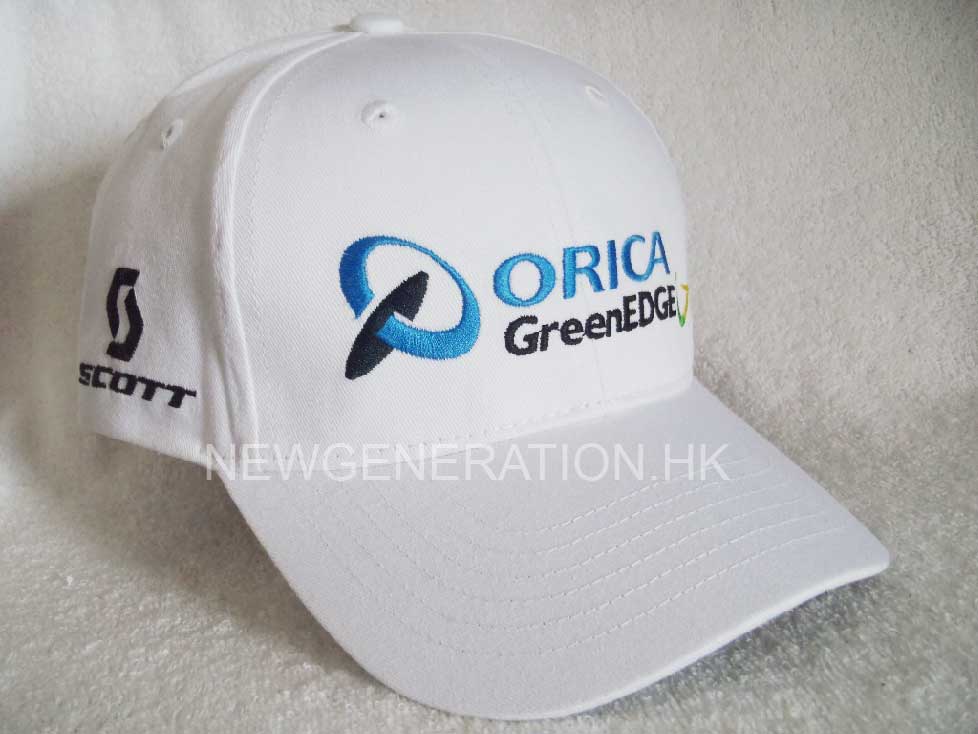
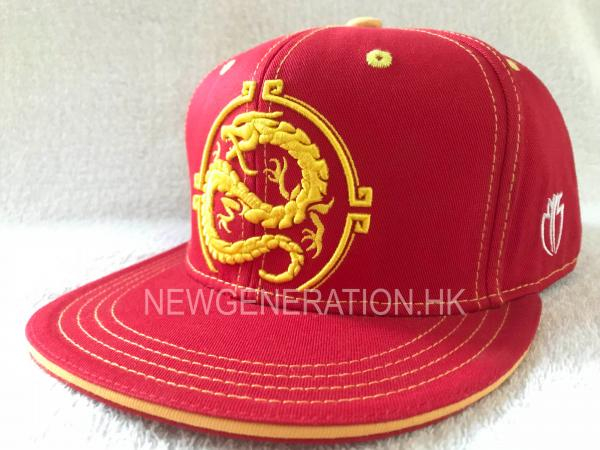
Walk into any streetwear store in Los Angeles, or scroll through a dropshipper’s feed targeting the Midwest, and you’ll notice one thing—headwear is no longer an afterthought. Caps have moved from a simple sun shield to a statement piece, and the cap manufacturers serving this shift are working differently than they did even five years ago. A baseball cap today might pack a moisture-wicking inner band, a crown stiffened with recycled ocean plastics, and embroidery that took 14,000 stitches to render. The market’s appetite for variety—6-panel twill, 5-panel camper hats, unstructured dad caps, performance snapbacks—has pushed cap factory operations to become far nimbler. At New Generation, we’ve watched orders morph from 10,000-piece runs of one style to 500-piece micro-batches across four silhouettes in a single week. This fragmentation defines the moment.
The US alone moves roughly 45 million decorated caps per year through promotional products and team sports channels, and that figure doesn’t capture the streetwear and boutique segment that’s exploded since 2020. Any retailer or brand buyer needs to understand what’s happening behind the stitching floor, because the quality, lead time, and material stories that come out of a cap factory can make or break a seasonal launch.
Where We’ve Been: The Evolution of Cap Making
Go back thirty years and most structured caps meant one silhouette: a high-profile crown, a fused buckram front, and a plastic snap closure. The machinery was mechanical, with single-needle post-bed machines doing the heavy lifting. A skilled sewer might piece together 120 caps per shift. The workflow inside a typical cap factory looked like a relay race—cutting table to panel printing, panel printing to seam section, that section to visor attachment.
Automation crept in sideways. Laser cutters replaced die presses for synthetic fabrics around 2010. Direct-to-garment and embroidery machines started talking to the same design software, cutting down the sample-to-production chasm from ten days to three. Today, a well-configured cap factory can push out 3,000 decorated units a day without doubling the headcount. At our facility, we’ve found that the real bottleneck isn’t sewing speed anymore; it’s the data handoff between a brand’s Illustrator file and the digitizer who builds the stitch map. Get that wrong and you’re burning 400 caps in a test run.
What sticks out historically isn’t just the machines—it’s the material curve. Cotton twill gave ground to performance polyester, then to recycled PET blends, and now to hemp-cotton-Tencel hybrids. Every new substrate rewrites the operator’s cheat sheet for tension, needle size, and backing.
Who’s Leading the Pack: A Closer Look at Top Cap Manufacturers
Rather than sweeping statements, let’s pin down four names buyers consistently benchmark. Each operates a different lane—mass production, domestic quick-turn, or high-spec custom—and understanding those lanes prevents costly mismatches.
|
Manufacturer |
Core Strength |
Typical MOQ |
Known For |
Watch Out For |
|---|---|---|---|---|
|
Yupoong |
Global capacity, blank supply |
72+ per style/color |
Consistent 6606 snapback, Flexfit tech |
Reluctance to customize deeply beyond decoration |
|
Pacific Headwear |
US-based decoration, fast turn |
36 per order |
Athletic-focused silhouettes, quick ship program |
Limited organic/recycled material options vs. Asian factories |
|
Richardson |
Classic trucker heritage |
24 per line item |
112 trucker cap, high-crown panels |
Premium pricing on low-volume embroidery |
|
New Generation |
Full custom from PRC, low MOQ |
50 per design |
Lab dip flexibility, 7-day sample turnaround |
15–22 day transit to US West Coast requires planning |
Richardson owns the trucker cap lane with the 112 model—a high-crown mesh design that’s practically a uniform for US outdoor retailers. Yupoong’s 6606 is the blank suppliers gravitate toward when consistency across 20 colorways matters most. Pacific Headwear bends closer to team sports and corporate programs, with Oregon-based decoration keeping lead times tight for domestic clients.
On the other side of the Pacific, our factory in Xiamen plugs a different gap. We run an MOQ of 50 units per style—something that was almost laughable in 2012 but is now the norm for ecommerce brands testing eight colorways on a Shopify store. We’ve learned that the brands who stick with a cap factory in Asia aren’t just chasing cost; they’re chasing control over trims, labels, and woven badges that domestic decorators rarely stock. The trade-off is transit time. An ocean shipment hits the West Coast in 18–22 days port-to-door if customs clears without a hitch, but a snarled Long Beach terminal can add nine days. Brands that can’t stomach that risk often split production—bulk offshore, safety stock with a domestic decorator.
What’s Next: Trends Reshaping Cap Production
Three shifts are drilling into how cap manufacturers configure their shops:
Material traceability has become a menu item. Two years ago, “recycled” meant a mill certificate and a handshake. Now, a growing slice of US corporate buyers—especially those with ESG reporting obligations—want chain-of-custody documentation. That’s pushing cap factory supply chains to adopt GRS (Global Recycled Standard) certified inputs. Our own pre-consumer recycled polyester crown interlining went from zero to 22% of units shipped this past year, mostly pulled by event merch programs for climate-tech conferences.
Digitization of the pre-production sample. FedEx’ing a physical sample back and forth three times erodes margin at both ends. We’re seeing more brands sign off on digital twins—3D renders that sit on a head model with spec-accurate stitch angles. This shortens the sampling loop to about 48 hours. It’s not perfect for evaluating hand feel, but it kills the “the logo looks huge in real life” problem because the render instantly shows scale relative to the visor.
Crown construction is fragmenting. The 6-panel structured crown isn’t dying, but it’s now competing with 5-panel campers, 2-panel denim hats, and unstructured “dad caps” that require a different fusing strategy. A cap factory that’s tooled only for stiff buckram faces steep retooling to switch to soft-front caps, because the panel cutting dies, seam allowances, and sweatband attachment sequences change entirely. Flexibility here is now a pricing signal: shops that can pivot between constructions in the same production week command a 12–18% premium over single-construction facilities.
In the Trenches: Lessons from Running a Cap Factory
After nearly 17 years of filling orders—from 200-piece bands’ weekend drops to 80,000-unit corporate end-buyer programs—a few patterns stand out that don’t appear in spec sheets.
Color matching will sink you faster than late delivery. Buyers obsess over ship dates, but rework from failed lab dips is the real schedule killer. A Pantone 19-4052 Classic Blue on cotton twill looks different than the same swatch on polyester ripstop. We run at least two lab dip rounds for any new fabric—one on the exact base material, one with a D65 lightbox photo. Communicating that delta to the buyer before they reject the sample based on a smartphone photo saves weeks.
Muslin toppers aren’t just for high fashion anymore. American streetwear brands increasingly request a physical mock-up with the actual fabric and a print/embroidery strike-off before authorizing bulk. It adds $85 to the sampling cost and two days to the timeline, but the brands that adopt this step see a return rate drop by roughly 30% because they catch how the cap sits on a real head—not just a foam mannequin—before committing to 2,000 units. The initial investment feels steep, but when you factor in the cost of scrapping or deeply discounting a run with a weird fit, the math flips. This step has become a differentiator for cap manufacturers willing to eat the sample complexity.
Don’t let decoration data live in someone’s inbox. A surprising number of orders still come in as “see attached JPEG” with a low-res logo. The shops that build client portals—where digitized stitch files, approved lab dip codes, and batch-level QC photos live—cut their reorder error rate by over half. We built ours in 2020 out of sheer survival instinct when a 15,000-cap order needed a mid-run logo revision. Now it’s table stakes.
Quick Answers: What Buyers Really Ask About Cap Manufacturing
How do I pick the right cap factory for a 500-unit streetwear launch? Ignore the factory’s homepage claim of “quality” and ask for two things: a copy of their inline QC checkpoint list and the contact information of one buyer whose order was a similar scale and ship-to region. Ask that buyer how many rounds of revision the sample needed. A cap factory that reacts fast to feedback trumps one with slick marketing.
What separates a high-quality cap from a cheap one? Stare at the seam where the crown meets the visor. That eight-ply stitching shouldn’t wobble. The sweatband should be bartacked—not just glued—at the ends. And the buckram (inner front stiffener) shouldn’t bubble after a wash cycle. If the factory can’t tell you the GSM of their interlining or the stitch count per inch of their brim topstitching, the odds are you’re dealing with a middleman, not a cap manufacturer in direct control.
Why are some caps double the price of others? It’s rarely just the material. A $2.50 landed cap often skips steps: fused sweatband ends instead of stitched, no side seam tape, minimal quality checks. A $5.50 cap typically carries union-level finishing plus pre-shrunk fabric. The extra $3 buys you a cap that won’t twist after half a dozen wears. We regularly advise ecommerce brands: if your return rate on headwear is above 5%, the unit cost savings are a mirage.
How long should a custom order realistically take from design to delivery? Plan for 7–10 days on material sourcing and lab dips, 5–7 days for sampling and approval, 18–25 days for production, and 15–22 days for ocean transit to the US West Coast. Air freight clips the transit to 5–7 days but multiplies the per-unit freight by roughly 3x. East Coast delivery adds another 5 days via rail or truck. A credible cap factory won’t promise less than 55 days total for a net-new custom style by sea; if someone quotes 30 days, dig into what’s pre-made.
Does New Generation handle small-batch cut-and-sew with unusual fabrics? We do—and it’s worth mentioning that our tolerance for experimental materials (hemp blends, waxed canvas, crinkled nylon) comes from running a line of small-run machines separate from the high-volume equipment. That isolation prevents cross-contamination of fibers and keeps the 50-piece run from clogging a line that’s supposed to produce 3,000 snapbacks. We’ve seen brands get rejected by large cap manufacturers simply because the job didn’t fit the flow. Matching the job type to the factory’s actual setup—not its website promise—is the difference between a headache and a restock order.