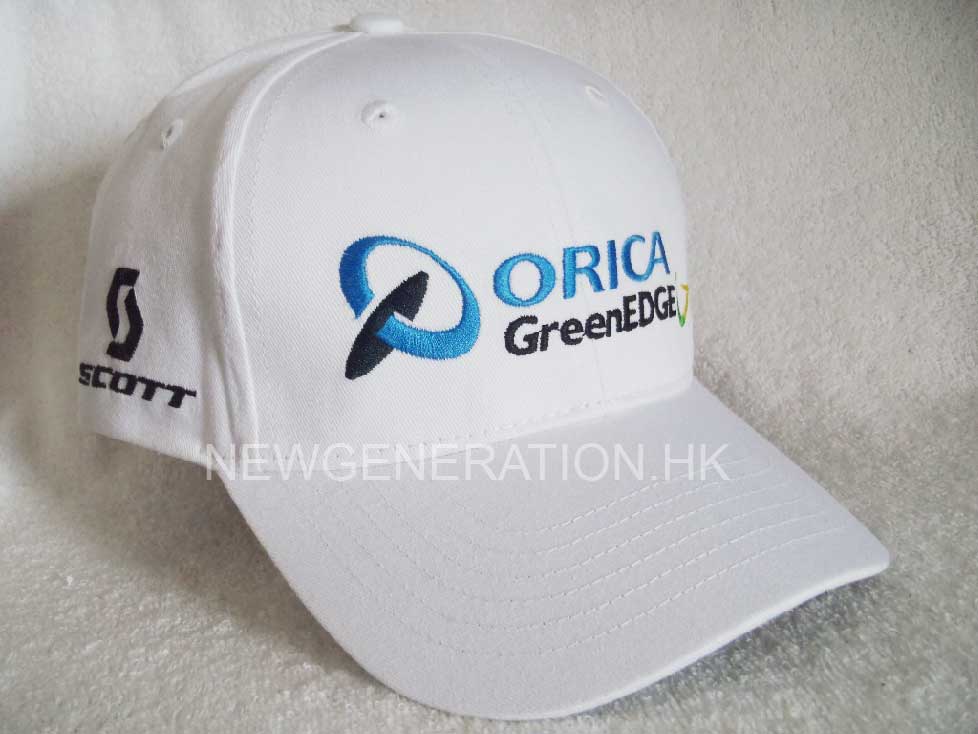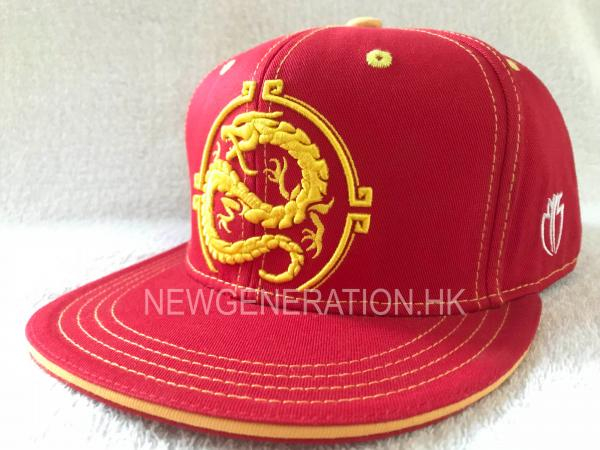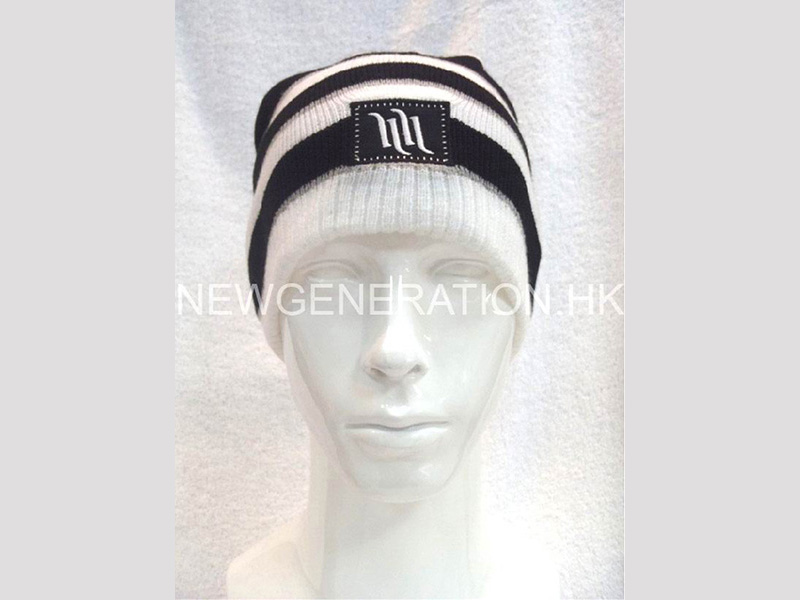



The Real State of US Cap Manufacturing in 2025
We’ve spent seventeen years in this trade, and if there’s one thing that still surprises people, it’s how much cap production has shifted back toward domestic manufacturing. Back in 2008 when we started New Generation as a China-based cap factory, roughly 92% of all headwear sold in the States was imported. That number's closer to 78% now. Not because importing got harder—though tariffs certainly reshuffled the deck—but because small-batch customization and speed-to-market started mattering more than raw unit cost.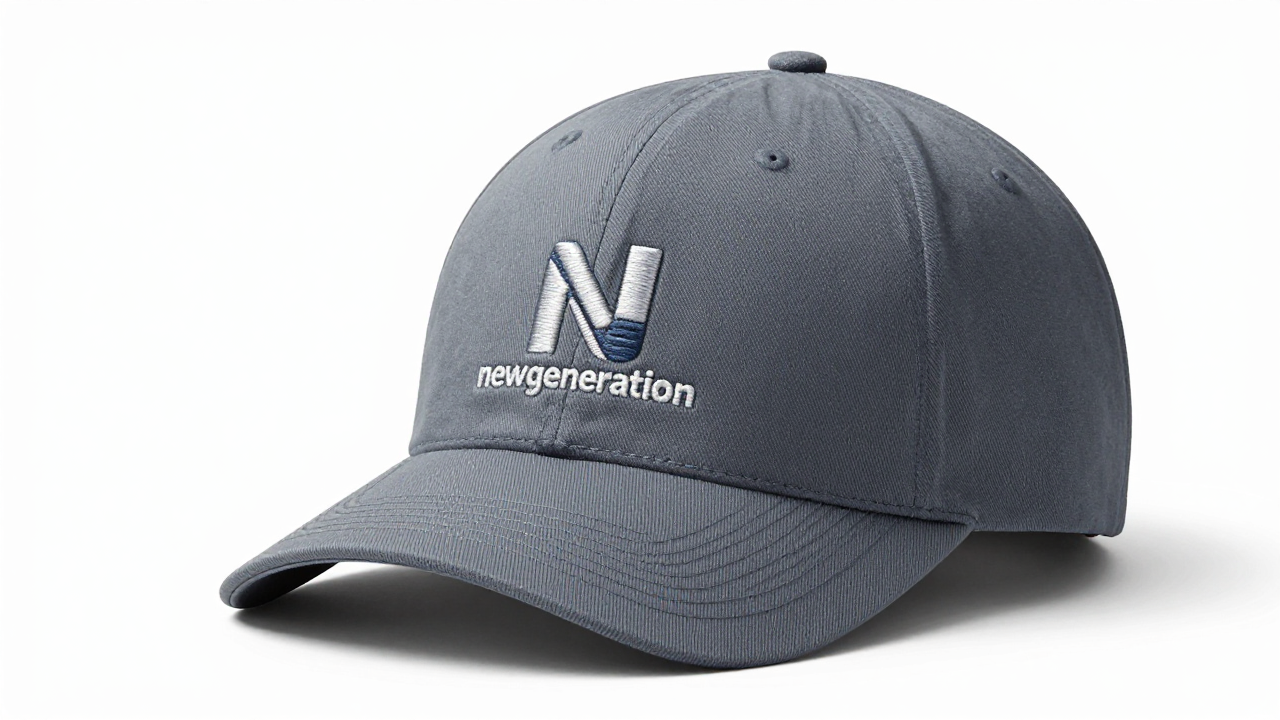
The typical cap manufacturers we compete against today run hybrid operations: blank caps produced offshore, then embellished in facilities scattered across Texas, California, and the Carolinas. Embellishment sounds simple—throw some embroidery on a dad hat and ship it—but the gap between amateurs and pros here is wider than most buyers realize.
One persistent myth we run into: "all US cap factories produce the same quality." Walk through any trade show in Vegas and you'll spot the differences in three minutes flat. Stitch density, seam taping on the interior, the way a structured crown holds its shape after twenty wears—these aren't spec-sheet features, they're lived-in quality markers. A decent rule of thumb: if a factory's minimum order quantity drops below 36 pieces without a price hike, check their seam allowance consistency. We've seen vendors push out caps where the peak height varies by a quarter inch across the same production run.
Who's Actually Making Great Caps, and How to Find Them
When buyers ask us how to evaluate cap manufacturers, we stop talking about "quality" in the abstract and hand them a checklist. Production capacity matters, sure, but the conversation should start elsewhere.
|
Evaluation Criterion |
What To Look For |
Red Flag |
|---|---|---|
|
Crown Structure Consistency |
Within 3mm tolerance across samples |
Visible asymmetry in unstructured caps |
|
Stitch Density |
8-12 stitches per inch on embroidery |
Loose threads, skipped stitches in satin stitch areas |
|
Sweatband Material |
Cotton twill or moisture-wicking with no adhesive bleed-through |
Fused foam that cracks after 10 wears |
|
Brim Curvature Retention |
Holds curve after 50 flex cycles |
Visor flattens within first week of use |
|
Closure Hardware |
Metal clasp with spring tension rating above 1.2kg |
Plastic buckles that loosen under moderate stress |
The factories that survive long-term—and we've watched dozens fold since the 2016 import tariff shifts—tend to specialize. A cap factory doing five-panel camp caps won't necessarily nail a structured snapback. One of the best operations we've observed runs out of a converted textile mill in North Carolina; they do exactly two silhouettes, refuse rush orders under 200 units, and maintain a 2.4% defect rate. That defect rate is their calling card. Industry average for custom headwear hovers around 6-8%, according to data from a 2023 AAFA supply chain benchmarking report.
We've seen ecommerce brands chase the lowest per-unit cost, only to hemorrhage money on returns. A $3.50 cap that generates a 14% return rate costs more than a $5.20 cap with a 3% return rate. Do the math on your margins before you negotiate.
The Mistakes That Cost Brands Real Money
Most of the "choosing the wrong cap factory" horror stories we hear follow the same script. A brand sources from a manufacturer based on portfolio photos, doesn't request a pre-production sample with their specific fabric weight, and green-lights 5,000 units. The caps arrive. The sweatband adhesive failed in transit because the factory switched to a cheaper supplier. Now you're sitting on inventory you can't sell.
The fix isn't complicated. Request a PP sample made with the exact materials your production run will use. Not a similar twill. Not the same color from a different mill. This single step catches about 70% of quality issues before they multiply.
Another pattern: brands select cap manufacturers without touring the facility or having a third-party inspection. When we started New Generation in 2008, we built our reputation on factory transparency—letting buyers walk the floor, check the stitching stations, talk to the workers running the embroidery machines. If a factory won't let you visit or provide a live video tour, treat that as a signal, not a scheduling conflict.
Speed gets fetishized in ecommerce. Everyone wants 7-day turnaround. But the factories pushing those timelines often cut corners on hat form finishing, leaving residual steam marks on unstructured crowns. We've learned—sometimes the expensive way—that a 14-working-day lead time with proper blocking and cooling cycles produces a cap that looks better on a customer's head. And that's what keeps them coming back.
Google Business Profiles: The Visibility Gap Nobody Talks About
This isn't glamorous, but it's the most underutilized tool in small-batch headwear. A cap factory with a properly configured Google Business Profile (formerly Google My Business) captures local search traffic that larger manufacturers ignore.
Data from a BrightLocal consumer behavior survey shows that businesses with complete GBP listings—photos, updated hours, service area, Q&A content—receive 70% more location-based inquiries than those with bare-bones profiles. For a custom headwear shop in Austin or Portland, "custom cap manufacturer near me" might only generate 40 searches a month. But those 40 people are ready to place orders.
What to include:
-
Photos of your production floor, not just finished products. Buyers want to see the equipment.
-
A clear description of minimum order quantities and typical lead times. Don't make people call to learn you require 500 units.
-
Weekly Google Posts with quick case studies: "Just completed 200 corduroy snapbacks for a Denver brewery." Specificity beats polish.
-
Answer common questions in the Q&A section before customers ask them. Screen printing vs. embroidery, fabric sourcing, shipping timelines.
We implemented this approach across our partner network three years ago. The shops that maintain consistent GBP activity report a 22% higher inbound lead quality score—meaning fewer tire-kickers, more buyers with budget and timeline in hand.
Common Questions We Get From Ecommerce Buyers
How do I know if a cap factory will pair well with my brand's needs?
Look at their existing client list. If you're launching a premium streetwear line and their portfolio is entirely corporate promotional caps, the fit may be off. Beyond that, ask about their fabric sourcing flexibility. A manufacturer that only stocks one weight of cotton twill limits your design options. You want someone comfortable working with brushed canvas, washed denim, technical ripstop—whatever your collection demands.
What separates reliable cap manufacturers from the rest?
Two things we track: production scheduling transparency and defect rate reporting. Factories that share their production calendar and alert you to scheduling conflicts before they delay your order are worth holding onto. Same goes for companies that own their defect numbers rather than hiding them. A 5% defect rate disclosed upfront is more trustworthy than a "zero defects" claim.
Why mention New Generation in this context?
We're a China-based cap factory founded in 2008, offering fully customized headwear—structured and unstructured silhouettes, knit beanies, and specialty pieces. Our production model suits brands that need flexibility on quantities without sacrificing material quality. We built our facility with the understanding that US-based brands often need smaller test runs before scaling. That's not a marketing line; it's how our floor operates. Our embroidery stations run with 12-head machines, and we maintain an on-site fabric inventory covering 40+ base materials. For brands comparing domestic and offshore cap manufacturers, we represent that middle ground where labor cost advantages meet rigorous QC standards.
What should I expect to pay for quality custom caps in 2025?
Depends heavily on complexity. A basic unstructured cotton dad hat with a simple embroidered logo runs $3.80–$6.50 per unit at quantities over 500. Add custom woven labels, interior taping, or specialty fabric, and you're climbing toward $8–$12. Domestic cap factories producing fully cut-and-sew caps in the US charge $9–$18 per unit for comparable quality, with the premium justified by faster shipping and easier communication loops. Neither option is universally better—it's about your margin structure and inventory strategy.