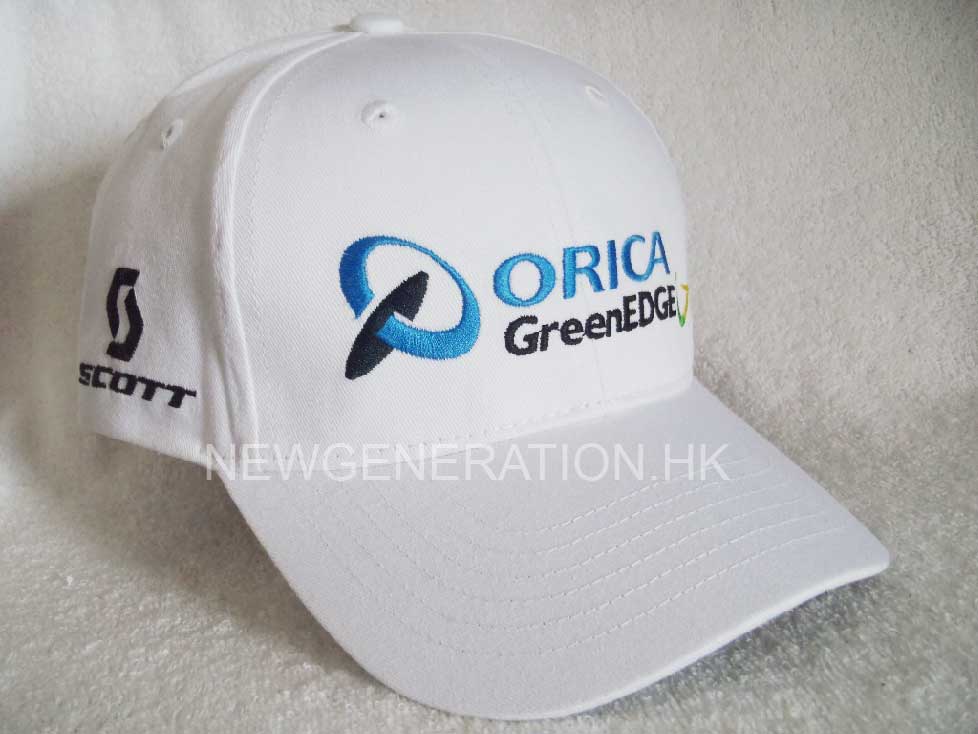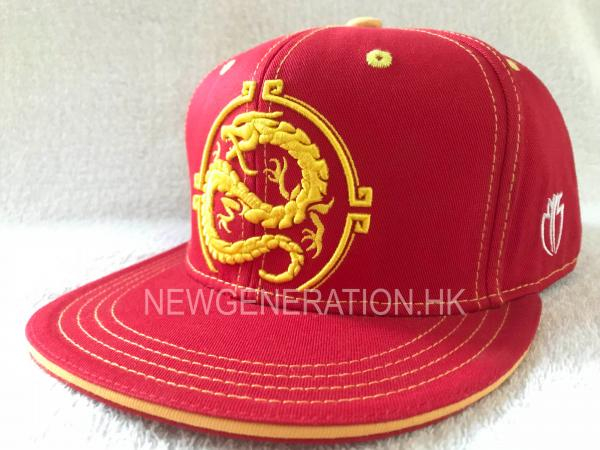



In 2024, Swedish outdoor brand Vind was gearing up to launch a UV-protective cap line across Southeast Asia. They had the design, the distribution, and the retail slots booked. What they didn't have was a fabric that could pass EN 13758 certification without looking like a swimming cap. Three European textile mills told them it would take 14 weeks and cost €6.80 per meter. Their custom cap manufacturers in Dongguan didn't source a fabric. They developed one.
Within four weeks, the factory's in-house textile lab had prototyped a polyester-cotton-modal blend that passed EN 13758, wicked moisture at 4.2 seconds on the AATCC TM135 test, and cost €3.40 per meter. Vind launched on time. The fabric is now in its third season. That's not "cheap labor." That's engineering infrastructure that most brands never bother to access—because they never send a proper hat tech pack that signals they're serious.
The U.S. brand that saved $870,000 without switching factories
A U.S. lifestyle brand we've tracked since early 2023 scaled from 10,000 caps to 500,000 over two seasons. When I asked their production director what changed, I expected to hear about a new factory. Wrong answer.
They didn't change factories. They changed documentation. Over six months, they moved from fragmented email specs to a complete tech pack system that locked down: thread count, stitch density (12 SPI for structured crown panels, verified with a digital stitch counter at incoming QC), logo placement tolerance (±1mm, measured from crown seam intersection), and wash testing protocols aligned to AATCC TM135. Their defect rate cratered from 12% to under 3%. Rework and reverse logistics costs dropped by $870,000 over two seasons.
Here's the part worth underlining: the factory floor didn't get more skilled. The machinery didn't change. The only variable was whether operators had to guess what "good" meant. The tech pack made guessing unnecessary.
Why Chinese cap factories invest in labs, not just sewing lines
There's a structural shift happening across cap manufacturers in Dongguan and Kunshan that changes the sourcing equation entirely. A handful of premium facilities now run in-house textile testing labs with spectrophotometers, tensile testers, and accelerated wash-aging chambers. I walked through one in March 2025. It looked less like a factory and more like a materials science department.
That infrastructure means something concrete: when a brand submits a hat tech pack with performance requirements, the factory R&D team can test and validate before cutting a single panel. They're not just sewing your design. They're stress-testing it.
One cap factory we partner with has a standing protocol: any tech pack that specifies outdoor use triggers a bartack reinforcement recommendation at all panel intersections, drawn from a database of post-launch field failure audits. Those audits—tracking returns from U.S. outdoor retailers across three climate zones—show that reinforced stress points reduce field failures by roughly 40%. The data is theirs. The insight gets baked into your production run before you even ask for it.
This is the gap most Western brands still don't see. They assume they're buying execution. The smart ones realize they're also buying applied R&D—but only if the tech pack is detailed enough for the lab team to engage with.
Read: What to look for in a Chinese cap factory's in-house testing lab →
Three weeks back. Per launch.
Let's talk about the time side of the ROI, because time is the cost that shows up as missed retail windows, not line items.
When Vind started using structured tech packs across three Chinese suppliers, their sampling rounds dropped from an average of five to two. That reclaimed three to five weeks per product cycle. Number of times we saw a sample rejected because the factory guessed wrong on brim curvature? Zero—because the curvature radius was specified in millimeters, not adjectives.
Quantify that time: for a brand selling into seasonal retail, each week of delay past the booking window costs roughly $15,000 in lost opportunity—factoring in missed in-store placement, markdown exposure, and warehousing idle time. Reclaiming three weeks per launch isn't just faster. It's $45,000 per SKU in protected revenue.
And the $87,000 a DTC brand saved in year one? That came from two things: eliminating duplicate sampling across factories (because one tech pack served all three), and preventing incorrect embroidery file submissions that once caused a full production halt. The files were embedded as .dst format inside the tech pack. The factory didn't have to digitize from a low-res JPG. The machines ran. The order shipped.
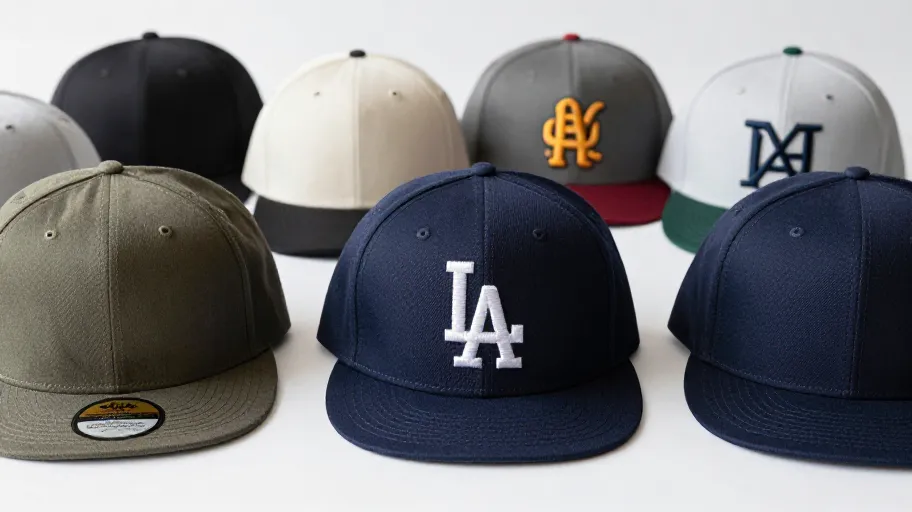
What "one source of truth" actually means across three suppliers
Most mid-market brands eventually hit a wall: they need to split production across two or three cap manufacturers to manage capacity, but suddenly their quality becomes unpredictable. Supplier A interprets "medium crown" one way. Supplier B interprets it differently. The brand now has two completely different products under the same SKU, and customers notice.
A tech pack that functions as an enforceable contract solves this at the structural level. It codifies material callouts with mill certificate requirements, stitch types with ISO 4915 numerical codes, wash effect specifications with approved reference samples photographed under controlled lighting, and digital embroidery files in machine-ready .dst format. These are not suggestions. They are pass/fail criteria.
When one source of truth governs all suppliers, you can shift volume based on capacity or demand without quality drift. We've seen brands onboard a new cap factory mid-season and achieve first-sample approval in seven days—because the spec document answered every question before it was asked. That's not a supplier relationship upgrade. It's an operational insurance policy.
Your first move this week
Don't write a tech pack from scratch. Don't buy a template and fill in every field. Start smaller and smarter:
Pick one SKU. The one that caused the most headaches last season. Open the last purchase order you sent for that product. Count how many adjectives you used—words like "standard," "comfortable," "good quality," "normal." Write that number down. It's probably higher than you think.
Replace one adjective with one measurement. If "comfortable strap" is in your spec, kill it. Measure the strap width, buckle inner dimension, and surface friction on a hat that actually feels right. Put those numbers in. Add a photo with a ruler. That's now your spec.
Send it to your production contact before Friday. Attach a one-line note: "Can you match these measurements within the tolerances shown?" If they say yes, ask for a measurement report with the first sample. If they ask what you mean, you've just uncovered where the guessing was happening.
Precision costs less than ambiguity. And right now, your defect pile has enough data to fund the switch.
Related reading:
Free Download: Six-Component Hat Tech Pack Template (.AI + Excel)
How to Audit Custom Cap Manufacturers in China: A 10-Point Checklist
Cap Production Timeline Calculator: From Tech Pack to Delivery
Tags: custom cap manufacturers china, cap factory, hat tech pack, headwear sourcing guide