



UK streetwear brands are breaking free from inventory traps—thanks to micro-factories in China that cut minimum orders to 50 units. Lower risk, faster drops, smarter growth. Here’s how they’re rewriting the playbook.
Why traditional sourcing kills small brands before launch
Forcing a new streetwear label to order 600 caps upfront means an $8,100 investment before a single customer sees the design. That kind of capital lockup doesn’t just delay launch—it forces creative compromises. One London founder told us they killed two designs because they couldn’t afford to produce them separately. Bulk ordering turns fashion into guesswork.
McKinsey’s 2023 Apparel Report found 68% of indie labels name overcommitment as a top-three scaling barrier. When you’re stuck with unsold stock, every decision becomes reactive. You can’t pivot fast when your warehouse is full of last season’s misfires. In streetwear, where trends shift in weeks, that’s fatal.
Low-MOQ factories eliminate this trap. Ordering just 50 units means testing a design for under £600. If it flops? Minimal loss. If it sells out? You’ve proven demand without draining your runway. This shift—from prediction to validation—means creativity leads again, not inventory.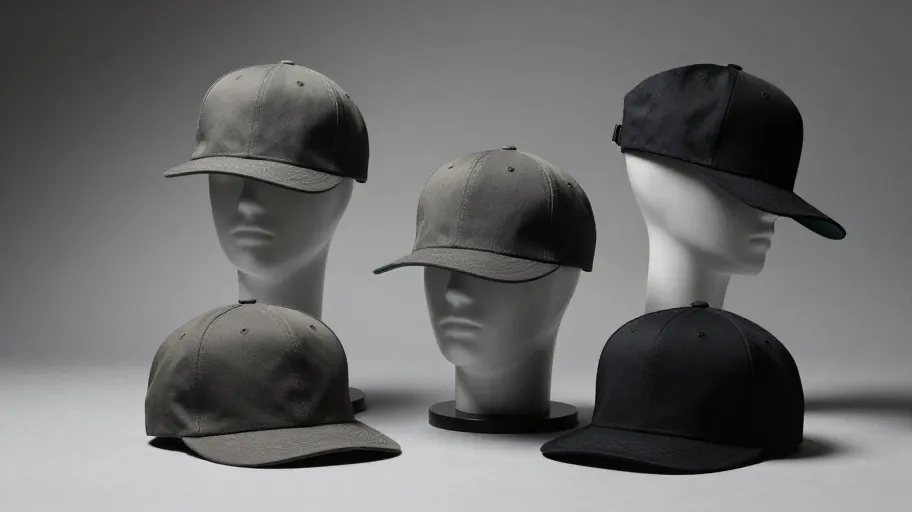
How micro-factories deliver quality at small scale
Foshan and Dongguan aren’t just cutting MOQs—they’re reengineering production for agility. A Bristol-based brand recently went from sketch to shipped product in 11 days. How? Lean workflows borrowed from automotive micro-production reduced machine setup time by 40%, so switching between small batches doesn’t cost extra.
Digital workflow integration syncs design, fabric sourcing, and stitching in real time. That means errors get caught before the first seam is sewn—cutting revision cycles from days to hours. A 2024 supply chain benchmark showed brands using these systems launched products 30% faster than peers relying on email and spreadsheets.
And quality hasn’t slipped. These factories now use bonded stitching and pre-shrunk cotton twill—same materials premium hats rely on. One designer ran blind tests with customers; 9 out of 10 couldn’t tell which caps came from bulk vs. micro-runs. Small batches don’t mean shortcuts—they mean smarter execution.
The real ROI: turning inventory into intelligence
A Manchester label tested four snapbacks at 75 units each—total investment under £3,500. Within six weeks, one style drove 80% of sales, covering costs across all four. That’s not luck. It’s batch segmentation: treating small runs as market experiments. Each order becomes data, not just revenue.
A 2024 retail analysis found micro-batch adopters iterate 3x faster and cut initial spend per style by up to 60%. But the bigger win is total cost of ownership. Smaller batches slash storage fees, deadstock, and opportunity cost. Funds stay liquid, ready to scale what works—sometimes within the same quarter.
This model flips the script. Instead of betting on one seasonal drop, brands now respond to real behavior. Design, marketing, and distribution align around actual demand. The factory isn’t just making hats—it’s feeding a feedback loop that sharpens every decision.
Choosing the right partner for long-term growth
Not all low-MOQ factories deliver the same. The challenge now isn’t access—it’s selection. You need a partner that won’t buckle when you scale from 50 to 500 units. Look for clear certifications (BSCI, ISO), sub-7-day sample turnaround, and open communication. One red flag: suppliers who won’t share lead times beyond ‘about 3 weeks.’ Precision matters.
We’ve seen brands lose months because their factory couldn’t handle sudden demand. Build scalability clauses into contracts early. Ask how they manage material sourcing during peak seasons. A reliable partner acts like an extension of your team—not a black box.
When you find that fit, the payoff compounds. Fast validation builds confidence. Clean execution builds trust. And controlled releases protect your brand’s story. The goal isn’t just to sell hats—it’s to grow a brand that lasts.
#cap manufacturers china, #headwear manufacturers china, #hat tech pack








