



Cap factories are cutting errors by up to 70%—not with new machines, but with better blueprints. Hat tech packs are redefining how snapbacks get made, one stitch at a time.
Why cap factories keep making the same mistakes
A U.S. headwear brand lost $220,000 when 12,000 snapbacks were scrapped before back-to-school season. The brims curved just 3 degrees too much. The cause? A designer’s handwritten note buried in an email thread—misread by a factory team in Vietnam. This isn’t bad luck. It’s a symptom of broken communication.
The 2024 Textile Institute Manufacturing Report found that 68% of apparel rework comes from unclear design specs. That means most delays, waste, and strained supplier relationships stem not from faulty materials or machinery—but from ambiguity.
When instructions are scattered across emails, sketches, and verbal notes, every handoff risks misinterpretation. Pattern cutters assume tolerances. Sewers guess stitch density. Inspectors apply inconsistent standards. The result? High first-batch rejection rates, rushed air freight corrections, and missed retail windows.
Fixing this doesn’t require new equipment—it demands a single source of truth. That’s where the hat tech pack steps in: a complete digital blueprint that replaces guesswork with governance. Structured specs mean your 7⅝” crown gets built exactly as designed, whether production is in Dongguan or Detroit.
How hat tech packs enforce precision across borders
One streetwear brand launching 12 new snapback SKUs faced a crisis: early production runs showed inconsistent strap adjustability and uneven topstitching. They weren’t working with an unreliable factory—they were working without clear rules.
Replacing photo-heavy briefs with a full hat tech pack changed everything. Stitch-per-inch counts were specified numerically. Buckram stiffness was rated on a 1–10 scale aligned with ASTM D5034 durability standards. 3D flat patterns showed exact panel alignment. These aren’t suggestions—they’re executable directives.
The construction blueprint module means zero ambiguity in assembly. ±0.5mm tolerance on crown height? Built into the document. ±1 stitch per inch? Enforced during QA. This level of detail allows factories to validate work in real time—not after thousands of units are sewn.
For the brand, first-pass yield jumped to 94%. Strap performance stayed consistent across three production cycles. Because the tech pack travels with the order, quality isn’t dependent on oversight. It’s encoded into the process. That means a cap made in Hanoi feels identical to one made in Haiti—because both follow the same precise DNA.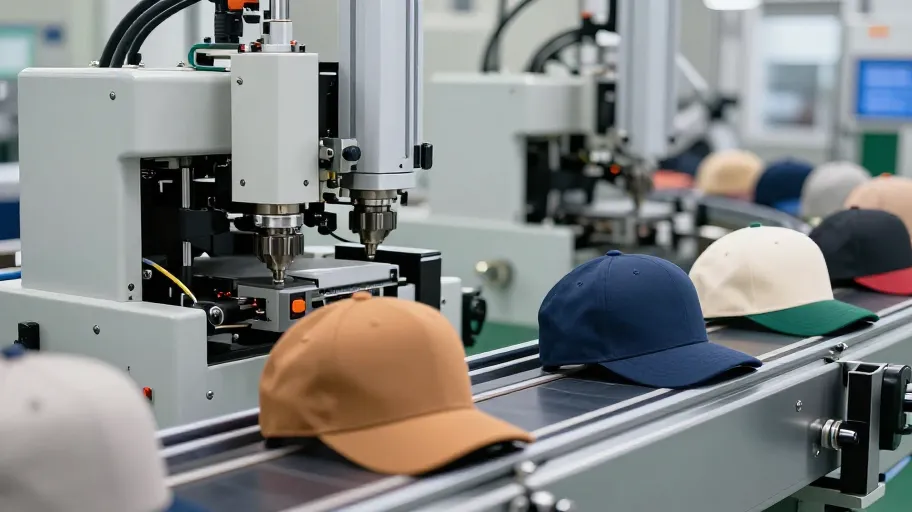
What real ROI looks like for snapback manufacturers
A mid-sized brand switched to version-controlled tech packs across its Asian and Mexican cap factories. Sampling dropped from six weeks to 11 days. First-batch approval rose from 44% to 89%. That shift didn’t just save time—it saved margins.
Eliminating email-based revisions meant no more factories using outdated specs. No more $8,000 rush shipments to fix misaligned trims. Conservatively, they saved $18,000 per SKU in labor, shipping, and rework. For a brand launching 20 styles a year, that’s $360,000 in avoidable costs—erased.
This isn’t reserved for big players. Cloud-based PLM platforms now offer lean, modular tech pack templates. Small-batch snapback manufacturers can deploy professional-grade specs with minimal setup. A 2024 supply chain study confirmed it: standardized digital tech packs reduce pre-production errors by 63%, regardless of team size.
Beyond cost savings, this precision unlocks agility. Reliable specs mean faster limited editions, smoother material pivots, and confident expansion into new markets. Operational control today becomes strategic advantage tomorrow.
The future of headwear starts with better documents
The real innovation in hat manufacturing isn’t in the fabric, the snap, or the stitching machine. It’s in the document that sits before any of them are touched.
Tech packs transform vague ideas into repeatable outcomes. They mean fewer rejected orders because fit is consistent. They mean faster time-to-market because sampling isn’t delayed by miscommunication. They mean stronger supplier trust because everyone works from the same plan.
For cap factories and snapback manufacturers alike, adopting structured tech packs isn’t a technical upgrade—it’s a competitive reset. When your product’s quality is documented down to the millimeter and stitch, you’re not just making hats. You’re scaling confidence.
See how a single tech pack could save your next launch—try a free template built for real-world production.
#cap manufacturers china, #headwear manufacturers china, #hat tech pack








