


The Hidden Margins in Custom Headwear Production
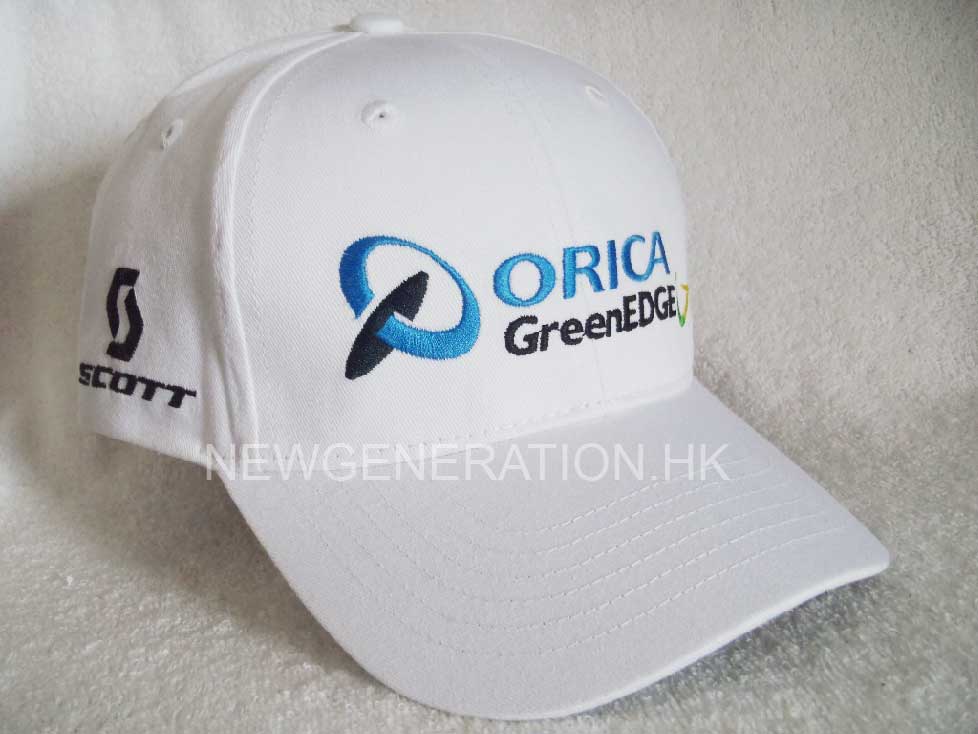
In mid-2023, a branded merchandise buyer out of Nashville unboxed 5,000 snapbacks for a country music festival. The rose-gold embroidery skewed salmon under natural light. The discrepancy was missed during the initial QC video call because the factory's lightbox matched standard ceiling LEDs, not outdoor conditions. The client spent $14,700 on rush air freight for rework goods. For most brands, choosing a cap factory is just a line item on a spreadsheet until an oversight like this turns into a massive margin leak.
Having audited over 60 cut-and-sew facilities globally since 2008, the reality is that the visible FOB unit price is only a fraction of the total cost. The real expenses incurred by working with subpar cap manufacturers hide in uncalibrated monitors, inaccurate tech pack tolerances (failing to maintain a ±1.5mm margin), and fabric lots sitting in customs due to incorrect HS codes.
Where Production Budgets Actually Evaporate
Most operations track direct labor and materials. What they often fail to account for is dead inventory driven by MOQ (Minimum Order Quantity) miscalculations. For instance, a client requested a 300-piece order for a custom-dyed five-color cotton twill hat. The mill minimum for the twill was 800 yards. They used 158 yards, and the rest became dead stock. While the per-unit cost appeared profitable on paper, the capital tied up for 14 months damaged their cash cycle.
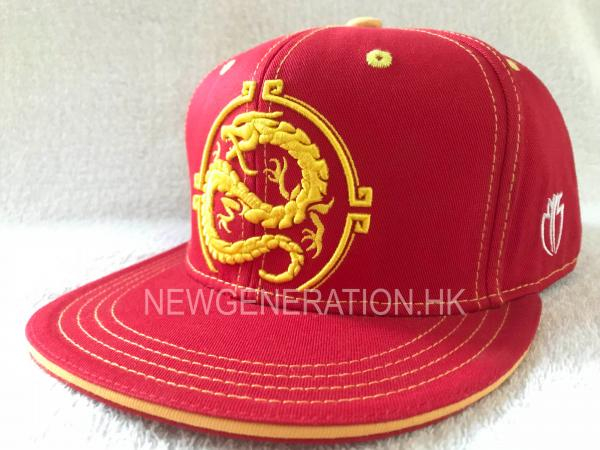
Another overlooked metric is stitch density optimization. A standard flat embroidery logo at 4,200 stitches takes roughly 3 minutes and 40 seconds on a properly tensioned machine. Increasing the density to 7,500 stitches simply because a designer assumes "heavier is premium" adds 90 seconds per piece. On a 2,400-piece order, that consumes 60 extra machine-hours. Without precise specifications, you are draining production capacity and risking delayed delivery times.
Mitigating Supply Chain Exposure
Sole-source fabric specifications present a critical risk. In 2022, an outdoor brand faced a 41-day delay because their specified stretch twill from a single mill in Turkey was held up at the port, and no secondary qualification paperwork existed for an alternative.
Professional cap manufacturers utilize a parallel-qualification model. For structured cotton caps, a reliable backup—such as a 7.2 oz cotton twill pre-qualified through an independent testing lab—should always be locked in. Spending $1,120 upfront on testing and shipping panels can prevent hundreds of thousands of dollars in exposure during unexpected logistical bottlenecks.
Visible vs. Invisible Costs (2,500 Unit Order)
| Cost Category | Visible Cost Example | Invisible Cost Example |
|---|---|---|
| Fabric | $3.05/yard, 6.5 oz brushed cotton | 12% shade-lot reject rate adding $0.38/unit in reorders. |
| Trim | $0.17/visor board | 700 unused pre-curved boards due to 2,500 MOQ for a 1,800 run. |
| Embellishment | $0.90/unit embroidery digitizing | Unbilled design revisions consuming hours of back-and-forth. |
| Logistics | $0.48/unit ocean freight | $1,650 in unforeseen demurrage fees ($15/day per pallet). |
| Quality | $0.05/unit inspection | Missed off-registration logos leading to heavy retail markdowns. |
Balancing Automation with Flexibility
While automated visor-curving stations and auto-thread-trimming Barudan machines reduce cycle times on standard orders, automation works best with predictable volumes and silhouettes. For brands running high-complexity, short-run capsules with frequent thread and panel construction changes, a semi-automated setup can cause more downtime than a skilled manual line. Experienced floor supervisors who can rebalance a sewing floor dynamically often outperform rigid automated facilities when dealing with complex, unstructured headwear.
Establishing Strict Quality Gates
Skipping necessary lab tests destroys margins. A streetwear brand once expedited a pigment-dyed cap order, bypassing the AATCC 8 wet crock test. The dye bled into the sweatband and white lining, resulting in an 18% retail return rate and delisting from key platforms. The fastness rating was 2.5 on wet rub—catastrophic for headwear exposed to sweat.
Implementing a mandatory AATCC 8 test with a minimum rating of 3.5 before production approval is a fundamental quality gate. This level of technical oversight is exactly what separates a reliable cap factory from an operation that merely stitches fabric.
Key Indicators of Hidden Factory Costs
- Track Non-Productive Stitching Time: Treat rework rates as capacity thieves. If over 3.2% of machine-hours are consumed by repairs or re-embroidery, your true labor costs are significantly higher than invoiced.
- Analyze Changeover Efficiency: Request a continuous video of a changeover between two SKUs. In a calibrated facility, switching colors on a same-construction cap should take under 18 minutes. Extended downtime indicates poor line management.
Partnering with the right facility isn't just about finding the lowest per-piece rate. It is about working with cap manufacturers who implement strict data-driven processes, validate their materials, and prevent production anomalies before they reach the shipping container.