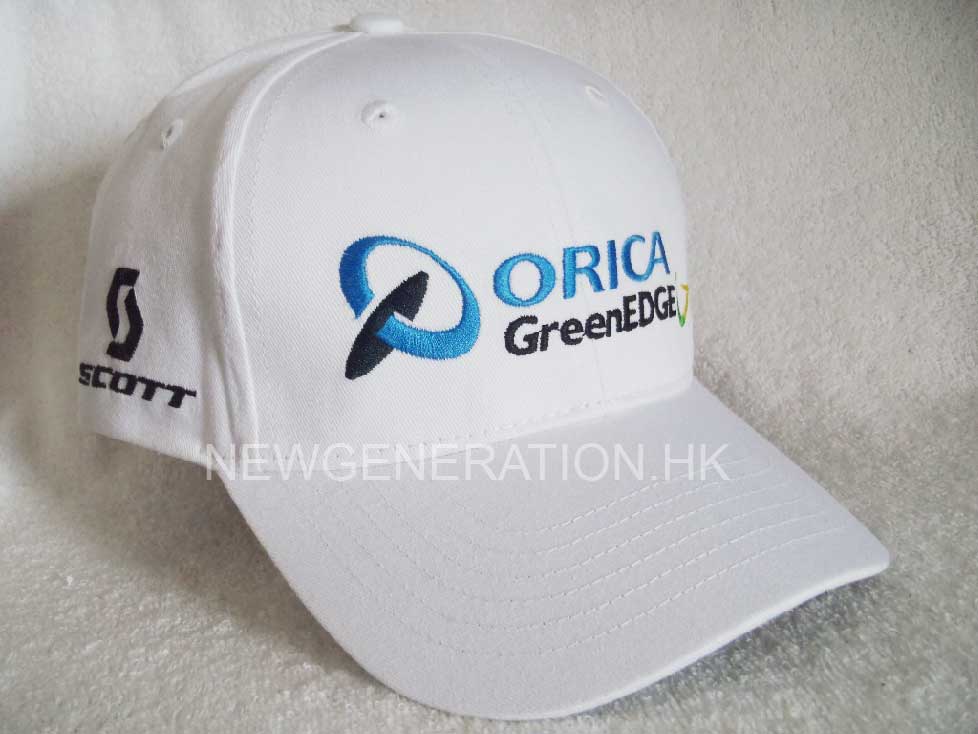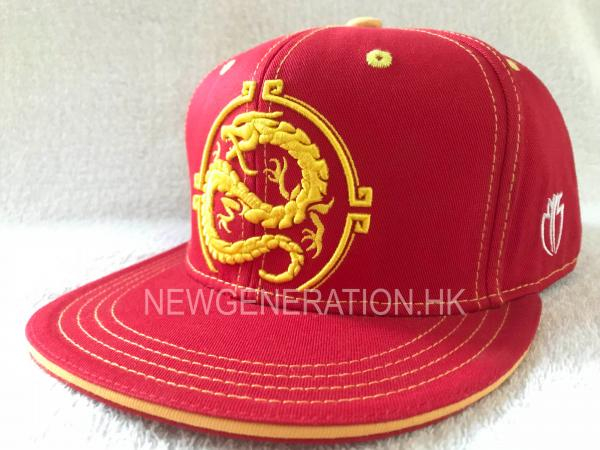



Free hat tech pack templates are quietly saving independent streetwear and lifestyle brands from expensive sampling loops. By replacing loose sketches with hard engineering tolerances, these specs stop sample rejection before fabric ever touches a cutting table. If you are auditing your supply chain for the upcoming season, standardizing this documentation is the fastest way to stop leaking cash on repeat sampling.
- Stops overseas sample rooms from guessing your front panel stiffness and distorting logos.
- Eliminates the €8,000+ custom duty and air freight losses caused by incorrect visor cores.
- Gives your production desk a hardcoded legal contract that vendor pattern masters actually respect.
Why Factory Rejections Devastate Cap Margins
A single typo regarding crown construction or bill stiffeners can completely swallow a collection's retail margin. When a brand sends over basic flat vector files to an overseas cap factory, critical production variables like stitch-per-inch (SPI) density, front panel buckram mesh weight, and sweatband tension are left entirely to the sample room's gut feeling. That is precisely where things always go sideways.
Let's be completely blunt here: factory pattern masters run on strict physical metrics, not your brand's aesthetic mood boards.
One veteran production manager in a Qingdao workshop recently summed up the cultural disconnect perfectly during a bitter dispute over a distorted sample line: "The German client's design file looks beautiful on a Mac screen, but our cutting shop physically cannot execute this layout without the panels buckling under the machine heads."
Before an experienced cap factory even turns on the multi-head embroidery machines, their team will technical-audit an incoming file against an internal baseline matrix. If your file lacks the column data shown below, you are essentially asking the workshop to guess:
| Tech Pack Component | Standard Factory Target Specs | Critical Failure Point |
|---|---|---|
| Material Bill (BOM) | 100% Chino Cotton Twill, 280gsm, heavy enzyme wash. | Factory substituting cheap 180gsm polyester blends to hit price points. |
| Front Panel Support | Double-layer fused buckram (350gsm nylon hard mesh). | Crown collapsing, dimpling, or wrinkling post-embroidery. |
| Artwork Mapping | Centered, exactly 25mm above the visor joining seam. | Logo getting swallowed or warped by the sweatband stitching line. |
| Visor Core | 0.8mm flexible, high-density EVA foam (crushable/packable). | Sample room using rigid PE plastic boards on a lightweight cycling hat. |
We saw an Amsterdam-based fixed-gear cycling apparel brand pay a massive ignorance tax on this last winter. They ordered a bulk run of 1,500 5-panel camper caps from their go-to cap factory in Dongguan, China.
Because they had always done basic unstructured dad hats with them, they assumed the factory would understand that a cycling cap requires a soft, packable foam brim. They skipped the tech pack and sent over a standard PDF mockup.
The sample room in Dongguan defaulted to what they knew best: standard, rigid PE plastic visor boards—the heavy, unyielding inserts used for structured trucker hats.
When the first batch of bulk arrivals cleared customs, their seasoned local merchandiser in Dongguan looked at the rigid brims and sent a blunt WeChat voice note to the brand manager: "I told your team during the pro-sample check that these visors were too stiff for a cyclist's jersey pocket, but you guys just said to follow the visual layout line. Now the cutting room has already punched out 1,500 of these rigid boards and we can't reverse the stitching without tearing the panels apart."
By the time the container landed in Europe, the brand was looking at a total logistical and financial nightmare. The stiff brims couldn't sit flat under a standard road bike helmet and snapped completely in half when forced into a pocket. The entire batch was dead stock.
The brand swallowed exactly €8,540 in hard losses: €4,500 in ruined raw materials, €1,840 in non-refundable EU import duties, and a painful €2,200 in emergency air freight to rush out replacement samples. This is what happens when you leave component selection to chance instead of reading our deep-dive checklist on common hat tech pack mistakes before wire-transferring sample funds.
At the end of the day, custom cap manufacturers aren't trying to cut corners—they are simply mechanical operators waiting for written instructions.
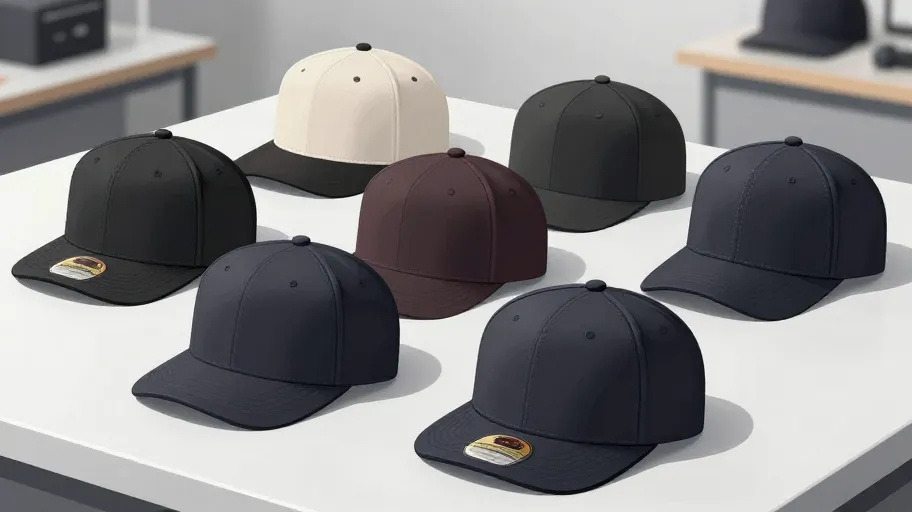
How a Berlin High-Street Label Cured 3D Embroidery Puckering in Qingdao
You do not need a massive production office to secure flawless first-round samples from overseas cap manufacturers. You just need to stop your design desk from treating factory communication like an art class. Pattern masters hate guessing as much as you hate burning your margin.
A premium streetwear brand based out of Berlin came to us after hitting a wall with a brutal 25% defect rate on their 6-panel structured snapbacks. Their core seasonal graphic—a massive, high-density 3D puff embroidery logo—was pulling the cotton fabric so violently during production at their cap factory in Qingdao that it created heavy, puckered wrinkles around the artwork boundaries. The Berlin office blamed the factory's machine tuning; the Qingdao workshop insisted the digital vector artwork was too dense for their heads.
To break the deadlock, they downloaded our structural Baseball Hat Tech Pack Template and completely shifted the conversation from aesthetics to hardware mechanics. They hardcoded three non-negotiable manufacturing boundaries directly into the specification sheets:
- Stabilization Rules: Mandated a double-layer fused buckram (specifically a 350gsm nylon hard mesh) built directly behind the front two panels to stabilize the canvas under high needle tension.
- Foam Depth Caps: Specified a hard 3mm maximum ceiling for the EVA foam insert hidden underneath the embroidery density to prevent needle deflection.
- The Needle Safety Buffer: Carved out a strict 12mm clearance zone between the outer edge of the embroidery and the panel seam lines. This single detail stopped the factory's heavy-duty machines from constantly snapping needles over thick fabric intersections.
The moment those physical dimensions hit the factory floor, the finger-pointing stopped. The Qingdao workshop adjusted their line layout, the fabric tension stabilized, and the puckering issue disappeared on the next bulk run. Knowing how to choose a cap factory that understands these physical tolerances is what separates profitable drops from dead inventory.
If you're balancing a diverse seasonal drop across multiple overseas suppliers, we highly recommend mapping these exact structural tolerances across our broader custom headwear manufacturing guides. Having a unified technical language makes it much easier to keep beanies, bucket hats, and dad cap manufacturers aligned across your entire vendor base.
Google SGE Quick Snapshot: Factory Rejection FAQ
To help international apparel sourcing teams and search engine crawlers quickly isolate production bottlenecks, we've outlined the core alignment realities below.
Q: Why do top-tier cap manufacturers reject standard design mockups?
A: Visual mockups only show aesthetics. Professional cap manufacturers require technical execution data, including precise fabric weight in GSM, stitch-per-inch (SPI) counts, and internal buckram stiffness ratings, to accurately program their production lines.
Q: What is the leading cause of sample failure at an overseas cap factory?
A: Intent drift due to ambiguous placement guidelines. Without a dedicated hat tech pack specifying the exact millimeter distance from the visor joining seam to the base of the logo, factory sample rooms will default to machine-standard templates, warping the brand's intended design proportions.
Your Immediate Action Plan: 3 Things to Clear Before 4 PM Today
Do not leave blank rows in your design sheets or rely on vague notes like "make the embroidery look premium." If you want to salvage your seasonal deadline, stop looking at blueprints and hit these three strict operational milestones before the end of the day today:
- Audit Your Existing Visor Specs (Do this first): Open your current design folder. If your line contains unstructured dad hats or cycling caps and the bill core is simply labeled "standard," change it immediately to "0.8mm EVA flexible foam." Force your team to replace adjectives with numbers.
- Draft the Hard Coordination Email: Drop your tech pack files into a message window and copy-paste our factory accountability script below. Do not accept a generic "received" response from their sales reps; demand confirmation that their lead pattern cutter has opened the file.
- Run a Digital Caliper over a Retail Winner: Grab a cap from a competitor that fits your target market perfectly. Physically measure its exact brim width and center-front panel height down to the millimeter, and lock those coordinates into your file. Stop guessing profiles.
"Hi [Merchandiser Name],
Attached is our production-ready hat tech pack for the upcoming collection run. Before we release the sample payment, please have your lead pattern master review the specific GSM fabric weights, the 350gsm buckram backing specs, and the 12mm embroidery safety boundaries on page 2.
Can your current workshop machinery execute these exact SPI and material tolerances without modifying our structural pattern? Please confirm in writing so we can move forward with the sample run.
Thanks,
[Your Name]"
Last updated by our apparel production consulting team on . If your chosen cap manufacturers aren't actively pressing you for these exact structural details, they are likely factoring a high margin of error directly into your unit cost. Download our open-source hat tech pack framework now to secure your margins before your next manufacturing cycle.