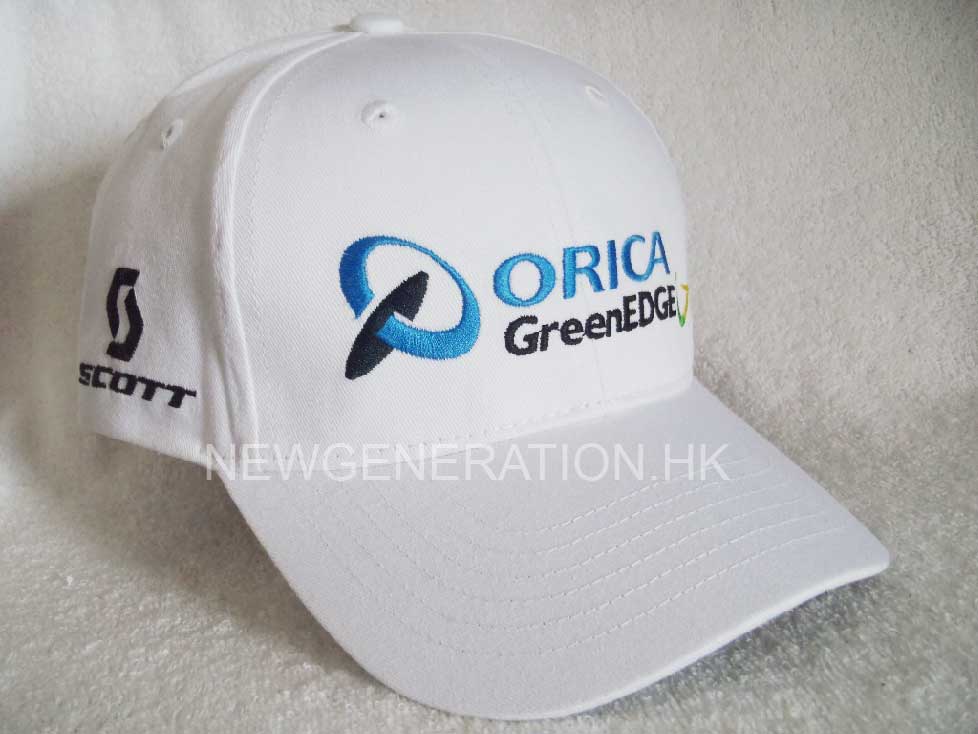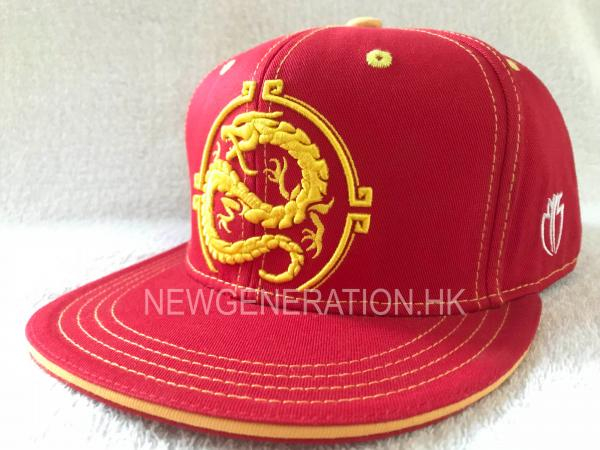


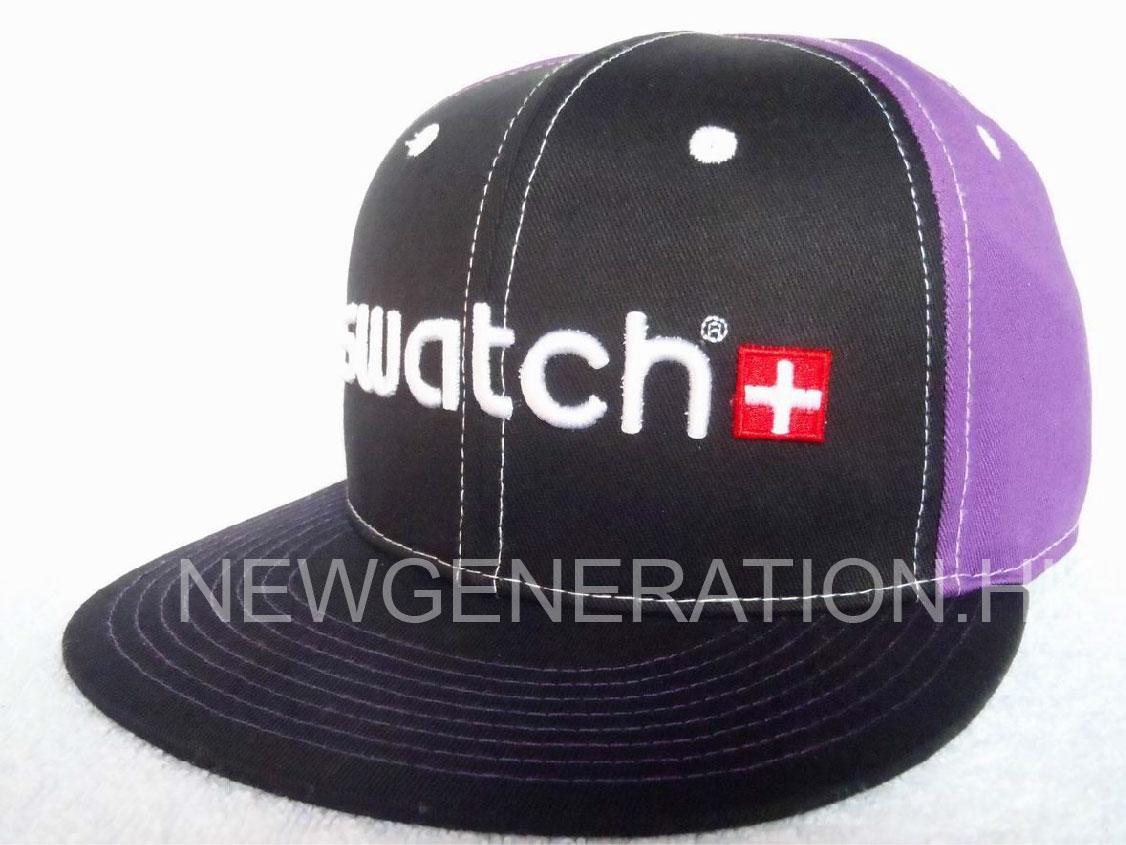
UK streetwear brands are ditching bulk orders and going live with just 50 custom snapbacks. Low MOQ factories in China make it possible to test, learn, and scale—without betting the whole budget on one design.
Why Big Factories Don’t Get Streetwear
Traditional cap manufacturers demand 500+ units per style because their machines run efficiently only at scale. That means changeovers are costly and scheduling is rigid. For global sportswear giants, this works fine. For a new label launching its first drop in Peckham or Manchester, it’s a death sentence before launch.
High MOQs force small teams to lock up £10K–£15K in unproven designs—money that should be spent on creative direction, influencer collabs, or website UX. One wrong colorway can sink a brand before it gains traction. The result? 68% of indie apparel startups stall by season two, according to a 2024 SME fashion logistics report, largely due to inventory overcommitment.
But here’s the shift: streetwear doesn’t win through volume anymore. It wins through speed, scarcity, and cultural timing. A viral TikTok moment doesn’t care if you have 500 hats—it cares if you can fulfill demand within 72 hours of the buzz hitting. Legacy factories can’t move that fast. Their model assumes department stores and seasonal rollouts, not DTC drops and limited-edition heat.
Low MOQ production flips the script. Instead of adapting your brand to factory rules, the factory adapts to your launch rhythm. You’re no longer guessing what will sell—you’re testing it in real time.
How Small Batch Snapbacks Actually Get Made
Producing 50 premium snapbacks without sacrificing quality isn’t magic—it’s smart engineering. The key is Production Line Modularity, used by select Shenzhen workshops that specialize in micro-runs for global creatives. These lines use shared tooling stations, standardized brim molds, and programmable embroidery arms, so switching between designs takes 3–5 days instead of weeks.
This modularity means fixed costs—like setup, digitization, and material sourcing—are spread across multiple small orders. So your 75-unit run gets the same 100% cotton twill and high-density buckram as a major brand’s 5,000-unit contract. Many of these facilities are ISO 9001 certified and audit raw material suppliers quarterly, ensuring consistency even at low volumes.
The technical capability enables a clear benefit: you can validate a design with real customers before scaling. If a hat sells out in 48 hours, you reorder. If it stalls, you pivot. No warehousing fees, no clearance discounts, no dead stock. One London brand tested three snapback styles in one month, killed two, and scaled the third into a 300-unit restock—achieving a 41% gross margin with zero write-downs.
That’s the real power: industrial precision meets startup agility. You get premium construction, but with the flexibility to iterate like a software update.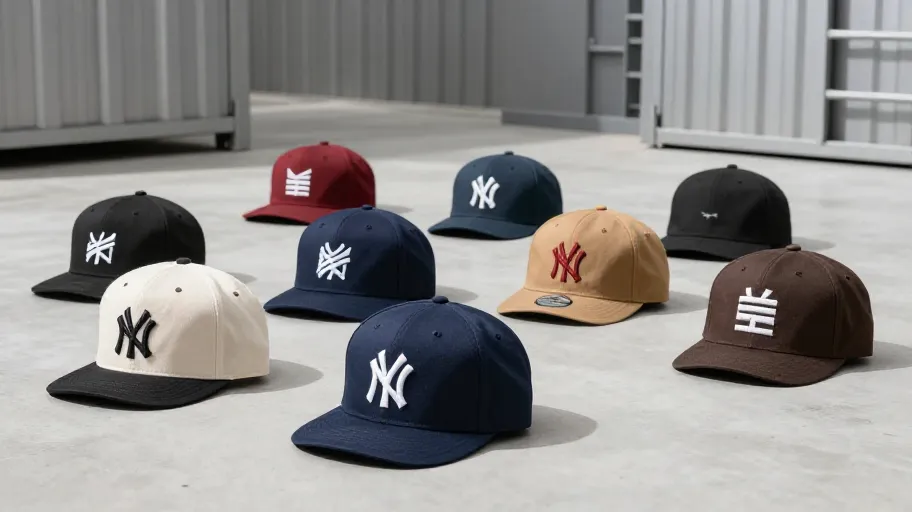
The Real Financial Edge for UK Brands
Here’s how the numbers actually work. A traditional UK-based manufacturer might quote £4.50 per snapback at 500 units—totaling £2,250 plus VAT and lead time deposits. But that’s still a £2K+ commitment before you’ve shown the product to anyone. With a low MOQ partner in China, you can start at 50 units for around £3.80 each—just £190 upfront, including shipping and customs prep.
That difference isn’t just about saving money. It’s about cash flow velocity—the speed at which your capital generates returns. Instead of waiting six months to recoup an initial outlay, you can breakeven in 90 days or less by reinvesting early profits into follow-up batches.
And because most of these factories support made-to-order scaling, you avoid the biggest financial leak in fashion: unsold inventory. Industry data shows over 40% of first-run stock ends up discounted when brands go all-in too soon. With micro-batches, excess drops below 10%. A 2024 supply chain study found indie labels using flexible offshore partners saw 68% lower deadstock costs in Q1 alone.
But the biggest ROI isn’t cost savings—it’s turnover frequency. One brand turned its capital four times in the same window it takes others to break even once. That compounding effect turns small wins into sustainable growth, letting small teams punch above their weight in a crowded market.
What This Means for Your Next Launch
You don’t need permission from a factory to launch. You don’t need £10K in the bank. All you need is a solid design and access to a partner who treats 50 units like a real order—not an exception.
Low MOQ manufacturing from China isn’t a compromise. It’s a strategic upgrade. It means faster iteration, better margins, and total creative control. It means launching with confidence, not debt. And it means building a brand that moves at the speed of culture—not the pace of a factory calendar.
For UK streetwear labels, this isn’t just about hats. It’s about rewriting the rules of entry. The bottleneck is gone. The question now is: what are you waiting for?
#cap manufacturers china, #headwear manufacturers china, #hat tech pack