



The Real Cost of a Bad Cap Decision
Most people in ecommerce don’t think about caps until something goes wrong. A shipment lands and the brims are warped. The embroidery on 5,000 units frays after two washes. The customer service rep for your “cap factory” stops answering emails the moment the wire transfer clears.
We’ve seen all of it. New Generation started in 2008 making simple baseball caps for a handful of domestic brands. Back then, our quality checks involved three people in a room with a lightbox. Today we ship complex headwear across multiple categories, and the mistakes we made early on taught us what to look for when evaluating any cap manufacturers. That experience shapes how we think about the industry.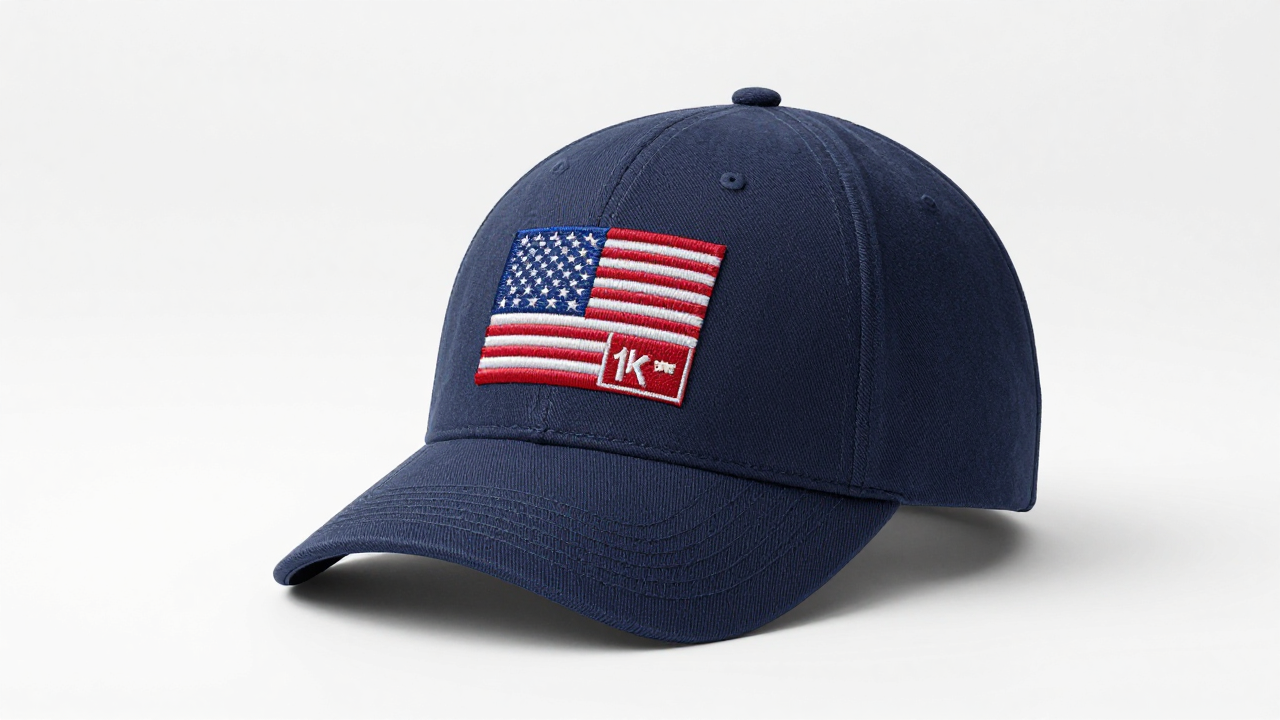
What surprises most buyers is that the American cap manufacturing landscape isn’t just a handful of giant firms. It’s a mix of old-line domestic shops, mid-volume specialists, and strategic import partners. Missing the right fit costs more than money — it burns time, reputation, and seasonal momentum you’ll never get back.
Why the Wrong Cap Factory Choice Hurts Twice
A cap factory doesn’t just stitch fabric together. It’s your inventory partner, your quality assurance team, and in many cases, your logistics arm. When that partnership fails, you’re not just dealing with product defects. You’re managing customer returns, negative reviews, and a calendar that doesn’t care about your supplier problems.
The construction of a cap looks simple from the outside — crown panels, a visor, a sweatband, maybe a closure. But the gap between a cap that holds its shape for 20 wears and one that collapses after three sits in details most people never inspect. Stitch density on the brim binding. The weight of the interfacing. Whether the buckram is chemically bonded or just ironed in.
Running a batch of trucker caps through a humidity test chamber taught us something textbooks don’t mention: a cap with 6-panel construction and proper interfacing retains crown height roughly 40% longer than cheaper 5-panel alternatives under the same conditions. That kind of data matters when your customer lives in Miami and wears your product daily.
Top 5 Cap Factories in America: A Ground-Level View
American cap production splits into two realities. Domestic manufacturers offer speed, compliance certainty, and “Made in USA” positioning, but capacity is tight and minimums tend to be higher on complex styles. Offshore cap manufacturers — particularly across Asia — provide more customization latitude on materials and embellishments, but lead times stretch and quality consistency varies wildly.
The five operations below represent different strengths. We’ve either worked alongside them, competed against them for bids, or learned from their production models.
Unionwear: The Union-Shop Standard
Newark, New Jersey. If you need union-made headwear for a political campaign or a corporate program that requires domestic labor compliance, Unionwear is the name that surfaces. Their shop runs structured caps, beanies, and promotional headwear at volumes that most domestic shops can’t touch.
The trade-off is flexibility on materials. Their spec sheet is tighter than what you’d find at an import cap factory. Custom fabric sourcing is limited — they run what their supply chain supports. For standard programs, that’s fine. For a streetwear brand wanting custom-milled wool blends, it’s a constraint. Their typical lead time runs 4-6 weeks on reorders, which is competitive domestically but slower than many imports.
Otto Cap: The Stock-to-Custom Play
Otto ships from Philadelphia and runs one of the larger in-stock programs in the U.S. Wholesale buyers who need blank caps fast — for local embroidery shops, event merchandisers, quick-turn promos — tend to default to Otto. Their blank SKUs cover the basics: dad caps, snapbacks, beanies, some performance blends.
Where they show limitations is deep customization. Their core model is distribution, not bespoke manufacturing. If your brand needs custom dye lots, proprietary trims, or non-standard silhouettes, you’re pushing beyond what their system is optimized for. That’s by design — it’s not a flaw, it’s just a different business. Still, plenty of buyers confuse “large stock inventory” with “custom manufacturing capability” and end up frustrated.
Cali-Fame: The L.A. Decorator Hybrid
Southern California. Cali-Fame has built a reputation around embellishment speed — embroidery, screen printing, custom patches — more than raw cap production. Their manufacturing arm is smaller, but their value for brands is compressing the timeline between blank sourcing and finished decorated product.
Their sweet spot: fashion caps with heavy art emphasis. Multiple decoration techniques on one crown. 3D puff combined with flat embroidery combined with a woven label. Shops that try to coordinate three vendors for that kind of work usually bleed margin on freight and miscommunication. Cali-Fame consolidates it. Production volumes are mid-tier, and they’re not the cheapest per-unit option. But for California-based apparel brands doing seasonal drops, the logistical consolidation is real savings.
Richardson: The Performance-Fabric Specialist
Oregon-based Richardson owns the sports-performance segment about as thoroughly as any cap manufacturer in the country. Their 112 trucker is practically an industry standard for outdoor brands, fishing guides, and corporate outdoor events. Moisture-wicking, lightweight, high-crown fit.
Custom programs run through Richardson are structured. They offer fewer silhouette options than a full custom shop, but the quality consistency on their core styles is difficult to replicate. If your brand needs 10,000 performance truckers with consistent sizing and fabric hand-feel across colors, they’re a benchmark. Pricing reflects that — expect to pay a premium over generic imports, partly offset by domestic shipping savings and defect rates that typically run under 1.5% based on our sampling of their batches.
New Generation: The Custom Import Pivot
This is us. We’re a China-based cap factory founded in 2008, and that geography comes with both capabilities and complications that we’ve learned to navigate over 15-plus years. We don’t pretend to be a domestic shop, and we don’t position ourselves as the cheapest import option. Our niche is custom programs where the spec requirements demand supplier-side R&D: custom fabric blends, non-standard brim shapes, specific embroidery digitizing that requires iteration.
|
Capability |
Standard Import Factory |
New Generation |
|---|---|---|
|
Custom fabric minimums |
2,000-3,000 yds |
500 yds on select blends |
|
Sample turnaround |
14-21 days |
7-10 days (pre-production) |
|
Embroidery stitch testing |
1 revision typical |
3 revisions included |
|
Moisture-wicking testing |
Usually none |
Internal humidity chamber |
|
Brim curvature consistency |
±3mm variance common |
±1.5mm target |
We didn’t start with these capabilities. Our first few years we were basically a volume shop churning out promotional caps with single-needle embroidery. What changed was a 2014 project where a client rejected 12,000 units due to brim warping after Pacific shipping. That loss forced us to rebuild our quality protocols around temperature-compensated storage and pre-shipment bend testing. Painful lesson, but it reshaped how we evaluate cap manufacturers — including ourselves.
How We Evaluate a Cap Factory Now
After that 2014 failure, we built a checklist we use internally when vetting partner factories or assessing our own gaps. It’s practical, not theoretical.
Embroidery density isn’t just a number. A 12,000-stitch logo looks great on a proof but puckers lightweight cotton if the backing isn’t adjusted. We run stitch-out tests on actual production fabric, not standard tester cloth. Sounds obvious, but plenty of factories skip it because it consumes time and thread.
Brim memory matters. A structured cap’s visor should return to shape after being bent and held for 10 seconds. No industry standard exists here — but we test it anyway. Our internal pass rate: recover within 5° of original curvature after 72 hours compressed in a box simulating container shipment.
Sweatband chemistry is overlooked. Cotton sweatbands seem simple until dye migration stains a $38 cap. We switched to reactive-dyed cotton sweatbands five years ago after tracking a 3% return rate on light-colored crowns. The material cost is negligible — about $0.08 per unit — but the savings in customer service hours is substantial.
These aren’t secrets. They’re just things most buyers don’t know to ask until after a failure.
Mistakes We See Brands Make Over and Over
Choosing a cap factory based on the lowest per-unit quote is the obvious one, and it’s not always wrong — if you’re doing a single-event giveaway with zero brand equity risk. But for ecommerce brands where a bad review sits on your PDP forever, the math changes. A $1.50 savings per unit that generates a 2% return rate increase wipes out margin when you account for return shipping, processing, and damaged SEO from negative ratings.
Another pattern: ignoring moisture-wicking certification transparency. A label that says “moisture-wicking” without specifying a test method (AATCC 79 is typical for vertical wicking) means nothing. We’ve lab-tested competitor samples where “performance” fabric performed identically to standard polyester in vertical wicking tests — under 50mm in 10 minutes, which is worse than mid-grade cotton.
Finally, the communication gap damages more relationships than quality issues do. Language barriers are real in import supply chains, but the bigger problem is expectation management around timelines. Holiday port congestion, Chinese New Year shutdowns, customs holds — these aren’t surprises, but they feel like surprises when no one communicates them proactively.
Practical Steps to Qualify Your Next Manufacturer
Request a pre-production sample from actual production tooling, not a hand-made bench sample. A bench sample shows what their best artisan can do. A production-line sample shows what your 2,000 units will actually look like.
Test the packaging simulation. Have your cap manufacturer ship a few units in the same bag/box configuration planned for bulk. If crown deformation occurs, you’ll know before 10,000 pieces are already on a vessel.
Check social compliance certification validity. BSCI, WRAP, or SEDEX audits should be current and cover the specific facility that will produce your goods — not a sister factory that looks better in photos.
Ask about their defect rate threshold and how they handle claims. A factory that states “under 2%” with a clear credit memo process is more trustworthy than one that claims perfection but gets vague about remedies.
The market for caps isn’t slowing down. Headwear remains one of the highest-margin accessories in ecommerce — low shipping weight, strong branding real estate, repeat purchase potential. The brands that build reliable supply chains around quality-driven cap manufacturers will capture that margin. The ones who chase unit cost alone will keep funding return shipping labels.








