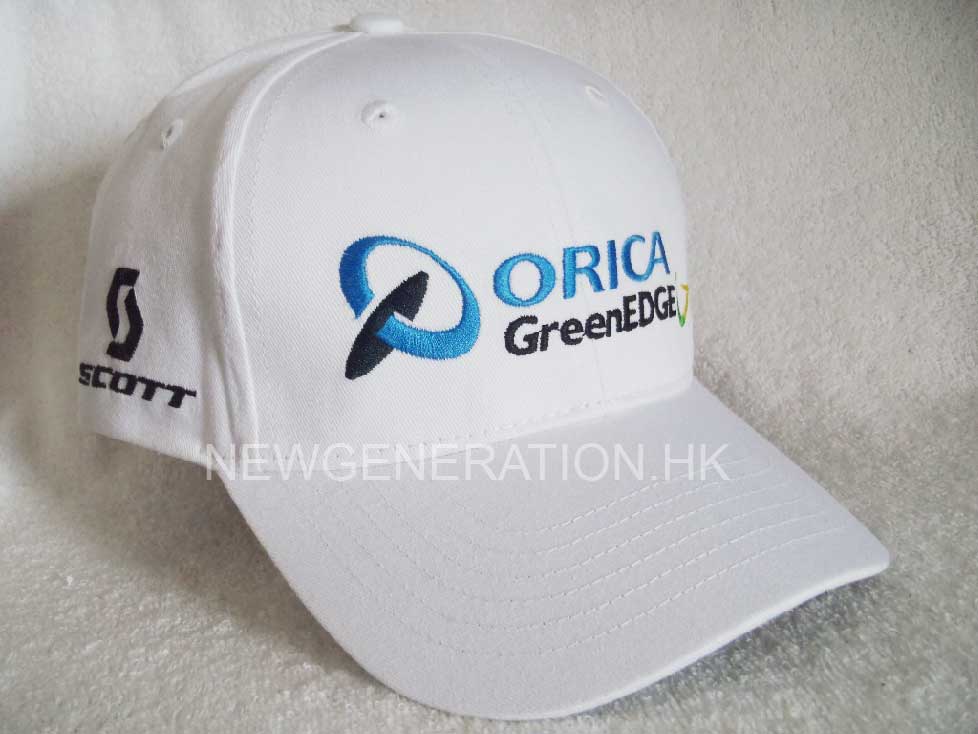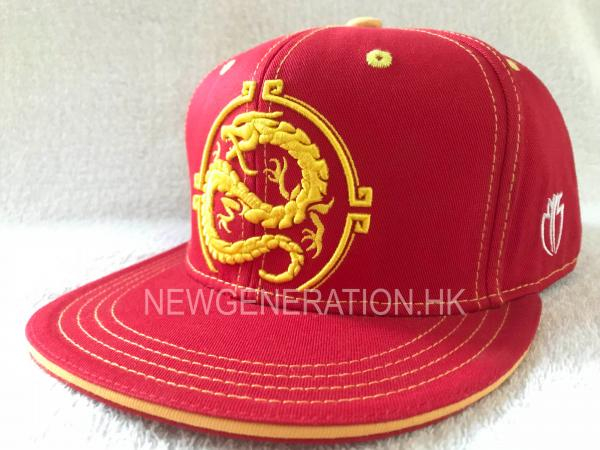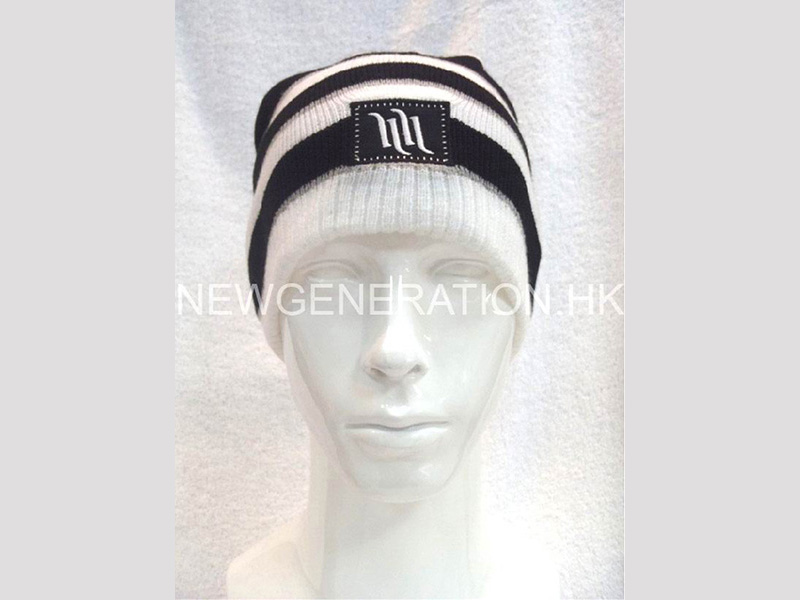


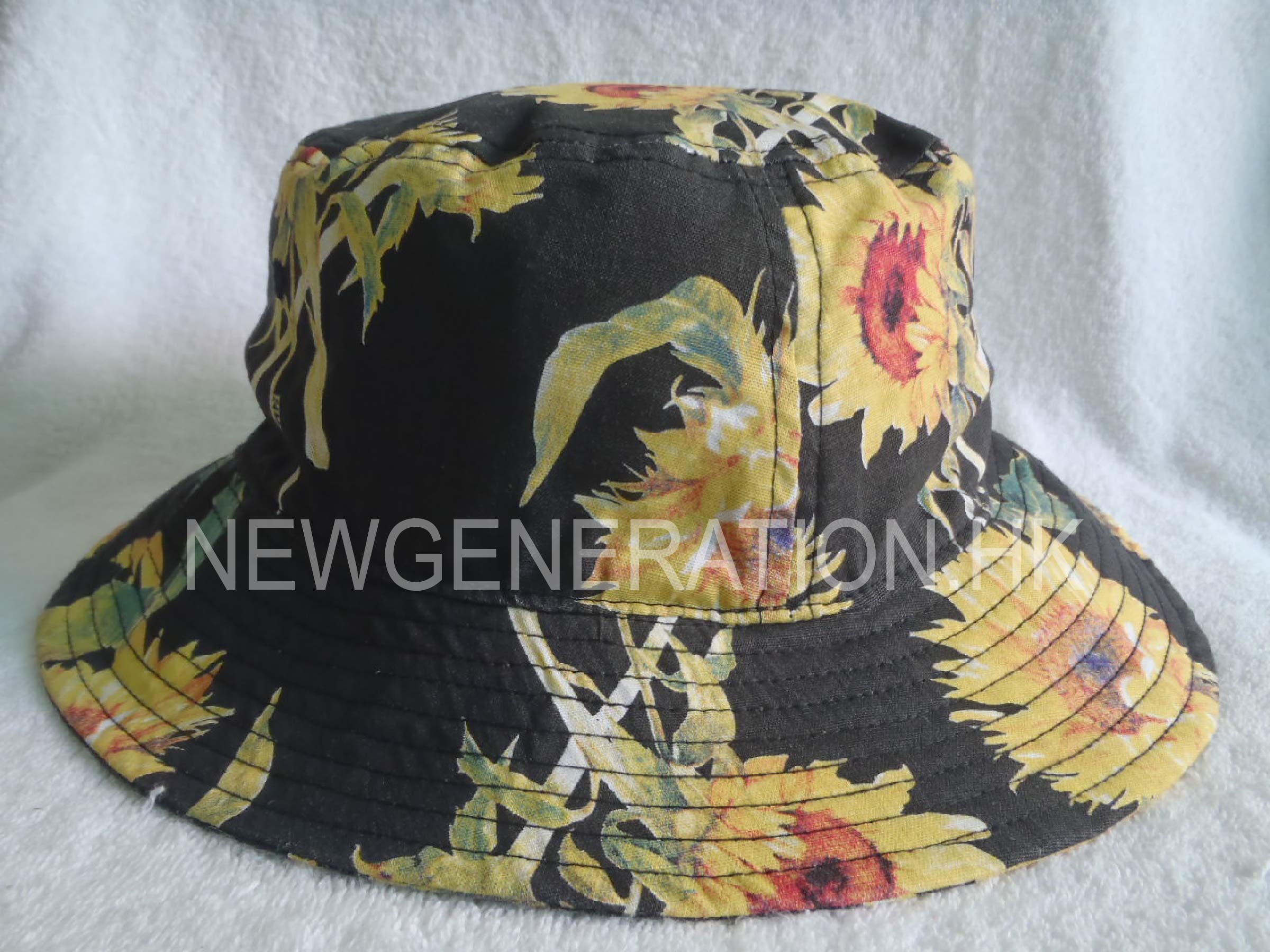
Anyone sourcing custom headwear for the first time quickly realizes the search term "cap manufacturers" pulls up a mess of results. You get everything from blank-stock wholesalers in Los Angeles to promotional product decorators who don't actually cut and sew a single hat. Real cap manufacturers run their own production lines. They own the cutting tables, the embroidery machines, the steaming and blocking equipment. The distinction matters because every middleman between you and the factory floor adds markup, lead time, and communication friction.
I learned this the hard way. In September 2014, a buyer for a Midwest collegiate apparel brand sat across from me at a trade show in Salt Lake City, frustrated. He'd ordered 5,000 structured snapbacks from a "manufacturer" that turned out to be a decorator buying blanks from a factory two states away. Embroidery registration was off-center on 18% of the units. The decorator blamed the blank supplier. The blank supplier never spoke to the buyer directly. Nobody took responsibility. That conversation stuck with me, and it's why we built our own cut-and-sew operation rather than playing the pass-through game.
This article lists seven cap manufacturing brands that solve that exact problem—direct factory access, accountable production, no runaround. If you're sourcing for a brand, a team, or a merch program, this is the shortlist I'd hand you in person.
---
How to Actually Compare Cap Manufacturers Before You Ask for Pricing
A legitimate cap manufacturer does three things under one roof: fabric cutting, panel sewing, and at least one decoration method—embroidery, screen printing, or heat transfer. If a company can't show you photos of their cutting room floor, they're likely sourcing blanks and decorating on top.
That doesn't make them useless. Decorators serve a real purpose for low-volume orders under 72 pieces. But they aren't cap manufacturers, and calling them that is where budgets get burned.
The evaluation framework I use with every client breaks into six checkpoints:
1. Minimum order quantity (MOQ) – True manufacturers typically require 100–300 units per style, sometimes dropping to 50 for stock fabrics. Decorators may go down to 12, but the per-unit cost nearly doubles.
2. Lead time reliability – Domestic U.S. cut-and-sew shops run 3–5 weeks. Offshore production from Vietnam, Bangladesh, or China averages 4–8 weeks plus freight. Any factory promising 7-day turnaround on custom cut-and-sew is lying or you've misunderstood what they're actually making.
3. Decoration method breadth – Flat embroidery, 3D puff, screen print, heat transfer, woven patch, and direct-to-film (DTF) each have different setup costs and durability profiles. A factory that only offers embroidery isn't equipped for high-detail photographic prints.
4. Material range – Cotton twill, brushed cotton, performance polyester, recycled PET, wool blends, mesh back, corduroy, denim. Ask for a material swatch book before you commit to a production run. In 2019, a Texas-based auto dealership group ordered 8,000 brushed cotton dad caps from us, only to discover their preferred khaki shade had a green undertone under fluorescent showroom lights. Swatch approvals caught it before cutting started.
5. Quality control gates – At minimum, a manufacturer should inspect fabric upon receiving, inspect 10% of units after sewing, and do a final audit before packing. If they can't describe their QC process in 90 seconds on a call, they don't have one.
6. Domestic vs. offshore production – U.S. factories offer speed and simpler logistics. Offshore factories offer cost advantages that can hit 40-60% on labor-intensive styles like 5-panel camp caps with multiple embroideries. The trade-off is freight complexity and the need for a detailed tech pack—no hand-wavey descriptions survive ocean transit.
---
Seven Cap Manufacturing Brands Worth a Call
The list below isn't ranked. Each company serves a different buyer profile. Some manufacture domestically, others offshore. One is ours, and I'll be transparent about that when we get there.
ManufacturerKey StrengthTypical MOQLead TimeBest ForPacific HeadwearU.S.-based production, stock and custom72–144 units3–4 weeksCollegiate, corporate merch, team sportsOtto CapMassive blank inventory, low-minimum custom12–72 units (custom)2–4 weeksSmall brands, event merch, promotional capsMega Cap (Pakistan)Price-competitive cut-and-sew, large runs500+ units6–8 weeksPrivate label brands, retail chainsYupoong / FlexfitPatented flexfit tech, global distribution300+ units (custom)6–10 weeksFashion brands, streetwear, athleticNew Generation (our factory)Offshore custom with low MOQ (50 units), 7-day sampling50 units4–6 weeks + freightStartup brands, Amazon sellers, influencer merchBayside (US Blanks)Union-made in USA, plain stock12 units (blanks)1–2 weeksPromo products distributors, union-required contractsRichardson SportsHigh-profile trucker caps, U.S. and offshore mix72–144 units3–5 weeksOutdoor brands, motorsports, workwear
Pacific Headwear runs production in Kansas and leans hard into the team sports and corporate merch market. Their stock program lets you buy undecorated caps, then add embroidery or screen print locally. Otto Cap solves the opposite problem—low minimums, fast turnaround, and a catalog deep enough to overwhelm a first-time buyer. They're closer to a decorator-manufacturer hybrid than a pure factory, but their pricing reflects that efficiency.
Mega Cap and Yupoong represent the offshore scale play. Mega's Pakistan facility churns out structured cotton twill caps at a price point that domestic factories simply cannot touch. Yupoong's Flexfit technology—the stretchy fitted cap with no closure—is a genuine manufacturing innovation that created entire product categories in the streetwear market. If your brand lives in that aesthetic, Yupoong is the reference standard.
Our operation at New Generation sits in a gap we kept encountering from 2015 onward: buyers who needed factory-direct pricing and customization, but couldn't hit the 300–500 unit minimums that most offshore manufacturers demanded. We dropped the MOQ to 50 units per style, kept a 7-day sample turnaround, and built a material library covering 200+ fabric options. A typical client is an Amazon seller launching their first branded dad cap line—they need 150 units across three colors, custom woven labels, and a price that leaves room for FBA fees. That's the lane we built this factory to serve.
Bayside is the wildcard. If you have a government contract or a unionized workforce that requires Made in USA certifications, Bayside is one of the few remaining cut-and-sew operations that qualifies. They're not fast and they're not cheap, but their compliance paperwork is ironclad.
---
How to Vet a Cap Manufacturer in Under 30 Minutes
Before you request a single sample, get on a video call. Ask them to walk the camera through the production floor—not a polished marketing video, but a real-time phone camera sweep. You're looking for fabric rolls stacked on the cutting table, embroidery machines running, finished caps being packed. If they won't do this, you're talking to a trading company, not a manufacturer.
Questions that separate competent factories from chaos:
- "What embroidery machines do you run?" Tajima and Barudan are industry standard. Generic "multi-head embroidery machines" without a brand name means they're running equipment they don't want you to see.
- "What's your stitch density range on structured caps?" A standard flat embroidery runs 8,000–12,000 stitches for a 2.5-inch logo. Below that, the design looks sparse. Above 15,000 on unstructured fabric, you risk puckering.
- "How do you handle color matching across different materials?" A factory with in-house dye-sublimation or access to a Pantone-matching supplier will give you a swatch book. A factory that says "close enough" will give you 5,000 caps in the wrong shade of navy.
- "Show me three recent clients you run repeat orders with." If they can't name names—even generally, like "a Midwest promotional products distributor with quarterly 2,000-unit orders"—they aren't retaining business.
Red flags include refusing to provide a factory address, quoting lead times without asking about decoration complexity, and pricing that's 30% below every other quote. I watched a competitor in 2022 quote an influencer brand $2.85 per cap FOB for structured cotton twill with 3D puff embroidery. At that price, the math doesn't close unless they're substituting fabric weight, reducing stitch count, or both. The brand discovered the issue when caps arrived and the puff embroidery collapsed after one wash.
---
Choosing Manufacturing Based on Your Business Model
Different business structures demand different production partners. Getting this wrong is expensive.
Startup brands under $50K annual revenue usually need offshore production with low MOQ and no tooling fees for custom labels. The unit economics on 100 caps ordered domestically at $8–12 each leaves almost no margin for customer acquisition. Offshore at $3–5 each creates breathing room. Corporate merch buyers should prioritize reliability over unit cost. A Fortune 500 company ordering caps for an employee appreciation event doesn't care if the cap costs $6 or $9. They care that 2,000 units arrive boxed and labeled four days before the event. Domestic manufacturers win here because freight delays don't kill the timeline. Amazon sellers face a unique constraint: return rates. A cap that fits differently than the size chart suggests will generate returns that destroy FBA profitability. I've found that unstructured, adjustable closure caps (dad hats, basically) produce significantly lower return rates than structured fitted caps when sold online. The fit is more forgiving, and the customer expectation is more casual. Sports teams and leagues buying 200-500 units seasonally need fast re-order capability and exact color matching from season to season. Build a relationship with one manufacturer and stick with them. Switching factories every order cycle means the shade of team green drifts. Retail fashion labels doing seasonal collections should work with a manufacturer that can produce 3-5 sample variations in 10 days, not 30. Speed at the sampling stage matters more than speed at production.
---
The Most Common Sourcing Mistake I See (and Some Related Ones)
Choosing a manufacturer based on the lowest quote.
In March 2018, a startup founder sent me his costing sheet for comparison. He'd sourced 3,000 unstructured caps at $1.95 each FOB from a factory in Bangladesh. The per-unit price looked like genius-level negotiation. Then he sent photos of what arrived: brim curvature varied cap to cap, sweatband material was so thin it deformed after two wears, and the embroidered logo had different registration placement across three different head sizes. He liquidated the entire batch at $4 per cap on a street corner during a music festival in Austin. He netted less than zero after freight, storage, and his time.
Cap sourcing has a cost curve with a sharp right tail. Below a certain price point—roughly $2.50 FOB for structured cotton, $1.80 for unstructured—every dollar saved on the front end adds three dollars of downstream cost in returns, chargebacks, and brand damage.
Other recurring errors: not requesting a pre-production sample (a must for any order over 200 units), assuming all "cotton" is the same weight and finish, and designing embroidery files at home without consulting the factory's digitizer. That last one sounds technical but it's practical—what looks clean on a flat computer screen doesn't always translate to thread on a curved cap crown. We digitize in-house now specifically because outside digitizers kept producing files that our machines couldn't run efficiently.
---
One final note that doesn't fit neatly into any section above. When we surveyed 140 repeat buyers in January 2024, the number-one factor in choosing to reorder from a manufacturer wasn't price, lead time, or even quality—it was whether the manufacturer flagged potential problems before production started. Catching fabric shade variance, embroidery registration issues, or packaging damage risks proactively. That habit is hard to find and hard to fake. When you find a factory that does it, keep them.