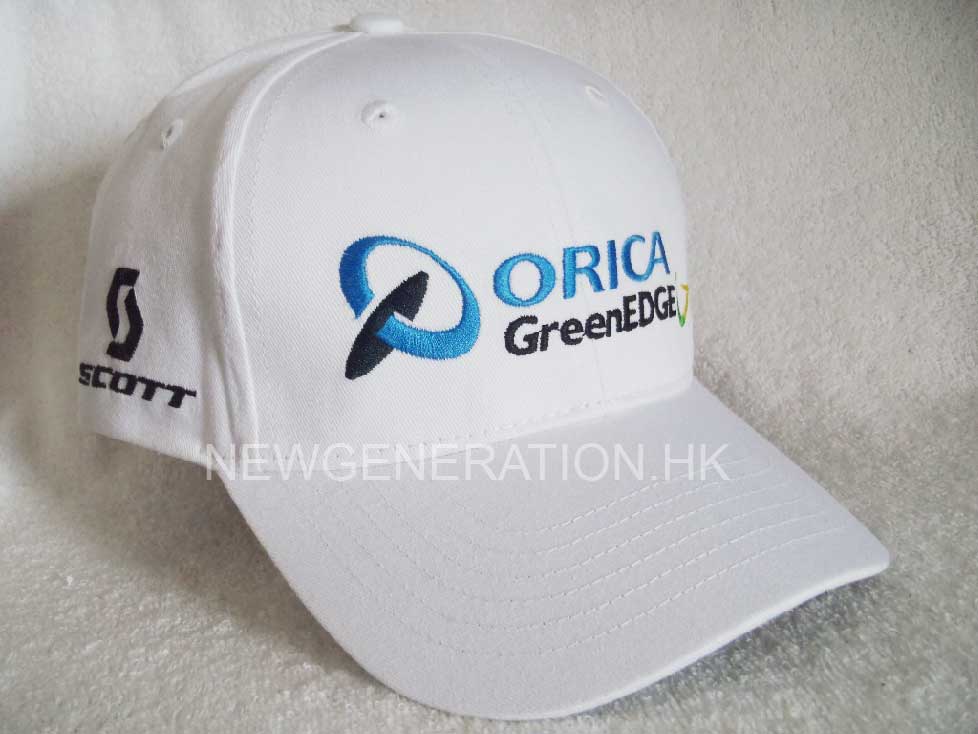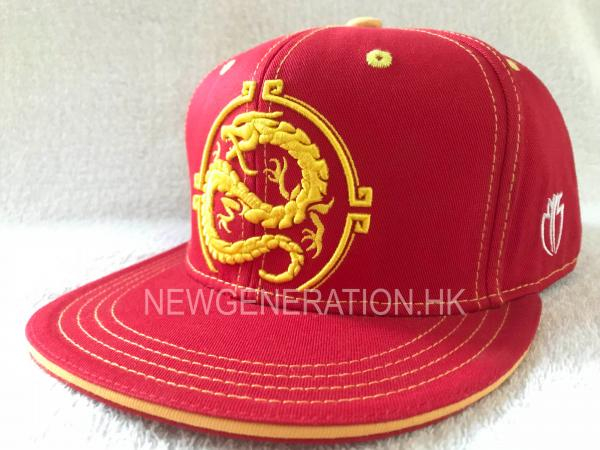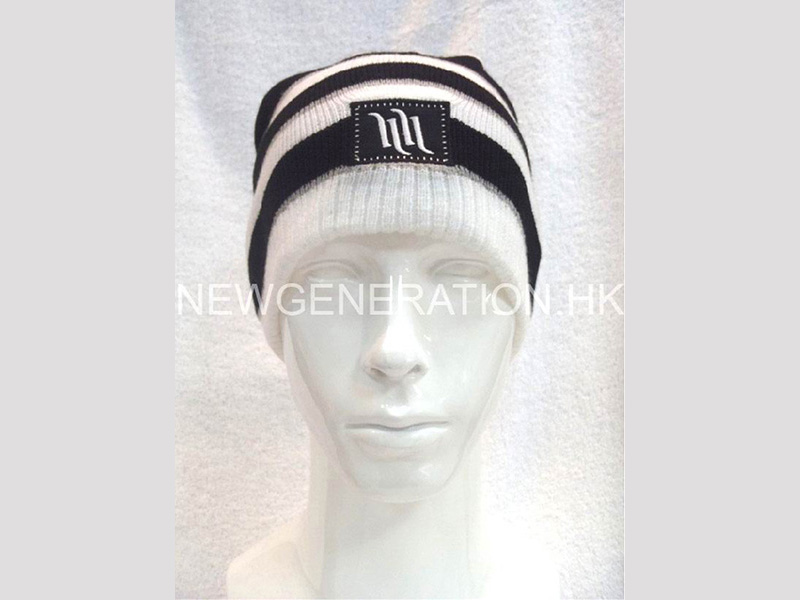



When you hold a structured dad hat, a moisture-wicking snapback, or a limited-edition collaboration cap, you rarely think about the supply chain that put it in your hand. But at our cap factory, we’ve spent 17 years obsessing over exactly that — from the first sketch to the final embroidered piece landing in a Los Angeles fulfillment center. What started in 2008 as a small sampling studio in Shenzhen, funneling orders through Hong Kong trading offices, has become a direct-to-brand manufacturing operation running 50,000 units a month across structured, unstructured, knit, and performance headwear. The shift wasn’t just geographical. It was a complete rethinking of how a Chinese cap factory earns its seat at the table with US lifestyle brands.
Let’s talk about the actual numbers on a B2B purchase order. A trading company or regional broker quotes you $2.10 FOB. It looks great on a spreadsheet. Then the container sits baking in the sun at the port of Long Beach for 12 days because someone screwed up the textile fiber percentage breakdown on the customs invoice. The stiffening buckram warps, the adhesive degrades, and your retail launch window slams shut. Who writes the check for that loss? Not the broker.
Fast-fashion micro-trends don't wait for three layers of intermediaries to wake up.
Stop Buying From Hong Kong Middlemen: Why We Put Our Tech Desk in Texas
Every brand manager thinks apparel supply chains are just about finding cheap labor. They're wrong. The thin margins swallowed by traditional Hong Kong brokers left zero capital for the strict laboratory testing needed to clear modern customs. US buyers began demanding absolute compliance with US 16 CFR Part 1303 (lead limits in surface coatings) and CPSIA protocols. Simultaneously, European labels introduced rigid REACH declarations regarding azo colorants and heavy metals. Trading companies simply guessed; we had to know.
When brokers ran our shipments back in 2016, it was a nightmare. Our batch defect rate crawled up to 4.7% and nobody took responsibility. A signed PO took 37 agonizing days just to hit the port.
So we broke the system.
In 2019, we set up our own client support team in Austin, Texas. No more brokers. We linked our sewing operators directly to Western design rooms. By 2022, our repeat order turnaround dropped straight to 18 days. Our third-party inspection pass rate hit 99.2% under strict AQL 2.5 rules. We didn't pull these numbers from a marketing deck—they're stripped right out of our live ERP database tracking 2,400 raw shipments worldwide.
How We Stop Custom Headwear Orders From Falling Apart in Transit
Go to MAGIC in Las Vegas or OutDoor by ISPO in Munich. Sourcing directors all complain about the exact same three bottlenecks: unviable Minimum Order Quantities (MOQs), fake eco-friendly certificates, and physical samples that show up three weeks too late.
We rebuilt our sample room to stop that lag. Our team takes your Adobe Illustrator tech pack or a raw Procreate sketch, runs a digital pattern through our software, and outputs a technical CAD profile within 4 hours. Once you clear it, the physical prototype is stitched on a dedicated single-needle sample line and shipped via DHL within 48 hours. In 2024, 73% of our new US accounts placed their first production order within 7 days of touching that first physical sample from our custom cap production line. That speed lets brands test designs via Instagram Stories drops, not seasonal buys.
Material compliance is where most brands get blindsided at the border. We cut off every single uncertified fabric mill back in 2021. Right now, 38% of everything we stitch uses traceable, genuine REPREVE® recycled polyester, heading to a hard 60% lock by Q3 2026. If your current supplier hesitates when you ask for raw Oeko-Tex sheets or chemical wash audits, they're hiding something. You can view our entire unedited raw data on our sustainability profile.
The Real Story Behind a London Streetwear Applique Failure: I remember the panic in a London production manager's voice when he called me on a Friday night. His entire container was held at UK customs over uncertified dye fixatives from his old supplier. But the real disaster was the design itself. They tried to slap a massive, 11,000-stitch 3D puff embroidery crest onto a heavy 12oz washed organic cotton canvas dad hat. The previous factory didn't even bother pre-shrinking the canvas rolls before cutting. The moment those caps hit the post-assembly enzyme wash at 90°C, the organic cotton panels shrank by 6% while the stiff polyester embroidery thread didn't budge an inch. The crowns warped into wrinkled prunes. The manager admitted they hesitated for days, wondering if they should just iron them out and pray. We told them it was dead stock. We took over the SKU, forced a mandatory steam-pre-shrinking run through our fabric stabilizers, and ran dual-layer water-soluble backings under our Tajima needles. We hit their exact Pantone color via a digital spectrophotometer (Delta E ≤ 1.2) under D65 light boxes. We got 4,000 flawless, flat units through UK customs on the first try. They pulled their whole seasonal account from their old supplier and handed it to our cap factory that winter.
A technical outdoor brand out of Munich, Germany, dumped their regional partner among overseas cap manufacturers because they got caught using fake Global Recycled Standard (GRS) claims on laser-perforated 5-panel caps. The factory couldn't produce valid Transaction Certificates (TC) for the actual material lot. Under strict German consumer laws, marketing those as "recycled" on their e-commerce store would have triggered massive legal fines. They were terrified of a public PR disaster. We stepped in with 75gsm ultra-lightweight recycled nylon, handed over the fully audited chain-of-custody TCs for every single material lot before we even loaded the container, and saved their EU product launch without a single regulatory hiccup.
The €15,000 Warehouse Disaster (Nordic Shell Case Study): Look at what happened to Nordic Shell, a streetwear brand based in Copenhagen, Denmark. They sourced 2,000 retro trucker hats from a cut-rate supplier to save a few pennies per unit. That factory cut corners by inserting cheap, unverified PE plastic boards into the visors. The hats looked crisp when they landed, so Nordic Shell stacked them away in a German distribution warehouse. Three months later, standard ambient humidity and stacking pressure did their work—the low-grade plastic visors completely warped and curled on their own inside the boxes. The entire 2,000-unit batch became unsellable garbage. When Nordic Shell fired off a €15,000 compensation claim for dead inventory and wasted air freight, the factory’s official email reply was an absolute joke: "This is normal weather impact, not a manufacturing defect." Nordic Shell severed the contract that afternoon and transferred their entire development desk to our factory within 48 hours. We now stamp out every single one of their visor inserts using recycled high-density polyethylene (HDPE) blanks that hold perfect flat structural memory up to 85°C. That is how a real cap factory protects a brand from warehouse disasters.
The French Alpine Running Cap Disaster (Chamonix Tech Case Study): Let’s look at high-performance technical gear where brokers completely lose control of engineering tolerances. A premium trail-running label out of Annecy, France—Chamonix Tech—contracted a middleman who promised top-tier laser-cutting for a lightweight mesh panel running cap. The broker subcontracted a cheap workshop that ran the laser-perforation grid too fast with an uncalibrated focal lens, meaning the heat didn’t fully melt the perimeter nylon fibers. Worse, instead of a structural polyurethane (TPU) heat-seal film for the inner seam tape, they substituted a standard low-temp EVA adhesive mesh to trim production costs. Three weeks into their summer retail rollout, runners in Chamonix began sweating heavily into the caps. The combination of salt, friction, and standard laundry cycles emulsified the cheap EVA adhesive. The seam tape completely peeled away, and the unsealed laser-cut ventilation holes started fraying and unravelling into loose threads. They faced a 24% product return rate and a flood of angry, 1-star reviews on Trustpilot destroying their technical credibility. The broker told them to "just send out glue repair kits to buyers." Chamonix Tech canceled their winter line, flew their head of sourcing directly to our facility, and we rescued the project. We recut the panels using a sealed ultra-short-pulse laser machine, switched their seam welding to an industrial 3-layer high-temp TPU hot-melt film tape, and ran ultrasonic fabric edge-bonding. The technical caps now survive 50 consecutive commercial machine wash cycles without a single millimeter of delamination. That is the engineering difference between an actual cap factory and a middleman spreadsheet.
The Small Production Flaws That Trigger $100K+ in Retail Chargebacks
A cap isn't a simple promotional giveaway; it's a highly regulated garment that sits directly against human skin. One activewear label lost $140,000 in retail chargebacks because their previous partner among generic cap manufacturers used zinc-alloy buckles that leaked nickel way past California Proposition 65 thresholds. Another lifestyle startup faced a brutal 19% e-commerce return rate simply because their sizing blocks were graded for Asian market head shapes, causing intense temporal pinching on Western consumers.
-
Labeling Blunders: US customs will freeze an entire container if your permanent English country-of-origin labels lack a valid RN number. For Europe, if your localized textile fiber disclosures don't match the exact legal language of the target country, your goods stay locked in a port warehouse.
-
Mismatched Dye Lots: Dyeing a 100% cotton front panel to match a polyester mesh back on a trucker hat is notoriously difficult. Untrained cap manufacturers just eyeball it. We enforce a digital spectrophotometer tolerance limit of Delta E ≤ 1.5 across all lots so the hues stay unified under both retail spotlights and bright daylight.
-
Fulfillment Surcharges: We pack everything in polybags with pre-printed, multi-language suffocation warnings meeting California S.B. 2500 rules, complete with custom barcodes synced straight to your 3PL’s warehouse management system (WMS). This cuts out the 3% manual sorting penalties major Western fulfillment hubs slap you with.
Raw Quality Benchmarks You Need to Force Your Supplier to Meet
We had to rebuild our internal testing laboratory from scratch years ago after a batch of brass eyelets failed a basic moisture-corrosion test and ruined an entire production run. We don't guess anymore. Any reliable cap factory must provide live, documented verification of these exact metrics:
| Quality Parameter | Our Factory Standard | Standard Sourcing Intermediary Average |
|---|---|---|
| Inline Quality Audits | Every 200 units per active sewing line | Once every 1,000 units completed |
| Final Batch Acceptance (AQL) | 2.5 Major / 0.65 Critical Defects Allowed | 4.0 Major / 1.5 Critical Defects Allowed |
| Dye Lot Color Variance | Delta E ≤ 1.5 (Strict D65 lighting verified) | Delta E ≤ 3.0 (Visual assessment only) |
| Metal Trim Chemical Testing | < 0.5 μg/cm²/week Nickel release verified | Typically unchecked until flagged by customs |
You can track our live batch reports and daily inspection logs on our dedicated quality control portal.
B2B Headwear Procurement: Actionable Steps for Your Next Production PO
Before you wire a single dollar to overseas cap manufacturers, you need to protect your capital. Review our complete legal and raw material certifications on our compliance dashboard. Make sure you demand clear proof on these four operational steps directly from your supplier's sourcing desk:
- Force Them to Show Lot-Specific Lab Sheets: Don't let a broker wave a generic factory-wide ISO certificate in your face. Demand independent, lot-specific laboratory testing data for chemical compliance on the exact fabric dye lots and metal adjusters allocated to your specific PO. If they stall, they're using unverified stock.
- Test the Sizing on Real Western Fit Blocks: This is a massive trap. Many overseas cap manufacturers still use local market head forms, which causes severe temporal pinching when worn by Western consumers. Insist on a pre-production sample stitched specifically to a 58cm adult unisex profile, or watch your e-commerce return rates skyrocket to 20%.
- Put Hard AQL Limits Straight into the Binding Contract: Verbal promises of "premium retail quality" mean absolute garbage when a container of warped visors lands at your warehouse. Spell out your exact major and critical defect tolerances directly on the face of the purchase order.
- Pre-Audit the Box Specs and Label Laws: Cross-check your destination market's fulfillment mandates—like localized plastic suffocation scripts or specific carton dimensions required by Amazon or your 3PL network—with the shipping department before they tape up the final master cartons. Fixing this post-shipping will cost you thousands in manual sorting fees.
We run our entire setup as an open-book cap factory operation, allowing brands to audit our floors via live feeds.
Before next Tuesday, open the warehouse photos of your last inventory batch. Look closely at the brims. If they're warping, you already know exactly who you need to call.