

In the headwear industry, miscommunication is the silent killer of margins. Hat tech packs fix this—slashing first-sample errors by 60% and turning chaotic design handoffs into a precise, repeatable manufacturing process.
Why Cap Factories Keep Missing Deadlines
The majority of delays in snapback manufacturing don't happen on the sewing line; they happen in the "interpretation phase." When a brand sends a flat mockup without structural specs, the factory manager is forced to make executive decisions on your behalf regarding buckram stiffness or stitch density.
The Cost of Guesswork: A 2026 supply chain benchmark found that 45% of small-batch runs require expensive re-sampling due to vague documentation. Each revision cycle doesn't just cost $1,200–$3,000 in freight and materials—it costs you weeks of retail relevance. We’ve seen brands miss the entire "back-to-school" window because a brim curve was misinterpreted twice.
The root cause is almost always unstructured workflows. If your "final" artwork lives in an email, but your fabric notes are in a WhatsApp chat, version control is nonexistent. A professional tech pack acts as the Single Source of Truth, ensuring that the hat you designed is the same one that arrives in the container.
Beyond the Design Sheet: Engineering the Perfect Cap
Leading snapback manufacturers now treat tech packs as mandatory blueprints. It’s no longer about "prettier visuals"—it's about engineering-grade instructions that leave zero room for error.
| Feature Spec | Impact on Production |
|---|---|
| Brim Curvature (mm Arc) | Ensures consistent "snap" and shape across 10,000+ units. |
| SPI (Stitches Per Inch) | Prevents seam puckering and maintains structural integrity. |
| Fabric GSM Limits | Eliminates post-wash shrinkage and panel collapsing. |
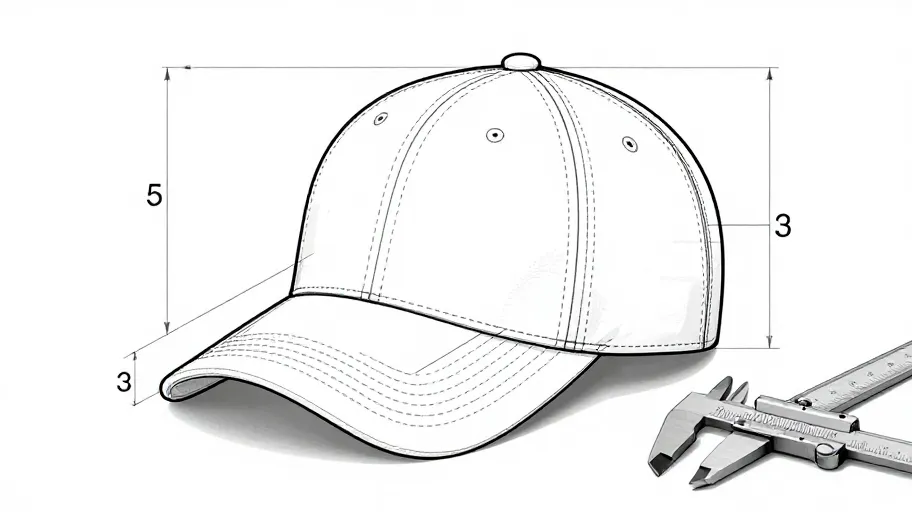
One premium streetwear label reduced their sampling phase from four rounds to just one after adopting full hat tech packs. By defining tolerances (±5% on fabric weight) and specifying exact thread Pantone codes, they launched their collection 21 days ahead of schedule. When every measurement—from eyelet placement to crown height—is locked in, quality replicates effortlessly across different factory lines.
3 Steps to Faster Production Approval
Transitioning to a standardized documentation system can move your concept to the production floor in under 10 days. For mid-sized brands, this operational speed translates to roughly $8,000 in early-to-market revenue per launch.
- Audit the Handoff: If your team uses more than two platforms (e.g., Slack + Email) to send one design, you have a 60% higher risk of sample errors.
- Specify the "Internals": Don't just show the logo. Define the buckram weight, the sweatband material, and the interior taping specs. These are the details that separate a $5 cap from a $45 premium snapback.
- Centralize Version Control: Ensure your cap manufacturers china are looking at the exact same PDF timestamp as your design team to avoid "old file" production mistakes.
Tech packs aren't overhead; they are a strategic tool for margin growth. As on-demand production grows, having machine-readable, structured specs positions your brand to scale without hiring a massive production team. Document with intent, and you’ll outpace everyone still relying on napkin sketches.
#cap manufacturers china, #headwear manufacturers china, #hat tech pack