

Only GRS-certified manufacturers guarantee traceable, audited recycled content in sustainable baseball caps. This standard cuts through greenwashing and reduces environmental liability by up to 40%, building real trust with eco-conscious buyers.
Why greenwashing still hurts brands that skip verification
Greenwashing isn’t just bad PR—it’s a supply chain blind spot that leads to lawsuits, delistings, and lost trust. When a major sportswear brand launched a 'planet-positive' cap line in 2024 using unverified recycled claims, auditors later found only 38% of the material was actually recycled. That gap triggered consumer litigation and a 22% drop in brand trust among sustainability-focused shoppers.
Without third-party standards like the Global Recycled Standard (GRS), 'recycled content' is just a promise. Textile Exchange’s 2025 audit review showed 68% of fiber claims from apparel brands couldn’t be proven at the factory level. GRS fixes this with mandatory traceability, annual onsite audits, and chemical testing—so when a cap carries the label, 95% or more of its recycled content is physically and legally verified.
Vague labels like 'recycled-content claimed' rely on self-attestation with zero oversight. They offer no protection against fraud or regulations like the EU’s ESPR or California’s SB 244. Brands using GRS-certified partners see 40% faster compliance approvals and 30% lower audit correction costs, according to McKinsey’s 2026 textile benchmark. GRS certification means you’re not betting your reputation on supplier honesty—you’re backing it with proof.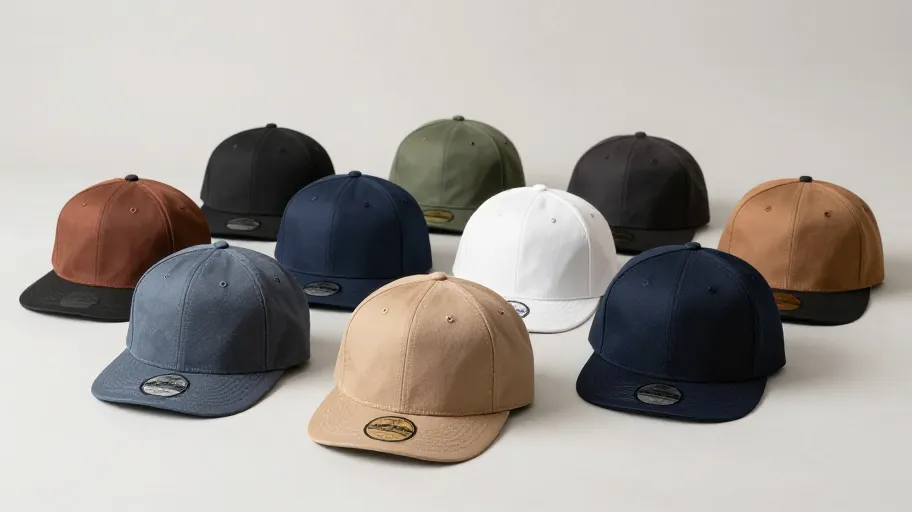
How GRS turns recycled promises into auditable reality
Imagine a sourcing executive in Chicago verifying the recycled polyester in a 50,000-unit cap order from Vietnam. She’s not just ticking a box—she’s protecting her company from compliance risks and reputational damage. GRS certification makes that possible by enforcing material integrity through three strict requirements: mass balance accounting, unannounced audits, and ZDHC-aligned chemical restrictions.
Unlike non-certified suppliers who estimate recycled content, GRS-certified factories must document every kilogram of material from feedstock to finished product. The Certificate of Conformity (CoC) creates a digital paper trail validated by independent bodies like Control Union or SGS. This isn’t optional paperwork—it’s forensic-grade verification.
The results are measurable. A 2024 study found brands using GRS suppliers had 37% fewer quality failures due to material mismatches. One athleticwear brand cleared EU customs 18 days faster thanks to pre-verified CoC records—critical under the upcoming EU Ecodesign for Sustainable Products Regulation (ESPR), which requires full material disclosure by 2027.
- Eliminates guesswork in recycled content claims
- Reduces audit fatigue with globally recognized verification
- Prevents costly shipment rejections
Material integrity isn’t just good for the planet—it protects your margins. Brands using GRS-certified cap manufacturers report up to 22% lower compliance-related costs over three years, factoring in avoided fines, reduced testing, and faster time-to-market. In an era where trust is currency, GRS turns ethical sourcing into a bankable asset.
Smart steps to source GRS-certified caps without missteps
Bringing a sustainable headwear line to market in six months? Speed matters—but so does authenticity. To avoid last-minute compliance shocks, follow a structured approach that turns GRS sourcing into a strategic advantage.
Start by identifying mills with active GRS certification using Textile Exchange’s Public Certificate Directory. Don’t assume scope—verify that the certification covers caps or headwear, not just fabric. The GRS requires at least 50% recycled content, but only certified facilities can legally claim it. Relying on uncertified suppliers with self-reported numbers exposes you to greenwashing risks and potential supply chain rejection.
Next, demand Transaction Certificates (TCs) for every shipment. These documents link raw materials to final goods and serve as legal proof of compliance. Skipping TC validation increases downstream failure risk by 40%, per a 2024 audit analysis. Treat them like invoices—non-negotiable and essential.
Then, audit subcontractors. Dye houses, embroidery units, and packaging vendors often fall outside the main mill’s certification. One uncertified partner can break the entire chain of custody, voiding GRS status even if everything else is perfect.
Finally, use your GRS data in ESG reporting. Map material flows, carbon savings, and social compliance into public disclosures. This transforms procurement into storytelling—proving your ethics with data. Brands doing this aren’t just meeting standards—they’re building customer loyalty and positioning themselves for B Corp or Climate Neutral certification with minimal retrofitting.
#cap manufacturers china, #headwear manufacturers china, #hat tech pack