


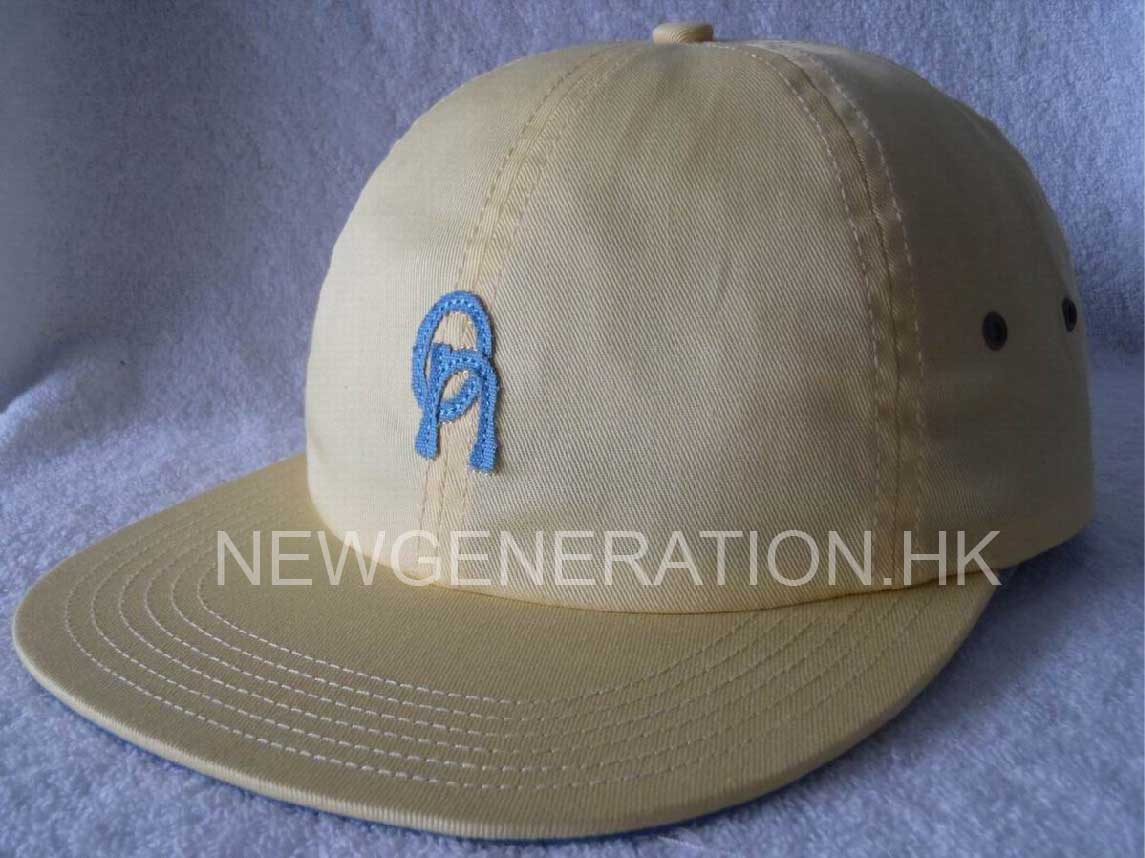
UK streetwear brands are cutting launch costs by up to 70% by partnering directly with agile Chinese cap manufacturers offering MOQs as low as 50 units. This operational shift enables rapid sample testing, smarter production scaling, and real-time design iterations without upfront capital drains.
Why Traditional Cap Manufacturing Fails UK Streetwear Startups
High minimum order quantities (MOQs) from legacy suppliers force emerging UK streetwear startups into major financial risk before launching. Demanding a commitment of 1,000 units per design acts as a massive gamble on untested styles. Industry benchmarks show global headwear MOQs routinely exceed this threshold, locking out independent labels that lack warehouse infrastructure or massive liquidity.
Overproduction remains a leading cause of startup failure in the apparel sector, with many brands tying up critical cash flow in static inventory. When viral traction or distribution stalls, excess stock immediately halts a brand's growth momentum.
The solution lies in the modular workflows implemented by a modern cap factory. By batching micro-orders, utilizing shared fabric pools, and deploying automated digital embroidery systems, advanced facilities hit low MOQs without compromising technical quality. Production audits indicate that modular setups reduce material waste by up to 40%, converting overstock risks into scalable, data-driven validation.
As a result, brands can deploy multiple distinct designs across smaller batches rather than placing a single high-risk bet. This framework shifts the apparel model from market speculation to direct consumer response.
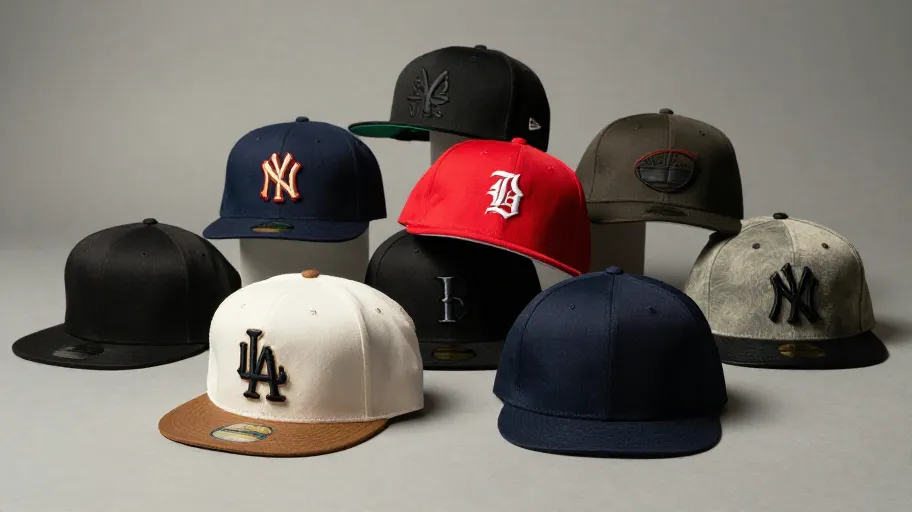
How Modular Production Lines Enable Low MOQ Custom Snapbacks
Advanced production configurations in manufacturing hubs like Dongguan and Shenzhen have changed the rule that volume dictates market access. These flexible production lines allow UK labels to source custom snapbacks at 50-unit volumes while preserving premium retail finishings.
Optimized changeover times are key to this flexibility. Shared material streams, standardized buckram inserts, and pre-mapped digital embroidery layouts reduce setup friction by 60%. Modifying a structured six-panel snapback to a flat-bill hybrid requires hours instead of days. For a fast-turnaround clothing brand, this cuts time-to-market by 30%, capturing immediate seasonal trends ahead of competitors tied to traditional bulk timelines.
Low minimum orders do not imply reduced craftsmanship. Every cap adheres to precise stitch-per-inch standards (SPI ≥ 12) verified via rigorous inline quality control. Destructive tensile testing confirms consistent seam strength across both micro-runs and large-scale bulk orders, proving that modular systems optimize efficiency rather than cutting structural corners.
This structural agility allows brands to operate with a lean, iterative strategy: launch a targeted drop, collect real-world market feedback, and refine the subsequent production run within a matter of weeks.
From Prototype to Pop-Up: Launching a UK Brand in 6 Weeks
Deploying a responsive apparel brand within a six-week window is fully achievable by combining low-MOQ production capabilities with streamlined Delivered Duty Paid (DDP) logistics. A standard timeline breaks down cleanly: 7 days for technical file finalization, immediate sample approval, 21 days for main production, and 14 days for direct DDP freight to the UK distribution point.
Working with a trusted cap factory that handles integrated DDP shipping removes customs friction, clearance delays, and hidden import surcharges. This clarity simplifies margin forecasting. Furthermore, supply chain data shows the historical per-unit price premium for small-batch manufacturing has dropped significantly, meaning lower volumes no longer demand prohibitive capital risk.
This optimized operational model provides specific strategic advantages for brands negotiating with global cap manufacturers:
- Rapid prototyping allows brands to validate physical designs directly with target consumers.
- Low production minimums enable consistent monthly product drops without inventory accumulation.
- Integrated DDP shipping guarantees clear landed cost structures, protecting cash flow predictability.
By executing short production cycles, brands protect their financial liquidity while maintaining the agility to pivot into high-performing styles as market trends shift.








