


The Quiet Migration to Under-the-Radar Cap Manufacturers
Walk any trade show floor these days and you’ll hear the same whispers. Big brands, the ones you’d expect to lock in with the usual mega-suppliers, are quietly shifting a chunk of their volume to cap manufacturers nobody’s ever heard of. I’m not talking about fly‑by‑night operations with a handful of embroidery machines. These are nimble, mid‑size cap factory teams that spent the last decade building serious production muscle — just without the marketing budget to match.
Why the change? Two things happened at once. First, the container crisis and post‑pandemic demand spikes made the giant, 10,000‑worker plants look less like fortresses and more like bottlenecks. Second, consumer expectations flipped. A brand can’t survive on one cap style in 12 colors anymore. They need five new drops a season, each with custom trims, sustainable fabrics, and a story. Legacy factories optimized for million‑unit runs don’t pivot well. An under‑the‑radar cap factory that lives and dies on flexibility? That’s where the action is.
The numbers back this up. The global custom headwear market sat at roughly $8.6 billion in 2023 (Grand View Research), and the volume coming from small and mid‑size cap manufacturers has outpaced the overall growth rate by nearly four percentage points since 2020. When you see a $200M activewear brand sourcing 40% of its headwear from factories most buyers have never Googled, it’s not a fluke — it’s a strategy.
These niche suppliers bring a different kind of value. MOQs routinely land between 50 and 200 units per design, not 1,000. Lead times can compress to two weeks instead of six. And because the owner often still walks the floor every morning, changes in thread color or brim curvature get decided in minutes, not days. That’s not “cheaper.” That’s structurally faster.
How We Separate Winning Cap Factories from the Rest
After 15 years running a dedicated cap factory ourselves, we’ve learned the hard way what to look for when vetting cap manufacturers — and what’s just noise. A shiny Alibaba gold‑supplier badge tells you nothing about whether the factory can actually deliver on‑spec goods in July. So we built an evaluation framework that lives in a spreadsheet, not a trade show brochure. Here’s the table we share with clients when they’re comparing options — the one we use internally, too.
|
Criterion |
Traditional Tier‑1 Cap Factory |
Under‑the‑Radar Cap Manufacturer |
|---|---|---|
|
Minimum Order Quantity (per design) |
500 – 1,000 units |
50 – 200 units |
|
Customization beyond standard catalog |
Rigid, costly tooling fees |
High — panel‑by‑panel tweaks, unique trims |
|
Sampling turnaround |
10 – 15 business days |
5 – 7 business days (often with digital mock‑ups in 24h) |
|
Communication style |
Account managers with limited technical depth |
Direct line to production head or owner |
|
Sustainability documentation (e.g., Oeko‑Tex, GOTS) |
Polished but often template‑driven |
Requires deeper audit; typically stronger on material traceability |
|
Per‑unit cost at 5,000 units |
Lower, thanks to economies of scale |
Slightly higher (8–12%), offset by inventory savings |
|
Risk during peak season (Q3 back‑to‑school, holiday) |
Prone to overbooking delays |
More predictable if you reserve capacity early |
We don’t pretend the small, hidden cap factory is always the answer. If you need 50,000 identical snapbacks for a stadium giveaway and nothing else, a tier‑one plant will almost certainly beat on price. But for ecommerce brands running weekly drops, testing new silhouettes, or chasing a “made responsibly” story, the matrix skews fast toward the under‑the‑radar players.
One non‑negotiable we drill into every buyer’s head: audit the trims supply chain. Knitted crowns and woven labels are rarely the problem. It’s the metal adjusters, the plastic brim inserts, the custom silicone patches that trip you up. A good cap manufacturer should be able to show you not just its own facility, but the satellite workshops doing anodizing or injection molding — even if those are unmarked. We’ve been burned by a factory that delivered perfect fabric caps with snapbacks that snapped. Literally.
Navigating B2B Visibility Without a Household Name
If these factories are so capable, why are they invisible? Simple. Most under‑the‑radar cap manufacturers operate in places like Shanghai’s Songjiang district or Dongguan’s Humen town, where English‑language marketing isn’t exactly a local pastime. They rely on word‑of‑mouth, a few key distributor relationships, and maybe a dusty listing on a B2B platform that hasn’t been updated since 2019. Meanwhile, the sourcing managers at mid‑size US brands are Googling “custom cap factory USA” — a search that invariably returns stateside decorators, not the production source.
Getting discovered takes deliberate, unglamorous work. We’ve learned to treat trade platforms less as a storefront and more as a credibility layer. A verified profile with real shipment photos, a video walkthrough of the cutting room, and — this matters more than anything — documented compliance with CPSIA and California Prop 65 requirements shifts the conversation immediately. US buyers have been conditioned to see a cap factory profile and think “reseller” unless you prove otherwise.
The platforms that move the needle for us: Alibaba (still the 800‑pound gorilla for discovery), Made‑in‑China, and increasingly the niche industry directories run by trade associations like the Headwear Association. But the actual conversion happens off‑platform. We send prospective clients a pre‑audit packet that includes a sample swatch book, a one‑page map of our stitching sub‑contractors, and recent third‑party lab test results for lead and phthalates on our standard metal closures. No sales copy. Just evidence. That packet alone has a higher close rate than any pitch deck we ever built.
Here’s a trick that smaller cap manufacturers can borrow: publish your material sourcing logic. When the California Air Resources Board tightened carbon market rules last year, it rippled through polyester supply chains — recycled PET chip prices jumped about 7% inside a quarter. Any cap factory that could explain, plainly, why a upcharge was coming and how they were mitigating it with alternative blends kept their customers. Those that sent a terse “price increase” email lost them. Transparency isn’t a soft skill in this business. It’s inventory stability.
The Pitfalls We’ve Helped Clients Avoid
I’ll start with the biggest trap: assuming a low‑price sample from a new cap factory means consistent production. We’ve watched brands order 3,000 units based on a flawless prototype, only to receive caps with brims missing seams, inconsistent crown heights, and sweatbands that curl after one wash. The sample was stitched by the factory’s master craftsman. The bulk order? Run by a third‑shift crew on a different line. The fix is almost dull: specify in the purchase contract that production must use the exact mold and machine setup as the approved pre‑production sample, and pay for an inline inspection at the 30% production mark. It adds maybe $300 in cost and saves a container‑load of heartache.
Another recurring mess: misaligned color expectations. A Pantone TCX number works for most woven fabrics, but when you’re dealing with garment‑dyed cotton caps, the final shade shifts subtly depending on the water pH and drying temperature in the dye house. We now require all cap manufacturers we work with to submit lab‑dip approvals under three light sources — D65 daylight, store fluorescent, and incandescent — before bulk dyeing starts. The number of RMA requests dropped by over half after we made that standard.
Supply chain resilience doesn’t come from finding the cheapest cap factory. It comes from mapping failure points. What happens when the metal snap supplier in Wenzhou goes offline for a week? Does your cap manufacturer have a pre‑qualified backup, or are they going to scramble? We built a simple supplier dependency map for every trim, and we share it openly. It’s uncomfortable to admit that your buckle source is a single point of failure, but burying it is worse. Brands respect honesty far more than bravado.
Real Stories: When the Second‑Tier Cap Factory Delivered First‑Rate Results
A California‑based streetwear brand came to us in 2022 after a disastrous run with a well‑known Pakistani supplier. Quality was solid, but communication felt like shouting into a well — and the 8‑week lead time killed three planned drops. The founders were skeptical about moving production to a smaller cap factory in China. They’d been burned before with “flexible” suppliers that couldn’t scale.
What changed their mind wasn’t a sales pitch. We showed them our raw material inventory system in real time via a shared dashboard, let them do a live video walkthrough of our finishing line, and shipped five pre‑production samples of a 6‑panel dad cap with recycled brim board within six days. The first order was 600 units across four colors. The reorder came 18 days later for 2,000 units. Within a year, we were running 8,000‑unit monthly programs for their core silhouettes, with a consistent 2‑week turnaround from PO to port.
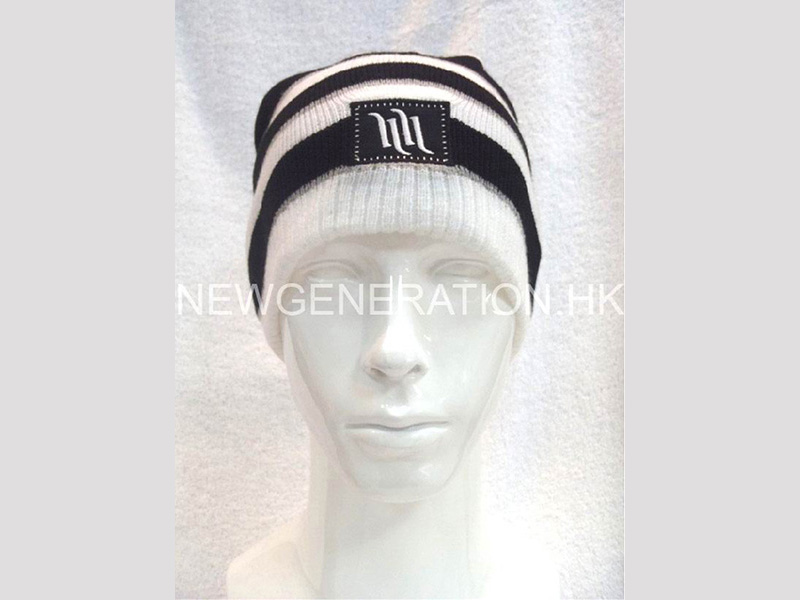
Another one: a Midwest workwear retailer wanted to launch a union‑made‑adjacent narrative but couldn’t stomach the $18‑per‑cap cost of cut‑and‑sew in the US. They needed supply chain documentation that would satisfy a picky B2B buyer base. We connected them with our sock‑knitting partner — not normally part of a cap factory’s scope — to develop a coordinated beanie‑and‑cap subscription box with full material ancestry documentation. The program sold out in six weeks, and the retailer now runs it quarterly. The hidden gem here wasn’t our factory alone; it was the network that lesser‑known cap manufacturers can tap because they’re not locked into a single production vertical.
When someone asks me why competitors are shifting to these invisible suppliers, I don’t give a romantic answer about craftsmanship. I say: they’ve figured out that the best cap factory for a modern brand is the one that can act like an extension of their merchandising team — fast, brutally honest about what’s possible, and small enough to care about a 300‑unit test run. Those factories exist. Most of them just don’t know how to be found.