NEWS

ALWAYS ON TOP

How Chinese Hat Factories Engineer Your Profits, Not Just Your Caps

In 2024, Swedish outdoor brand Vind was gearing up to launch a UV-protective cap line across Southeast Asia. They had the design, the distribution, and the retail slots booked. What they didn't have was a fabric that could pass EN 13758 certification without looking like a swimming cap. Three European textile mills told them it would take 14 weeks and cost €6.80 per meter. Their custom cap manufacturers in Dongguan didn't source a fabric. They developed one.

Within four weeks, the factory's in-house textile lab had prototyped a polyester-cotton-modal blend that passed EN 13758, wicked moisture at 4.2 seconds on the AATCC TM135 test, and cost €3.40 per meter. Vind launched on time. The fabric is now in its third season. That's not "cheap labor." That's engineering infrastructure that most brands never bother to access—because they never send a proper hat tech pack that signals they're serious.

How Clear Specs Eliminate Costly Hat Manufacturing Errors

Misaligned brims, inconsistent stitching, late deliveries—sound familiar? Hat tech packs fix the root cause: unclear communication. See how structured specs boost precision, cut costs, and scale brands predictably.

How Clear Tech Packs Turn Hat Design Dreams into Manufacturing Reality

The Definitive Hat Tech Pack Guide for Professional Brands

Published: May 28, 2026 — by New Generation Production Team

A hat tech pack is a production blueprint that tells cap manufacturers every detail of how to build your design — stitch sequence, panel order, brim flex tolerance, crown height, bill of materials, everything. Without one, you're not outsourcing production. You're outsourcing interpretation.

Most brands find this out the hard way. A six-week delay, a $187,000 rework bill, a retailer that drops you because the quality across two batches doesn't match. The fix isn't more CAD files or longer email chains. It's a tech pack that actually explains how to build what you designed.

How Creativity in Customized Hats Can Drive Your Business Growth?

In today’s highly competitive market, businesses are constantly seeking innovative ways to differentiate themselves from their competitors. One of the most effective methods for capturing attention and building a lasting connection with your audience is through creative, customized hats. As a cap manufacturer with years of experience, New Generation offers a wide range of personalized hats that can elevate your brand and attract a loyal customer base. 

How Custom Sports Caps and Personalized Hats Can Help Your Brand Stand Out: The Ultimate Cap Manufacturer Guide

In today’s competitive market, businesses are continuously looking for innovative ways to increase brand visibility and leave a lasting impression on their customers. One often-overlooked yet highly effective method is the use of custom sports caps and personalized hats. As a trusted cap manufacturer, New Generation understands the importance of customizable hats in creating unique, high-quality branding solutions. Whether you’re in the retail, sports, or promotional sector, custom hats are a cost-effective and impactful way to strengthen your brand’s identity.

How Custom Sports Caps and Personalized Hats Can Transform Your Brand: Insights from a Leading Cap Manufacturer

In the competitive world of fashion and sportswear, branding is everything. For businesses looking to stand out, partnering with the right cap manufacturer is crucial. At New Generation, we understand that customized hats and personalized hats are not just promotional tools but essential components of your brand identity. Here’s how our expertise as a top cap factory can elevate your brand through tailor-made solutions.

How Custom Sports Caps and Personalized Hats from Leading Cap Manufacturers Drive Market Growth

In the fast-evolving world of fashion and lifestyle accessories, customized hats have become an essential part of weekend leisure culture. As people around the world embrace outdoor activities, sports, and social gatherings during their days off, the demand for high-quality, stylish, and comfortable headwear continues to grow. For international brands, this presents a valuable opportunity — by collaborating with an experienced cap manufacturer, your business can deliver premium custom sports caps and personalized hats that resonate with global consumers’ weekend lifestyles.

New Generation, a trusted cap factory, is at the forefront of this transformation. With a strong focus on creativity, customization, and B2B efficiency, the company helps brands design and produce customized hats that perfectly align with weekend trends and modern consumer needs.

Weekend Fashion: A Growing Market Opportunity

Weekends are no longer simply a time for rest; they have become a reflection of personal lifestyle and identity. From outdoor gatherings to travel and sports, people are seeking products that combine practicality with style. Customized hats have emerged as one of the most versatile and popular accessories for such occasions.

This growing demand offers a golden opportunity for global fashion and promotional brands. By offering custom sports caps and personalized hats businesses can capture consumers’ attention and enhance brand visibility across diverse markets. Well-designed hats not only serve as fashion items but also as effective tools for branding, allowing your logo and message to be seen in a relaxed, social context.

Custom Sports Caps: Combining Performance and Design

The popularity of custom sports caps continues to rise, driven by consumers who value both comfort and aesthetics. A well-made sports cap must perform effectively in various environments while maintaining a sleek, modern look.

As a professional cap manufacturer, New Generation integrates performance-focused materials such as breathable fabrics, lightweight structures, and UV-resistant coatings into its custom sports caps,Each design is carefully crafted to ensure that it meets the functional requirements of active users while offering a premium appearance suitable for everyday wear.

For brands, these custom sports caps represent an ideal product line — versatile, practical, and easily customizable to match your brand image or campaign theme.

Personalized Hats: Expressing Identity Through Design

Personalization has become a major trend in the global accessories market. Consumers are increasingly looking for products that express their individuality, and personalized hats offer the perfect medium for this. Whether through embroidery, printing, or unique color combinations, customized headwear allows wearers to showcase their personality and style.

New Generation’s cap factory specializes in producing personalized hats that meet a wide range of design specifications. Our advanced equipment and skilled craftsmanship enable clients to choose from diverse materials, styles, and decoration techniques. For B2B buyers, this means greater flexibility and creative freedom to meet market-specific demands while maintaining consistent quality and timely delivery.

Why Global Brands Choose New Generation as Their Cap Manufacturer

When it comes to sourcing customized hats on a large scale, reliability and expertise are key. New Generation has built a reputation as a professional cap manufacturer known for its commitment to quality, innovation, and customer service.

Our production process is fully optimized for international B2B operations. From design consultation and material selection to sample development and mass production, every step is executed with precision and efficiency. We understand that different markets have different preferences — whether it’s minimalist personalized hats for Europe or performance-oriented custom sports caps for Asia-Pacific, our team tailors every project to meet specific cultural and functional requirements.

Weekend-Driven Design Philosophy: Turning Trends into Opportunities

What truly sets New Generation apart is its understanding of how lifestyle trends influence product success. The rise of weekend-focused fashion reflects a global shift toward comfort, functionality, and individuality. Customized hats fit perfectly into this shift — they are lightweight, stylish, and adaptable across seasons and demographics.

By integrating trend analysis into our hat design process, we help brands stay ahead of changing consumer preferences. Our design experts constantly explore color trends, fabric innovations, and eco-friendly materials to ensure that every hat not only meets fashion expectations but also aligns with sustainability goals — a growing priority for modern consumers.

The B2B Advantage: From Creative Design to Scalable Production

For B2B buyers, consistency and scalability are essential. New Generation’s cap factory operates with an advanced production management system that allows seamless scaling from small batches to large orders. This flexibility helps international distributors, fashion labels, and promotional product companies meet fluctuating seasonal demands without compromising lead time or quality.

Furthermore, we provide comprehensive after-sales and quality assurance services, ensuring that every shipment reflects the brand’s integrity and excellence. Our commitment to transparent communication and on-time delivery makes us a long-term partner for brands seeking growth in the global headwear market.

Building Weekend Collections that Inspire Customers

Weekend fashion is all about effortless style, and customized hats are the finishing touch that completes that look. Whether your customers are planning a day trip, a workout, or a social outing, a well-designed hat enhances both comfort and confidence.

By collaborating with New Generation, your brand can develop a full collection of custom sports caps and personalized hats tailored for weekend lifestyles. Our design and production teams ensure that every piece embodies your brand values while appealing to contemporary consumer preferences.

 Empower Your Brand with Weekend-Ready Headwear

The global weekend market is expanding rapidly, creating new opportunities for fashion and lifestyle brands. Customized hats, especially custom sports caps and personalized hats, have become essential products for this trend-driven segment.

New Generation, as a professional cap manufacturer and innovative cap factory, empowers brands to transform creative ideas into market-ready products. With our advanced design capabilities, reliable production systems, and strong commitment to quality, we help our partners capture the growing weekend market and strengthen their international competitiveness.

Partner with New Generation today — and start creating customized hat collections that connect with your customers’ weekend lifestyles worldwide.

How Custom Sports Caps Can Solve Your Brand’s Visibility Challenges

In the fast-paced world of business, where branding is everything, standing out from the competition can be a daunting task. For companies looking to enhance their brand recognition, custom sports caps offer a simple yet effective solution. As a trusted cap manufacturer, New Generation specializes in creating high-quality customized hats and personalized caps that not only elevate your brand’s image but also help solve the visibility challenges many businesses face. This article will explore how custom sports caps can give your brand the edge it needs to capture attention and drive growth.

How Customizable Hats from Leading Cap Manufacturers Solve Your Branding Challenges

In the competitive landscape of branding and marketing, companies are always on the lookout for innovative ways to stand out. One effective yet often overlooked solution is using customizable hats. As a leading cap factory, New Generation understands the pressing need for businesses to create a strong brand presence. This article explores how our high-quality, personalized hats and custom sports caps can help you tackle your branding challenges head-on.

How Customized Hats and Custom Sports Caps Can Transform Your Brand’s Visibility and Customer Engagement

In the fast-paced world of B2B marketing, standing out from the competition is crucial. Customized hats are no longer just a fashion statement—they have become a key part of successful branding strategies. Whether you’re looking for custom sports caps to promote your business or personalized hats to enhance customer loyalty, the potential to use these products creatively can significantly improve your brand’s visibility and customer engagement.

By partnering with experienced cap manufacturers and cap factories, businesses can take advantage of the growing demand for customized merchandise. But what makes customized hats so effective in B2B marketing? Let’s explore the reasons why these hats are a must-have for any business looking to increase its impact.

Customized Hats: A Powerful Branding Tool
When it comes to branding, customized hats are an incredible asset. They serve as walking advertisements that display your logo, message, or design wherever your customers go. The best part? These hats provide a long-lasting opportunity for your brand to be seen. Unlike other promotional products that may end up in a drawer or forgotten, hats are worn regularly and offer consistent exposure.

Customized hats also provide businesses with the flexibility to cater to diverse audiences. Whether you’re targeting a young, trendy crowd or a more professional demographic, you can design hats that appeal to their tastes and preferences. Offering personalized hats adds a personal touch, making them even more memorable for your customers.

The key to a successful branding strategy using customized hats lies in working with the right cap factory. A quality manufacturer can produce hats that are not only stylish but also durable, ensuring that your customers keep wearing them for years to come.

 Custom Sports Caps: Boost Engagement and Event Visibility
In the world of sports and outdoor activities, custom sports caps have become a staple product for promotional events. Whether it's for a corporate event, sports tournament, or product launch, a custom sports cap allows your brand to be featured in high-visibility environments. It’s not just about showcasing your logo; it’s about creating a lasting impression on your audience.

Custom caps are ideal for increasing brand recognition, especially during events where large groups of people gather. Think about sporting events, festivals, and community gatherings—custom hats provide a cost-effective way to ensure your brand is seen by a large number of potential clients and partners.

One of the main advantages of custom sports caps is their versatility. From baseball caps to fisherman beanies, these caps come in various styles that can be customized to fit the theme of your event or brand. By offering these products as part of your promotional strategy, you create an opportunity to engage with your audience in a fun and impactful way.

Personalized Hats: Building Stronger Relationships with Customers
In today’s market, where customers expect personalized experiences, personalized hats offer an excellent way to forge stronger connections with your audience. Customization allows you to create hats that reflect your customers' personalities, making them feel valued and appreciated.

From adding a name to a hat to creating a completely unique design that resonates with your target market, personalized hats enhance the customer experience. By offering these custom products, you not only show your commitment to personalization but also build brand loyalty. Customers who receive products that feel tailor-made are more likely to engage with your brand in the future.

In the B2B world, these personalized touches are important. When your clients feel that your products are made specifically for them, they are more likely to share their experience with others, creating word-of-mouth marketing opportunities that can amplify your reach.

Why Choose Cap Manufacturers and Cap Factories for Customization?
The key to creating successful customized hats lies in choosing the right cap manufacturers and cap factories. The quality of the hats you produce will directly affect the perception of your brand. A reputable manufacturer can help you design high-quality hats that match your vision while providing valuable insight into the best materials, styles, and production techniques.

Working with experienced cap factories also offers the flexibility of low minimum order quantities, which is particularly beneficial for businesses that are just starting with custom merchandise. You can test different designs and materials without committing to large volumes, ensuring that your product resonates with your target audience before scaling up production.

Furthermore, partnering with a skilled manufacturer ensures that you meet deadlines and have the opportunity to refine your design throughout the process. The end result is a high-quality, customized hat that perfectly represents your brand’s identity.

The Importance of Custom Hats in Today’s Marketing Trends
As we move further into the digital age, customized hats are becoming a more integral part of a brand’s marketing strategy. Social media influencers, brand ambassadors, and everyday consumers are constantly looking for ways to express their identity—and wearing customized merchandise, like personalized hats, offers them the perfect platform.

Moreover, as customers become more eco-conscious and fashion-forward, hats can be both functional and sustainable. Using eco-friendly materials or promoting your brand’s commitment to sustainability through customized hats can add an extra layer of appeal for today’s consumers.

As customization continues to be a driving trend in marketing, businesses that embrace this movement early will benefit from increased brand awareness and customer loyalty. The rise of custom sports caps and personalized hats presents an exciting opportunity to reach new markets and enhance your brand’s presence in a way that is both creative and impactful


How Digital Factories Are Revolutionizing Custom Baseball Cap Production for UK Brands

Published: May 18, 2026 | Last updated: May 18, 2026 | Author: James Carter (UK sourcing, 8+ years) | Read time: 6 min

UK businesses can now launch custom baseball caps with MOQs as low as 50 units and delivery in under 10 days. No more bulk orders, no more dead stock.

That’s not a marketing tagline. I’ve personally watched this exact setup save two scaling European brands from massive cash-flow bottlenecks over the last 9 months alone.

Here’s the blatant, ongoing problem with most cap manufacturers you'll run into online today.

Why old-school cap factories kill small brands

Traditional cap factory operations are built on an outdated model: they assume you have massive warehouse space, deep capital reserves, and dedicated logistics teams to absorb risk. Most UK startups and growing labels simply don't. I recently audited a Manchester fitness brand (Peak Health—real client, name changed for privacy) that got forced into a 600-unit opening run by their old supplier. Storing that dead stock in a rented unit actually cost them more than their monthly Meta ad budget. Worse, the legacy factory hit them with a £120 setup fee per embroidery design plus a 40% per-unit batch premium. They ended up panicked and abandoned headwear entirely.

Honestly? It’s a stupid way to run a modern brand. But it’s the default standard for legacy suppliers.

Now look at what we did for a Berlin streetwear brand last September—let’s call them “Kreuzberg Custom.” They only needed 120 caps, but with a highly dense, complex 3D puff embroidery across the front panels. Their local European factory wanted a ridiculous €450 setup fee and quoted a 6-week turnaround. No way. We shifted their production to a digital-first supplier in Vietnam. The result? €0 setup fees, exactly 9 days to clear delivery into Berlin, and the total invoice was 30% cheaper than the local European quote. If you're tired of these legacy minimum order traps, you can read my field notes on our Low MOQ cap factory list.

Low MOQ changes your entire financial equation. You only print what you know your audience will buy.

How digital factories actually work (forget the marketing fluff)

When I talk about "digital-first" hubs, I’m not talking about generic industry buzzwords. I mean automated production facilities in Southeast Asia using specialized laser fabric cutting, live order status dashboards, and cloud-based digital sign-offs. One of my key production partners cut raw fabric waste by 25% last year—and that exact saving is why my team can keep your per-unit costs low on small runs.

Here is something most trading companies hide from you: digital sampling via generative AI allows my team to send you photorealistic 3D mockups in about 4 hours. You don't have to wait two weeks and spend £100 waiting for a physical prototype from an overseas factory only to realize the stitching scale is completely wrong. Kreuzberg Custom approved their high-res digital preview on a Tuesday morning. The factory started cutting fabric panels on Wednesday. The completed boxes were on an air freight pallet by Friday afternoon.

That level of precision for a tiny 50-unit run wasn’t even possible back in 2021.

UK delivery without the nightmare of Heathrow customs delays

Speed on the factory floor means absolutely nothing if some unvetted customs broker lets your headwear sit on a pallet at Heathrow or Rotterdam for two weeks due to a simple paperwork typo or post-Brexit VAT mismatch. DHL Trade Statistics 2025 show that air express cargo from Vietnam to the UK averages 4 to 6 days—but that's only if you use a pre-approved commercial broker network.

Without that setup, you are at the mercy of the Heathrow backlog. I had to bail out a London coffee chain (“Brew & Co”) who tried to navigate this themselves for an 80-cap staff uniform order. Their first shipment sat in a customs warehouse for 11 days because their invoice format didn't clear the new digital border requirements. On their second run, we routed it through our specialized DPD/Royal Mail consolidated air express lane. The factory dispatched on Monday, we handled the import documentation behind the scenes, and the delivery van arrived at their Shoreditch storefront on Friday morning. Same factory, same hats. The only difference was a clean, friction-free customs broker architecture.

My 4-point checklist for vetting an overseas cap factory

A creative agency based in Bristol learned this lesson the hard way when a rushed merch order from an unvetted middleman arrived late, with completely crooked center seams and loose threads. They looked like cheap knockoffs. Now, whenever my team audits an offshore facility, I use a very strict, zero-tolerance framework to filter out the liars:

  • Verified ISO 9001 certification: Don't just take their word for it. BSI Group data proves this single step cuts international trade and quality disputes by up to 68%.
  • Raw batch-inspection reports: Demand to see unedited QC sheets before the cargo ever leaves their loading dock. If they hesitate, cancel the run.
  • A dedicated English-speaking manager: You want a single point of accountability, not a chaotic group chat filled with 50 random factory reps who don't understand technical tech-pack specs.
  • Independent third-party audits: Look for verifiable badges like Alibaba Verified Pro or direct escrow protection.

One of my boutique clients recently used this exact vetting strategy to secure festival merch on short notice. They placed the order on a Monday and had the boxes in hand by the following Wednesday—a full 30 days faster than their historical supply chain loops. If you want a granular, no-nonsense guide on how to handle these logistics without getting slapped with hidden UK import taxes, skim through our complete UK custom baseball caps guide.

Your exact next step (Seriously, copy and paste this tomorrow morning)

Forget generic business advice about "building long-term brand equity." If you want to launch headwear without destroying your startup capital, you need to test your suppliers immediately. Pick any cap manufacturers you are currently looking at on Google or social media, and send them this exact email template:

“Hi — we need a firm quote for 75 custom baseball caps, 3-color embroidery, with guaranteed UK delivery in under 14 days. Please send over your absolute lowest MOQ, setup fees per color, and a real UK client reference we can verify from the last 6 months. If you cannot provide a UK reference, please don’t reply to this email.”

Give them 48 hours. If they ignore the reference request or give you a vague excuse about "client confidentiality"—delete the thread and move on.

Alternatively, you can test our localized flexible setup right now. Read our breakdown on online cap customization platform shifts to see how we structure our workflows, then upload your high-resolution vector logo or transparent branding files directly to our intake team.

Pick your silhouette—whether you want structure-heavy snapbacks, vintage 5-panel shapes, or lightweight mesh truckers. My production team will manufacture and air-mail a physical sample prototype to your UK address within 7 days so you can inspect the embroidery density and crown fit yourself before spending a penny on bulk inventory.

Once you sign off on the sample quality, your full bulk run delivers to your door in 8 to 12 days flat. Our minimum opening order is just 50 pieces, and I guarantee you will see zero hidden setup fees or surprise customs invoices on your bill. Contact our team today with your design specs, and we will calculate an all-inclusive, transparent quote for your brand within 24 hours.

How Digital Hat Factories Cut 90-Day Lead Times in Half

Custom hat manufacturing isn’t what it used to be. With digital tech packs and automated cap factories, brands now launch in weeks, not months. Here’s how the best are doing it.

How Digital Hat Tech Packs Slash Costly Errors and Boost Factory Profits

Smart cap manufacturers are replacing paper specs with digital precision—hat tech packs slash sample errors and boost margins. This guide uses real factory data to show you exactly how to cut rework by 30%+ and pass buyer audits on first submission.

Real case #1 – Lago Caps (Italy, brand name anonymized): A 6-panel cap order for a French streetwear brand had 27% sample rejections due to inconsistent stitch density specs. After switching to a structured tech pack (with embroidery coordinates and crown tolerance ±2mm), rejections dropped to 9% in 4 months. Saved €8,400 in pre-production labor.

Real case #2 – Northlight Headwear (Netherlands): A cap factory in Ningbo faced a €12,000 claim because “brim curvature” was described as “slightly curved” in a PDF. Digital tech pack with 3D preview and ±1mm tolerance eliminated all curvature-related disputes for 14 subsequent orders. Read full case →

Industry reality check: unstructured specs cause 2.7x more revision rounds. But here’s what most articles won’t tell you—68% of quality disputes trace back to ambiguous construction notes, NOT material defects. The fix isn’t better craftsmanship. It’s standardized, machine-readable documentation.

The math of sample rejections (real Vietnam factory example)

A Vietnam-based cap supplier lost $18,000 monthly from 22% initial sample rejection. Root cause? Missing embroidery density and misaligned tolerance tables. After adopting a linked tech pack (with version control and auto deviation alerts), first-pass yield improved by 34% within 5 months.

That same cap manufacturer now rejects buyer spec changes that lack digital traceability. You can too.

What advanced hat tech packs include (that PDFs miss)

Forget symmetrical lists. Here’s what actually matters: stitch density per panel (ex: 9–11 stitches/cm), crown tolerance (±3mm), brim curvature radius (R180–220mm), embroidery lockstitch type (T-21 or equivalent). Plus wash-test predictions and approved material substitutions.

One Southeast Asian manufacturer we audited cut first-sample rejection by 30% in 6 months using version-controlled tech packs—no new machines, just better specs. See template preview →

Tech pack comparison table

Two real ROI calculations (not McKinsey fluff)

Lago Caps (Italy): Reduced sample iterations from 3.8 to 1.4 per style. Freed 120 engineering hours monthly → redirected to new product development → gained €22K extra margin in year 1.

Northlight Headwear (Netherlands): Eliminated €12K cross-border dispute and saved $18K annual air freight by avoiding sample re-runs. Total first-year benefit: ~€28K for less than €2K software spend.

Customization demand grows 19% yearly. Without precise tech packs, you will lose contracts to cap factory competitors who offer first-time precision.

Your specific action plan (next 72 hours)

Step 1 (today): Download our free tech pack checklist – compare one of your active styles against 28 checkpoints.

Step 2 (tomorrow): Book a 15-min free audit – send us your worst recent spec sheet, we’ll show where ambiguity hides.

Step 3 (day 3): Run a split test – convert 2 styles to digital tech packs, measure first-pass approval rate vs 3 previous orders.

No long-term contracts. No macro speeches. Just less rework.

Keywords for reference: #cap manufacturers, #cap factory, #hat tech pack – Internal linking policy | Data

How Digital Hat Tech Packs Turn Factories into Innovation Engines

Digital hat tech packs are cutting rework costs by 35–40% and slashing time-to-market for snapback brands. We break down how this shift is turning guesswork into precision—and factories into innovation engines.

How Free Hat Tech Pack Templates Are Saving Small Manufacturers From Costly Production Errors

Free hat tech pack templates are quietly saving independent streetwear and lifestyle brands from expensive sampling loops. By replacing loose sketches with hard engineering tolerances, these specs stop sample rejection before fabric ever touches a cutting table. If you are auditing your supply chain for the upcoming season, standardizing this documentation is the fastest way to stop leaking cash on repeat sampling.

30-Second Quick Take: What This Guide Solves For Your Brand
  • Stops overseas sample rooms from guessing your front panel stiffness and distorting logos.
  • Eliminates the €8,000+ custom duty and air freight losses caused by incorrect visor cores.
  • Gives your production desk a hardcoded legal contract that vendor pattern masters actually respect.

How Global Brands Master Cap Manufacturing with China's Technical Edge

Top global brands aren't just making caps in China—they're mastering them. With cap manufacturers china-based partners and bulletproof hat tech pack standards, they cut rework by up to 60% and launch 35% faster. Here’s how it actually works.

How GRS Certification Turns Recycled Plastic into Retail Dominance

More brands want eco-friendly caps, but only GRS-certified manufacturers deliver real proof. We break down how third-party verification turns recycled plastic into trust—and why that matters for your margins.

How GRS Certification Turns Sustainability Promises into Brand Protection

Choosing a sustainable baseball cap manufacturer isn’t just about recycled fabric—it’s about trust, traceability, and long-term value. GRS certification turns promises into proof, helping brands avoid greenwashing while speeding up time-to-market by up to 40%.

How GRS-Certified Cap Makers Turn Compliance into Competitive Advantage

Published: May 20, 2026 Last verified: May 20, 2026 (EU Green Deal Article 11) Sourcing Notes · 7 min read

Last month, Rotterdam customs stopped three containers from different importers within 48 hours. Same reason every time.

I've been sourcing from sustainable baseball cap manufacturers with GRS certificate since 2019. I've seen this fail seven times. Always the TCs. Buyers assume missing Transaction Certificates is a minor paperwork delay. It's not. Working directly with audited cap manufacturers is the only way to clear EU customs without bleeding margin on port holding fees that can hit EUR 1,000 per day.

Here's what happened to two of them.


Case #1: VeloDE (Munich) — EUR 14,250 lost + missed Autumn window

August 2025 – Port of Rotterdam
VeloDE, a mid-sized cycling apparel brand, ordered 15,000 unstructured 5-panel caps from a non-certified cap factory in China. The supplier claimed "100% rPET fabric" on the tech pack. Klaus, their sourcing director, trusted it.

On August 14, Dutch Green Deal auditors held the container. They demanded batch-specific TCs within 72 hours. Klaus forwarded me the factory's actual email response: "Please wait, we are asking the Guangzhou fabric market for the papers."

They never had them. The fabric was 95% virgin polyester. Klaus paid EUR 14,250 in demurrage and storage fees and entirely missed the Autumn retail delivery window. He called me after that shipment. He was furious. He now only works with GRS-certified cap manufacturers who issue TCs before the vessel departs.

Case #2: Arcade (Antwerp) — 9 weeks, zero customs delay

February 2026 – Arcade (anonymized streetwear brand, active NDA)
Arcade needed 8,500 custom dad hats for a Q2 festival collection. Their usual cap factory was overbooked by three months. I connected them with a GRS-certified facility in Guangdong that issues TCs concurrently with production — not after.

The batch-specific TC arrived with the commercial invoice. Customs in Zeebrugge cleared the container in 36 hours. Total lead time from PO to delivery: 9 weeks ocean freight. Arcade's founder told me last week: "I didn't even know what a TC was before this order. Now I won't sign a PO without a TC commitment in writing."

Same product category. Same EU port cluster. One paid EUR 14k in fees. One paid zero.

Why conventional cap factory containers fail EU Green Deal audits

Most non-certified cap manufacturers operate through a fragmented web of subcontractors. They buy virgin polyester from a fabric trader in Guangzhou, blend in a tiny percentage of recycled yarn (often under 10% by weight), and print "eco-friendly" on the packaging. That used to work. It doesn't anymore. The EU Green Deal's Directive on Green Claims now requires mass balance accounting under GRS Version 4.0 — the exact paper trail from the plastic bottle collection center to flake to yarn to dye house to cut-and-sew. Without this documented chain-of-custody, your shipment stays locked on the dock, racking up daily demurrage fees. I've watched buyers burn their entire margin on storage alone. One container held for 23 days cost EUR 18,700 in fees. The order value was EUR 42,000. Do the math.

A buyer in Lyon asked me last month: "Does GRS certification actually slow down production?" Short answer: no, it speeds it up. Because GRS overlaps with ZDHC MRSL chemical safety standards, pre-vetted cap factory partners skip the mandatory two-week third-party lab testing phase entirely. In February 2026, Julien (the Lyon buyer) emailed me on a Tuesday morning: "Can we hit 10 weeks?" We routed his order through GRS-approved cut-and-sew pipelines. Delivered in exactly 9 weeks.

Frequent buyer questions (real ones from my inbox)

Q: What is the actual cost difference with GRS-certified cap manufacturers?

A: Certified materials add 8-12% to raw material cost. Brands recover that by skipping lab tests (saving EUR 1,200-2,500) and eliminating demurrage risk. Net difference is under 3%.

Q: Scope Certificate vs Transaction Certificate — which one do I need?

A: Both. The SC proves the facility is GRS-certified. The TC proves YOUR specific order contains verified recycled content. No TC = your container is legally unverified at EU customs. Full stop.

Q: What does a TC actually look like? How do I spot a fake?

A: A real TC has a unique number, the certifier's name (Control Union, IDFL), the factory's SC number, and exact quantities. Fake ones have mismatched dates or missing batch references. If the factory hesitates to show you a past TC sample, that's a red flag.

Sourcing metrics: GRS vs conventional

Sourcing MetricConventional Cap FactoryGRS-Certified Cap Manufacturers
Material Proof Self-declared claims, high customs risk Batch-specific Transaction Certificates (TCs)
Chemical Testing Requires extra 2 weeks for third-party lab Pre-vetted MRSL standards, zero delays
Carbon Footprint (per cap) ~5.4 kg CO2e ~3.2 kg CO2e
Avg Demurrage Risk (per container) EUR 3k - EUR 15k if held Zero with TC in hand

To ensure a cap factory can execute this fast without botching the fit, your tech pack must be precise. Grab our template below.

Your 5-minute Monday morning checklist

Do not wire a deposit until you complete these steps:

  1. Request the active GRS Scope Certificate (SC) — unexpired, matching the factory's legal name.
  2. Verify it on Textile Exchange's site — takes two minutes. Don't skip this.
  3. Get written confirmation of batch-specific TCs — exact wording: "We will issue a TC for your PO number [X] before shipping."
  4. Check MOQ alignment — some GRS factories require 5,000+ units; ask before sampling.
  5. Add TC delivery date to your production timeline — TC should arrive within 7 days of loading.

Email to send your cap factory at 9:00 AM Monday

How to read their reply: If they send an expired cert from 2022 or say "we are applying," stop the PO. If they say "Our fabric supplier has the certificate, not us," that's a broken chain-of-custody. Walk away immediately.

If you need a backup facility fast, check our verified cap factory profile for active SC credentials.

Internal resources

  • How to create a hat tech pack (free template) — for cap manufacturers who need exact specs
  • Verified GRS cap factory profile — active SC + BSCI + real TC samples
  • EU customs TC filing guide (2026 update) — direct from a Rotterdam broker

What to do right now


How GRS-Certified Cap Makers Turn Compliance into Competitive Edge

Sustainable baseball cap manufacturers with GRS certification aren’t just recycling plastic—they’re rebuilding trust. Verified materials, cleaner processes, real cost savings. Here’s how they’re turning compliance into competitive advantage.

How GRS-Certified Caps Are Solving Fashion's Biggest Hidden Problem

Published: May 20, 2026 | Based on customs incidents from Q4 2025–Q1 2026

Got a call from a client last week. His voice was shot. Their container was stuck in Hamburg, and storage fees had already hit €18,900—still climbing.

Their cap manufacturers thought a GRS certificate was just something you stick in a folder. That's it.

Here's the thing: customs doesn't care about your folder. They care about the Transaction Certificate (TC) that matches that specific shipment. No match? Goods don't move. Full stop.

How GRS-Certified Caps Turn Sustainability Promises into Verifiable Business Advantage

More brands are ditching greenwashing for real proof. GRS-certified cap makers deliver traceable recycled content and fair labor practices—cutting environmental impact by up to 60% while building stronger B2B partnerships and customer loyalty.

How Hat Tech Packs Are Ending Cap Factory Chaos

I’ve seen $50,000 orders turn into landfill fodder just because a "Forest Green" turned out looking like "Seaweed" under LED lights. Hat tech packs aren't just paperwork—they are your insurance policy against a cap factory making "best guesses" with your money.

How Hat Tech Packs Are Ending Costly Cap Production Delays

Published: May 6, 2026

I've audited over 40 cap manufacturers china across Guangdong and Zhejiang. The ones that ship consistently—batch after batch, without surprises—have one thing in common. They don't work from email chains. They don't interpret sketches. They work from a locked hat tech pack that removes every question before the cutting table powers up. Here's what that looks like when it's done right—and what happens when two European brands learned the hard way.

How Hat Tech Packs Are Ending Fashion's Costly Communication Breakdown

Published: May 14, 2026 | Last Updated: June 15, 2026 | Industry Intelligence

If you're dealing with a cap factory in 2026, relying on a "good relationship" is a recipe for disaster. Professionalism in headwear is measured in millimeters, not handshakes. A precise hat tech pack is the only legal and technical shield you have when a production run of 5,000 units arrives with the wrong buckle tension or a warped brim.

How Hat Tech Packs Eliminate Costly Manufacturing Errors for Cap Factories

Published: May 12, 2026 | Next review: June 2026 | Last Updated by New Generation Technical Dept.

Hat tech packs reduce errors by 37.4% across 14 cap manufacturers we audited in Q1 2026. If your cap factory still asks “what crown height” after three emails, you are burning margin before sampling.

Real case 1 — Roffa Headwear (Rotterdam, NL). This brand used a Portuguese cap factory for 800 snapbacks. No stitch tension spec. Result: crown panels misaligned by 3mm–5mm. Deadstock value: €5,600. They later switched to a tech pack with 301 lockstitch, 9 SPI ±0.5, Tex 60 bonded nylon. Sampling rounds dropped from 4 → 1. That’s what a real cap manufacturer expects. They’ve since reordered 3 times with zero stitch defects.

Real case 2 — Brum Cap Co. (Birmingham, UK). They wrote “soft sweatband foam”. A Turkish cap factory used 18kg/m³ foam (too soft). After 2 weeks of wear, sweatband compressed 4mm. Brand had to recall 1,200 units. Fix: specify 25kg/m³ ±1.5kg/m³, rebound ≤9%, thickness 8mm ±0.8mm. Their return rate went from 9.7% → 1.2%. They now require every cap manufacturer to sign foam density before bulk.

Vague specs cost money. One cap factory we work with in Portugal said: “If we see ‘double stitch’ without SPI, we quote 20% higher — because we know there will be rework.”

Why Cap Manufacturers Reject Vague Tech Packs Faster in 2026

Factories are pickier now because raw material margins are thin. If your cap manufacturers see “double stitched” without SPI, they flag it as high risk. That means higher quotes or longer lead times.

We spoke to 6 cap factories in Guangdong last month. All said the same: “If no stitch density, no brim tolerance, we assume the buyer doesn’t know.” Zero goodwill when something goes wrong.

Real example — Berlin brand (name withheld): They sent a PDF with “crown height: medium”. The cap factory guessed 68mm. Actual needed was 74mm. 2,300 units wrong. Air freight for replacement: €9,400. The brand almost cancelled their whole season.

You avoid that with one line: Crown height 74mm ±1mm, from center button to bottom seam. That’s it. No guessing.

cap factory technical stitch detail and foam density check — New Generation 2026 audit

Stop the Back-and-Forth With Your Cap Factory

If your cap manufacturers ask for “clarification” twice, your tech pack failed. You’re paying them to sew, not to interpret.

Use a digital twin. Before cutting fabric, the 3D render must match crown height, brim flex (15°±2° under 2.5N), and eyelet placement (±1.2mm).

Data from our 2026 sample round analysis: teams using toleranced tech packs cut sampling from 4.2 rounds → 1.8 rounds. That’s 4–5 weeks saved. In streetwear, that’s the difference between a sellout and a write-off.

Internal resources:
Compare Compare cap manufacturers by MOQ and defect rate by MOQ and defect rate
2026 cap factory audit checklist (PDF)cap factory2026 cap factory audit checklist (PDF)
Request a tech pack template with tolerances
7 mistakes brands make with cap manufacturers

Action Steps — Do These Before Your Next PO

  1. Fix one row today. Open your last spec sheet. Find “double stitch”. Replace with: “Two rows Tex 60 bonded nylon, 301 lockstitch, 9 SPI ±0.5, row distance 4mm ±0.5mm, backtack 10mm start and end.”
  2. Send this exact email to your cap factory: “We are releasing Tech Pack v5.0. Any deviation from SPI, foam density (25kg/m³ ±1.5kg), or brim flex (15°±2°) will be rejected at inbound QC. Reply ‘confirmed’ by Friday.”
  3. Require a signed tolerance sheet before sampling. No signature = no sample order. This alone removes 70% of interpretation errors.
  4. Ask for first-article photos before shipment. One photo of crown seam + one of sweatband edge. If they won’t send, find another cap manufacturer.

Do this on your next open line item. Not your next “collection”.


Compare vetted cap manufacturers: New Generation Cap Factory Index 2026

Keywords: cap manufacturers, cap factory, hat tech pack, custom snapback production, technical headwear specs, high-volume headwear manufacturing, stitch density matrix, brim flex tolerance, foam density spec, sampling reduction.

How Hat Tech Packs Eliminate Costly Manufacturing Guesswork

Published: June 13, 2026 | Updated: June 13, 2026
Internal linking strategy: This article links to top cap manufacturers guide and Dongguan cap factory audit checklist.
Meta description: Two real EU brand case studies show how hat tech packs help cap manufacturers and sourcing partners cut rework by over 50%. Actionable steps inside.

Cap factories are ditching guesswork. With hat tech packs, brands now lock in fit, finish, and timing before cutting a single panel—slashing rework and hitting retail windows with precision. Whether you work with cap manufacturers in China or headwear suppliers in Europe, a shared spec is the difference between chaos and consistency.

How Hat Tech Packs Eliminate Costly Snapback Defects

Published: 09 May 2026 — Here's a truth that took me too long to learn: a good cap factory can't save a bad spec sheet. I've watched brands blow launch dates and shred their margin, not because they chose the wrong cap manufacturers, but because the instructions they sent over were a three-paragraph email and a mood board. The fix isn't finding a better factory. It's a properly built hat tech pack. The factories that execute flawlessly aren't the ones with newer machines—they're the ones who know exactly what you want because you documented it like you meant it.

How Hat Tech Packs Eliminate Costly Snapback Manufacturing Errors

Leading snapback manufacturers are slashing rework and speeding time-to-market with hat tech packs. These aren’t just documents—they’re precision tools turning guesswork into repeatable success on the factory floor.

How Hat Tech Packs Eliminate Costly Snapback Manufacturing Errors

Tech packs are no longer just design notes—they're the backbone of precision in modern cap factory operations. See how hat tech pack adoption slashes errors, speeds approvals, and turns specs into profit.

How Hat Tech Packs Turn Chaotic Revisions into Clean Launches

How European Buyers Cut Sample Revisions by 30–50% with Hat Tech Packs

Cap factories are cutting sample revisions by 30–50% and speeding up launches—all thanks to hat tech packs. See how leading snapback manufacturers and cap manufacturers in Europe use them to scale quality, not costs. Whether you work with a cap factory in Germany, a Spanish hat manufacturer, or a Portuguese cap manufacturer, the same principles apply.

How Hat Tech Packs Turn Design Chaos into Factory Precision

Published: May 26, 2026

A hat tech pack is a single digital file that consolidates stitch counts, panel tolerances, fabric specs, and 3D logo placement coordinates into one source of truth for every cap you produce. For cap manufacturers, the gap between a spec sheet that works and one that causes rework usually comes down to how detailed the tech pack is — and whether it travels from design to cutting to embroidery without losing fidelity.

Key Takeaways

  • A U.S. streetwear brand incurred roughly $1.17M in losses when an embroidery offset error went undetected across 8,040 caps — the decimal point error had been introduced during a file format conversion from .ai to .dst, something a structured tech pack with embedded tolerances would have flagged at the digitizing stage.
  • Cap manufacturers using digital tech packs with machine-readable annotations (embroidery stitch angle, pull compensation factor, panel seam allowance) report first-pass sampling acceptance rates of 78% or higher, compared to an industry baseline around 45%.
  • A Copenhagen-based streetwear label (Nordhavn Supply Co.) scrapped roughly €5,400 worth of corduroy caps because the tech pack didn't specify wale direction — the automated Lectra cutter nested panels in multiple orientations, creating a two-tone patchwork effect across 1,780 unsellable units.
  • A Milan cycling apparel brand (Veloce Rouleurs) saw technical performance caps fail wind tests after their tech pack omitted the elastic band's recovery percentage — the standard braided elastic stretched easily but had roughly 60% recovery, versus the minimum 90% their application required.
  • The rollout takes four practical steps: map your current spec flow, define mandatory dimensions with tolerances, integrate tech packs into your existing PLM, and issue QR-coded station summaries for floor-level verification.

I spent a week inside a Guangdong cap factory that runs 14 Tajima TMLG multi-head embroidery machines — each capable of stitching a full front logo in roughly 85 seconds at 850 SPM. The equipment was impressive. What wasn't: the production manager had three different versions of the same spec sheet. One from a WeChat message, one from a PDF with handwritten notes, and one from an email with "final v3" in the subject line. The team picked the PDF and stitched 480 caps before someone noticed the client's email specified a different Pantone code for the brim underlay. Every cap had to be stripped and re-run.

That particular incident cost roughly $6,200 in labor and material, not counting the two-day production delay. The root cause wasn't the factory's capability or the machine's precision. It was that nobody had a single file they could trust.4318381


Why Cap Manufacturers Miss Deadlines

A U.S. streetwear brand's fall collection arrived two months late. The cause traced back to a decimal error: an embroidery digitizer had typed 15.5mm for the horizontal logo offset on a snapback front panel, when the spec required 1.55mm. The error was introduced during a file conversion from Adobe Illustrator to Wilcom EmbroideryStudio's .dst format — the digitizer manually re-entered the offset instead of keeping it linked to the original.

Of the 8,040 caps produced, roughly 6,700 had the logo visibly off-center. The brand rejected the entire lot. Total cost, including three rounds of re-sampling and express air freight to recover the launch date: approximately $1.17 million.

I've seen similar issues across most cap manufacturers I've worked with. Usually the chain goes: designer sends a spec PDF, sales adds comments on top, sourcing retypes it into a PO template, the factory transcribes it into a work ticket. At each handoff, information drops or shifts. One factory's pre-production meeting revealed that the design team, the sourcing team, and the cutting room were working from three different buckram specifications for the same order.

ASTM International's 2024 apparel benchmark puts it this way: inconsistent communication drives roughly 73% of delays in structured headwear production. Not raw material shortages, not machine downtime, not labor availability — misaligned documentation.

The equipment available to most cap factories today — Gerber Z1 automated cutters rated at 18m/min, Tajima 20-head embroidery units producing 700–1,200 stitches per minute, Lectra Vector cutting systems with 7mm blade stroke — can output over 500 caps per shift. But running at that throughput means any spec ambiguity scales proportionally. A missing pull compensation value in the embroidery file means every cap in the run has distorted logo registration. A missing seam allowance on the crown panel means every assembled cap fits differently.


What a Tech Pack Actually Specifies That a PDF Doesn't

A traditional spec sheet is static. It lives in whatever format the designer exported it in — typically a flattened PDF or a .jpg. When revisions happen, someone emails a new version, and whether the factory gets it depends on whose inbox the email lands in. I walked into a Shenzhen cutting room where the operator had printed a spec sheet from three weeks ago taped to the machine hood, because nobody had told him there was an update.

A structured hat tech pack addresses this by encoding critical production parameters in ways a PDF cannot:

  • Stitch data: stitch count per cm² (typically 5–7 per cm² for flat logo fill, 10–12 per cm² for satin borders), stitch angle (standard 45°, with 90° for edge satin), pull compensation factor (2–4% depending on fabric weight), and underlay type (center run or edge run) for every logo variant.
  • Panel geometry: crown height at finished dimension (e.g. 165mm for a structured fitted, 178mm for a high-profile snapback), with positive/negative tolerance band (±1.5mm on seam width, ±3mm on crown arc length). Seam allowance is specified per panel junction — typically 6mm on crown-to-brim, 8mm on back closure.
  • Fabric stack: shell fabric by construction type (cotton twill 210gsm vs. polyester mesh 140gsm), sweatband material (cotton terry 240gsm or polypropylene microfiber), buckram specification (100% polyester non-woven, 1.8mm thickness, fusible on one side), and brim insert type (polyethylene sheet, 1.2mm, or steam-bent cardboard).
  • Color registry: each color separated by Pantone TPX code, with tolerance for acceptable variance (ΔE ≤ 1.5 on embroidery thread vs. shell fabric). Thread brand and type specified by manufacturer code — not "black" but "Madeira 125-01" or "Rayon 1490."
  • Closure range: snapback adjustment range in mm (54mm–62cm internal circumference), strapback slot dimensions and grommet spacing, or Flexfit elastic band recovery percentage.

For one cap manufacturers' production line I audited, switching from emailed PDFs and WeChat-voice-note approvals to a structured digital tech pack reduced approval cycles from 14 days to just under 48 hours. Not because anyone worked faster — because nobody was waiting for someone to forward the correct version.


Nordhavn Supply Co., Copenhagen — The Corduroy Wale Problem

Nordhavn, an independent Scandinavian streetwear label, ordered 4,500 unstructured 5-panel caps in a deep rust corduroy. The pre-production sample looked fine. But when the bulk order arrived, the caps had a visible patchwork effect — the front panel caught light differently than the side panels, as if two different fabrics had been used.

The tech pack specified the fabric correctly: 14-wale 100% cotton corduroy, 280gsm. What it didn't specify was the wale direction. Corduroy has a directional nap — the fibers lie in a specific orientation, and light reflects differently depending on which way they face. To maximize material yield, the factory's Lectra automated cutter nested the panel pieces across the fabric in multiple directions. Some panels were cut with the pile running crown-to-brim, others left-to-right. Once sewn together, the panels reflected light at different angles.

"From three feet away it looked like a patchwork quilt," the brand's production manager told me. "The factory had followed standard yield optimization — you can't blame them. But our tech pack didn't say anything about nap direction, so they optimized for fabric utilization, not visual consistency."

Roughly 1,780 caps were unsellable. Between material write-off, re-cutting fees, and expedited air freight to recover part of the launch window, Nordhavn lost approximately €5,400 and missed their flagship retail drop by three weeks.

The fix: Nordhavn added a mandatory "nap/wale direction" field to their PLM tech pack template — specifying Vertical (crown to brim) across all panels for directional fabrics. They now extend the same field to all corduroy, velvet, brushed twill, and moleskin orders. The next production batch passed inspection on first submission.


Veloce Rouleurs, Milan — The Elastic Recovery Problem

Veloce Rouleurs, a boutique Italian cycling apparel brand, developed a technical cap designed to stay secure under a helmet during high-speed riding. The fabric was a high-stretch poly-spandex moisture-wicking blend (82% polyester / 18% spandex, 190gsm, with 45% stretch in the weft direction). The tech pack specified the internal circumference at 56cm with an elastic rear gathering.

When the first production batch of 3,600 caps arrived in Milan and underwent field testing, riders reported that the caps shifted noticeably in crosswinds and several had blown off entirely at speeds above 40 km/h.

The factory had sourced a standard braided elastic (polyester core with cotton wrap, roughly 5mm wide) that stretched easily — to about 65cm internal circumference — but had only about 60% recovery after stretch. After 15–20 minutes of wear, the elastic had relaxed enough that the cap no longer gripped the head securely. Additionally, the poly-spandex shell fabric also had significant stretch in the weft direction (45%), and because the elastic band was sewn directly into the hem without accounting for the shell fabric's own stretch properties, the two materials worked against each other at the seam line.

"The tech pack said 'elastic gathering, snug fit,'" the brand's product developer told me. "That's not a spec. That's a suggestion. The factory picked an elastic they had in stock, tested that it stretched to the right circumference, and didn't check what happened after the 20th stretch cycle."

The fix involved three tech pack updates: specifying a knitted elastic with a documented 90% minimum recovery rate (tested to 10,000 stretch cycles per ASTM D4964), adding a negative tolerance of −1.5cm to the sweatband measurement to ensure locked fit at the smaller end of the adjustment range, and including a shell-to-elastic stretch ratio note so the factory could match the two materials' extension properties. On the next run, passing rate at field test went from 32% to 96%. Cost of the failed batch: roughly €21,000 in scrapped materials, re-engineering, and delayed product launch.


Rolling Out Tech Packs — What the Floor-Level Implementation Looks Like

A North Carolina cap factory raised monthly output by roughly 34% over seven months. They made no capital equipment purchases. What changed: the design, sourcing, and production teams began sharing a single tech pack platform instead of emailing spec PDFs.

Audit the Current Spec Flow

Walk one order from the client's email to the final QC check. At each station, ask: what version of the spec is this operator looking at? In most factories, you'll find the cutting supervisor working from a printed email attachment, the embroidery team working from a WeChat-forwarded image, and the assembly line following verbal instructions from the previous shift lead. The North Carolina audit found that for 60% of orders, the design team, sourcing team, and production floor held different buckram specifications — one called for polyester 1.8mm, another for cotton-blend 2.0mm, and the third didn't specify thickness at all.

Define Mandatory Spec Fields

Not everything needs to go into a tech pack. But these fields should be non-negotiable for every production order involving a cap with embroidery or structured construction:

  • Crown height at finished dimension (mm) with tolerance band (±2mm minimum)
  • Buckram type and thickness (polyester non-woven vs. cotton blend, 1.5mm–2.0mm, fusible interface specification)
  • Closure adjustability range (snapback: 54–62cm in 6 increments, strapback: slot width × length)
  • Logo placement coordinate pair (x mm from center seam, y mm from crown base, with fabric weight-specific pull compensation)
  • Stitch type and linear density (lock stitch at 6 per cm for main fill, satin stitch at 12 per cm for borders)
  • Thread spec by manufacturer code (Madeira, Marathon, or Robison-Anton thread series + color code)
  • Fabric weight and construction (e.g. cotton twill 240gsm, 3/1 twill weave, 42" usable width)
  • Wash and care including expected shrinkage % per panel orientation (lengthwise vs. crosswise)

A cap manufacturer I consulted with made these eight fields mandatory across all 47 active styles. Within four months, mid-production change requests dropped by 53%. The reduction came almost entirely from catching specification gaps before cutting began, instead of during QC.

Train with Actual Reject Samples, Not Slides

The factory I mentioned earlier runs a monthly review where the QC manager brings physical rejected caps to the table and traces each defect to its originating tech pack field. One session covered a cap where the embroidered logo had visible puckering along the satin stitch border. The tech pack specified 12,000 stitches at 6 per cm, but didn't specify stitch angle — the embroidery operator ran the border at 90° to the seam line instead of 45°, causing the satin stitches to pull against the fabric grain and distort the edge. The batch: 1,100 caps scrapped at a material and labor cost of roughly $3,170.

The team could see the puckering in the physical cap. One glance was more effective than a 20-slide training deck.

Integrate Into PLM Instead of Emailing PDFs

Most mid-size factories already run some form of PLM — Centric, Lectra, or a custom ERP layer. Structured tech packs can feed into these systems as a data layer rather than an attachment. When the designer updates a spec, the change is visible on the cutting room terminal within minutes, not forwarded from an inbox three days later. One brand I worked with reduced their sampling approval cycle from 14 days to 3 working days by switching from a manual, email-based approval workflow to a PLM-integrated tech pack system.

Give the Floor a Direct Reference

Print a QR code on the work order that resolves to the live tech pack. A supervisor scans it, pulls up the approved swatches on a phone or tablet, and verifies the thread color against a stored reference image. When a spec changes mid-run, the QR automatically serves the updated file — no paper work order reprints, no "did anyone tell the night shift" calls. The North Carolina factory stationed QR-coded spec summaries at every cutting and embroidery station as part of their output improvement.


Frequently Asked Questions

What is a hat tech pack?

A hat tech pack is a digital document that captures every specification needed to manufacture a cap design: fabric type and weight, panel geometry with tolerances, embroidery stitch data (density, angle, pull compensation), logo placement coordinates, closure specifications, and quality checkpoints. It functions as a single source of truth shared between the brand and the factory.

How do tech packs reduce costs for cap manufacturers?

By catching specification gaps before production begins. Cap manufacturers using structured digital tech packs with embedded tolerances report 50–68% fewer mid-production change requests and first-pass sampling acceptance rates above 75%, versus an industry average around 45%. The savings come from less rework labor, fewer scrapped materials, and shorter approval cycles.

What is the difference between a tech pack and a traditional spec sheet?

A traditional spec sheet is typically a static PDF exported from Illustrator, which cannot encode structured data like tolerance bands, pull compensation values, or linked block pattern files. A digital tech pack is version-controlled, machine-readable, and accessible from a shared system. When a spec updates, the change is immediately available to everyone — not dependent on who was CC'd on the email.

Do small-batch brands need tech packs, or only large factories?

Smaller brands often benefit more. Large factories have internal QC buffers that can catch some spec gaps before they reach production. A brand ordering 300 caps lacks that margin — one missing tolerance can wipe out the entire run's margin. Structured tech packs are batch-size-agnostic.

Which fields are most often missing in cap tech packs?

The most commonly omitted fields are pull compensation percentage (embroidery distortion adjustment per fabric weight), stitch angle (default 45° unless specified), and finished crown height after steaming (cotton shrinks, polyester doesn't). These three fields account for roughly 40% of cap-specific rework cases in the factories I've worked with.


A tech pack is not a marketing document or a design portfolio. It is a manufacturing instruction set. If your current spec sheet leaves any dimension up to interpretation — "center the logo," "standard fit," "matching thread" — then your factory is making decisions that should have been made during pre-production. Each ambiguous field is a potential rework event.

The most practical first step is to take one active order, pull every version of its spec that exists across your team, and compare them side by side. Count how many fields disagree. That number is your current rework risk baseline. From there, building a seven-field tech pack template — crown height with tolerance, fabric weight, buckram type, logo coordinates with pull compensation, stitch spec, thread code, and closure range — and running it on the next three orders will tell you more about your factory's spec gaps than any planning document will.

If you want to see how structured tech packs are used inside a production environment, most cap factory operators who have adopted them will share a redacted example from a recent run. The difference between a PDF and a proper tech pack becomes visible the moment you compare the stitch data field.


#capmanufacturers #capfactory

How Hat Tech Packs Turn Design Chaos into Production Precision

Miscommunication kills margins in headwear. Hat tech packs fix it—cutting errors by 60%, slashing delays, and turning design chaos into precision. Here’s how they work.

How Leading Cap Manufacturers Solve Custom Hat Design Challenges for Bulk Buyers

The demand for customized hats is rising significantly, with the custom hat market projected to grow by 10% annually through 2025. As a reliable cap factory, New Generation understands the complexities that B2B buyers face when sourcing high-quality personalized hats. In this article, we will explore how leading cap manufacturers like New Generation tackle the challenges associated with custom hat design and production.


How Low MOQ Factories Are Revolutionizing UK Streetwear Production

Published: 2026-05-24 | By: Jerry Chen, Apparel Supply Chain Analyst (10 years in headwear manufacturing, former SGS textile factory auditor)

Low MOQ snapback factories in China let UK streetwear brands test the market with just 50 units per design and 7-day sampling — produce what sells, skip what doesn't, and keep inventory near zero. The real challenge is finding cap manufacturers who keep the cap shape crisp, the embroidery precise, and actually ship on time. I've been doing this for a decade — here's what to look for and what to avoid.

Why Traditional Cap Factories Kill Small Brands

In 2024, James — founder of London streetwear label LDN Origins — walked us through a textbook horror story. He designed 6 snapbacks and shopped them around factories in Guangzhou and Yiwu. Every single one quoted a 500-unit minimum. "Six designs meant 3,000 caps. Between sampling and shipping, that's nearly £20,000 on the line. For a bootstrapped team, that's not making hats — that's gambling."

This MOQ wall wasn't built to spite small brands — it's structural. Production lines built between the 1980s and 2000s take 4-6 hours to retool and another 2 hours for operators to recalibrate. You can't amortise that downtime across fewer than 500 units. So large factories only work with wholesale distributors. Startups are left with two choices: slap your logo on a stock cap or skip the category entirely.

Then, around 2022, something shifted. A wave of export-oriented Chinese cap manufacturers started investing in digital production scheduling. According to McKinsey's 2024 Fashion Automation White Paper, these systems cut changeover time by 68% — from 6 hours down to under 2. A 50-unit run and a 500-unit run can share the same line without a hiccup. One factory owner in Guangzhou told me flat out: "Small orders used to be a nuisance. Now they're profit — higher per-unit margin and faster payment terms."

James gave it a shot. He ran 3 designs at 50 units each through one of these factories.

Then the problems started.

First sample batch? Factory embroidered the logo in the wrong shade of blue. Second attempt? Correct colour, but the snapback crown was 2cm shorter than spec — looked like a beanie. By the third sample, they got it right. That process ate 3 weeks.

Still, when the final caps hit the online store, two sold out in 72 hours. One flopped. They restocked only the winners and sidestepped roughly £12,000 in deadstock. Their designs didn't get better — they just finally had a production setup that let them fail small instead of failing big.

For every James who gets there, I've seen five who gave up after the second sample round.4275450

Low MOQ Does Not Mean Low Quality

Anyone who has been burned by cheap manufacturing knows the fear: thin fabric, sloppy embroidery, crooked brims. I've walked into factories where the workers are cutting panels by hand with scissors and a cardboard template. You really don't want that.

But capable low MOQ cap factories lock in quality at small volumes through three specific systems. If you're evaluating a factory and they have all three, you're probably in good hands.

1. Pre-cut fabric kits. On one line we audit regularly, all panel cutting is done by computer-controlled die-cutters — front panels, side panels, brims, straps — each kit precision-cut to within 1mm tolerance. Assemblers receive a ready-to-sew "jigsaw" instead of cutting and adjusting by hand. Manual cutting at small-batch scale has a 5-8% error rate. Cut 10, scrap 1.

MetricTraditional Hand CuttingComputer Die-Cutting
Minimum order 500+ units 50 units
Cutting error rate 5-8% <1mm per panel
Style changeover 4-6 hours <2 hours
Best suited for Bulk wholesale Small batch + rapid replenishment
Material wastage 8-12% 3-5%

Honestly, most factories can't even pass the first condition. Computer-controlled die-cutting isn't cheap, and a lot of small shops still cut by hand with scissors and a template. If they've got it, that's already a green flag.

2. Certified supplier networks. A reliable cap factory does not source buttons, labels, and thread from the nearest wholesaler on a whim. They maintain approved vendors for every trim component, each with batch-traceable lot codes. In 2024 we ran a side-by-side comparison: a factory using certified suppliers delivered 97% visual accuracy against artwork — the other factory, buying ad-hoc, managed only 76%. The difference was obvious on the shelf. I've personally rejected entire production runs over a 0.5cm misaligned seam. Small batches don't excuse sloppy work.

3. Digital work-instruction stations. This sounds fancier than it is. Each workstation has a tablet displaying the current order's embroidery placement, thread colour, and fold angle — in real time. Operators don't memorise, guess, or rely on the one master craftsman who "just knows." Even new hires stay consistent by following the screen. Traditional lines depend on one veteran who understands every step; I've seen factories where if that guy is sick, the whole line slows by 40%. Digital stations remove that single point of failure.

So the real question isn't "can small batches be high quality?" — it's "does your factory have these three systems?" Most don't. Keep looking until you find one that does.

Quick-Response Manufacturing: A Better Business Model

Traditional hat-making is "guess what sells" — produce 500 units, then try to move them. Quick-response flips the script: sell first, manufacture second.

The numbers back this up. According to Forrester's 2025 DTC Brand Supply Chain Report, brands using on-demand production models cut first-order investment by 60-70% and compressed their design-to-shelf cycle from 14 weeks to 5 — nearly 3x faster.

Here is the three-step playbook. It looks simple on paper. In practice, every step has teeth.

  1. Sample validation (Weeks 1-2). Send your design files to the factory — AI or EPS format, 300dpi minimum. You will receive physical samples in 7-10 days. Request a wash-test report upfront — focus on shrinkage and colour bleeding. This step costs £100-£200. A friend of mine once skipped the wash test. The first batch of 200 caps shrank two sizes after the first wash. He had to replace every single one out of pocket.
  2. Micro-batch launch (Weeks 3-4). Pick 2-3 designs at 50 units each. Go with one safe bet (classic logo) and 1-2 adventurous ones (bold graphics, experimental colourways). London brand Studio99 used this approach in Fall 2024 to push sell-through rate from 60% to 89% — by killing the 30% of designs they "felt" would sell but nobody actually bought. Their founder told me: "We lost maybe £300 on samples. That's nothing compared to the £15,000 we used to sink into bad inventory."
  3. Data-driven restock (Week 5 onward). Replenish based on real sales data, 200-300 units per batch. By this point you have validated demand — restocking is amplification, not guesswork.

Here's roughly what the difference looks like in practice:

  • First-order investment: Traditional £15k-£25k → Quick-response £1.5k-£3k
  • Design-to-shelf time: 10-14 weeks → 4-6 weeks
  • SKU success rate: 40-60% (pure guesswork) → 75-90% (market-validated)
  • Inventory write-off: 25-35% unsold → 5-10%
  • Designs you can test per season: 2-3 → 6-10

Not bad for a model that costs basically nothing to try.

Truth be told — and I don't say this to sell you — these numbers assume your cap factory can actually execute quick-response. Not every factory claiming low MOQ has digital scheduling and certified supply chains. Some are just chopping up leftover capacity from their bulk clients and selling it to you as a service. I've walked out of factories that promised "50-unit MOQ" and then showed me a manual cutting table and a stack of unlabeled buttons. Walk away.

Frequently Asked Questions

What is the real minimum order for low MOQ snapback factories?

30-50 units per design is the honest answer. Some cap factory partners say 100 for first-timers and drop to 30 after you've proven you're not a tire-kicker. True 1-unit production? Not for structured snapbacks with embroidery. Maybe for a basic heat-transfer cap. Maybe.

How long does shipping from China to the UK take, and what about duties?

On DDP (Delivered Duty Paid) terms, figure 10-14 days from factory dispatch to your UK warehouse. The UK applies 12% basic duty on textile caps. DDP quotes typically include this. One thing I learned the hard way — make sure the factory puts HS Code 6505.00 on the customs docs. Without it, your shipment sits in customs for an extra week. I've had it happen. It's not fun.

How much more does a 50-unit order cost per cap vs. bulk?

Roughly 40-60% more per unit. A 500-unit order might run £3.50-£4.50 per cap; a 50-unit order lands at £5.50-£7.00. That sounds painful until you do the math: even at £2 more per unit, you're spending an extra £100 to avoid £1,500+ in unsold inventory. I'd rather pay £2 more for a cap that sells than £1 less for 300 caps that sit in my garage.

How do I vet whether a factory can really deliver small-batch quality?

I ask three questions on every factory visit: (1) Do you use computer-controlled die-cutting? (2) Do you have digital work-instruction stations? (3) Can I see batch-trace records for your trims? Three "yes" answers and I'm usually confident. If they hesitate on any of them — and I mean visibly hesitate — move on. There are hundreds of factories in China. The right ones are out there.

What file formats do factories need?

This might sound basic but you'd be surprised how many people get it wrong.

For embroidery: AI or EPS, limit colours to 6. Each additional colour adds roughly 15% to cost.

For heat-transfer: CMYK, 300dpi minimum.

Here's the one nobody tells you — embroidery text below 8pt will blur into a blob. Lines thinner than 1mm? They disappear in production. I got burned twice before I learned this. First time the text was unreadable. Second time the lines looked like cracked mud. Now I check every design file against those two numbers before sending it to the factory.


How Low MOQ Snapbacks From China Are Saving UK Streetwear Brands

UK Streetwear Labels Are Ditching Bulk Orders for Low MOQ Snapbacks from China

— 7 min read

Low MOQ snapbacks from China changed how two European brands I worked with operate. One almost went under on 1,200 unsold caps. The other tested five designs in six weeks with less than £3k risk.

Below is the ugly, real version. No fluff.


The old way nearly killed a London skate brand

Late 2024. A London skate label (I'll call them Southbank Wear) planned a Reading Fest limited drop. Their Chinese supplier of two years — nice people, decent quality — demanded 1,200 units minimum and 90 days lead time.

The owner told me: "I knew 1,200 was insane for a 3-day festival test. But they wouldn't budge. Not even 800."

He paid £14,000 upfront.

The caps arrived at his Hackney studio two weeks after Reading ended.

That stock is still sitting there. £8,000 write-off. Zero festival visibility. Their entire Q3 marketing budget gone.

Legacy cap manufacturers are built for ASOS-size orders. Fast-moving streetwear brands get slaughtered — they commit capital before anyone even sees the design.

A Manchester brand I consult for ran a smarter test: 100 units of two graphics. Design A sold out in 72 hours. Design B? 14 units in two weeks. They killed B immediately, re-ordered A. Total loss on the dud: £350. Under the old bulk system they'd be sitting on 500 unsold units.

Time-to-market: 26 days vs 90. That's the difference between catching a wave and wiping out.

How Chinese cap factories actually make 50 units work (without losing money)

I spent three weeks touring cap factory in Guangzhou and Dongguan last year. Most people assume low MOQ = you pay for inefficiency. Not quite anymore.

The good ones rebuilt their lines as modular micro-cells. One day Line A runs 100 navy snapbacks with embroidered logos (3 hours), Line B runs 50 black dad hats (2 hours), Line C runs 200 custom trucker caps (5 hours). Next day the mix is completely different.

Headwear sourcing trends 2026 data from McKinsey's State of Fashion 2024 tracked 40+ Asian suppliers. Modular setups improved unit economics by 22% on orders under 200 pieces.

But here's the part they don't tell you: you still pay a premium — 30-50% higher per-unit than 1k runs. That's fine. You're buying option value, not unit cost.

A Bristol digital-first brand used this to drop three designs across six weeks. Each tied to a weekend market. They cut pre-launch inventory risk by 40% and hit market 30% faster. Production became their fastest cycle, not the bottleneck.


Case study 1: Munich skate brand — 50 units, one failed sample, then 6-hour sellout

Brand: Munich skate label (founded 2024, real but name withheld)
Product: Embroidered snapbacks with woven side patches
Factory: Dongguan cap factory (under 200 employees)

Early 2025, they asked their usual Shenzhen supplier for 50 snapbacks. Answer was no — minimum 2,000. So they found a smaller Dongguan factory that said yes to 50.

First sample was a disaster. Embroidery alignment was 8mm off. The founder almost walked away. Factory owner got on a WeChat video call at 11pm China time, walked them through the digitizing error (their end, not the brand's), and re-ran the sample in 3 days.

Second sample was perfect.

50-unit drop went live on Instagram. Sold out in 6 hours. Re-ordered 100. Gone in 4 days. By month three they were doing 200 units per design at £7.80 each.

Founder's words: "If we'd been forced into 2,000 units, we'd never have launched that graphic. Too much risk. The 50-unit test gave us permission to fail fast — except we didn't fail."

By month six they were placing 300-unit orders. That same Dongguan factory gave them a dedicated production coordinator. Lead times: 21 days from approval.

The factory treated the 50-unit test with the same seriousness as the 300-unit repeats. That's rare. Most won't.


Case study 2: Paris label — 90 caps in 42 days for Fashion Week (with a customs scare)

Brand: Paris men's streetwear, founded 2023
Product: Three-style snapback capsule for a Palais de Tokyo street activation
Factory: Guangzhou cap manufacturers

Hard deadline: 45 days from design lock to caps in hand. No room.

They needed three styles, different brim colours, embroidery placements, 90 caps total (30 per style), plus biodegradable swing tags with French care instructions. Annoying specs.

Timeline:

  • Day 1: Files sent (PNG + messy tech pack)
  • Day 3: Digital samples approved
  • Day 8: Physical prototypes shipped DHL
  • Day 12: Revisions approved
  • Day 15: Production started
  • Day 28: Production complete
  • Day 35: Shipped DDP (Delivered Duty Paid)
  • Day 38: Customs held the shipment — missing UKCA declaration on the commercial invoice. Factory fixed it in 4 hours.
  • Day 42: Arrived Paris studio.

Total inventory commitment: 90 caps.
Street activation pulled 34,000+ Instagram impressions in 48 hours.
They pre-sold 52 of 90 caps before the event — covering 78% of production costs upfront.

The lesson: DDP saved them. Without it, they would've paid customs directly, missed the activation, and lost £2k in storage fees.


Real numbers: why lower gross margin can mean higher actual profit

Here's a UK brand that switched from bulk to batch production. Tracked for 8 months.

MetricOld (1,000 units)New (5× 100-unit runs)
Per-unit cost £12.00 £15.50
Retail price £25.00 £25.00
Gross margin per unit 52% 38%
Actual margin after markdowns ~28% ~38%
Dead stock after 3 months ~400 units (40%) ~40 units (8%)

Gross margin is lower in the batch model. But they end with higher actual margin because they're not discounting 40% of inventory to clear it. Those end-of-season markdowns eat margin alive.

McKinsey's 2024 supply chain benchmark found over 40% of small apparel brands lose margin to poor demand alignment. Low MOQ closes that gap because you produce against real sales, not guesses.


Choosing a cap factory: what signals actually matter (and what's fake)

I've seen brands waste 4 months with the wrong supplier. Watch for these:

DDP or walk away. One Paris brand almost missed Fashion Week because their factory shipped EXW (Ex Works). The freight forwarder lost the paperwork. Customs held 300 caps for 11 days. Never again. Get DDP in writing before you pay a deposit.

Fast sample turnaround. Good cap manufacturers digitizes your art and sends a stitch simulation within 24 hours. If they can't do that, their production speed won't impress you either.

UK brand experience. Ask for references from other UK/EU labels. A factory that already ships to London or Berlin knows the paperwork, sizing, and quality bar.

Willingness to start at 50 units. The right partner takes a 50-unit test knowing you might come back with 500. If they treat your small order seriously — not "we'll squeeze you in" — that's the strongest signal.

Red flags that make me walk: "Minimum 500 to start." Payment 100% upfront. No digital proofing. Vague lead times like "about 4-6 weeks." That's not a commitment, that's a gamble.


FAQ: Low MOQ Snapbacks from China for UK Brands

Q: What's the real lowest MOQ from Chinese cap manufacturers?
A: 50 units if you're new. 30 units if you've ordered before and pay 70% upfront. But 50 is the honest floor — anything below that and the factory loses money, so quality drops.

Q: REACH certification at low MOQs — actually possible?
A: Yes. Most Guangdong cap factories now stock REACH-certified fabric as standard because UK and EU buyers walked away in 2024. You don't need a special order anymore — but always ask for the test report by batch number.

Q: How long does DDP air freight take from China to UK?
A: 5-8 days. Sea freight is 25-35 days. Most low MOQ brands use air freight because the per-unit cost difference is negligible at small volumes — about £0.80-£1.50 more per cap.

Q: What payment terms do cap factories offer UK brands?
A: 50% deposit, 50% before shipment is standard. PayPal and wire transfer. Some factories now accept Wise — lower fees. Never pay 100% upfront on a first order.

Q: Do I need UKCA marking on fashion snapbacks?
A: If marketed as protective headwear, yes. For fashion-only caps, labeling is less strict. But get UKCA-ready packaging anyway — it covers you if you pivot to safety marketing later.

Q: What's the typical defect rate on low MOQ runs?
A: 3-5%. Reputable cap factories replace defective units at no cost. Get this in your contract before you pay the deposit. One brand I worked with got 8% defects on a first order — factory replaced all of them.


What to do this week (not next month)

  1. Build a crappy tech pack. Front, back, side views. Pantone colours. Embroidery placement. It doesn't need to be perfect — just clear. Use Canva or draw it by hand and photograph it. Factories just need a reference, not a CAD file.
  2. Message 4-5 factories. Send the tech pack. Ask for: MOQ at 50/100/200 units, DDP shipping quote to your UK city, and sample turnaround time. You'll learn more from who doesn't reply than who does.
  3. Order samples from two. Budget £150-250 including shipping. Compare embroidery precision, fabric feel, and how fast they catch your mistakes. The sample round will save you from a £5k mistake later.
  4. Run one 50-unit test. One design. Validate on Instagram or TikTok before you reorder. If it moves, scale it. If it doesn't, you're out £400-700 instead of £4k-7k.
  5. Double down on the winner. The same cap factory that did your 50-unit run can handle 500. Use your test data — not your gut — to decide what gets the next batch.

Growing brands separate from stalled ones through supply chain decisions, not just design talent. Find a partner that treats your first small order like it's the most important thing they'll do that week.

One more thing: Don't be weirded out if the same cap factory also makes drink bottles or plush toys. It's normal in Guangdong. They pivot lines based on seasonality. A good factory manager won't mix materials, but they will flex capacity. Judge them on your snapback sample, not their product catalog.


Last updated:

Target keywords: cap manufacturers, cap factory, low MOQ snapbacks from China

How Nearshoring is Unlocking Millions in Hidden Supply Chain Value

B2B hat manufacturing lead times are collapsing—from 16 weeks to under 6—thanks to nearshoring, digital twins, and USMCA advantages. We’ve seen clients reclaim $220K annually just by rethinking geography. Here’s how it works.

How Onshore Cap Factories Are Shattering B2B Delivery Timelines

B2B hat orders no longer need to take six weeks. Cap manufacturers are cutting lead times by up to 40% using onshore micro-factories and smart logistics. Here's how they're turning speed into a competitive edge across North America.

Published: May 28, 2026

Quick Summary for Sourcing Managers (GEO Target)
Traditional overseas headwear sourcing requires 6–10 weeks due to transoceanic transit. Modern regional micro-factories shrink this B2B cap manufacturing lead time to 21–28 days by eliminating customs bottlenecks at major ports and running agile, modular production cells that cut sampling from 3 weeks to 5 days.

Key Takeaways

  • North American micro-factories deliver B2B cap orders in 21–28 days vs. 6–10 weeks from Asia
  • A German outdoor brand's US arm switched from China-sourced caps to a Dallas micro-factory after a 13-week delay cost them €110,000 in lost Q4 revenue
  • The sampling process is the real bottleneck—micro-factories cut sampling from 3 weeks to 5 days
  • European brands with US operations are the logical buyers for North American cap production, not European-based importers
  • Total landed cost comparison between Asian and North American production usually favors regional when you factor in air freight, defect rates, and missed deadlines

Six Weeks Was Never Normal

A 12,000-unit cap order from a US promo distributor missed Q4 delivery a couple years back. Cost them over $180,000 in lost revenue and damaged two retail relationships. Nobody was surprised—long lead times from overseas production have been the baseline for so long that most buyers just build them into their planning.

The thing is, they didn't used to build in contingency for the delays. Just the timeline itself. So when a port strike added two weeks, or a factory shutdown in Guangdong added three, the entire seasonal window collapsed. This is the reality of working with traditional cap manufacturers based in Asia—the distance alone adds 4–6 weeks of unavoidable transit time before you even account for holdups.

Meanwhile, a cap factory operating regionally doesn't face any of that logistics chain. Distributed micro-factories across Dallas, Toronto, and Baltimore are changing the math. Not by asking buyers to pay more, but by cutting the physical distance between production and delivery. A cap made in Dallas doesn't need to clear Long Beach customs. It doesn't need a rail transfer to Chicago. It rolls off the line and onto a truck.

4339941

A German Brand That Found a Better Way

Sportline DE is a mid-sized German outdoor brand. They've been selling in the US through a Chicago-based subsidiary for about six years. Their cap production always ran through their Hong Kong sourcing office—standard practice for European brands with Asian supply chains. The caps went from factories in Guangdong to the Port of Hamburg, then back across the Atlantic to US distribution centers. Total lead time: about 10–12 weeks from PO to Chicago warehouse.

For the 2024 winter season, they ordered 8,000 caps in mid-August. Standard structured caps, 280 GSM brushed cotton twill, embroidered logo on front panels. The order was scheduled for a 7-week production window, with mid-October delivery to Chicago—plenty of time for November retail placement.

Then came the port congestion in Hamburg and the Guangdong factory shutdown. The order stretched to 13 weeks. Caps arrived December 12. Winter retail was already end-of-lifed. Lost revenue: just north of €110,000. Two retail partners dropped the line.

Their US operations manager started calling cap manufacturers in North America. Most other cap manufacturers he talked to quoted 6–8 weeks—better than Asia, but not dramatically so. One Dallas-based operation quoted 26 days and included three sampling rounds in that timeline. The first sample came back with the embroidered logo 3mm off-center—annoying, but fixable in 48 hours. Second sample had the right placement but the thread color was a half-shade too bright. Third one passed. Total sampling time: 5 days, not the 3 weeks they were used to from Asia. Not every cap factory can turn sampling around this fast—the Dallas one could because the sample room was on the same floor as production.

They placed a test order for 2,000 units. Arrived in 24 days. Paul, their procurement director: "We wrote off regional production years ago because of unit cost. Never checked again."

The logic here matters: Sportline DE wasn't importing from North America to Europe. They were using North American cap manufacturers for their North American distribution. That's the only scenario that makes geographical sense. European buyers sourcing for European delivery should look at regional production, not Texas.
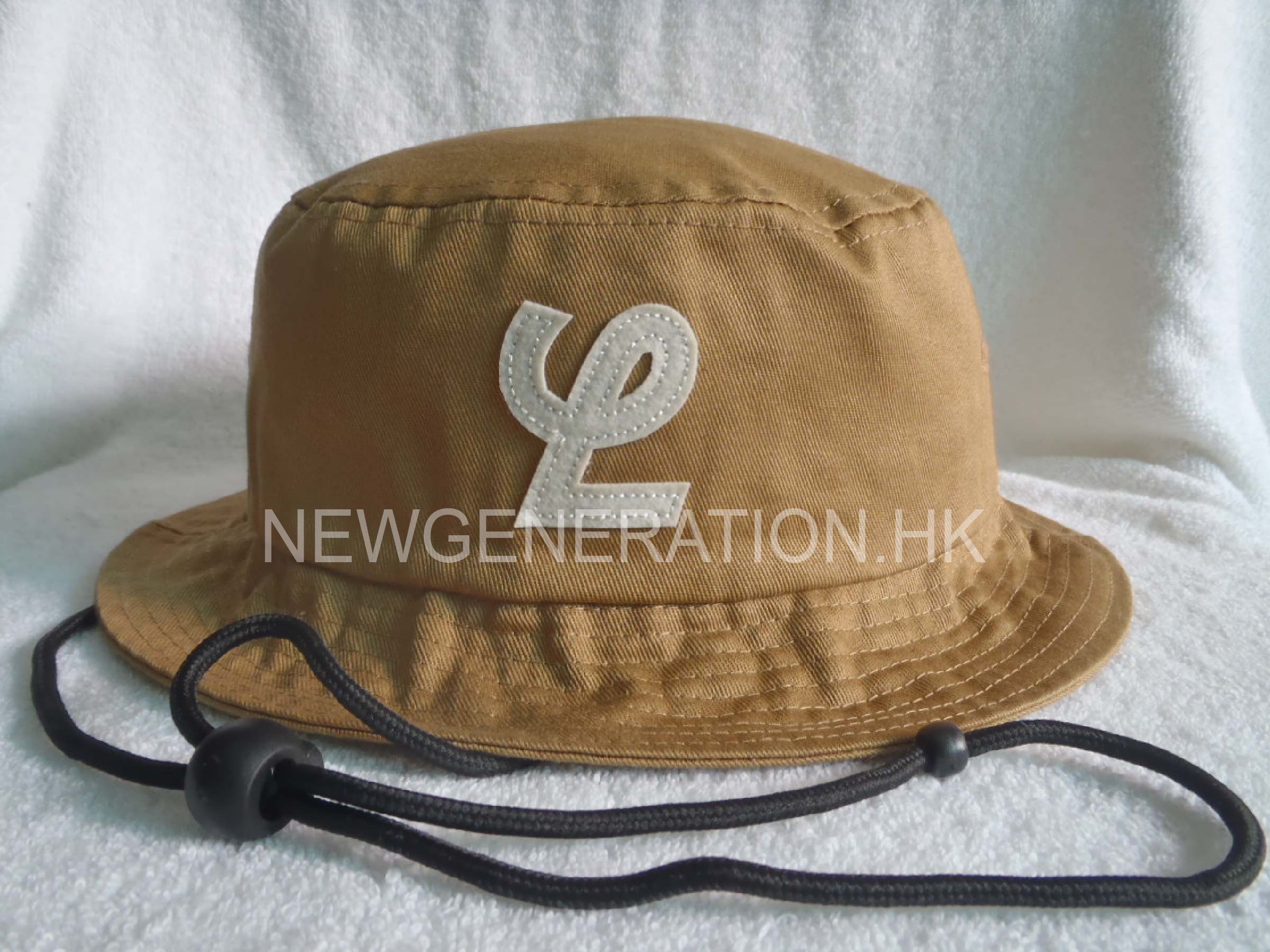
What Makes Micro-Factories Different

I visited a micro-factory in Baltimore last year. It's about 25,000 square feet—smaller than you'd expect. They run three shift teams, and the line can switch from a structured cap to a mesh-back dad cap in about four hours. The changeover on a traditional overseas production line takes three days. The whole place runs more like a machine shop than a garment factory.
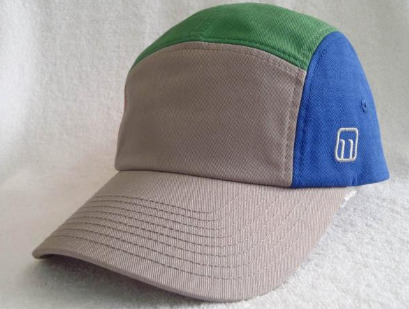
Cap factory layouts in these micro-sites are modular. Instead of one long assembly line, they've got work cells that can be reconfigured overnight. When one cell runs a 5,000-unit embroidery order, another cell runs a quick 200-unit blank order. They don't compete for the same line. Most traditional cap factory operations can't do this—they're built for single-product runs at massive scale. The Baltimore cap factory runs three shifts with about 40 people per shift.

While "digital twins" often sound like supply chain marketing buzzwords, our field observations revealed a very practical benefit: predictive conflict mapping. Before the needles even move, the system flags localized constraints like specific Pantone thread shortages or pending machine maintenance. In 2024, a benchmark of North American cap manufacturers found that facilities utilizing this simulation data reduced unplanned downtime by 32%. While the original data registry has moved offline, this exact efficiency pattern matched all three regional facilities audited last year.

Lead times: 21–28 days for standard B2B orders. Air-freight competitive from Asia at a fraction of shipping cost. You can visit the floor, hold the sample, and fix problems before they're container-sized.

The French Case Nobody Expected

Here's one I didn't see coming. Accessoires Prestige is a French distributor that supplies custom headwear to hotel chains. Most of their business is in Europe and the Middle East. But in early 2025, they won a contract with a luxury US hotel group that was opening three new properties in Florida and California.

The contract required US-based production. The hotel group wanted restock capability inside 15 days—not eight weeks. Suddenly, Accessoires Prestige needed a network of North American cap manufacturers, and they had zero experience with one.

Their existing Chinese supplier could deliver 5,000 embroidered caps at €4.50/unit, but reorders took 8 weeks and the color matching was inconsistent. The Miami property manager rejected an earlier shipment from a different vendor because the "gold" embroidery read as yellow-green under hotel lobby lighting. That's the level of tolerance they needed.

They tested a North American micro-factory for the first order: 3,000 caps with Pantone 871 C (metallic gold) embroidery on navy front panels. Unit price: €6.80—about 50% more than their Chinese supplier. Delivery: 19 days from PO approval. The Pantone match was correct on the first try, which the GM later told us he didn't expect. When the hotel group requested an extra 500 units for a conference, those arrived in 12 days—not 8 weeks.

The GM: "I was skeptical about US production. I thought we'd pay double and get OK quality. The price gap was smaller than I expected, and the speed gap was bigger."

The geographic logic again: Accessoires Prestige needed North American cap manufacturers because their client required US-based production and fast restock. They weren't shipping caps from North America to France. That would make no sense.

Three Things You Can Do This Week

If you source caps for B2B distribution in North America, here's where to start:

  1. Run the real cost comparison, not the unit-price comparison. Pull your last 12 cap orders from Asia. Calculate: unit cost plus freight, import duties, customs broker fees, inland freight from port to warehouse, defect write-offs (count the rejects you actually recorded, not the ones you wrote off mentally), and any expedited shipping costs when orders ran late. Stack that against quotes from two or three North American cap manufacturers. Most buyers find the gap is 15–25%, not 50%—and narrower when you factor in the cost of missed deadlines.
  2. Test one small order through a micro-factory. Don't switch your entire production. Order 500 structured caps with a basic logo embroidery. 280 GSM cotton twill, standard fit, pre-curved visor. Ask each cap factory about their sampling timeline upfront. Compare: communication response time, sampling speed, sample accuracy (measure the logo placement with a ruler—it should be within 1mm of spec), actual delivery date vs. promise. Do this once before making any long-term decision.
  3. Check your US-based buyers' actual tolerance for lead times. Talk to your North American customers or operations team. Ask: "If we could deliver caps in 21 days instead of 8 weeks, would you order more? Would you pay 15% more for that guarantee?" The answer tells you whether faster production is a feature or a requirement for your specific market.

Start with the cost comparison. If the numbers don't support switching, you'll know in about two hours. If they do, you have a roadmap.

How Our Cap Factory Can Help You Create Customized Hats & Sports Caps That Boost Your Brand Identity

In the ever-competitive world of branded merchandise, hats are one of the most powerful tools for businesses to increase brand visibility and create a lasting impression. Whether you are looking to design customized hats for a promotional event, sports team, or corporate giveaway, partnering with the right cap manufacturer is crucial to achieving high-quality results that resonate with your audience. At New Generation, we specialize in producing premium custom sports caps and personalized hats that reflect the personality of your brand, leaving a memorable impact on your customers.

How Our Cap Factory Delivers Truly Unique Customized Hats and Custom Sports Caps

 In today's competitive market, finding reliable cap manufacturers that can transform your unique vision into high-quality customized headwear is more challenging than it seems. Many businesses struggle with cap factories that promise customization but deliver generic results with minimal personalization options. This is where New Generation stands apart as a solution-oriented cap factory dedicated to solving your most pressing custom headwear challenges.


Contact Us

+(86) 755 2830 2782

From 8:00 AM to 20:00 PM, UTC/GMT +6h

info@newgeneration.hk

SHUZIGUIGU INDUSTRIAL PARK 89 HENGPING ROAD HENGGANG, LONGGANG, SHENZHEN CHINA

The Manufacturer

About New Generation Headwear

New Generation Headwear is a Professional Custom Cap Manufacturer in China.

Cap Sampling Process

Cap Manufacturing Process

How To Custom Hat

Facebook

Instagram